Football is often celebrated for moments of individual brilliance, but the foundation of consistent success lies in teamwork. No matter how talented a single player may be, football remains a collective sport where coordination, trust, and shared understanding determine outcomes. From grassroots levels to professional competitions, teamwork shapes tactics, enhances performance, and transforms groups of players into cohesive units capable of achieving common goals.
Teamwork as the Core of Football Tactics
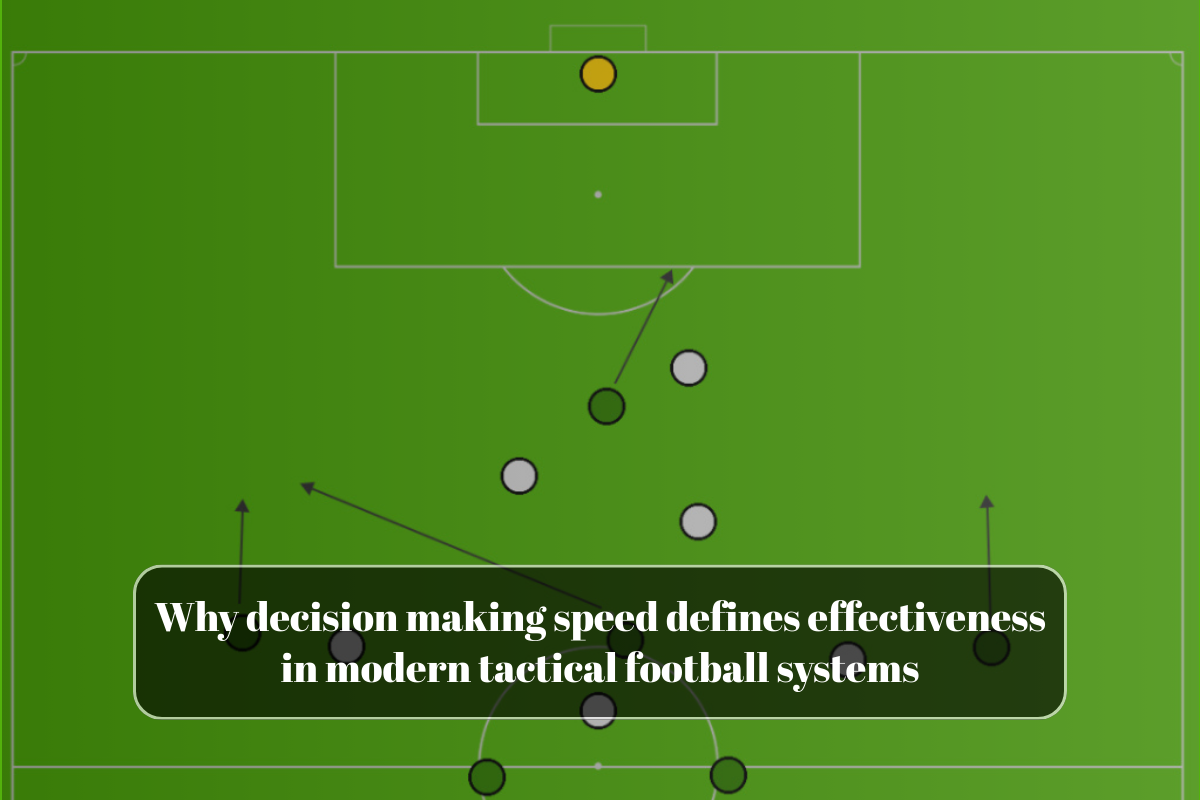
Football tactics are built on the idea that players function as an interconnected system rather than isolated individuals. Defensive structures, midfield organization, and attacking movements all rely on players understanding their roles in relation to one another. A well-drilled team knows when to press, when to drop back, and how to maintain shape across the pitch. Without teamwork, even the most carefully designed tactical plan quickly breaks down.
Effective tactics require players to anticipate teammates’ movements and make decisions that benefit the collective. For example, a forward’s run may create space for a midfielder, while a defender’s positioning can allow the team to maintain balance during transitions. These actions only work when players trust one another and commit to the team’s tactical identity.
Communication and Understanding on the Pitch
Clear communication is a vital component of teamwork in football. Players constantly exchange verbal cues, hand signals, and nonverbal messages to adjust positioning and respond to changing situations. This communication helps maintain defensive organization, coordinate pressing, and execute set pieces effectively.
Beyond words, understanding develops through shared training experiences and match situations. Teams that spend time building chemistry learn each other’s tendencies, strengths, and limitations. This mutual awareness allows players to react instinctively, reducing hesitation and improving overall fluidity in play.
Defensive Solidity Through Collective Effort
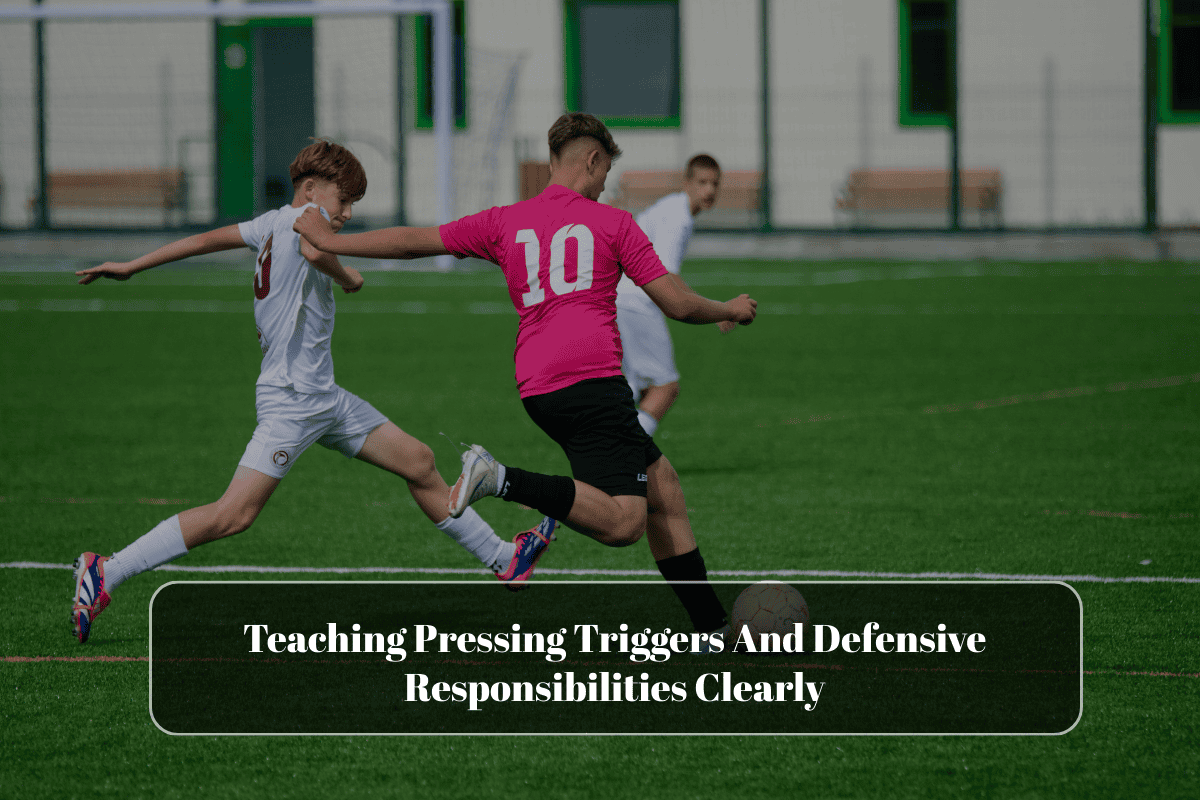
Strong defense in football is rarely the result of individual actions alone. Successful defending depends on coordinated movement, shared responsibility, and discipline across the entire team. Forwards initiate defensive pressure, midfielders close passing lanes, and defenders provide structure and cover.
When teamwork is strong, teams defend as a unit, limiting space and forcing opponents into less dangerous areas. This collective approach reduces reliance on last-ditch tackles and individual heroics, making defensive performance more consistent over time.
Attacking Success and Shared Creativity
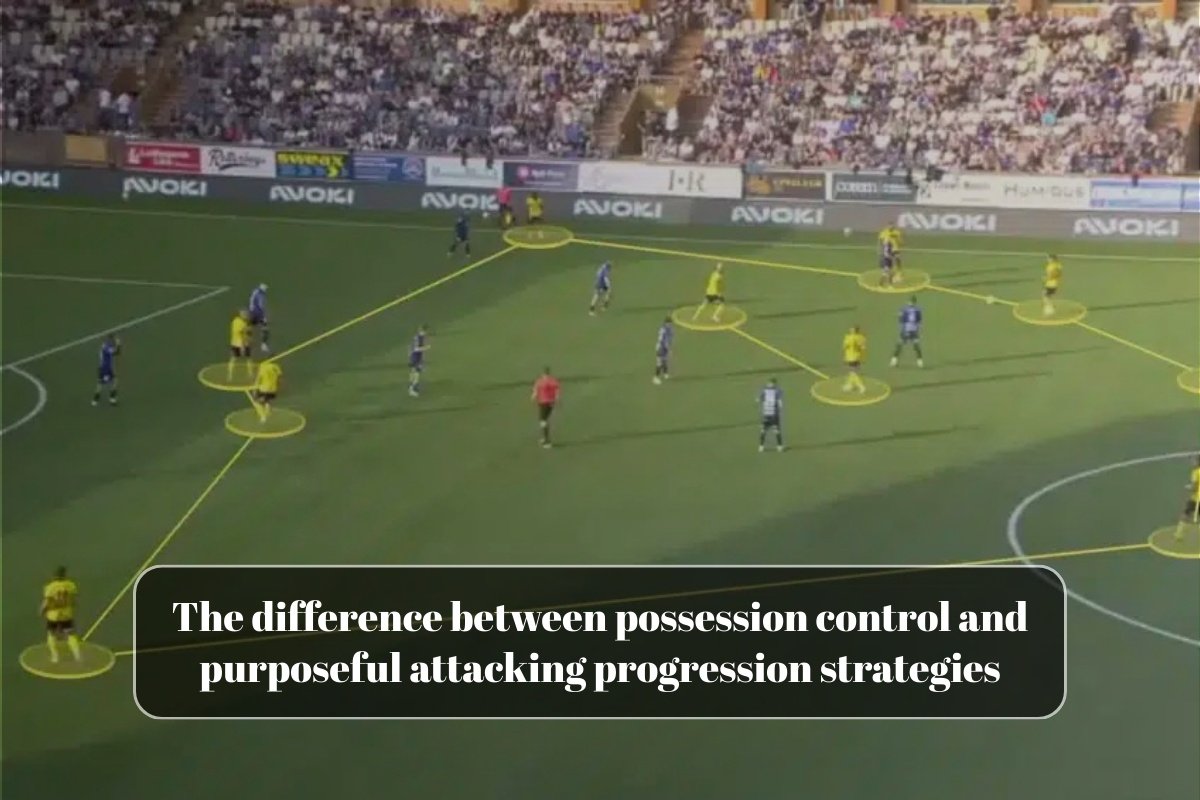
Attacking football also thrives on teamwork. While goals may be credited to individual scorers, they are often the result of collective build-up play. Passing combinations, overlapping runs, and coordinated movement stretch opposing defenses and create scoring opportunities.
Teamwork encourages players to make selfless decisions, such as passing instead of shooting or making runs that benefit others. This shared creativity makes attacks less predictable and more difficult to defend against. Teams that prioritize collective attacking principles tend to produce more sustained pressure and higher-quality chances.
Trust and Role Acceptance
Trust is a cornerstone of effective teamwork. Players must trust that teammates will fulfill their responsibilities, whether that involves tracking back defensively or maintaining position during an attack. This trust allows individuals to focus on their own roles without constantly compensating for others.
Role acceptance is equally important. Not every player will be the goal scorer or playmaker, but each role contributes to team success. When players embrace their responsibilities and value the collective objective, the team functions more efficiently and with greater unity.
Leadership and Team Culture
Strong teamwork is reinforced by positive leadership and a healthy team culture. Leaders on and off the pitch help set expectations, resolve conflicts, and keep the team focused during challenging moments. A culture that values collaboration over ego encourages players to support one another and remain committed to shared goals.
This culture does not develop overnight. It requires consistent effort, clear communication, and alignment between players and coaching staff. Over time, a strong team culture enhances resilience and adaptability, key traits for long-term success.
Long-Term Success Through Collective Identity
Teams that emphasize teamwork often achieve more sustainable success than those reliant on individual talent alone. Collective identity allows teams to adapt tactically, integrate new players, and maintain performance despite injuries or form fluctuations. By prioritizing teamwork, football teams build a foundation that supports both immediate results and long-term development.
FAQs
Why is teamwork more important than individual skill in football?
Teamwork ensures tactical balance, consistency, and adaptability, allowing individual skills to be used effectively within a collective structure.
How does teamwork influence football tactics?
Tactics depend on coordinated movement, communication, and role understanding, all of which require strong teamwork to function properly.
Can a team succeed without strong teamwork?
Short-term success may occur, but long-term consistency is difficult without teamwork, as individual brilliance alone cannot sustain performance.
How do coaches develop teamwork in football teams?
Coaches build teamwork through structured training, clear roles, communication drills, and fostering a positive team culture.
Does teamwork matter at all levels of football?
Yes, teamwork is essential at every level, from youth football to professional play, as it underpins learning, performance, and enjoyment of the game.