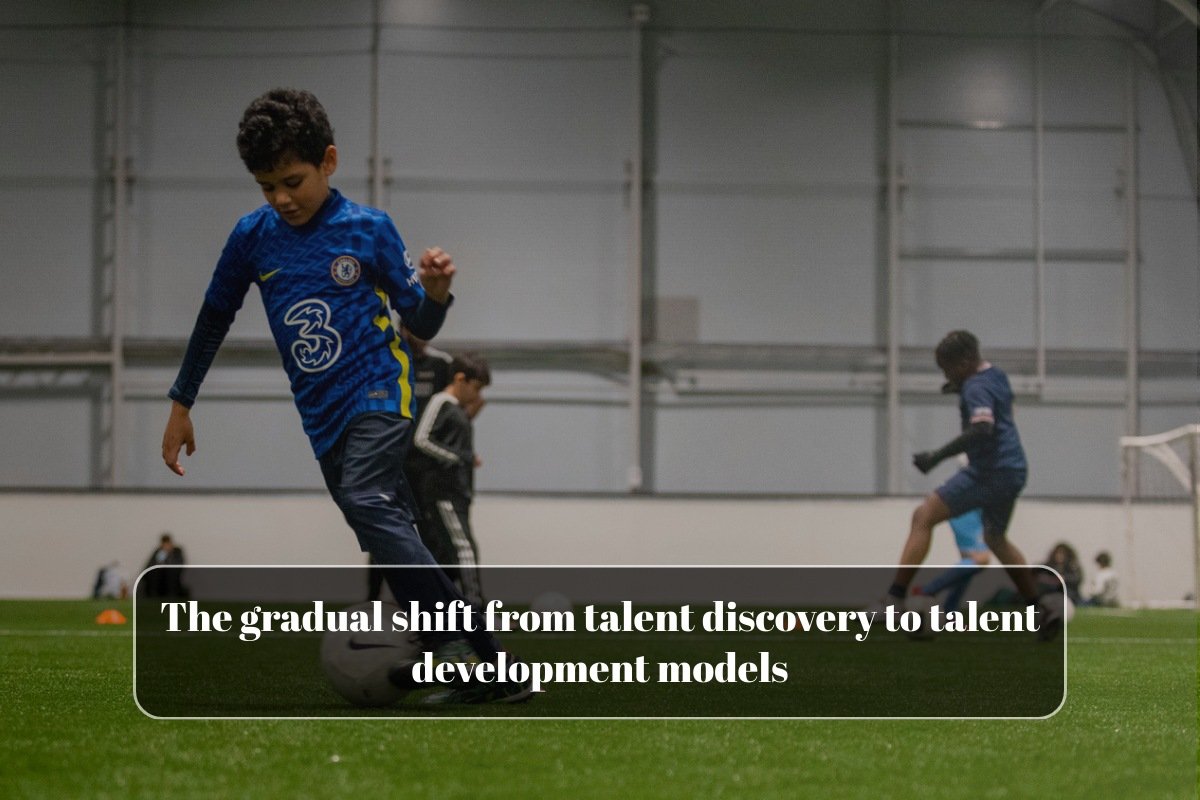
For decades, football clubs focused primarily on discovering raw talent — identifying naturally gifted players and fast-tracking them into competitive environments. However, modern football ...
In modern football, sustained success is rarely built overnight. While high-profile transfers dominate headlines, the true foundation of long-term dominance often lies within youth ...
Football coaching methodologies have transformed from rigid, directive styles to holistic, data-driven approaches, adapting to increased athleticism, tactical complexity, and psychological demands. In the ...
U.S. football institutions evolved from fragmented ethnic leagues to trusted national bodies through unification, FIFA affiliation, and iconic achievements like hosting World Cups. The ...
Youth development programs are the backbone of football growth in the US, nurturing talent from grassroots to professional levels while expanding participation and building ...
Building a consistent training philosophy is essential for forging a unified football identity in U.S. youth programs, where diverse talent pools—from urban academies to ...
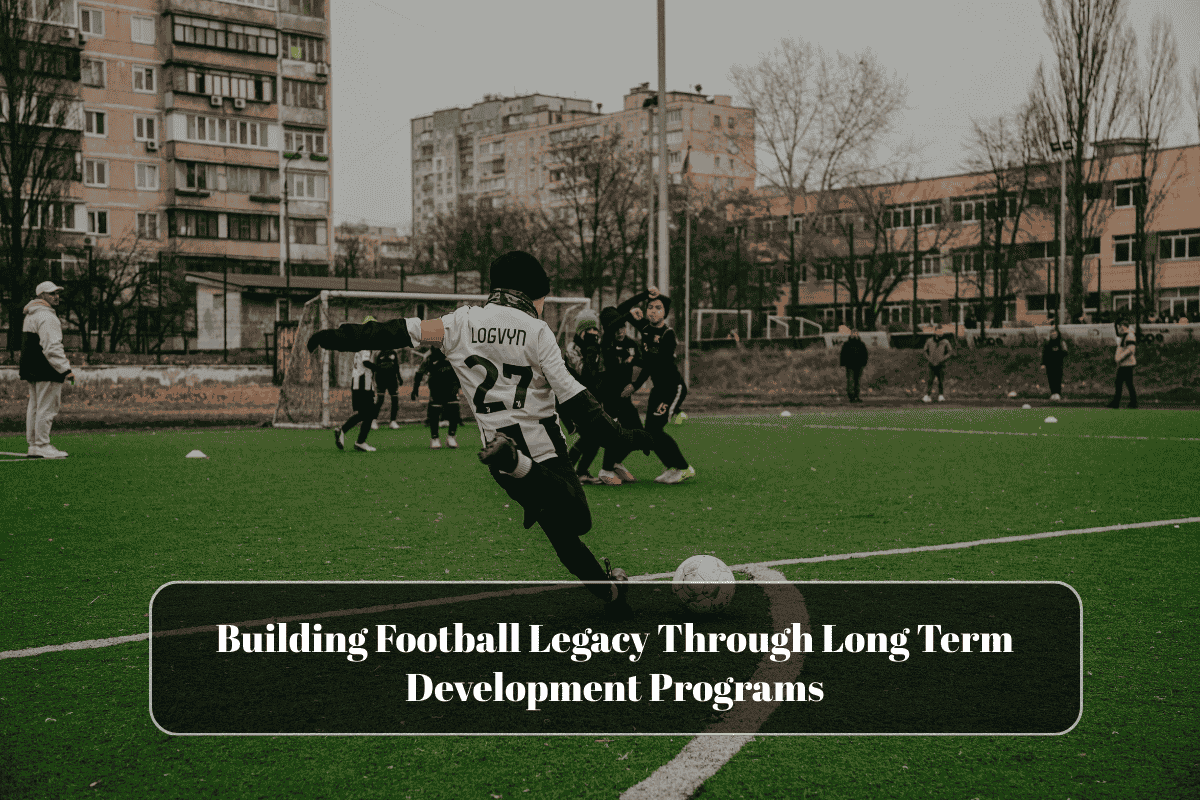
Building football legacy through long-term development programs (LTAD) creates sustainable talent pipelines, prioritizing holistic growth over early wins to produce skilled, resilient players who ...
Discipline has been the bedrock of American football training since its rugby roots in the 1870s, transforming chaotic scrums into a structured powerhouse sport ...
Residential soccer academies have revolutionized player development in the U.S., evolving from scattered club efforts in the 1980s to immersive, full-time programs producing MLS ...
US youth soccer leagues have evolved from fragmented local rec programs in the 1970s to a tiered competitive ecosystem today, serving 4+ million players ...