In any sport, a strong defense is often the foundation of a successful team. Whether it’s football, soccer, basketball, or hockey, teams that prioritize defensive strategies tend to perform better overall, as a solid defense can thwart even the most aggressive offensive strategies.
Building a strong defense involves more than just individual talent; it requires teamwork, strategy, communication, and a deep understanding of the game. In this article, we’ll explore how top teams across various sports develop defensive tactics that keep their opponents at bay, and why these strategies are critical for sustained success.
The Fundamentals of a Strong Defense
Before diving into specific defensive tactics, it’s important to understand the key characteristics of a strong defense. Regardless of the sport, an effective defense usually possesses the following attributes:
- Organization: A well-organized defense is more difficult to break down. Each player must understand their role, maintain positioning, and communicate with teammates.
- Discipline: Defenders need to stay disciplined, ensuring they don’t overcommit or lose focus. Impulse mistakes can lead to counter-attacks or openings for the opposition.
- Physicality: A solid defense often involves a balance of physical strength, agility, and toughness. Defenders need to win tackles, clearances, or blocks in crucial situations.
- Anticipation: Good defenders read the game well and can anticipate the opposition’s movements. They position themselves effectively and can react swiftly to potential threats.
Football: Building a Strong Defensive Line
In football (soccer), defensive tactics are crucial for stifling an opponent’s attack and maintaining control of the game. Top teams build their defense around key principles that focus on both individual skill and teamwork.
1. Formation and Positioning
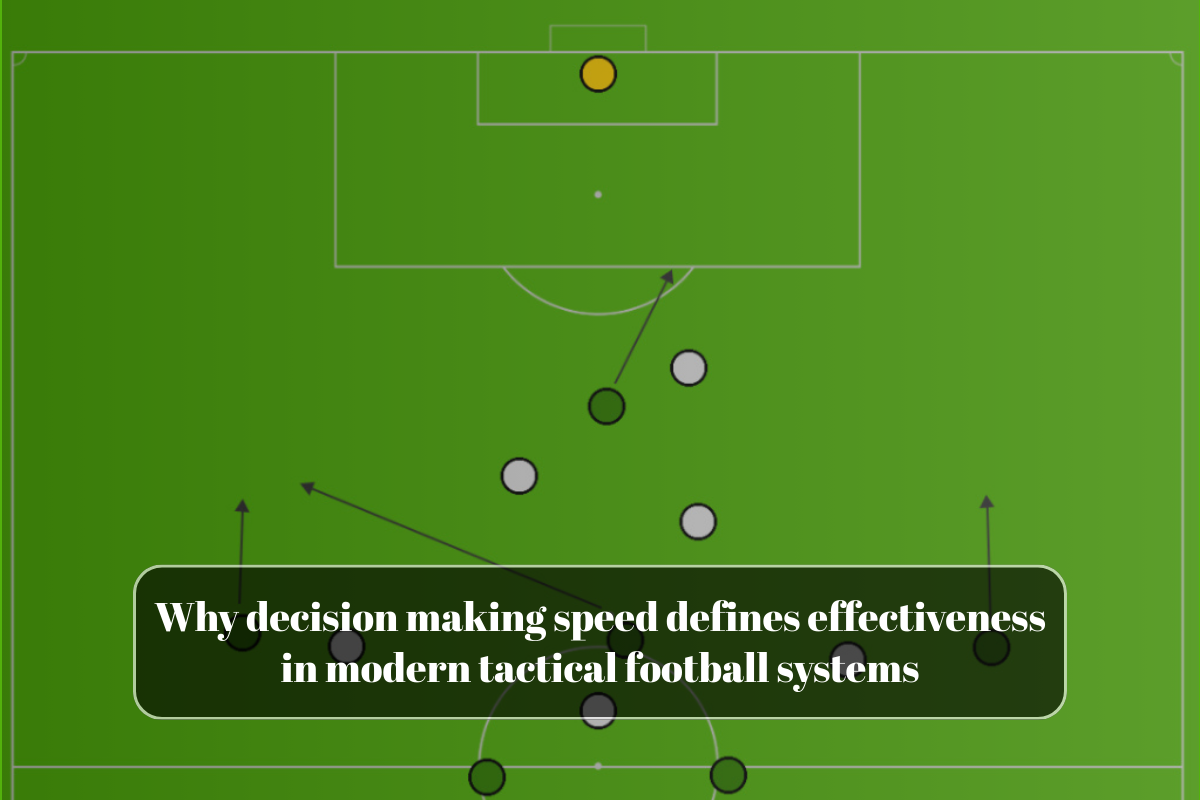
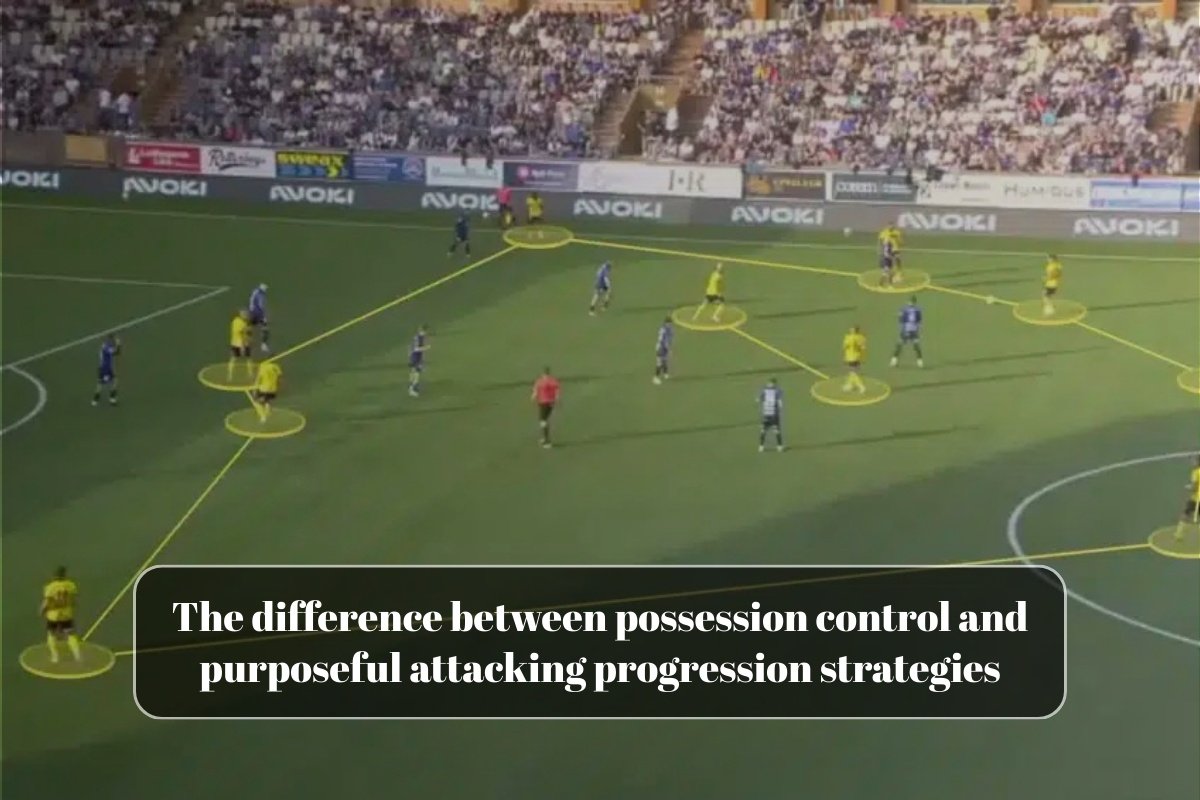
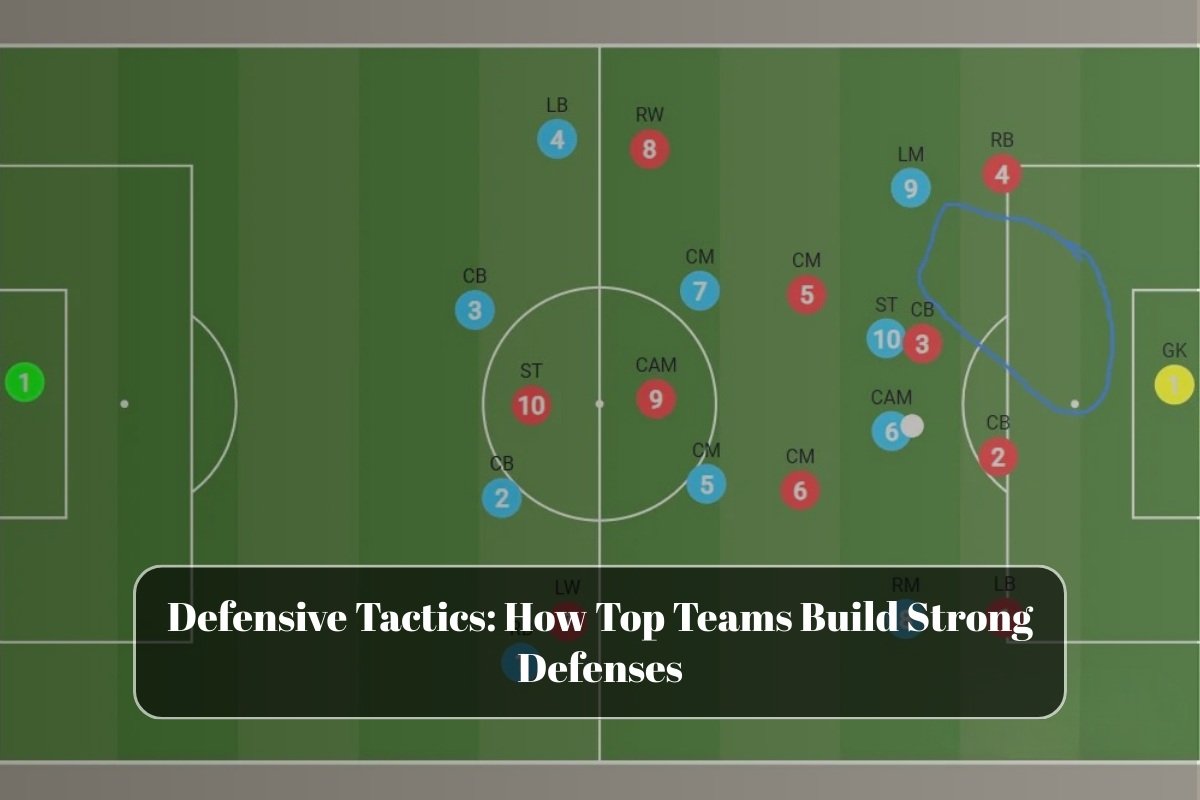
One of the first decisions teams make is selecting the right defensive formation. Common defensive formations like the 4-4-2, 4-3-3, or 5-3-2 rely on a solid back line, often consisting of central defenders (center-backs) and full-backs. The key is maintaining a compact shape to limit space between the defenders and prevent the opposition from exploiting gaps.
For example, a team playing with a four-defender system (4-4-2) needs to ensure that their center-backs maintain close communication, while full-backs track the wingers, either doubling up or supporting them when necessary. This coordination ensures that defensive gaps do not emerge when the opposition pushes forward.
2. Pressing and Zonal Defending
Top teams also emphasize intelligent pressing and zonal defending. Zonal defending is a strategy where players cover spaces rather than marking individuals. This approach allows the team to shift together and maintain their shape, making it harder for opponents to penetrate the defense.
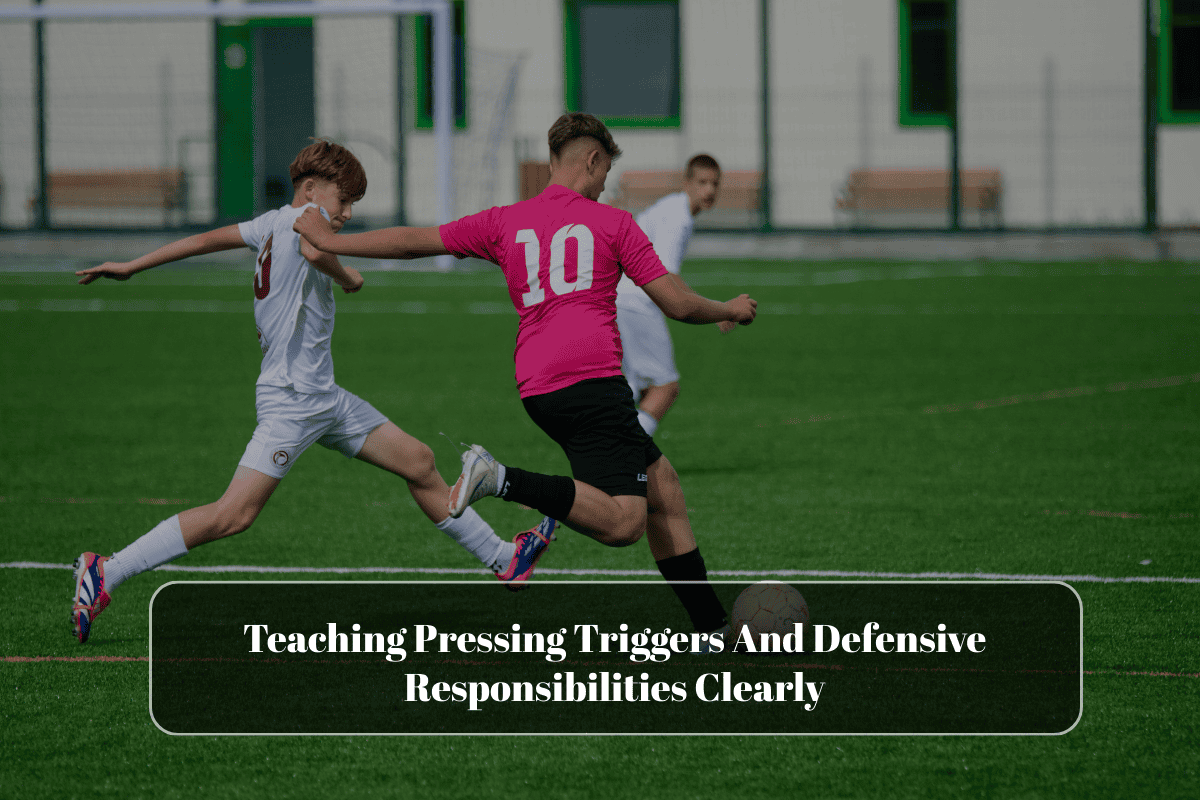
Additionally, coordinated pressing forces opponents to make mistakes. Teams with strong defensive setups often use high pressing to disrupt the opposition’s build-up play, forcing turnovers in dangerous areas.
3. Defensive Midfielders: The Shield
Defensive midfielders play a crucial role in building a strong defense. Players like Claude Makélélé, N’Golo Kanté, or Sergio Busquets serve as the “shield” in front of the back line. They break up attacks, intercept passes, and disrupt the opponent’s rhythm. Their ability to read the game and provide cover to the defenders is vital for maintaining defensive solidity.
American Football: Dominating the Line of Scrimmage
In American football, the defense is built around stopping offensive plays at the line of scrimmage. Top teams emphasize both individual matchups and team-wide defensive schemes.
1. Front Seven: Controlling the Line
The “front seven” in football refers to the defensive line and linebackers, who work together to stop the run and pressure the quarterback. A dominant defensive line that can break through the offensive line and tackle the running back is essential in controlling the game.
Strong defenses in football often feature pass rushers who can disrupt the quarterback’s timing, forcing hurried throws or sacks. Defensive linemen must have quick reflexes and the ability to shed blockers, while linebackers cover running backs and tight ends in the passing game.
2. Secondary: Preventing the Big Play
A strong defensive backfield (the secondary) is necessary to prevent big passing plays. Cornerbacks and safeties work together to cover receivers and anticipate quarterback throws. Good communication between the secondary and the front seven is essential for a complete defensive effort.
Teams like the Seattle Seahawks, known for their “Legion of Boom” secondary, demonstrated how physical cornerbacks and safeties could shut down high-powered offenses. The key to their success was both aggressive coverage and excellent tackling.
Basketball: Locking Down the Paint and Perimeter
In basketball, defense is about more than just stopping shots; it’s about controlling space, protecting the rim, and forcing the opposition into bad shooting positions. Top teams create defensive strategies that focus on both individual defense and team coordination.
1. Defensive Positioning and Rotations
Effective defensive teams focus on maintaining proper positioning to cut off driving lanes and contest shots. On-ball defense is crucial, as defenders need to prevent their opponent from easily getting into the paint. However, just as important is help defense, where teammates rotate quickly to assist a defender when they are beaten or out of position.
Teams like the Golden State Warriors, known for their switching defense, excel at rotating and covering multiple threats. Their defenders have the agility and basketball IQ to switch seamlessly, preventing offensive players from gaining an advantage.
2. Rim Protection and Defensive Rebounding
A solid rim protector is crucial in basketball, especially in the paint. Centers or power forwards who can block or alter shots near the basket make it difficult for offensive players to finish strong around the rim. Additionally, securing defensive rebounds limits the opponent’s second-chance points and allows the defense to reset.
3. Defensive Schemes: Zone vs. Man-to-Man
While man-to-man defense focuses on individual matchups, zone defense is often used to protect the paint and force offensive players into tougher shooting situations. Top teams know when to mix these strategies depending on the flow of the game, the opponent’s strengths, and the available personnel.
Hockey: Defensive Pairings and Blocking Shots
In hockey, a strong defense is essential for both preventing goals and creating offensive opportunities. Top teams place a heavy emphasis on defensemen, who are responsible for blocking shots, maintaining blue-line control, and supporting the forwards.
1. Defensive Pairings and Communication
Hockey defenses often rely on defensive pairings—two defensemen who work together to control the ice. A strong pairing communicates well, covering each other’s back and making sure they are in position to block shots, clear the puck, or defend the zone.
2. Shot Blocking and Penalty Killing
Blocking shots is a hallmark of elite defensive teams. Defensemen, as well as forwards, play a crucial role in sacrificing their bodies to block shots on goal. A team’s ability to kill penalties effectively is also critical, as defending with fewer players on the ice requires excellent positioning, smart decision-making, and quick reactions.
The Key to Championship Defense
Building a strong defense is more than just about individual talent—it’s about strategy, teamwork, and consistency. Top teams in every sport prioritize defensive tactics that disrupt opponents, protect key areas, and create opportunities for success. Whether it’s through maintaining solid formations, using high-pressure tactics, or developing robust communication and rotations, effective defensive play often makes the difference between a good team and a championship-winning one.
By focusing on defensive cohesion, discipline, and adaptability, teams can ensure they remain competitive over the long term and continue to dominate their respective sports.
FAQs
Why is a strong defense important in sports?
A strong defense limits the opponent’s ability to score, creates turnovers, and provides opportunities for counter-attacks or offensive plays.
What is the role of defensive midfielders in soccer?
Defensive midfielders act as a barrier between the defense and the attack, breaking up plays, intercepting passes, and providing support to the backline.
What makes a successful defensive scheme in football?
A successful defensive scheme in football involves pressure from the defensive line, strong linebacking, and excellent coverage from the secondary to limit offensive options.
What is rim protection in basketball?
Rim protection refers to defending the area near the basket by blocking or altering shots, preventing easy points from being scored in the paint.
How does defensive depth benefit a hockey team?
Defensive depth in hockey ensures the team can maintain pressure, block shots, and effectively kill penalties without tiring out key defensemen.