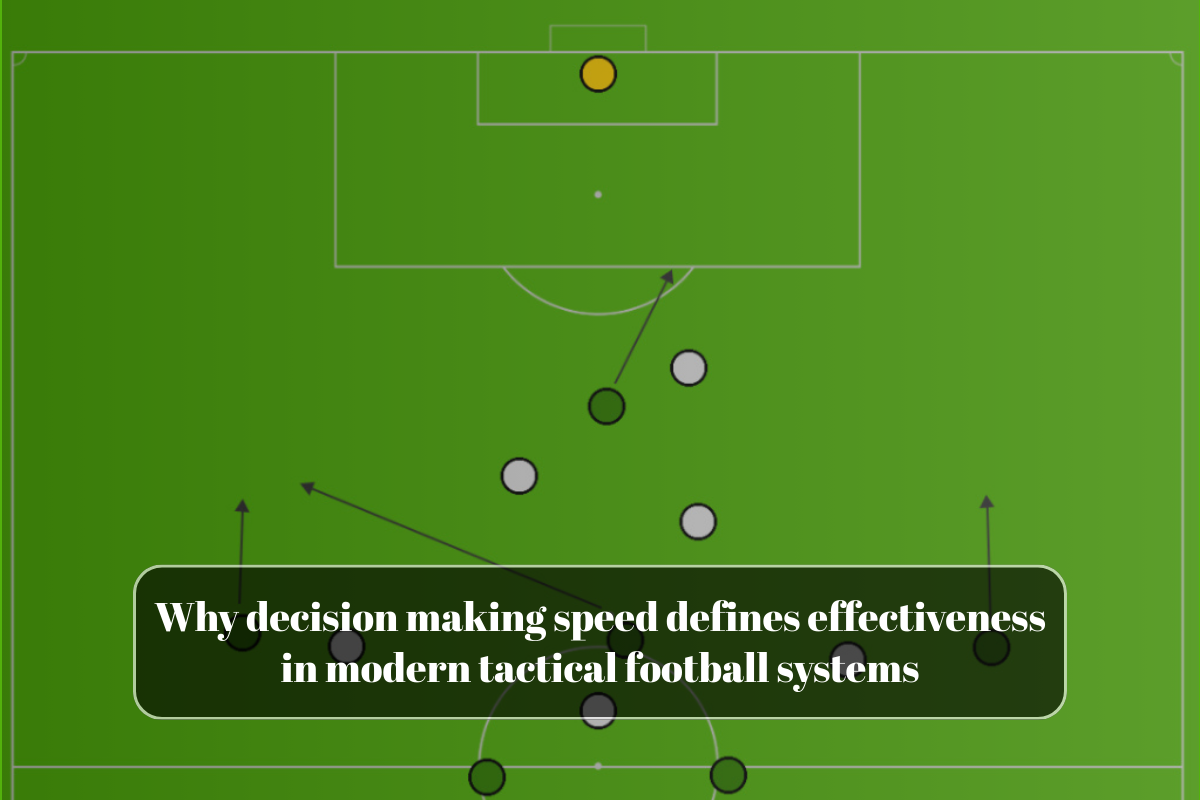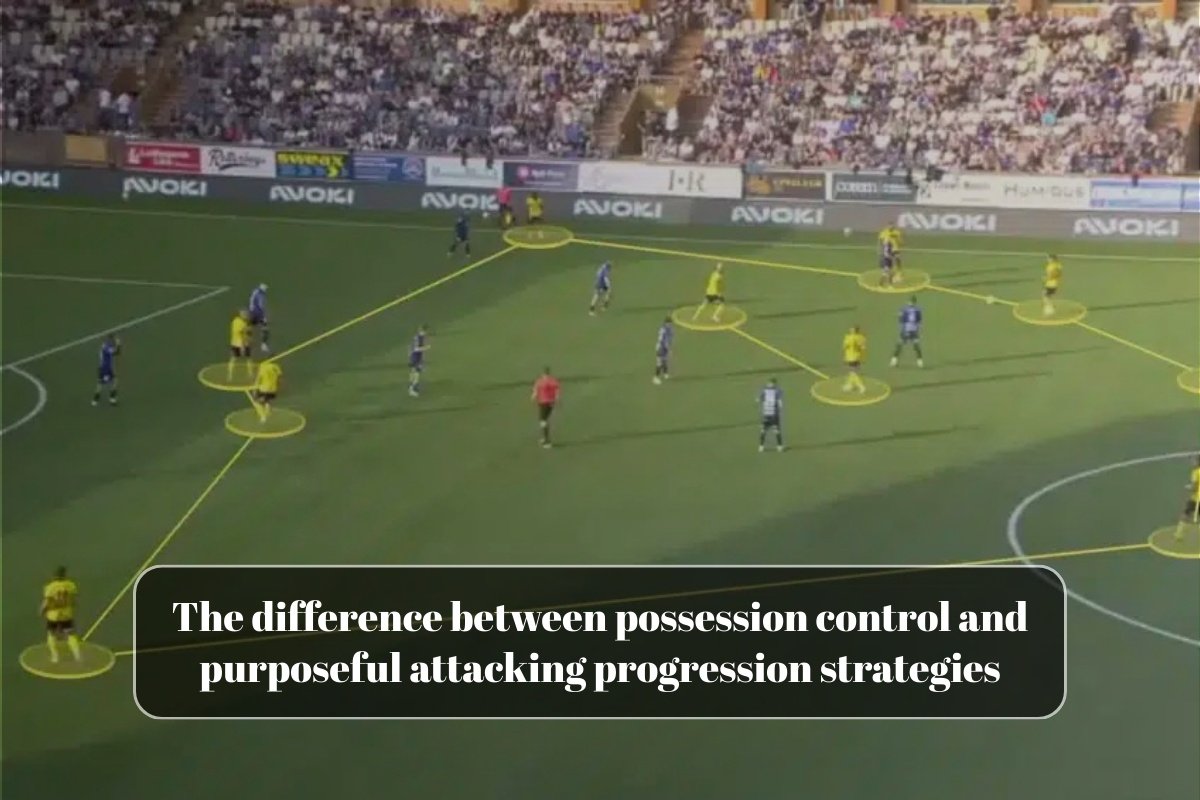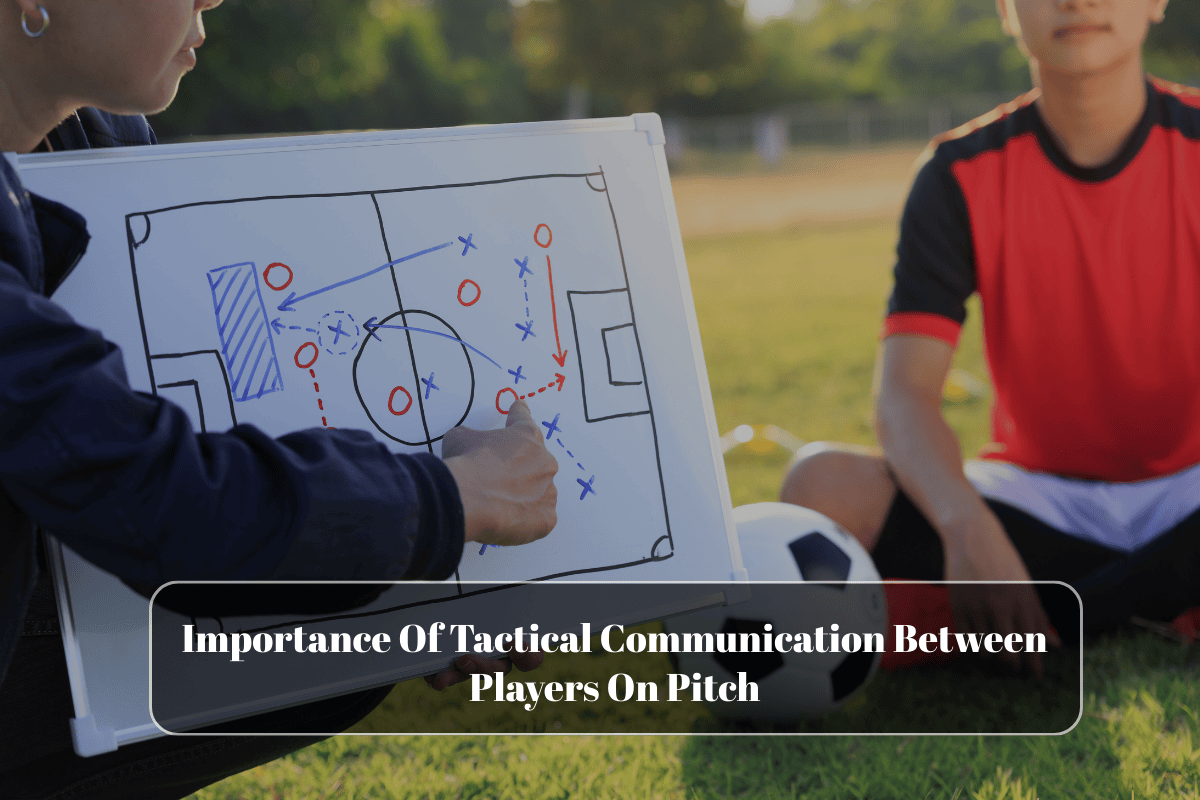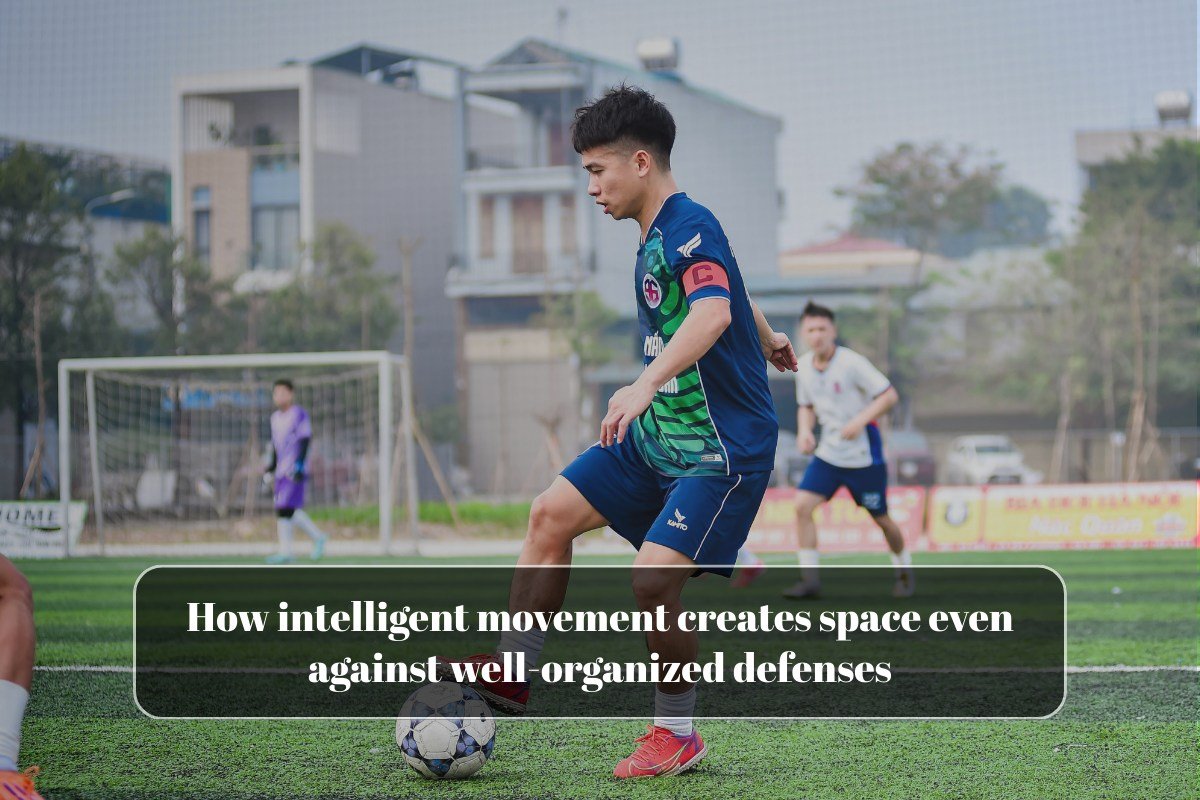
In football, technical skill and physical ability are important, but intelligent movement often determines whether those qualities can be used effectively. Against well-organized defenses, space is rarely given freely. Instead, it must be created.
Players who understand how, when, and where to move can disrupt defensive structures, open passing lanes, and create scoring opportunities even when facing compact, disciplined opponents. Intelligent movement is not just about running more—it is about running with purpose. This article explores how smart off-the-ball movement creates space and elevates team performance.
Understanding That Space Is Created, Not Found
Many young players believe space simply appears when defenders make mistakes. In reality, space is often the result of deliberate, coordinated movement.
Intelligent movement forces defenders to make decisions. When attackers move at the right moments and into the right areas, defenders must choose whether to track, pass on responsibility, or hold their position. These moments of hesitation or miscommunication are where space emerges. Players who understand this dynamic become active creators of opportunities rather than passive recipients of the ball.
Timing Runs to Disrupt Defensive Shape
Timing is one of the most powerful aspects of intelligent movement. A run made too early allows defenders to adjust. A run made too late closes the opportunity.
Well-timed movement, especially behind defensive lines, can stretch the back line and create gaps between defenders. For example, a forward checking toward the ball at the right moment can drag a center-back out of position, opening space for a midfielder or winger to exploit. These movements are subtle, but they have a major impact on defensive organization.
Using Movement to Manipulate Defenders
Smart players do not just move to receive the ball—they move to move defenders. This concept is central to breaking down organized defenses.
A decoy run can be just as valuable as a run that receives a pass. When one player makes a threatening movement, defenders often follow instinctively. This can free up space for a teammate in a different area. Intelligent attackers constantly think about how their movement affects the defensive line and how they can create advantages for others, not just themselves.
Creating Passing Lanes Through Positional Awareness
Organized defenses aim to block passing lanes and limit options. Intelligent movement helps break these structures by offering new angles and lines of support.
Players who scan the field regularly understand where defenders are positioned and where space is likely to open. By moving into pockets between midfield and defense, drifting into half-spaces, or dropping into deeper areas at the right time, players can make themselves available and give teammates better passing options. This kind of movement supports fluid ball circulation and prevents attacks from becoming predictable.
Stretching the Pitch to Create Width and Depth
Compact defenses succeed by staying narrow and reducing space between lines. Intelligent movement counters this by stretching the pitch both horizontally and vertically.
Wingers who hold width can pull fullbacks wider, creating central gaps. Forwards who threaten in behind force the defensive line to drop deeper, opening space in midfield. Midfielders who make late runs into the box can exploit defenders who are preoccupied with marking attackers. When a team uses the full dimensions of the pitch through coordinated movement, defensive structures become harder to maintain.
Supporting Quick Combinations and Rotations
Intelligent movement also fuels effective combination play. One-touch passing, overlaps, underlaps, and positional rotations all depend on players understanding when to move and where.
For example, a midfielder may move wide to create space for a fullback to overlap. A striker may drift into wide areas to allow a winger to attack the central channel. These rotations confuse defenders because marking responsibilities become unclear. Teams that master these movement patterns often appear fluid and unpredictable, even against disciplined opposition.
Reading Defensive Cues and Adjusting Movement
High-level movement is not scripted—it is adaptive. Intelligent players constantly read cues from defenders: body shape, positioning, communication, and spacing.
If a defender is ball-watching, a well-timed blind-side run can be devastating. If a defensive line is slow to shift across, quick movement into the weak side can exploit the gap. This ability to interpret the game in real time separates average movement from elite movement. It transforms players into problem-solvers rather than simply runners.
Improving Collective Movement Through Team Understanding
While individual intelligence is important, movement becomes truly powerful when it is coordinated across the team. Collective understanding allows players to anticipate each other’s actions.
Teams that train movement patterns together develop chemistry. Players begin to recognize when teammates are about to drop, spin, overlap, or underlap. This shared understanding allows attacks to flow more naturally and makes it much harder for organized defenses to predict what will happen next. Intelligent movement is therefore both an individual skill and a collective behavior.
Frequently Asked Questions
What is intelligent movement in football?
It refers to purposeful off-the-ball movement that considers timing, space, teammate positioning, and defensive structure to create advantages.
Why is movement more important against organized defenses?
Because structured defenses leave very little natural space. Movement is needed to disrupt their shape and force mistakes or miscommunication.
Can players improve their movement without being the fastest?
Yes. Intelligent movement is more about timing, awareness, and decision-making than speed. Many effective players succeed through smart positioning rather than pace.
How can young players train their off-the-ball movement?
They can study game footage, practice scanning the field, play small-sided games, and focus on understanding how their movement affects teammates and defenders.
What is a decoy run and why is it important?
A decoy run is a movement made to pull defenders away and create space for teammates. It is important because it contributes to team success even without touching the ball.
How does scanning help improve movement?
Scanning allows players to understand where space, teammates, and defenders are positioned. This information helps them choose better movements and make quicker decisions.