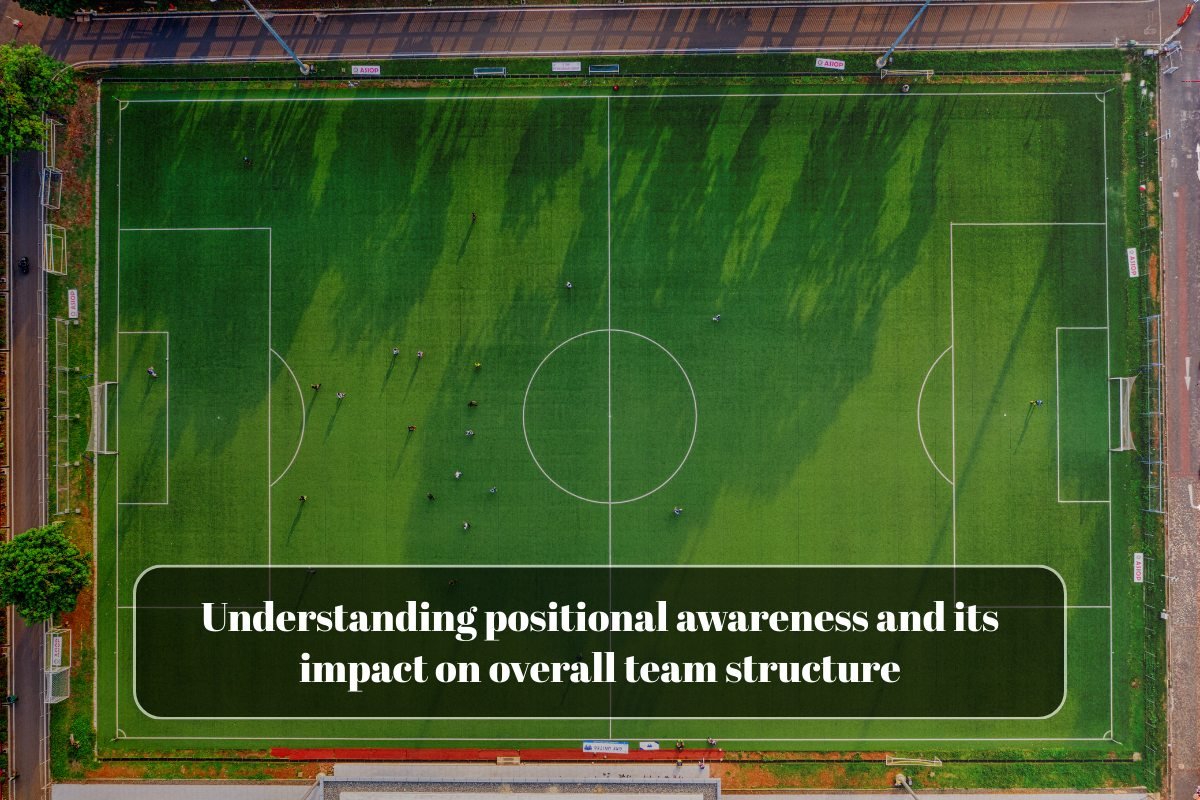
Positional awareness is a foundational concept in team-based environments, especially in sports, military units, emergency response, and organizational teams. It refers to an individual’s understanding of their role, location, responsibilities, and relationship to others within a system at any given moment. When positional awareness is strong, teams operate with clarity, balance, and cohesion. When it is weak, even highly skilled individuals can disrupt overall team structure and effectiveness.
What Positional Awareness Really Means
Positional awareness goes beyond knowing a job title or assigned spot. It involves understanding how your position connects to others, when to hold your role, when to adjust, and how your actions affect the team as a whole. It requires constant situational assessment—recognizing changes in context and responding appropriately without losing structural integrity.
In practical terms, positional awareness combines role clarity, spatial understanding, timing, and anticipation. It is both cognitive and behavioral, shaping how individuals move, communicate, and make decisions within a team.
The Relationship Between Positional Awareness and Team Structure
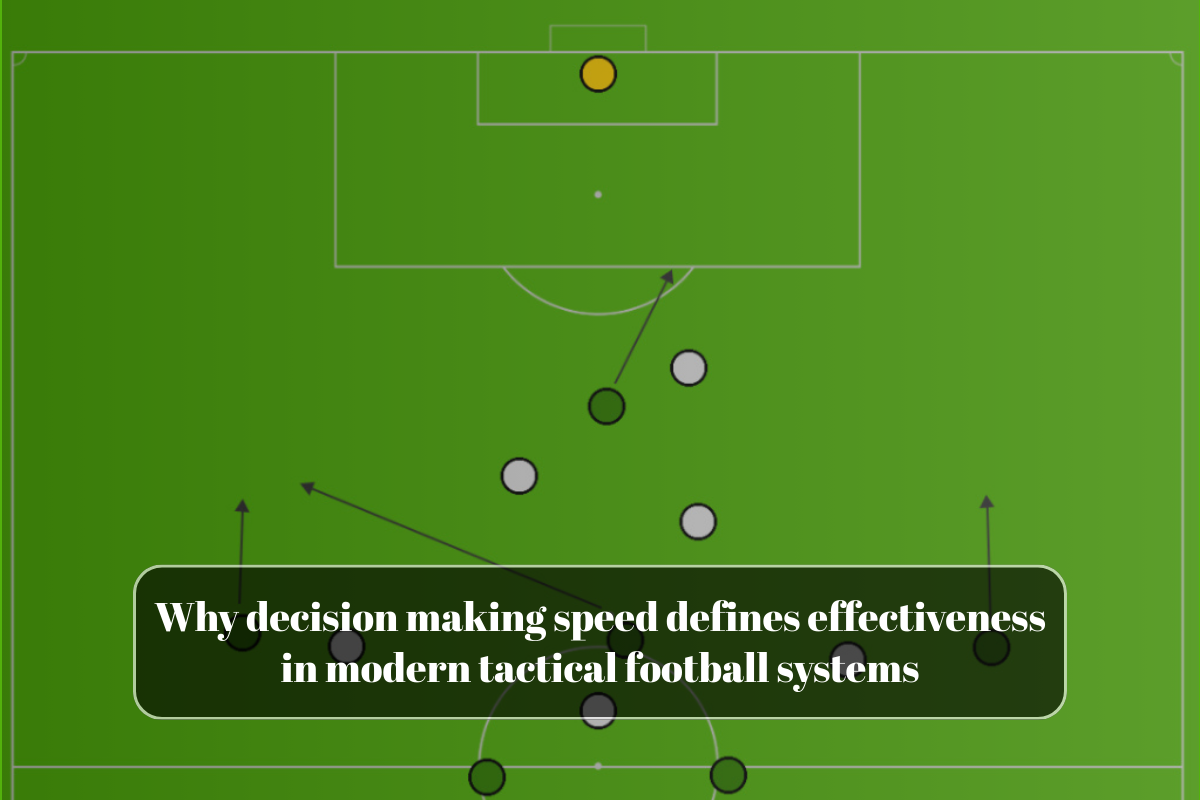
Team structure is the framework that defines how responsibilities, authority, and movement are distributed. Positional awareness is what keeps that structure intact in dynamic situations. A well-designed structure only works when individuals respect and understand their positions within it.
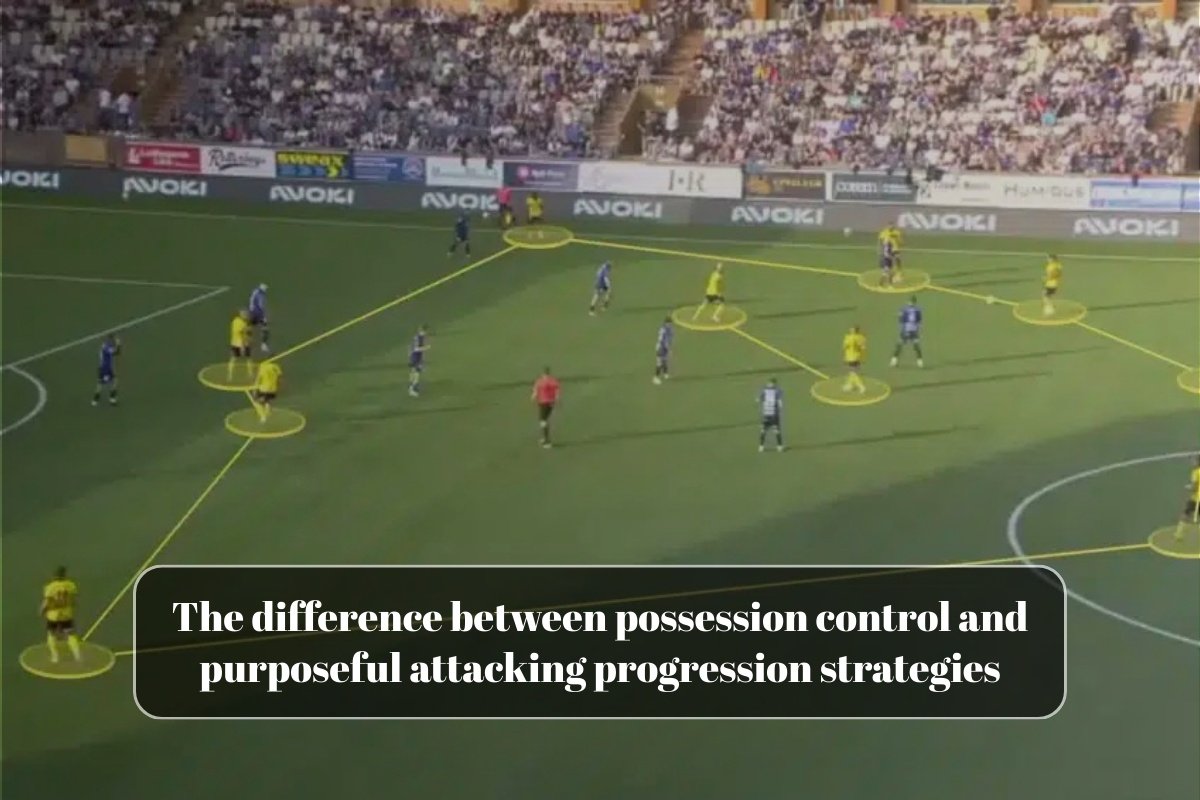
When team members maintain positional discipline, the structure remains balanced. Coverage is maintained, responsibilities are not duplicated, and gaps are minimized. Poor positional awareness, on the other hand, leads to overcrowding in some areas and neglect in others, weakening the entire system.
Enhancing Coordination and Efficiency
Strong positional awareness improves coordination by reducing unnecessary overlap and confusion. Team members know when to step forward, when to support, and when to hold back. This clarity allows the team to function smoothly without constant direction.
Efficiency improves because decisions are made faster and with less friction. Individuals do not need to question who should act; positional awareness makes responsibility intuitive. This is especially critical in high-pressure environments where delays or missteps have significant consequences.
Supporting Adaptability Without Chaos
Effective teams must adapt to changing conditions. Positional awareness allows flexibility without sacrificing structure. When individuals understand both their role and the roles around them, they can adjust intelligently while preserving overall balance.
For example, when one position is temporarily compromised, others can shift to cover it without overextending or abandoning their primary responsibilities. This adaptive movement maintains cohesion rather than creating disorder.
Reducing Conflict and Role Confusion
Many team conflicts stem from unclear boundaries or overlapping responsibilities. Positional awareness reduces these issues by reinforcing role clarity and mutual understanding. Team members are less likely to step on each other’s responsibilities or feel undermined.
This clarity also supports trust. When individuals consistently fulfill their positional responsibilities, others can rely on them, strengthening collaboration and morale.
Leadership and Positional Awareness
Leadership plays a critical role in developing positional awareness. Leaders must clearly define roles, expectations, and interdependencies. They also model positional discipline by respecting structure while encouraging intelligent adaptation.
Effective leaders help team members see the bigger picture—how individual roles contribute to collective success. This perspective reinforces why positional awareness matters beyond personal performance.
Training and Reinforcement
Positional awareness is not automatic; it must be developed and reinforced. Training, repetition, feedback, and reflection help individuals internalize their roles and understand situational dynamics. Over time, awareness becomes instinctive rather than forced.
Teams that regularly review performance, analyze breakdowns, and clarify responsibilities build stronger structural integrity. This continuous learning loop strengthens both awareness and execution.
Impact on Long-Term Team Performance
Teams with strong positional awareness are more resilient and consistent. They handle pressure better, recover faster from disruptions, and maintain performance even when conditions change. Structure becomes a support system rather than a constraint.
Over time, this leads to higher trust, better outcomes, and sustained success. Positional awareness transforms individual effort into coordinated team performance.
FAQs
What is positional awareness in a team context?
It is an individual’s understanding of their role, responsibilities, and relationship to others within the team at any given moment.
How does positional awareness affect team structure?
It maintains balance and clarity, preventing gaps, overlap, and breakdowns in responsibility.
Can a team be flexible and still maintain structure?
Yes, strong positional awareness allows adaptation without losing overall cohesion.
Why do teams struggle with positional awareness?
Common reasons include unclear roles, poor communication, lack of training, or inconsistent leadership.
How can positional awareness be improved?
Through clear role definitions, training, feedback, leadership guidance, and regular performance review.