Modern football academies are often associated with advanced sports science, data analytics, and global scouting networks. However, the roots of organized football training stretch much further back than many realize. Long before professional clubs formalized youth development systems, early academies and institutions laid the foundations for structured football training. These origins, often overlooked, played a crucial role in shaping the game’s tactical, physical, and educational dimensions.
Football Before Formal Training Systems
In its earliest forms, football was largely informal. Local games were played with minimal rules, little consistency, and no structured preparation. Physical conditioning came from daily labor rather than intentional training, and tactical understanding developed organically through play.
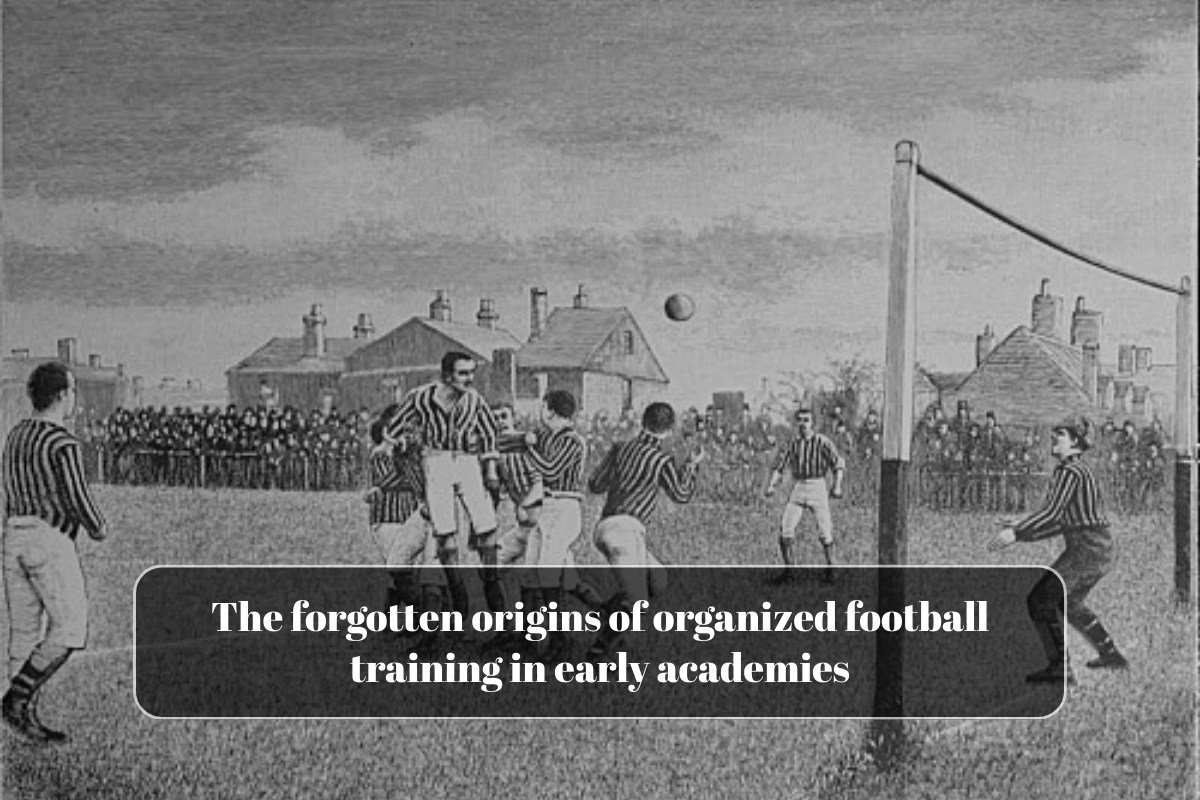
As football gained popularity in the 19th century, especially in England, the need for organization became apparent. Institutions such as schools, universities, and early clubs began to standardize rules and, gradually, methods of preparation. This shift marked the earliest steps toward organized training.
The Role of British Public Schools
British public schools were among the first environments where football training became structured. Schools such as Eton, Harrow, and Rugby emphasized discipline, teamwork, and physical development as part of character building. Football was not just recreation; it was seen as a tool for moral and social education.
While training was rudimentary by modern standards, it introduced regular practice sessions, positional responsibilities, and fitness routines. These schools established the idea that football performance could be improved through preparation rather than relying solely on natural ability.
Universities as Early Football Academies
Universities played a pivotal role in advancing organized football training. At institutions like University of Cambridge, students developed structured approaches to tactics and teamwork. The famous Cambridge Rules helped unify how the game was played, indirectly influencing how it was trained.
University teams practiced regularly, analyzed opponents informally, and emphasized collective play. These environments resembled early academies in that they combined education with systematic athletic development, even though their primary mission was not producing professional players.
Early Clubs and the Birth of Training Culture
As football clubs emerged in the mid-to-late 19th century, training became more intentional. Clubs such as Sheffield FC began organizing regular drills, fitness routines, and match preparation. Training sessions were often led by senior players or captains rather than specialized coaches.
These early clubs recognized that consistent practice improved performance and cohesion. While training still lacked scientific grounding, it marked a significant departure from purely recreational play toward performance-oriented preparation.
Influence of Military and Industrial Discipline
The structure of early football training was heavily influenced by military and industrial culture. Many players came from working-class or regimented backgrounds where discipline, punctuality, and physical endurance were valued. Training sessions mirrored these values, focusing on stamina, repetition, and obedience to team roles.
This influence helped shape football’s early emphasis on collective structure and positional responsibility—principles that remain central to the game today.
Why These Origins Are Often Forgotten
The early academies of football are often overshadowed by the rise of professional clubs and modern youth systems. As football became commercialized in the 20th century, narratives shifted toward innovation, star players, and elite facilities.
Additionally, early training methods were rarely documented in detail. Much knowledge was passed informally, making it easier for history to focus on competitions and results rather than preparation methods. As a result, the contribution of early academies has faded from mainstream football history.
Legacy in Modern Football Development
Despite being forgotten, the influence of early academies is deeply embedded in modern football. Regular training schedules, emphasis on teamwork, positional awareness, and the integration of education and sport all trace back to these early institutions.
Modern academies may use advanced technology, but the core philosophy—that football excellence is developed through structured learning environments—originated in these early settings.
The origins of organized football training lie not in modern professional academies, but in early schools, universities, and clubs that recognized the value of preparation and structure.
These forgotten academies transformed football from a casual pastime into a disciplined team sport. By understanding their role, we gain a deeper appreciation for how the foundations of modern football development were built long before the game became global and professional.
FAQs
What were the earliest football training academies?
Early football training environments included British public schools, universities, and pioneering clubs rather than formal academies.
Did early football players train regularly?
Yes, although training was basic, many schools and clubs held regular practice sessions focused on fitness and teamwork.
Who led football training in the early days?
Training was usually led by senior players, captains, or teachers rather than specialized coaches.
Why aren’t early football academies widely discussed today?
Their methods were informal and poorly documented, and later professional systems overshadowed their contributions.
How did early academies influence modern football?
They introduced structured training, positional roles, and the idea that football skills can be systematically developed.