Confident body language plays a crucial role in sports by boosting self-assurance, influencing perceptions, and sharpening decision-making under pressure. Athletes who project confidence through posture and gestures often make bolder, quicker choices on the field. This article explores how such non-verbal cues enhance on-field performance, drawing from sports psychology research.
Science Behind Confident Body Language
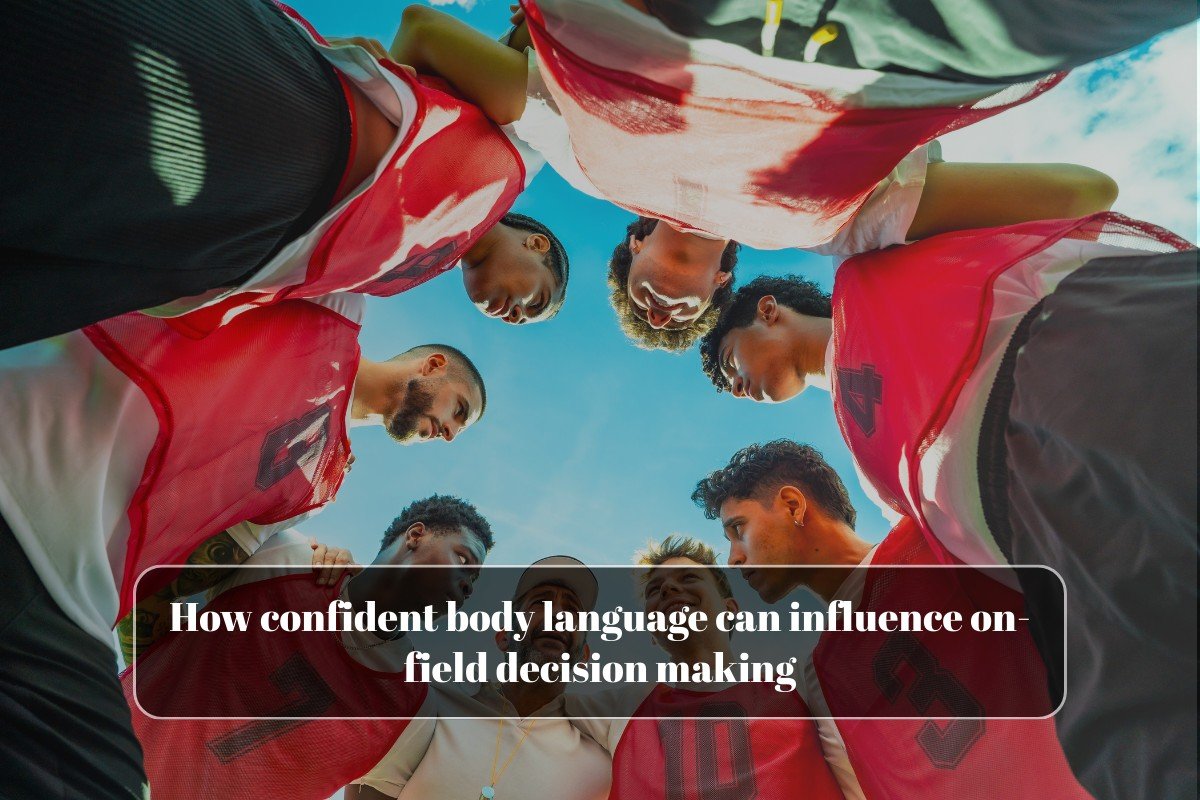
Body language accounts for 55% of communication, far outweighing words in high-stakes sports like cricket and football. Expansive postures, such as standing tall with open shoulders, elevate testosterone while lowering cortisol, fostering a mindset for assertive decisions. Studies show athletes adopting these “power poses” feel more capable, reducing anxiety and enabling clearer thinking during critical moments.
Impact on On-Field Decisions
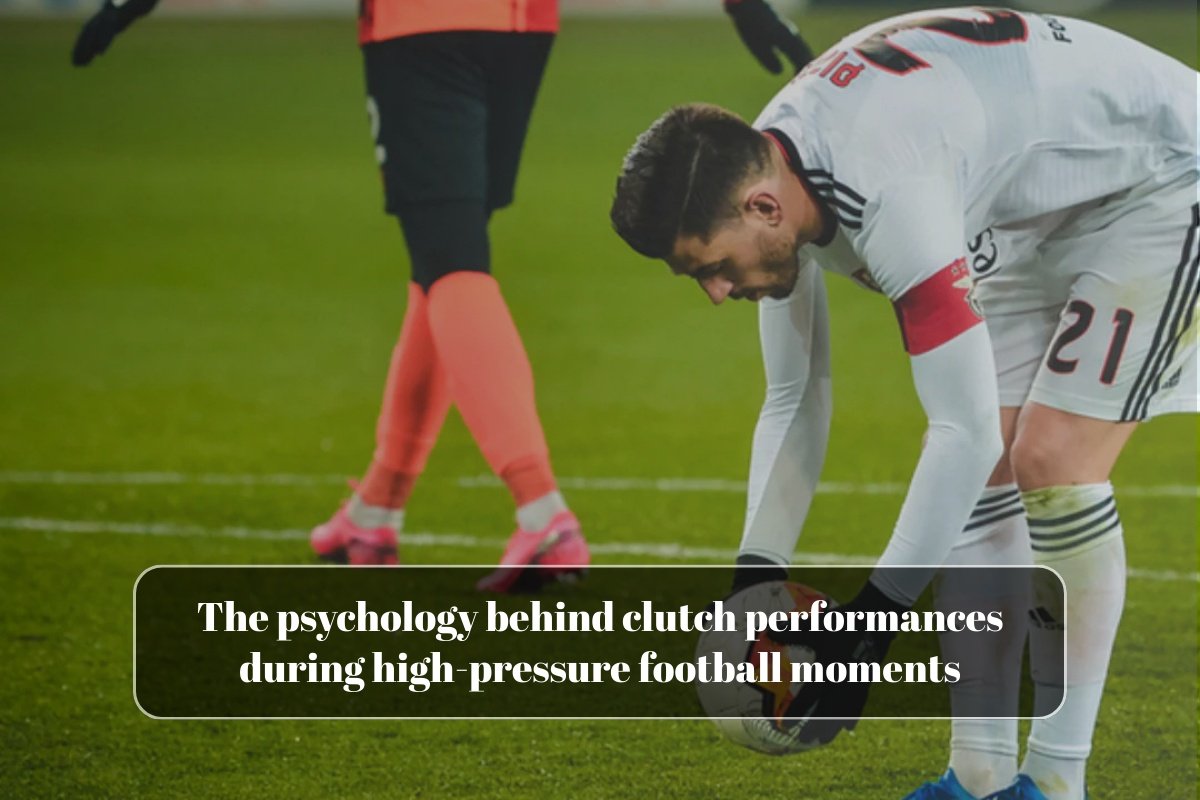
Confident body language sharpens focus and speeds up reactions, vital for split-second choices like shot selection in cricket or tackles in football. Research reveals that upright postures engage the prefrontal cortex, improving decision-making under pressure by minimizing hesitation. In soccer penalties, goalkeepers facing dominant body language from opponents experience heightened threat, leading to poorer anticipation and dives.
Examples from Cricket and Football
In cricket, players like Virat Kohli exemplify this by maintaining upright postures after boundaries, signaling control and pressuring bowlers into errors. Fielders with confident stances cover ground faster and execute catches more decisively, as slouching signals doubt to teammates. Football managers like Pep Guardiola emphasize body language, noting “kill points” where positive cues rally teams for tactical shifts, turning games around.
Strategies to Project Confidence
Adopt open postures: shoulders back, chest out, and steady eye contact to intimidate foes and unite teammates. Practice deliberate movements and controlled breathing between overs or plays to sustain composure. Coaches can use video analysis to reinforce these habits, embedding them for instinctive use in matches.
Benefits for Team Dynamics
Confident cues are contagious, boosting collective morale and coordination in team sports. Teammates mirror positive gestures, fostering trust that leads to synchronized decisions like quick single calls in cricket. Opponents perceive confident teams as superior, often second-guessing their strategies.
FAQs
What defines confident body language in sports?
Confident body language includes upright posture, open chest, steady eye contact, and purposeful movements that signal control and readiness.
How does it directly improve decision-making?
It lowers stress hormones, enhancing prefrontal cortex function for faster, bolder choices like shot selection or tackles under pressure.
Are there real IPL cricket examples?
Virat Kohli’s aggressive stance after boundaries pressures bowlers, often leading to loose deliveries and better batting decisions.
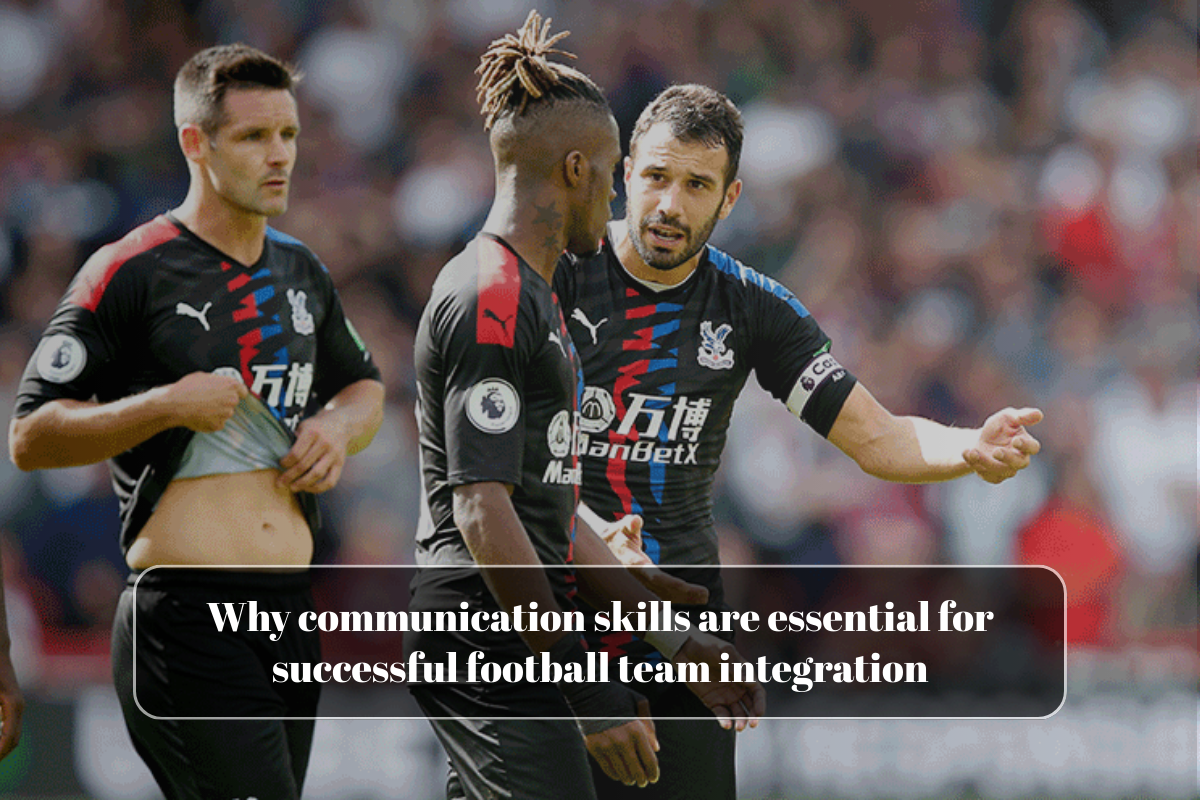
Does it affect football team tactics?
Positive cues from leaders like captains rally squads, enabling synchronized plays and adaptive strategies during matches.
How can athletes practice it daily?
Use power poses before games, review match footage, and pair with breathing exercises to make it instinctive.