Football excellence is often measured by technical ability, physical fitness, and tactical awareness. Yet the players who leave a lasting impact on teams and the sport as a whole are those who combine skill with strong leadership qualities. Leadership shapes footballers into complete personalities—players who influence games, inspire teammates, and represent the sport with character on and off the pitch.
Understanding Leadership in Football
Leadership in football is not limited to wearing the captain’s armband. It is expressed through behavior, communication, attitude, and consistency. Leaders set standards through their actions, guiding teammates during pressure moments and maintaining focus during adversity.
A complete football personality understands that leadership is situational. At times it means motivating others vocally; at other times, it means leading quietly through discipline, work ethic, and composure.
Building Mental Strength and Resilience
Leadership qualities help footballers develop mental toughness. Leaders learn to handle pressure, criticism, and setbacks without losing confidence or control. This resilience is essential in a sport where form fluctuates and public scrutiny is constant.
Players with leadership traits recover faster from mistakes, maintain belief during difficult matches, and help stabilize team morale. This mental strength becomes a defining part of their personality and career longevity.
Accountability and Professional Discipline
Leadership encourages accountability. Footballers with strong leadership qualities take responsibility for their performance and behavior rather than shifting blame. They analyze their mistakes honestly and commit to improvement.
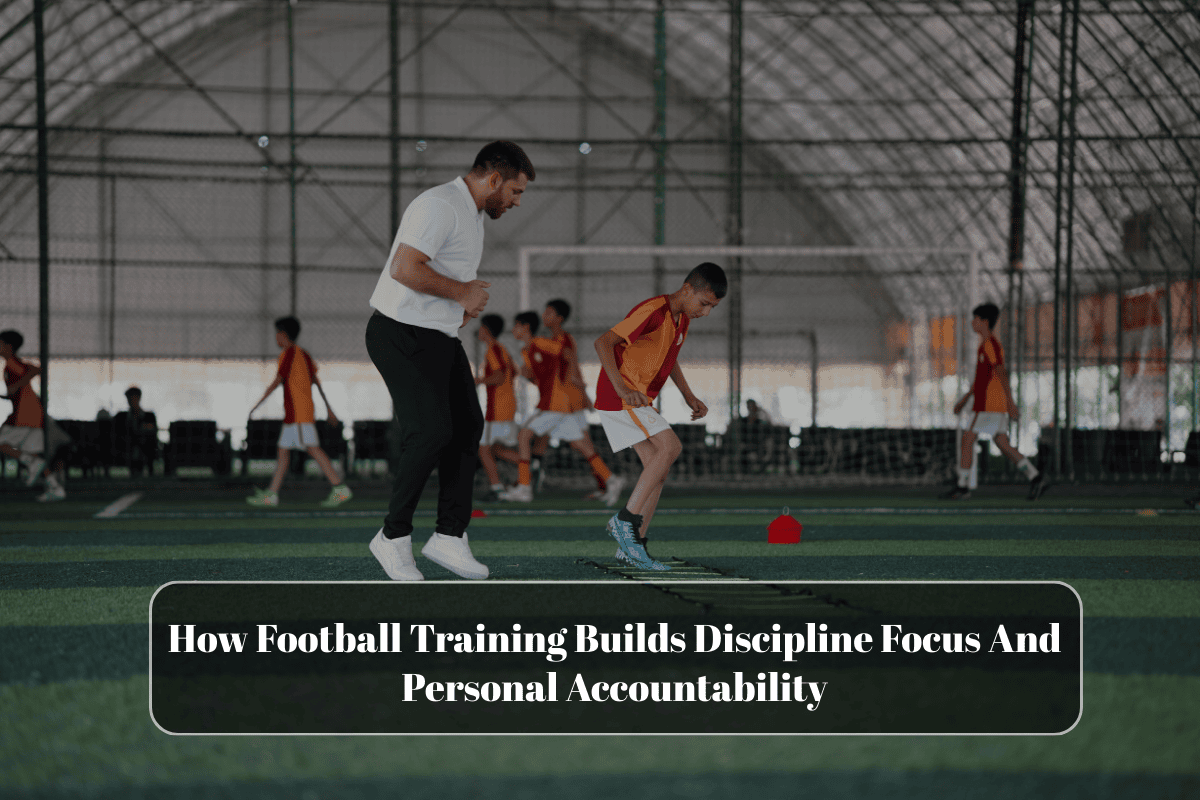
This sense of responsibility fosters professional discipline—consistent training habits, respect for coaches, adherence to tactical instructions, and a commitment to team goals. Over time, discipline becomes ingrained in the player’s identity.
Communication and Team Influence
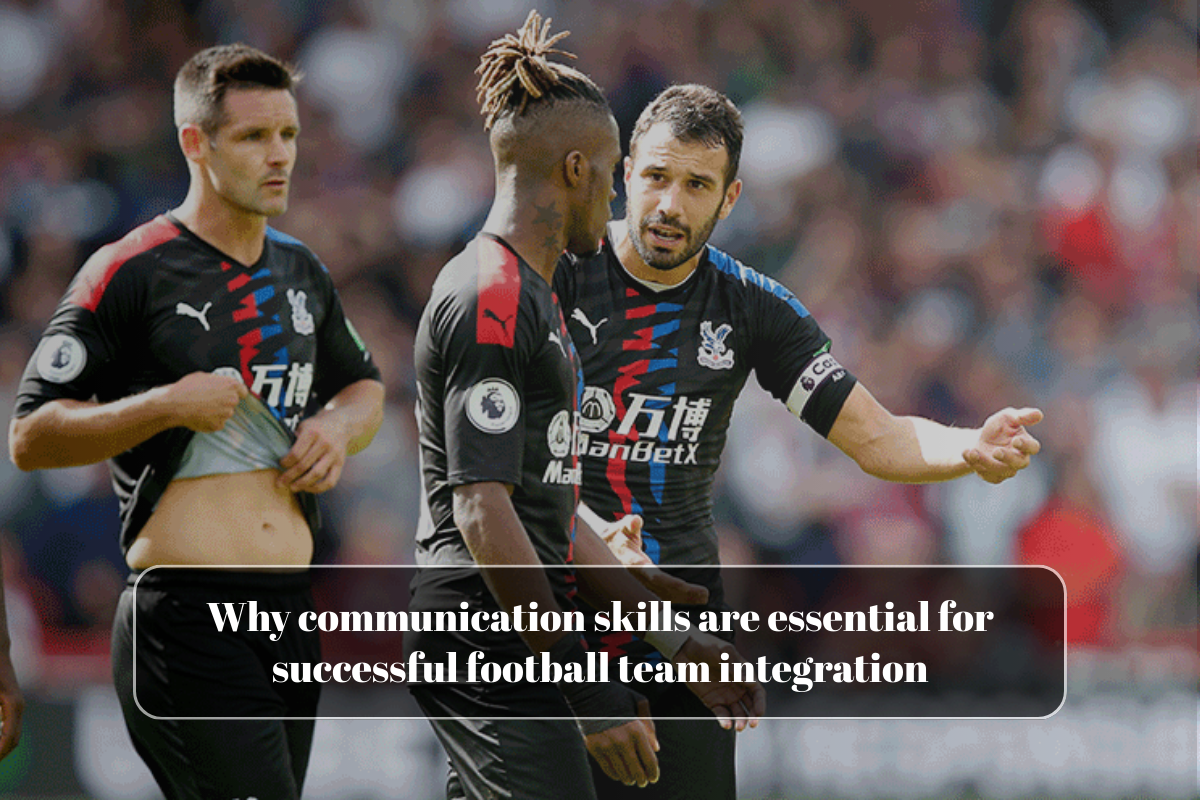
Effective communication is a core leadership skill in football. Leaders communicate clearly with teammates, offer constructive feedback, and help organize play on the field. This improves team cohesion and reduces confusion during high-pressure situations.
Strong communicators also understand emotional intelligence—knowing when to encourage, when to challenge, and when to listen. These interpersonal skills shape footballers into influential team figures rather than isolated talents.
Decision-Making Under Pressure
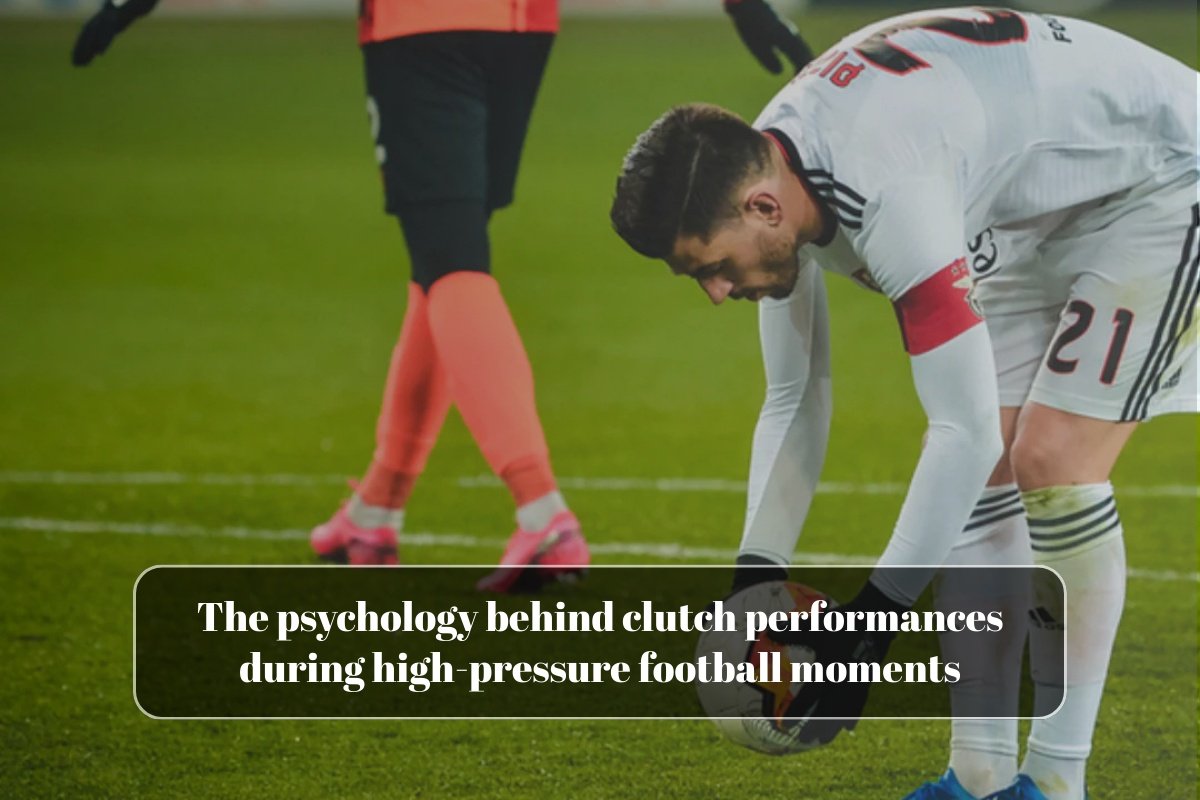
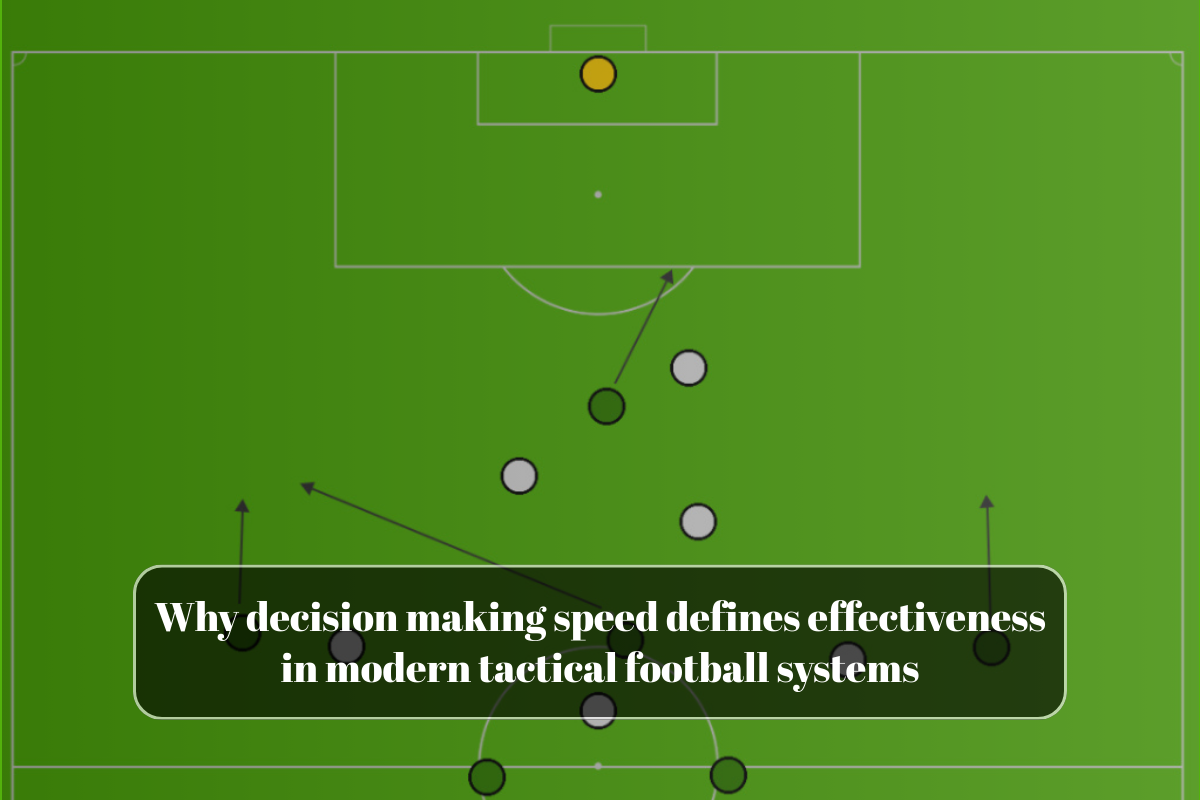
Matches are often decided by moments requiring quick judgment. Leadership qualities sharpen decision-making by promoting calmness, awareness, and responsibility.
Leaders assess situations clearly, choose the right option under pressure, and accept the outcome of their decisions. This ability enhances game intelligence and helps players become trusted decision-makers within the team.
Role Modeling and Cultural Impact
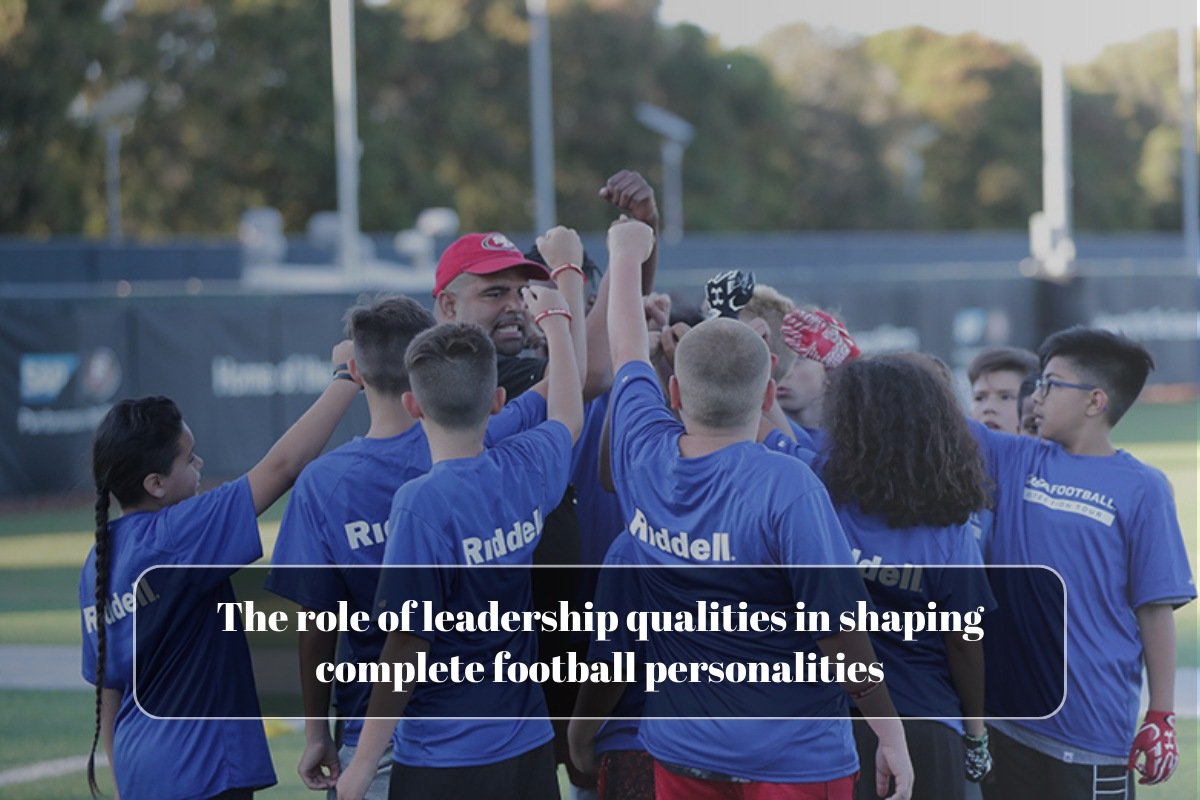
Footballers with leadership qualities act as role models, especially for younger players. Their attitude toward training, officials, opponents, and fans influences team culture.
By demonstrating respect, humility, and professionalism, leaders help build positive environments that support collective success. These values extend beyond football, shaping players into respected public figures.
Adaptability and Continuous Growth
Leadership-oriented players embrace learning and adaptation. They respond positively to coaching feedback, adjust to new systems, and support teammates during transitions.
This openness to growth prevents stagnation and allows footballers to evolve with the game. Adaptability is a key trait of complete football personalities who remain relevant across different teams and stages of their careers.
Leadership Beyond the Pitch
True football leadership extends off the field. How players handle media, interact with fans, and contribute to community initiatives reflects their maturity and values.
These off-field behaviors strengthen personal identity and public trust, reinforcing the idea that footballers are not just athletes but ambassadors of the sport.
FAQs
Can leadership qualities be learned, or are they natural traits?
Leadership qualities can be developed through experience, mentorship, and self-awareness, even if some players show natural tendencies early.
Do all footballers need to be leaders to succeed?
Not all players need to lead vocally, but developing leadership traits like responsibility, discipline, and communication improves every player’s effectiveness.
How do coaches help develop leadership in players?
Coaches encourage leadership by assigning responsibility, promoting accountability, and creating environments where players are trusted to make decisions.
Is leadership important for young footballers?
Yes. Early leadership development builds confidence, discipline, and teamwork, shaping stronger long-term personalities.
How does leadership affect team performance?
Strong leadership improves cohesion, decision-making, and resilience, helping teams perform consistently under pressure.