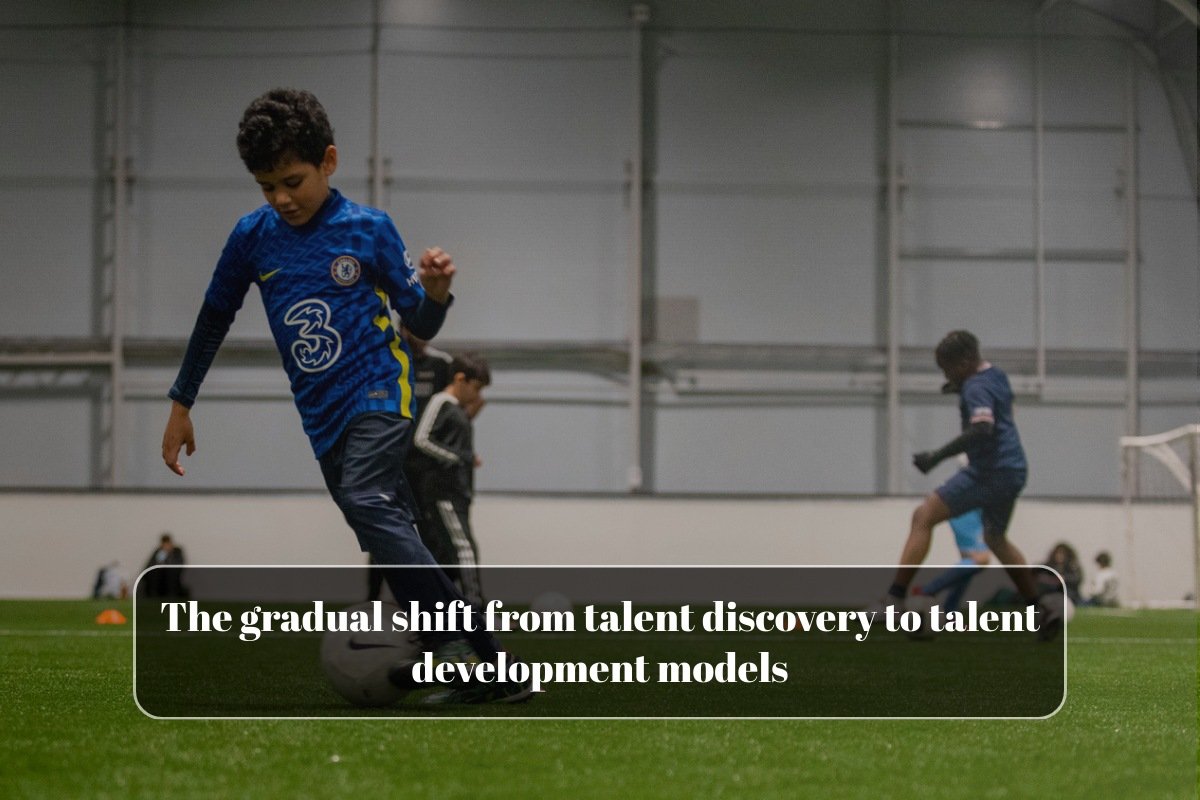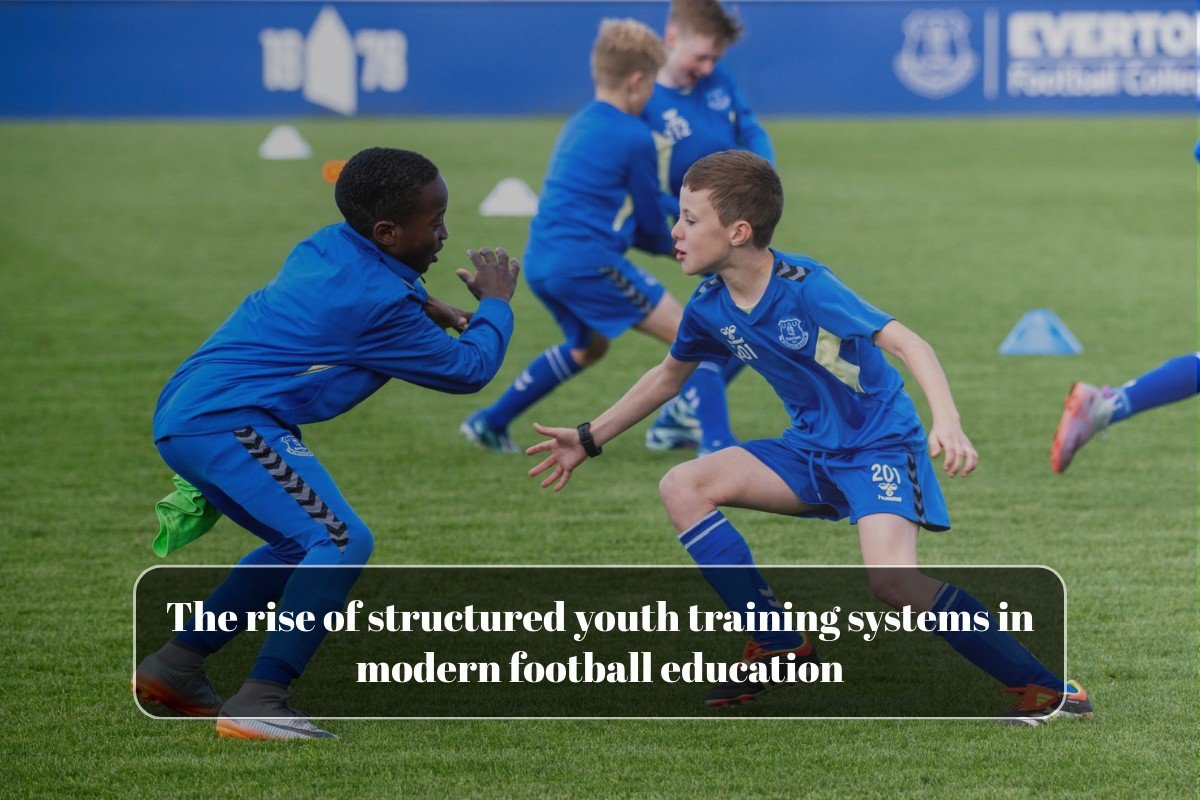
Modern football has undergone a profound transformation in how young players are identified, developed, and educated. Informal street football and unstructured club training, once the primary pathways to elite performance, have increasingly been replaced by structured youth training systems. These systems emphasize long-term development, holistic education, and consistency—reshaping football education worldwide.
From Informal Play to Organized Development
Historically, many great footballers emerged from informal environments where creativity thrived but guidance was limited. As the game became faster, more tactical, and more competitive, clubs and governing bodies recognized that talent alone was no longer enough.
Structured youth training systems emerged to provide clear developmental pathways. These systems introduce age-appropriate coaching, defined learning objectives, and progressive skill development, ensuring young players build strong foundations rather than relying on raw ability.
The Influence of Football Governing Bodies
International and regional football authorities have played a major role in standardizing youth development. Organizations such as FIFA and UEFA have introduced development frameworks, coaching licenses, and youth competition structures that prioritize education over early results.
These initiatives encourage clubs to focus on technical mastery, tactical understanding, and player welfare, reducing the risks of burnout and uneven development.
Academy-Based Training Models
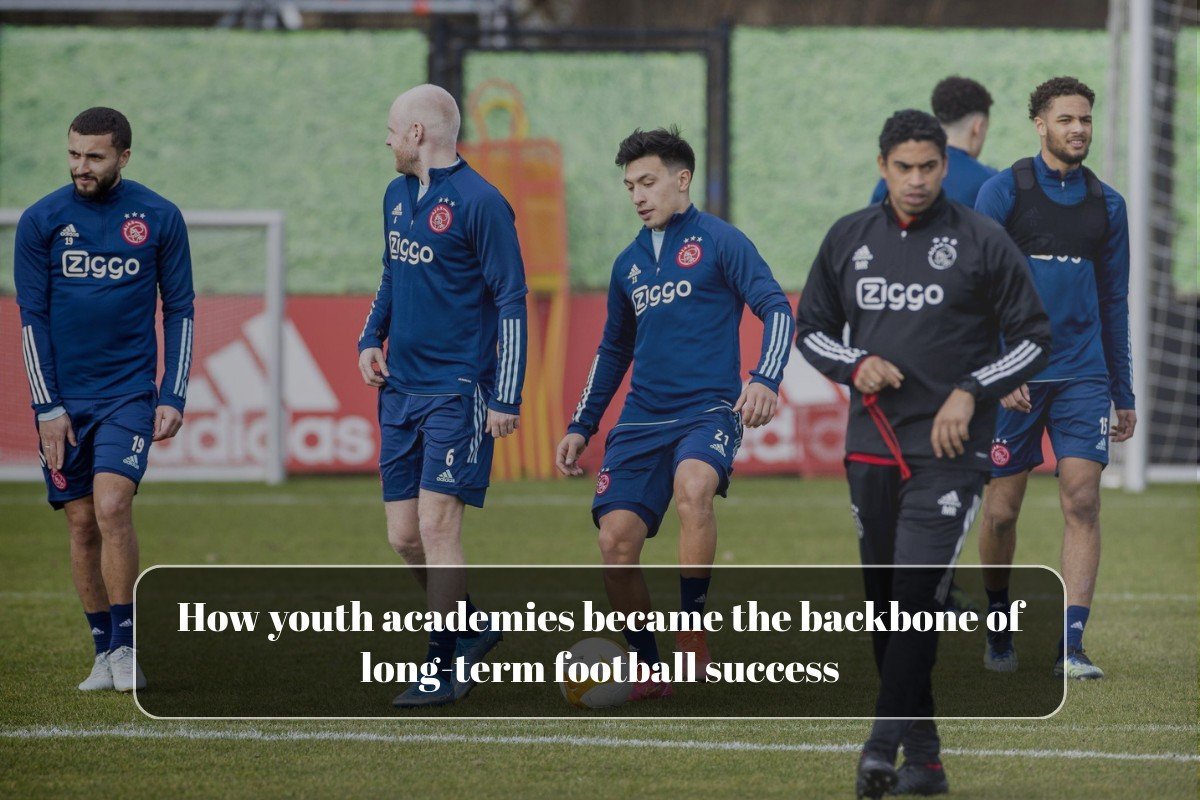
Football academies are now central to youth education. Elite clubs operate structured programs that integrate football training with formal education, sports science, and personal development.
Renowned academies such as La Masia have demonstrated the effectiveness of consistent methodology, identity-based coaching, and patience. Players are taught not only how to play, but how to think, adapt, and collaborate within a defined playing philosophy.
Age-Specific and Long-Term Development Planning
One defining feature of structured youth systems is long-term planning. Training is designed around biological and psychological development rather than short-term competition outcomes.
Key principles include:
- Emphasis on technical skills at younger ages
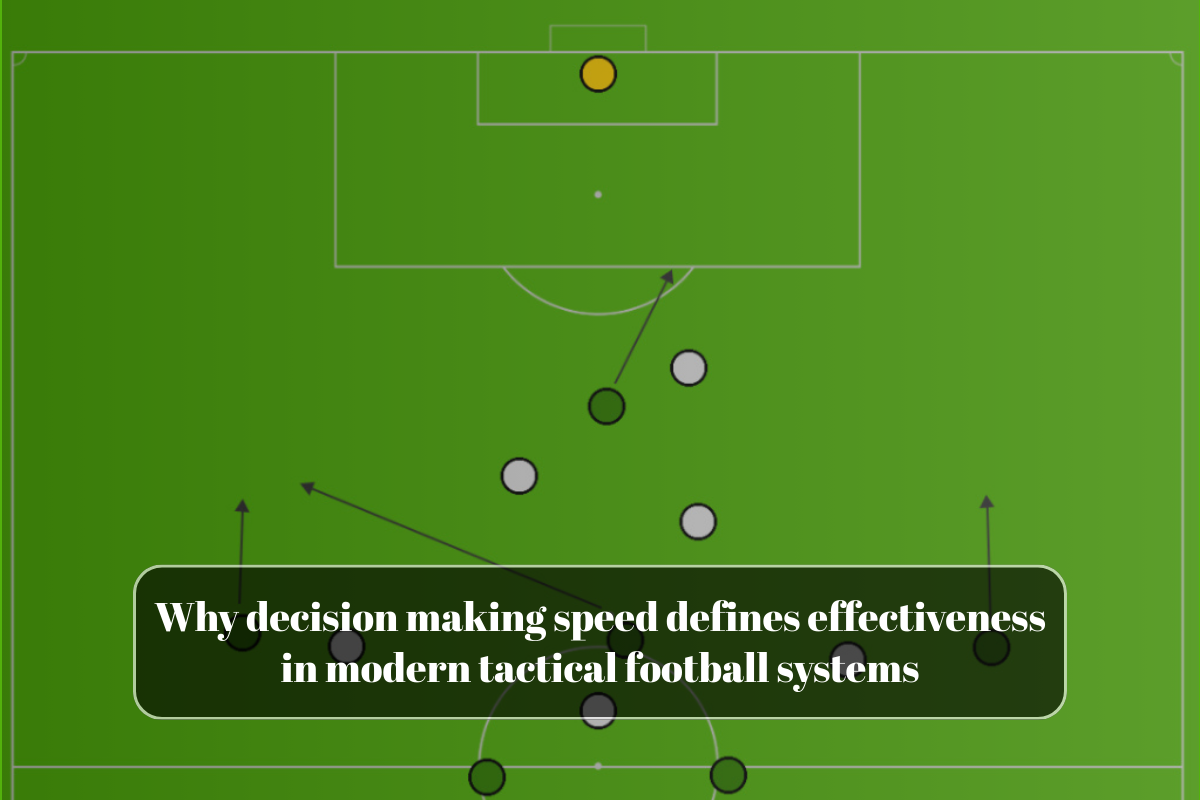
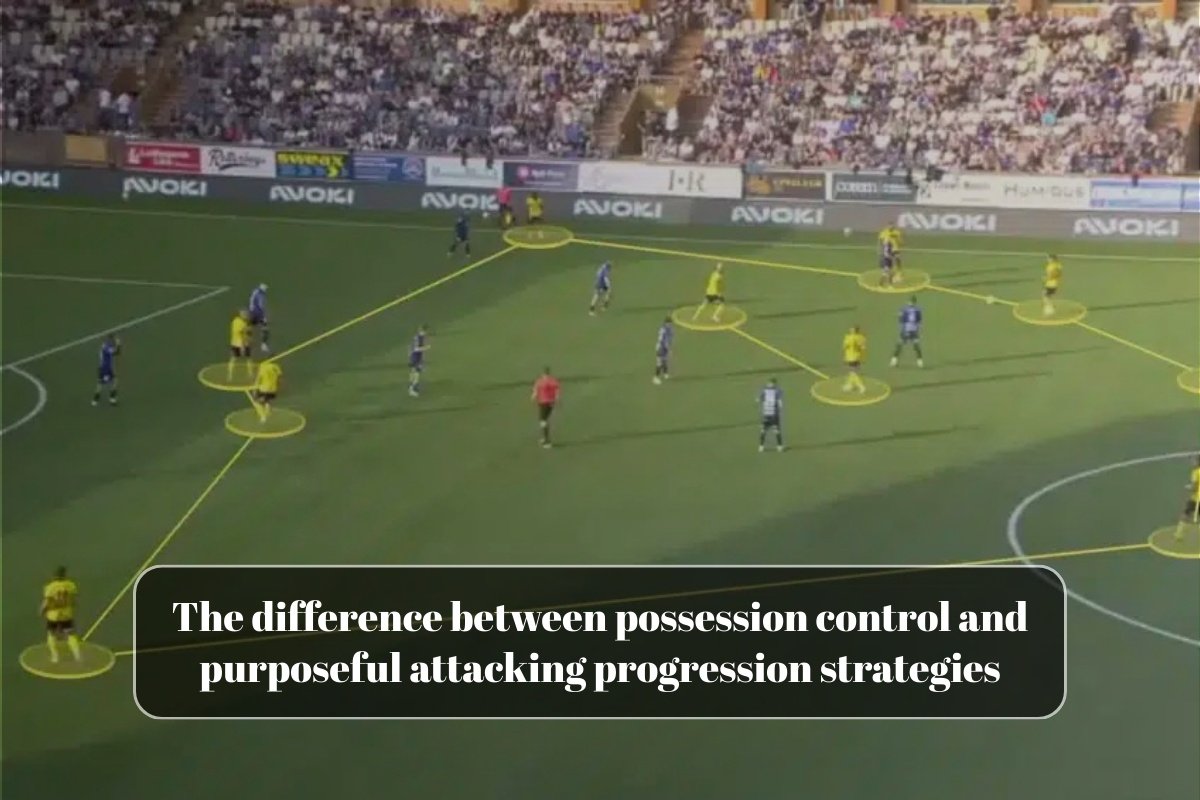
- Gradual introduction of tactical complexity
- Physical conditioning aligned with growth stages
This approach reduces injury risk and supports sustainable progression from grassroots to professional levels.
Integration of Sports Science and Technology
Modern youth training systems are supported by sports science, data analysis, and performance monitoring. Load management, nutrition guidance, and injury prevention strategies are now standard components of elite youth education.
Technology helps coaches individualize training while maintaining structure, ensuring players develop safely and efficiently.
Focus on Psychological and Social Development
Structured football education increasingly recognizes the importance of mental and emotional growth. Young players are taught discipline, resilience, teamwork, and communication—skills essential both on and off the pitch.
Many academies include psychological support, mentorship, and life-skills education, preparing players for the pressures of professional football and alternative career paths.
Balancing Structure and Creativity
A common concern is that structure may limit creativity. Modern systems address this by designing environments where creativity is encouraged within clear frameworks. Small-sided games, problem-solving exercises, and guided freedom allow players to express individuality while understanding team principles.
This balance produces adaptable footballers capable of thriving in different tactical systems and cultures.
Global Expansion of Structured Youth Systems
Structured youth training is no longer confined to Europe. Academies and development programs are expanding across Africa, Asia, and the Americas, supported by international partnerships and knowledge sharing.
This global spread is raising overall football standards and creating more equitable access to professional pathways.
FAQs
Why have structured youth training systems become so important?
Because modern football demands tactical awareness, physical readiness, and mental resilience that require systematic, long-term development.
Do structured systems limit creativity in young players?
When designed well, they balance structure with freedom, allowing creativity to develop within supportive frameworks.
At what age do structured training systems usually begin?
Many programs begin basic structured training between ages 6–9, with increasing specialization as players mature.
Are academies only for elite players?
No. Many structured systems exist at grassroots and community levels, focusing on education and participation, not just elite outcomes.
How do these systems benefit players who don’t turn professional?
They provide life skills, discipline, education, and personal development that support success beyond football.