Football’s journey from informal street games to one of the most structured and influential global sports is a story of social change, standardisation, and mass participation. What began as loosely organised play in villages and city streets evolved into a worldwide system of leagues, tournaments, and governing bodies that now connects billions of people across cultures and continents.
Origins in Informal and Community Play
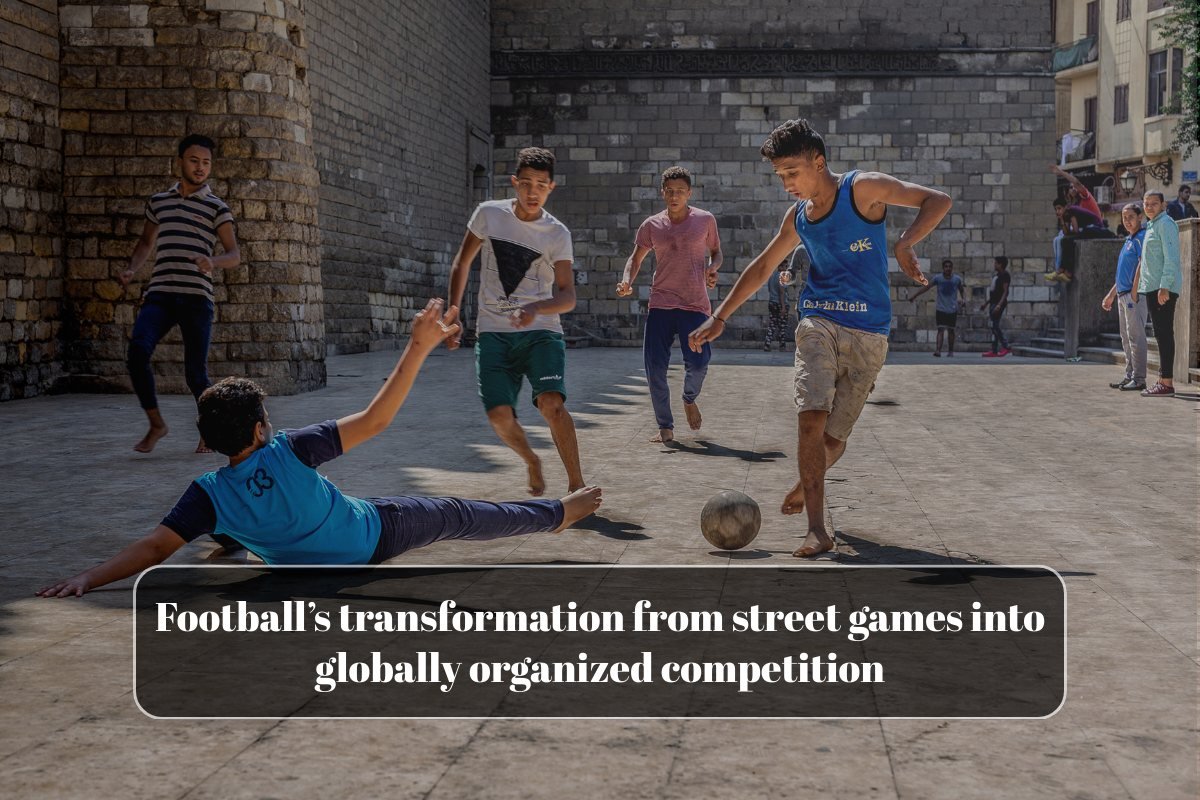
Early forms of football were largely unregulated and deeply local. Games were played in streets, fields, and town squares, often with few rules and unlimited participants. These matches were shaped by local customs rather than written laws, with objectives ranging from moving a ball between landmarks to asserting community pride.
Street football emphasized creativity, physical resilience, and adaptability. Without referees or formal boundaries, players negotiated rules on the fly. This grassroots foundation embedded football deeply within working-class communities and made it accessible regardless of wealth or social status.
The Need for Structure and Rules
As football’s popularity grew during the Industrial Revolution, especially in Britain, the lack of standard rules became a problem. Different schools, factories, and regions played by different codes, making organised competition difficult.
The formation of The Football Association in 1863 marked a turning point. By codifying rules—such as pitch dimensions, number of players, and basic fouls—football began its transition from informal play to organised sport. Standardisation allowed teams from different areas to compete fairly, accelerating the game’s spread.
Expansion Through Clubs and Leagues
With clear rules in place, football clubs began forming rapidly. These clubs provided structure, identity, and continuity, transforming football into a regular competitive activity rather than an occasional pastime.
Domestic leagues followed, introducing schedules, standings, and promotion systems. Football grounds replaced streets, and spectators became a central part of the experience. This era laid the foundations for professional football, as players began training regularly and competing for wages.
Professionalisation and Global Spread
Professional football further accelerated the game’s organisation. Training methods improved, tactics became more sophisticated, and officiating became more consistent. Football was no longer just played—it was managed, coached, and analysed.
As trade, migration, and colonial connections expanded, football spread beyond Europe. South America, Africa, and Asia adapted the game to local cultures while maintaining shared rules. The establishment of FIFA in 1904 unified national associations under a global framework, formalising international competition.
International Tournaments and Mass Media
The introduction of international tournaments transformed football into a global spectacle. Events like the World Cup created shared moments that transcended borders and language. Media coverage—first through newspapers and radio, later television and digital platforms—brought organised football into homes worldwide.
This exposure reinforced football’s structure. Scheduling, regulations, and governance became increasingly sophisticated to manage global audiences, commercial interests, and competitive integrity.
From Community Roots to Global Industry
Despite its transformation, football has never fully lost its street origins. Informal play remains a vital entry point for millions of players worldwide. The skills, creativity, and passion developed in streets and small pitches continue to influence elite football today.
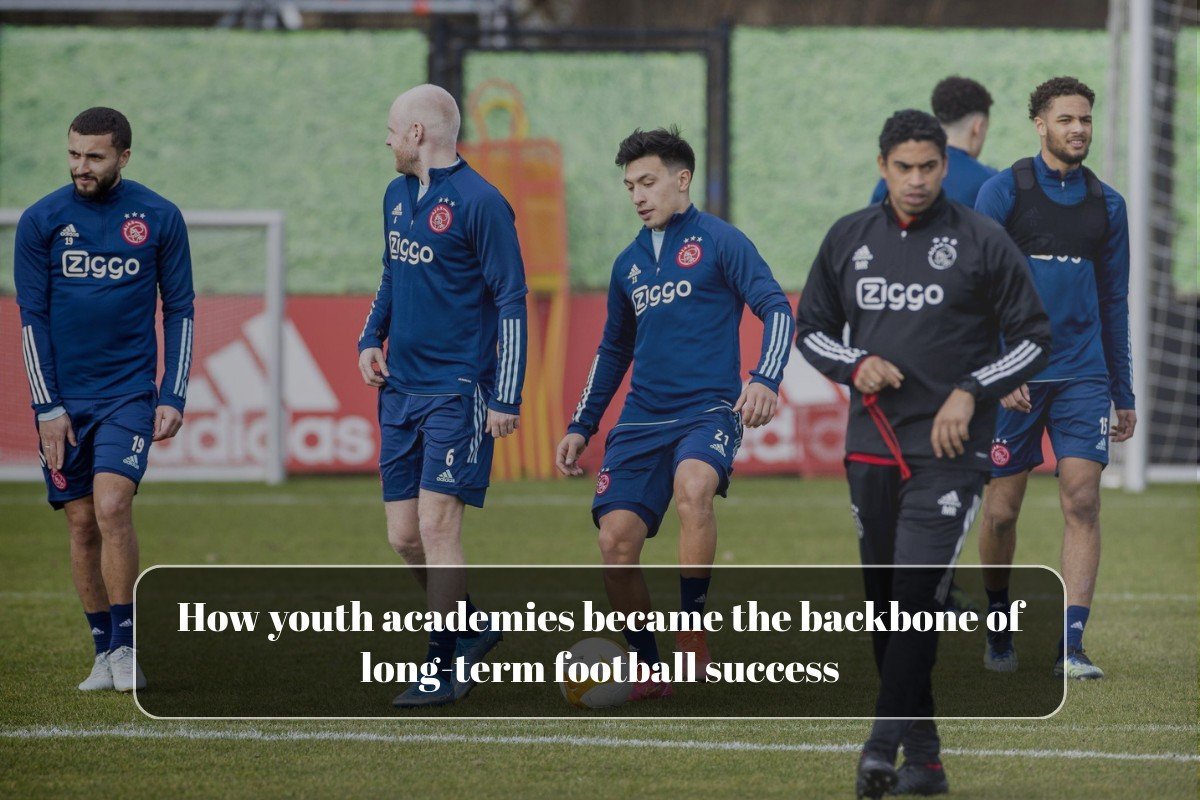
What has changed is scale. Football is now a global industry with professional academies, data-driven performance systems, and complex governance. Yet its universal appeal still rests on simplicity: a ball, shared rules, and the joy of play.
Balancing Organisation With Accessibility
Football’s evolution highlights a key tension—maintaining structure without losing accessibility. Organised competition brought fairness, safety, and global connection, but its success depends on preserving pathways from informal play to formal systems.
The game’s enduring strength lies in this balance. From streets to stadiums, football remains a shared language, shaped by both its humble beginnings and its highly organised present.
FAQs
How did football originally begin?
Football began as informal street and village games with few rules, shaped by local traditions and community play.
Why was standardisation important for football’s growth?
Standard rules allowed teams from different regions to compete fairly, enabling leagues, tournaments, and wider participation.
What role did clubs play in football’s transformation?
Clubs provided structure, identity, and continuity, helping football evolve into a regular, organised sport.
How did football become a global game?
Migration, trade, colonial links, and international governance helped spread football worldwide under shared rules.
Has football lost its street roots?
No. Informal play remains central to football culture and player development, even within today’s highly organised global system.