Modern football rewards players who think as sharply as they play. Physical talent and tactical coaching remain essential, but self-analysis has become one of the most powerful tools for accelerating individual performance growth. By consciously reflecting on actions, decisions, and outcomes, football players gain deeper awareness of their strengths, limitations, and development needs—allowing improvement to happen faster and more sustainably.
Turning Experience Into Learning
Every training session and match provides valuable information, but without reflection, much of that learning is lost. Self-analysis helps players convert raw experience into usable insight. Instead of simply moving on after a game, reflective players ask meaningful questions: What worked? What didn’t? Why did certain moments succeed or fail?
This process transforms mistakes into learning opportunities and reinforces positive behaviors. Players who consistently analyze their performances tend to improve more rapidly because they extract lessons from every situation rather than repeating patterns unconsciously.
Improving Decision-Making Under Pressure
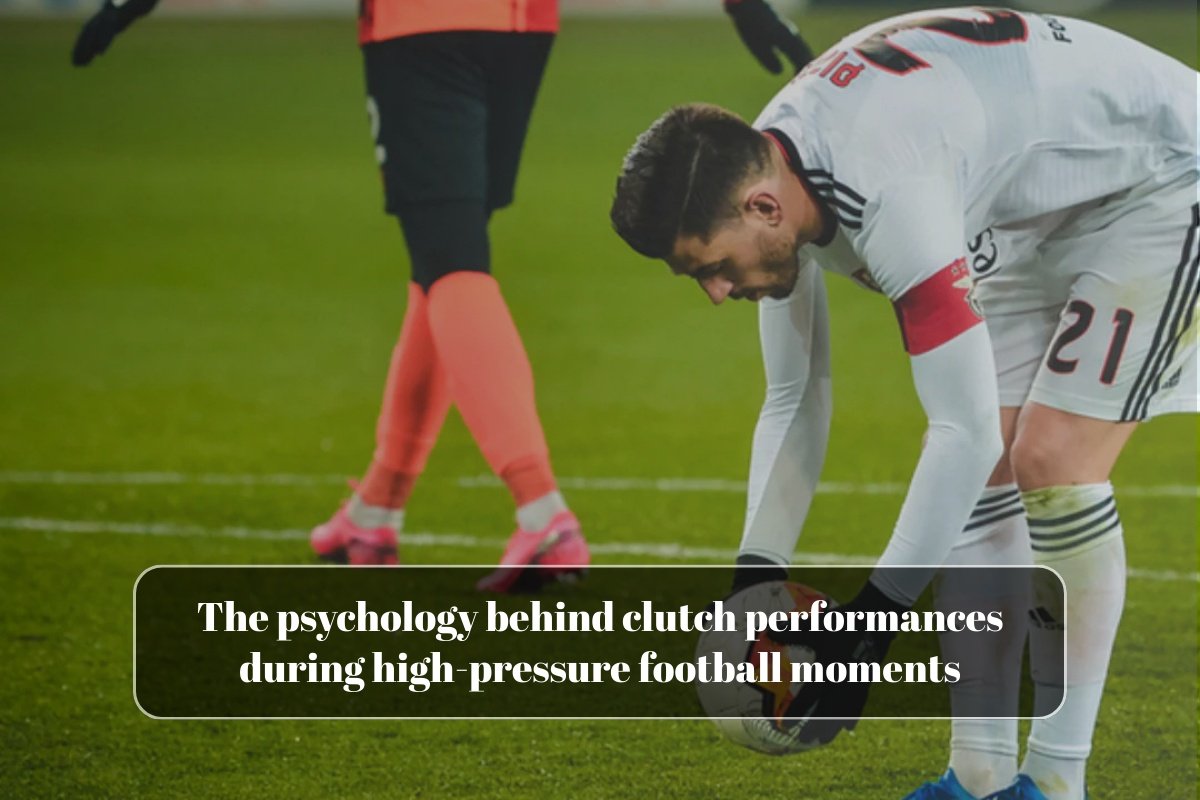
Football is a game of constant decision-making—when to pass, shoot, press, or hold position. Self-analysis sharpens these decisions by helping players review choices made under pressure and understand their consequences.
By reflecting on key moments, players identify decision-making patterns and adjust them over time. This leads to faster, more confident choices on the pitch, especially in high-pressure situations where instinct and awareness must work together.
Enhancing Tactical Understanding
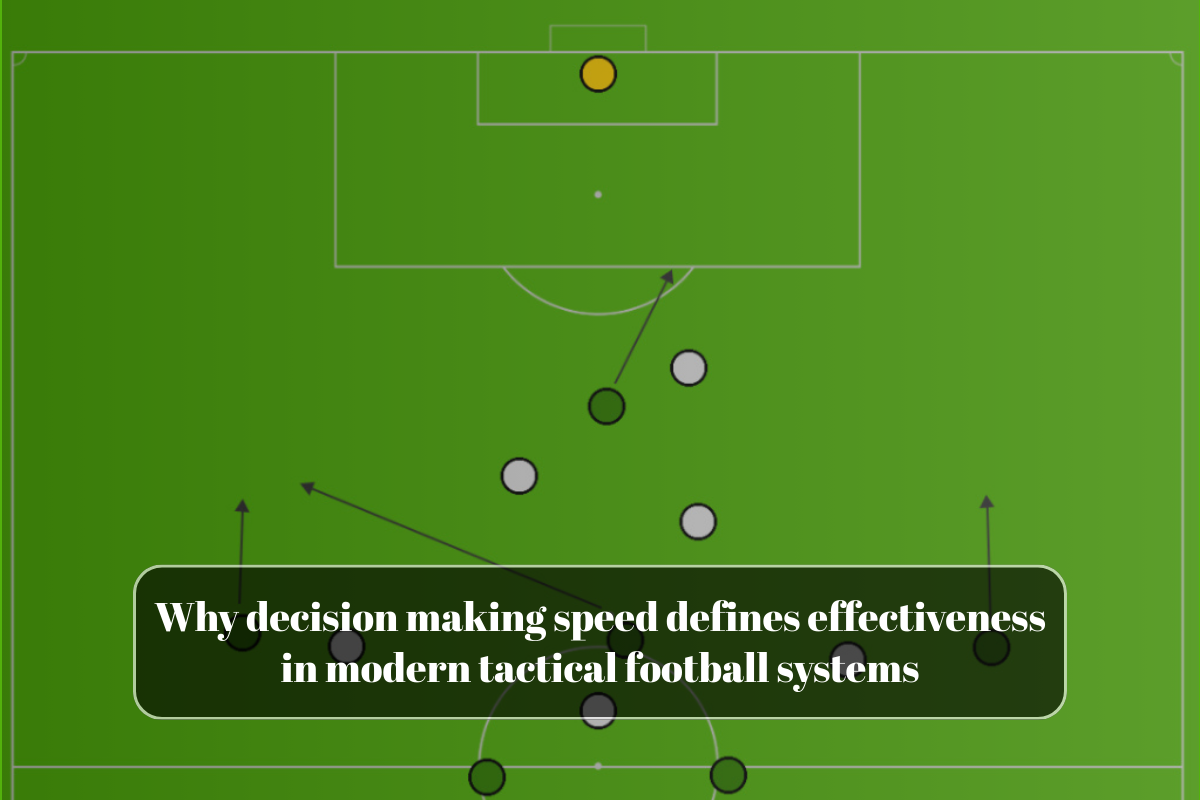
Self-analysis deepens a player’s understanding of tactics and positioning. Reviewing personal movement relative to teammates, opponents, and space helps players see the game more holistically.
This awareness improves positional discipline, timing, and off-the-ball movement. Players who analyze their role within the team structure become more tactically reliable and adaptable, making them valuable in different systems and game scenarios.
Accelerating Technical Refinement
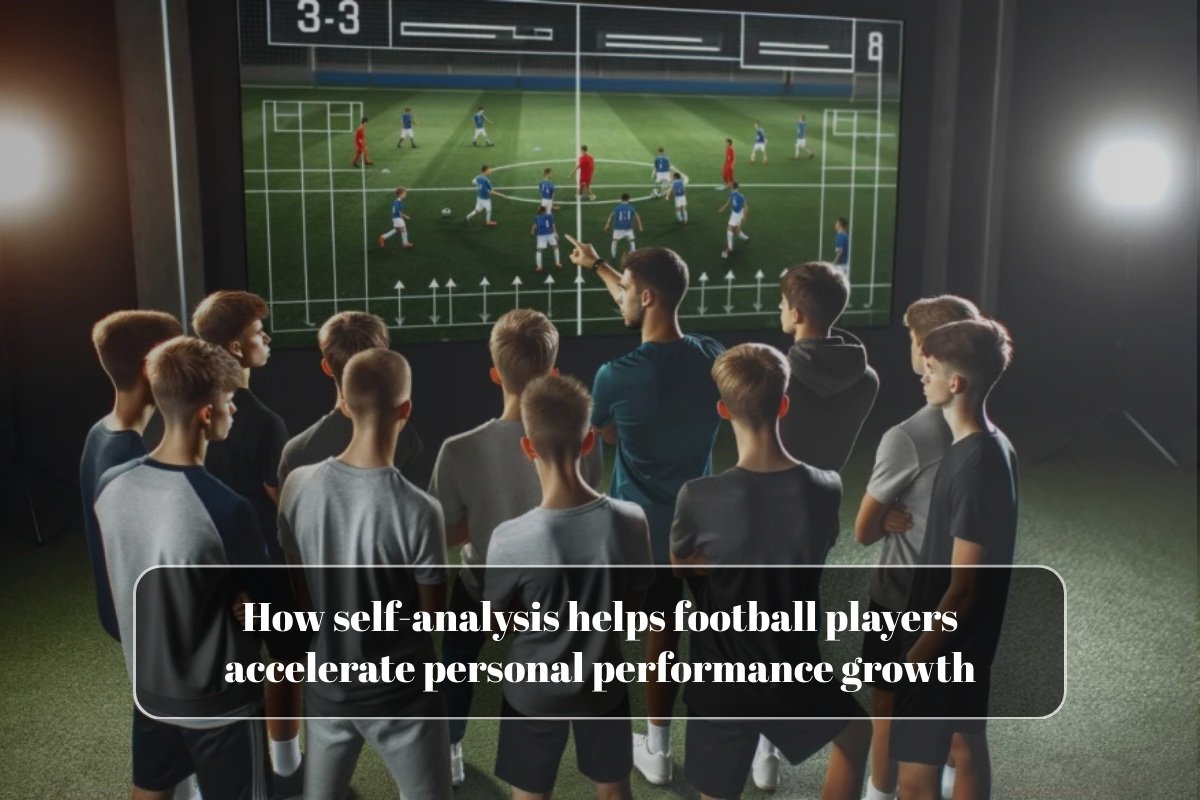
Technical growth benefits greatly from self-analysis. Watching footage or mentally reviewing actions highlights subtle technical details—body positioning, first touch, balance, or shooting technique—that are difficult to notice in real time.
By identifying specific technical habits, players can focus training more precisely. Instead of general practice, they target exact adjustments, accelerating skill refinement and reducing inefficient repetition.
Building Accountability and Ownership
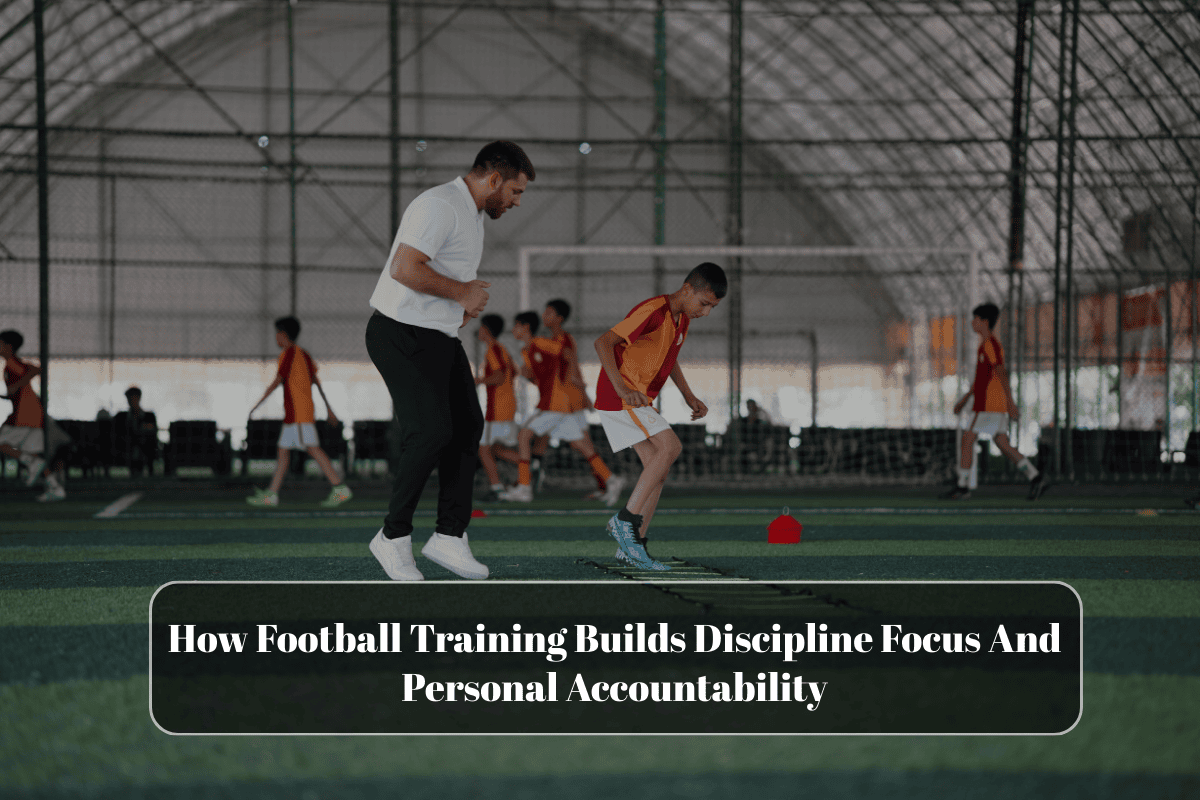
Self-analysis encourages personal responsibility for performance. Rather than relying solely on coaches for feedback, players become active participants in their own development.
This ownership mindset fosters consistency and resilience. Players who self-analyze are more likely to take initiative, stay motivated during setbacks, and maintain focus on long-term improvement rather than short-term outcomes.
Strengthening Mental Resilience and Confidence
Reflection is not only about correcting weaknesses—it also reinforces confidence. Recognizing successful actions and progress builds self-belief, which is essential for performance consistency.
Self-analysis also helps players manage emotional responses to poor performances. Instead of dwelling on frustration or self-criticism, reflective players break down issues objectively, reducing anxiety and improving mental resilience.
Aligning Individual Goals With Team Success
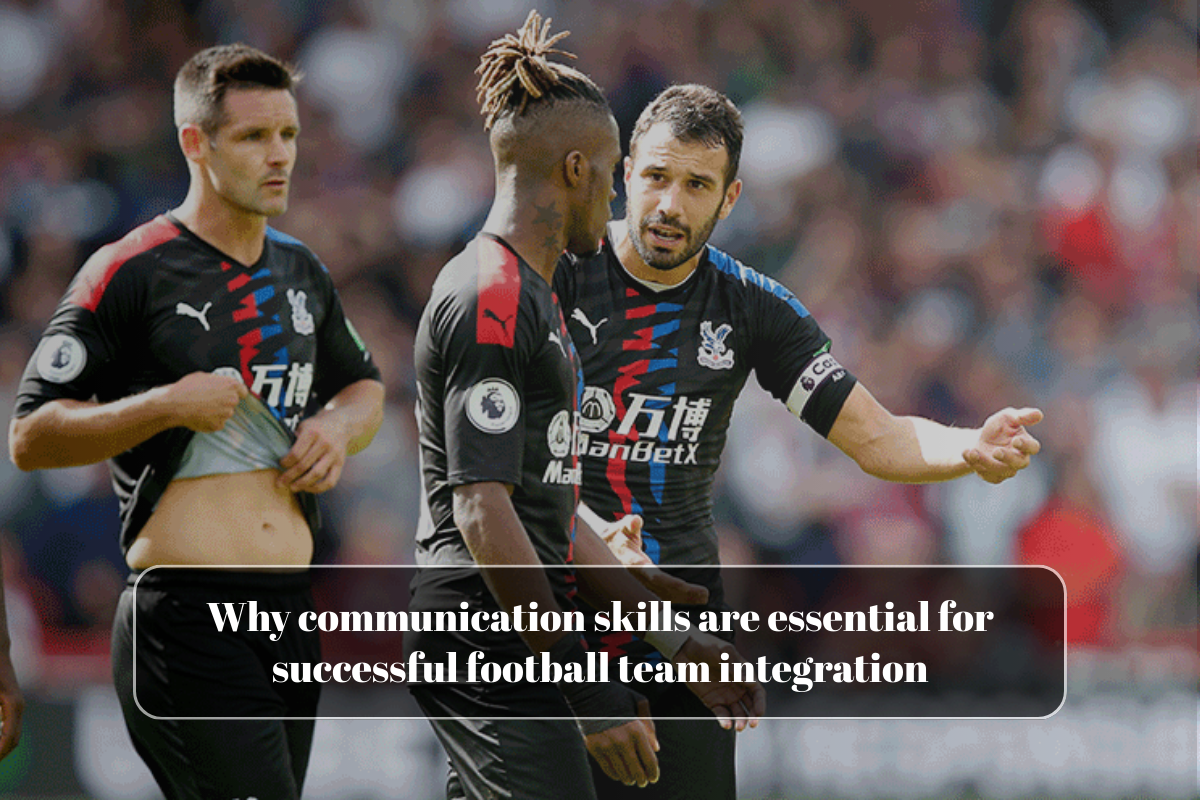
Effective self-analysis considers both individual contribution and team impact. Players learn how their actions affect collective performance, encouraging smarter decisions that support team objectives.
This alignment improves communication, trust, and cohesion. Coaches value players who understand their role deeply and adjust their behavior to benefit the team as a whole.
Creating Continuous Improvement Habits
Perhaps the greatest benefit of self-analysis is consistency. When reflection becomes a habit, improvement becomes continuous rather than reactive. Players no longer wait for major setbacks or praise to adjust—they evolve steadily through ongoing self-awareness.
Over time, this habit compounds, separating good players from exceptional ones.
FAQs
What is self-analysis in football?
It is the process of reflecting on personal performance to understand decisions, actions, and outcomes in order to improve.
How often should players self-analyze?
Regularly—after matches, key training sessions, or specific performance moments.
Does self-analysis replace coaching feedback?
No. It complements coaching by helping players internalize and apply feedback more effectively.
Can young players benefit from self-analysis?
Yes. Age-appropriate reflection builds awareness, accountability, and learning habits early.
What tools help with self-analysis?
Match footage, performance notes, goal-setting journals, and guided reflection questions are commonly used.