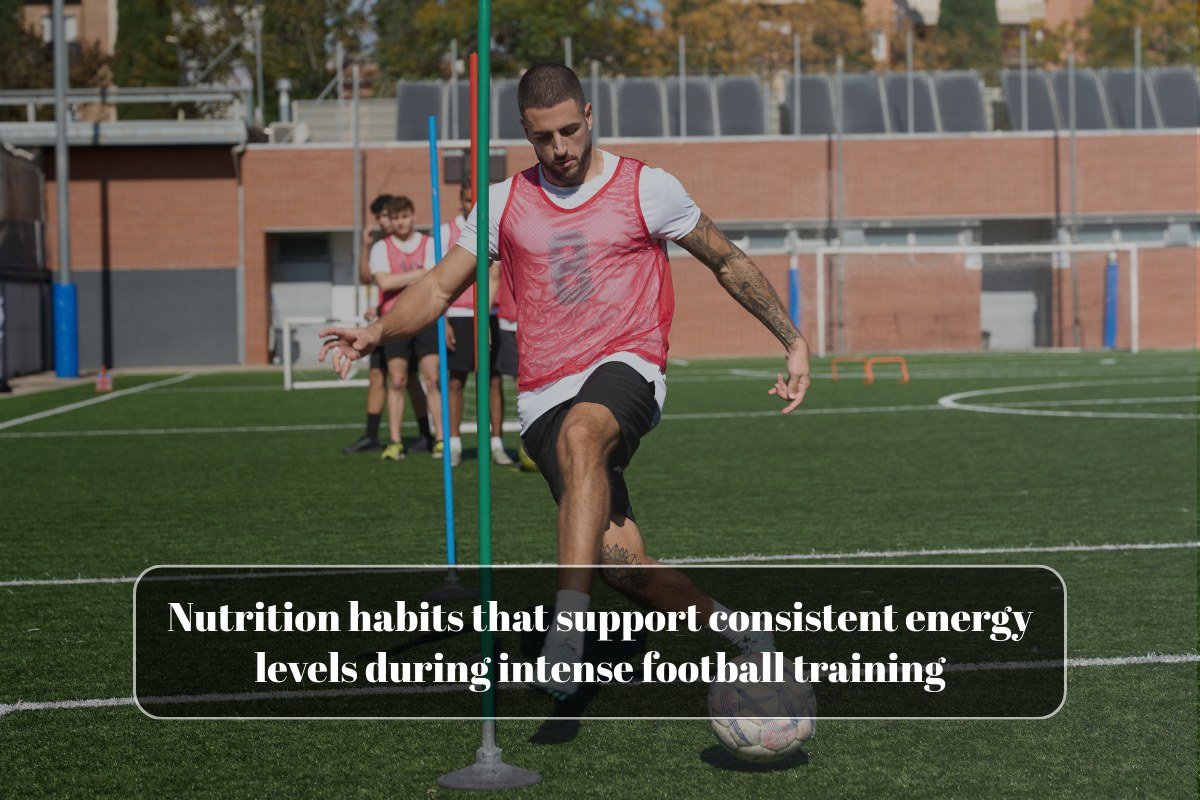
Intense football training places heavy demands on the body. Repeated sprints, strength work, tactical drills, and recovery sessions all rely on sustained energy, sharp focus, and efficient muscle repair.
While training quality matters, nutrition habits are often the deciding factor between consistent performance and chronic fatigue. Building the right eating patterns helps footballers maintain stable energy levels throughout training sessions and across demanding seasons.
Prioritizing Balanced Macronutrients
Consistent energy starts with balanced intake of carbohydrates, proteins, and fats. Carbohydrates are the primary fuel for high-intensity football activity, powering explosive movements and endurance. Whole grains, fruits, vegetables, and starchy foods like rice or potatoes provide steady energy rather than short-lived spikes.
Protein supports muscle repair and adaptation, while healthy fats contribute to long-term energy and hormonal balance. Skipping or heavily restricting any of these macronutrients can lead to early fatigue and reduced training quality.
Timing Meals for Performance and Recovery
When food is eaten is almost as important as what is eaten. Consuming a carbohydrate-rich meal two to three hours before training ensures muscles are adequately fueled. Including moderate protein helps stabilize blood sugar and prevent energy crashes.
After training, a combination of carbohydrates and protein within an hour supports glycogen replenishment and muscle recovery. Consistent meal timing trains the body to expect fuel, helping maintain energy levels throughout the day.
Hydration as an Energy Foundation
Even mild dehydration can significantly impair performance, concentration, and endurance. Football training involves high sweat loss, especially in warm conditions, making hydration a daily priority. Water should be consumed regularly throughout the day, not just during training. Including electrolytes during long or intense sessions helps replace sodium lost through sweat, supporting muscle function and sustained energy output.
Choosing Nutrient-Dense Foods
Energy consistency depends on food quality as much as quantity. Nutrient-dense foods provide vitamins and minerals essential for energy metabolism, oxygen transport, and muscle function. Iron, magnesium, B vitamins, and potassium play key roles in reducing fatigue and supporting endurance. Lean proteins, colorful vegetables, fruits, nuts, seeds, and whole grains help meet these micronutrient needs, while overly processed foods often deliver calories without lasting energy.
Managing Energy Dips During Long Training Days
Footballers often face double sessions or long training days that challenge energy balance. Strategic snacks can prevent mid-day slumps. Easily digestible options such as yogurt with fruit, smoothies, nut butter with whole-grain bread, or trail mix provide quick fuel without heaviness. These small but frequent energy boosts help maintain intensity across sessions without overwhelming digestion.
Supporting Energy Through Recovery Nutrition
Recovery nutrition directly affects next-day energy levels. Inadequate post-training fueling leads to incomplete muscle repair and low glycogen stores, resulting in fatigue during subsequent sessions. Adequate protein intake throughout the day supports muscle rebuilding, while carbohydrates restore fuel reserves. Including anti-inflammatory foods such as berries, fatty fish, and leafy greens can further support recovery and reduce cumulative fatigue.
Consistency Over Perfection
Sustainable energy comes from consistent habits rather than extreme diets or short-term strategies. Regular meals, adequate hydration, and balanced nutrition build a reliable foundation for performance. Sudden dietary changes, excessive restriction, or reliance on supplements instead of whole foods often disrupt energy balance. Footballers who maintain simple, repeatable nutrition routines are more likely to train hard, recover well, and perform consistently.
Fueling the Demands of the Game
Football is a sport of repeated intensity, decision-making, and physical resilience. Nutrition habits that support consistent energy allow players to train with purpose and adapt to physical demands over time. By fueling the body strategically and consistently, footballers can reduce fatigue, improve training quality, and protect long-term performance.
FAQs
Why are carbohydrates important for football training?
Carbohydrates provide the primary fuel for high-intensity efforts, supporting sprinting, endurance, and repeated explosive movements.
How often should footballers eat during heavy training periods?
Regular meals every three to four hours, with strategic snacks as needed, help maintain stable energy levels.
Does hydration really affect energy levels?
Yes, even mild dehydration can reduce endurance, focus, and muscle efficiency during training.
Are supplements necessary for consistent energy?
Most energy needs can be met through whole foods; supplements should only support, not replace, good nutrition habits.
What causes energy crashes during training?
Skipping meals, poor hydration, low carbohydrate intake, or reliance on highly processed foods often lead to sudden drops in energy.