Player development in football has never been static. What began as informal learning on streets and local pitches has evolved into highly structured global systems designed to identify, train, and transition talent from childhood to the professional game.
Several historical milestones fundamentally reshaped how players are developed, shifting pathways from chance-based discovery to intentional, long-term planning. These moments continue to influence how academies, clubs, and national systems operate today.
The Shift From Informal Play to Organized Youth Football
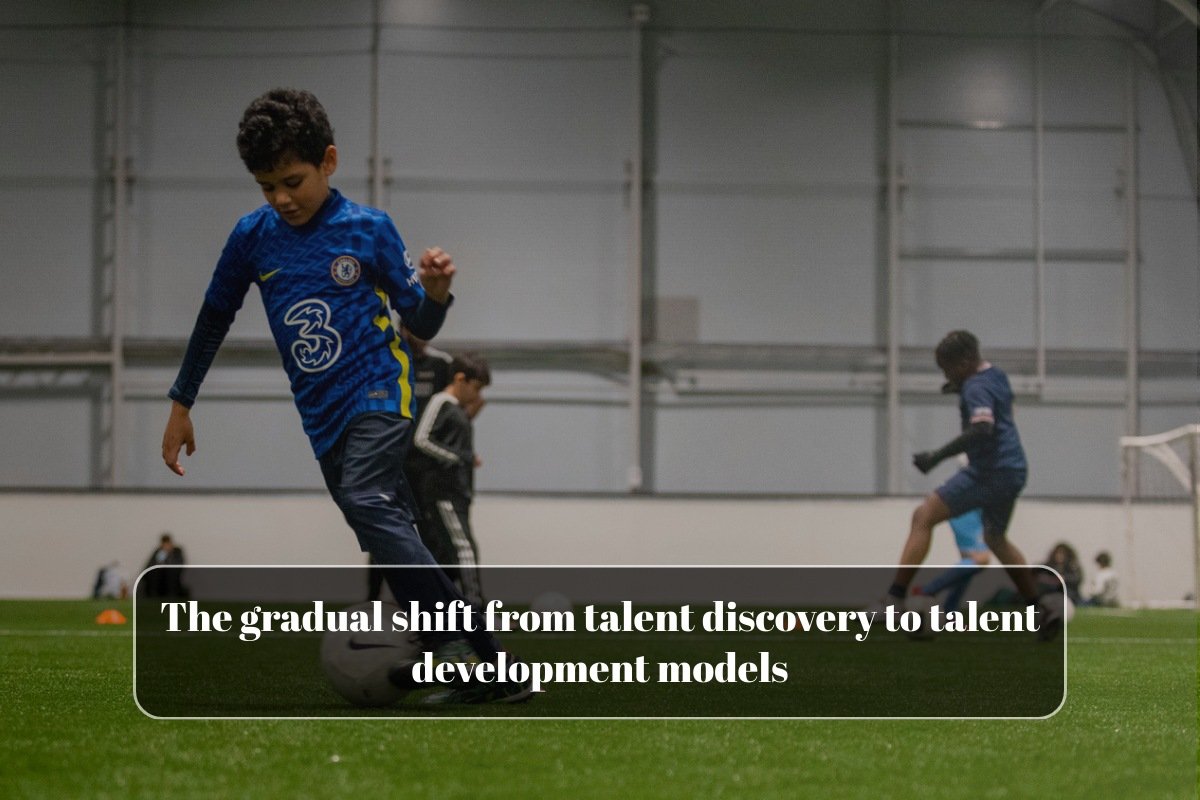
In football’s early history, most players emerged from unstructured environments—street games, school teams, and local clubs. Talent identification relied heavily on observation and opportunity rather than systematic development.
The gradual formation of youth leagues in the early 20th century marked the first major shift, introducing age-group competition and basic coaching structures. This change laid the foundation for viewing player development as a process rather than a coincidence.
The Rise of Professional Club Academies
One of the most influential milestones was the formal establishment of professional club academies. Clubs began investing in youth systems not only to develop players for the first team but also to ensure tactical and cultural continuity. European clubs, particularly in the mid-to-late 20th century, led this shift. Academies evolved from training grounds into educational ecosystems combining technical, physical, and psychological development.
The Influence of Ajax and Total Football
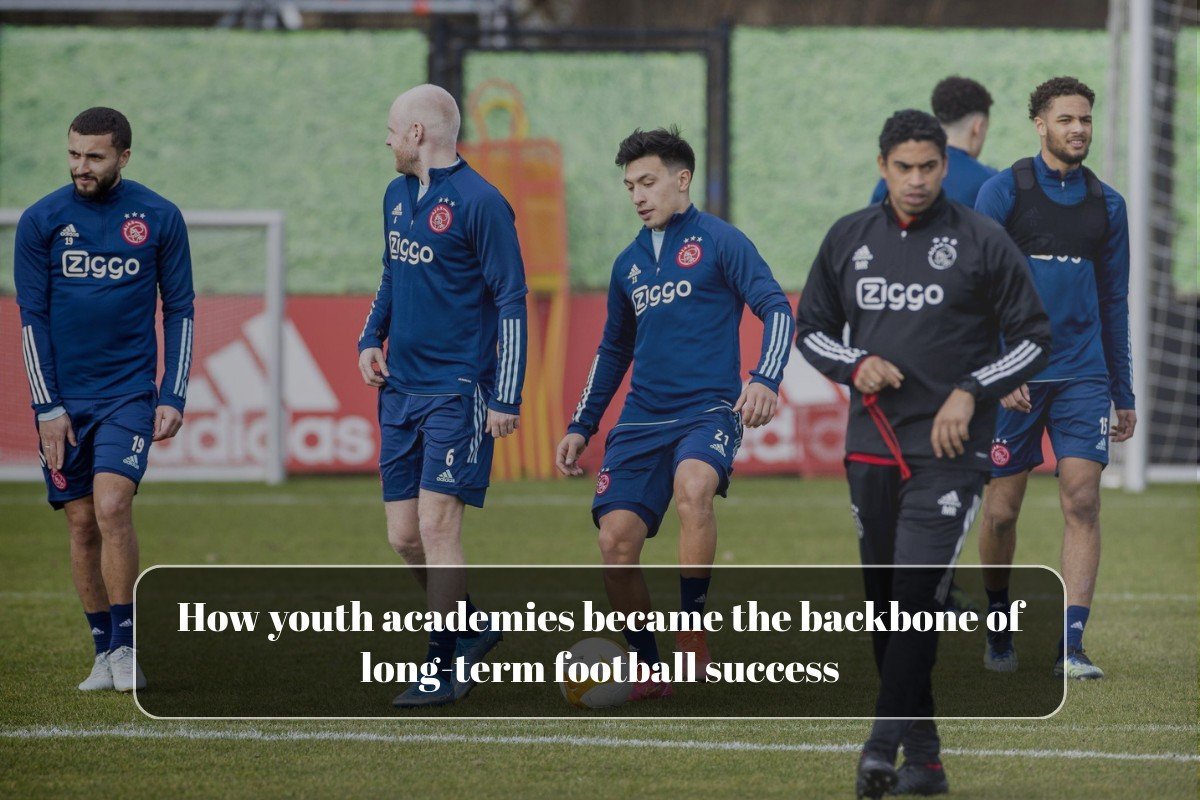
Ajax’s academy philosophy in the 1960s and 1970s revolutionized youth development. By emphasizing technical mastery, positional flexibility, and decision-making, Ajax proved that intelligence and understanding of the game could be taught systematically.
The concept of Total Football reshaped coaching education worldwide and established the idea that development pathways should prioritize long-term skill acquisition over early specialization in rigid roles.
National Training Centers and Centralized Development
Another turning point came with the creation of national training centers designed to complement club development. France’s national academy, often cited as a model, centralized elite youth training while maintaining strong educational standards.
These systems allowed federations to standardize coaching philosophies, monitor talent more effectively, and reduce reliance on socioeconomic factors. Centralized development ensured that elite potential could be nurtured regardless of background.
The Impact of the Bosman Ruling
The 1995 Bosman ruling fundamentally altered football’s labor market—and with it, player development strategies. By allowing players greater freedom of movement at contract expiration, clubs shifted focus toward developing homegrown talent as a sustainable model.
Youth academies became strategic assets rather than secondary programs. This legal milestone indirectly accelerated investment in grassroots development and long-term player pathways.
Globalization and the International Talent Pathway
As football globalized, development pathways expanded beyond national borders. Scouting networks stretched worldwide, and young players increasingly moved across continents in pursuit of professional opportunities.
This milestone reshaped development into a global competition, forcing clubs to refine identification, education, and welfare systems. It also sparked discussions about ethical recruitment and the protection of young athletes.
The FIFA Training Compensation and Solidarity Mechanisms
To protect development systems, FIFA introduced training compensation and solidarity payments. These mechanisms ensured that grassroots clubs received financial recognition when players they developed signed professional contracts or were transferred internationally. This milestone reinforced the value of early-stage development and encouraged clubs at all levels to invest in youth training.
Data, Sports Science, and Modern Pathways
The integration of sports science, performance data, and analytics represents the most recent transformation in player development. Monitoring workload, growth patterns, and injury risk has allowed academies to individualize pathways like never before. Development is now viewed as non-linear, with greater emphasis on long-term athlete health rather than early performance outcomes.
A Lasting Transformation of the Game
Each of these milestones reshaped football’s understanding of how players grow, learn, and succeed. Modern development pathways are the result of decades of evolution—balancing structure with creativity, protection with opportunity, and performance with wellbeing. Together, these historical moments permanently transformed player development from a gamble into a guided journey.
FAQs
Why were early football development pathways unstructured?
Football originally grew as a community sport, with players learning through informal play rather than organized systems.
How did club academies change player development?
Academies introduced long-term training plans, professional coaching, and clear progression routes to first-team football.
What was the significance of the Bosman ruling?
It increased player mobility, pushing clubs to prioritize developing their own talent as a sustainable strategy.
Why are national training centers important?
They standardize coaching quality, reduce inequality, and help federations identify and develop elite talent.
How has modern science changed development pathways?
Sports science and data allow for individualized training, better injury prevention, and healthier long-term careers.