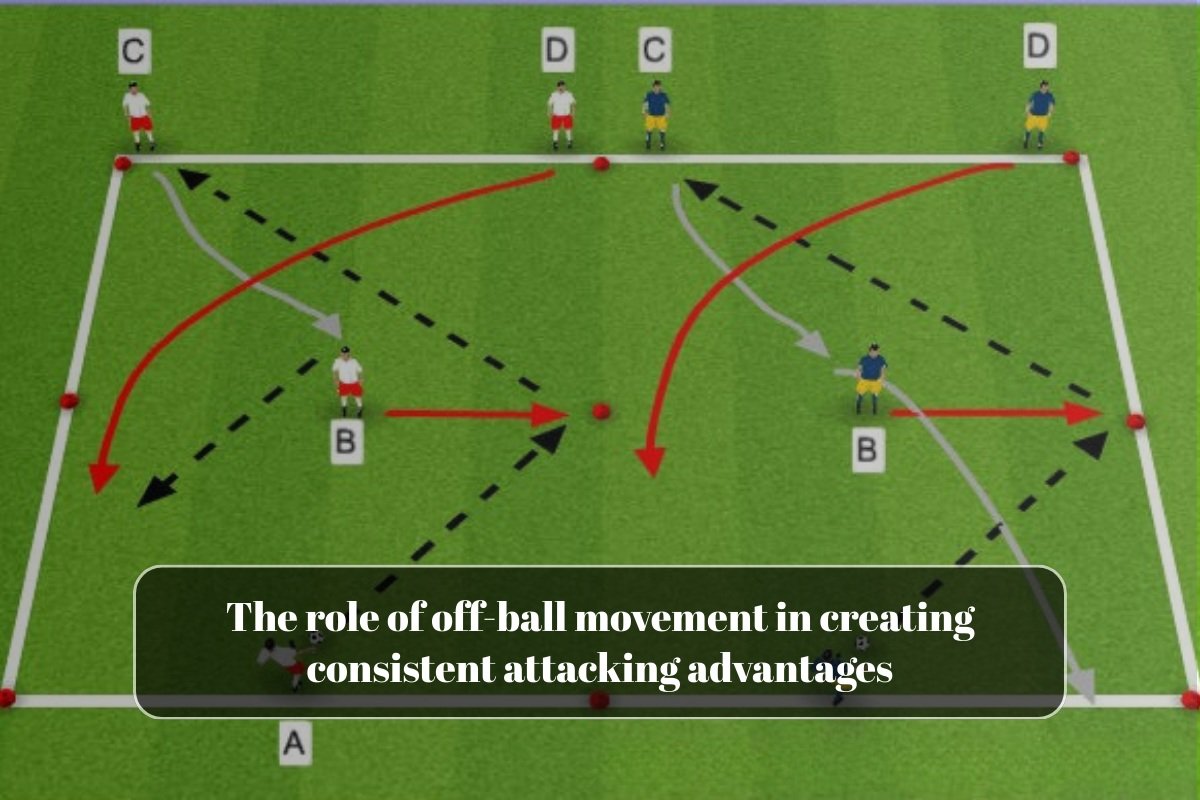
Goals are often credited to the player who delivers the final pass or finishes the move, but many of football’s most dangerous attacks are built without the ball. Off-ball movement—the runs, positioning, and rotations of players not in possession—is one of the most decisive factors in creating consistent attacking advantages. Teams that master it stretch defenses, open passing lanes, and turn controlled possession into high-quality chances.
What Off-Ball Movement Really Means
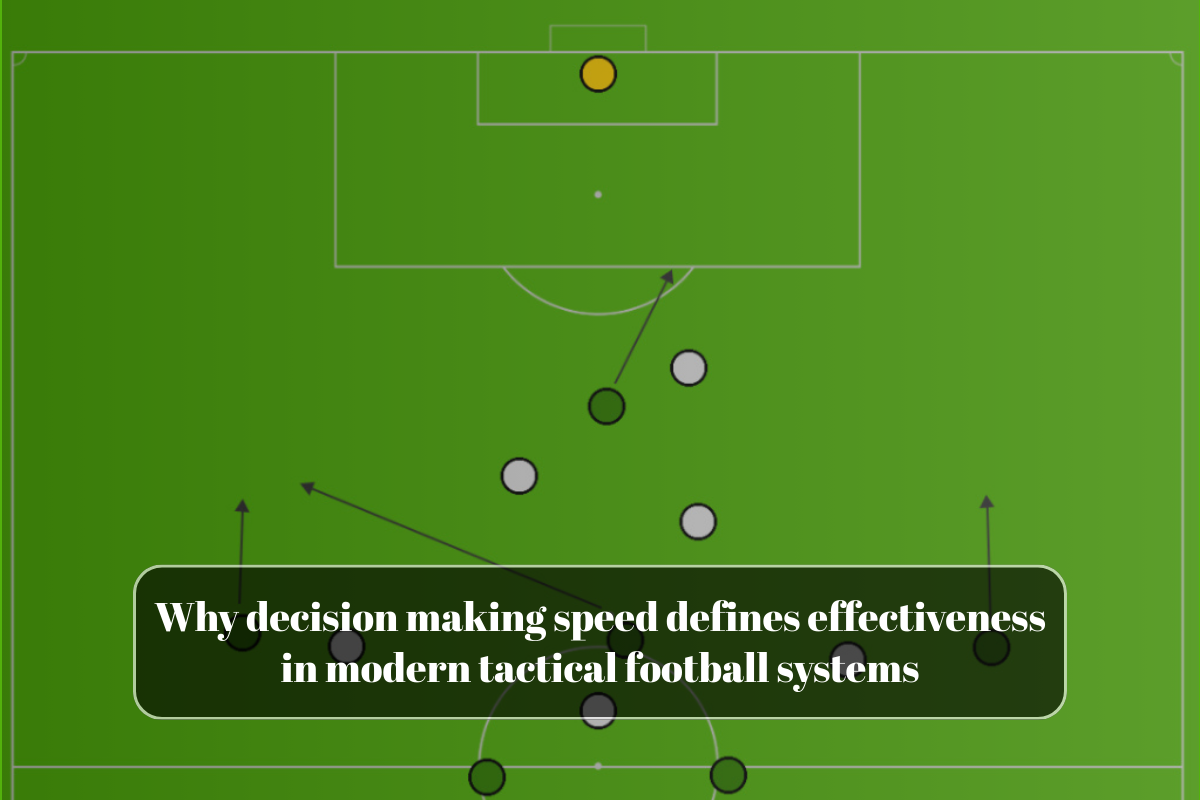
Off-ball movement is not simply about running more; it is about running with purpose. It includes diagonal runs behind defenders, dropping movements to create overloads, decoy runs that drag markers away, and subtle positional adjustments that change defensive reference points. Effective off-ball movement forces defenders to make decisions under pressure, often creating space before the ball even arrives.
Creating Space by Manipulating Defenders
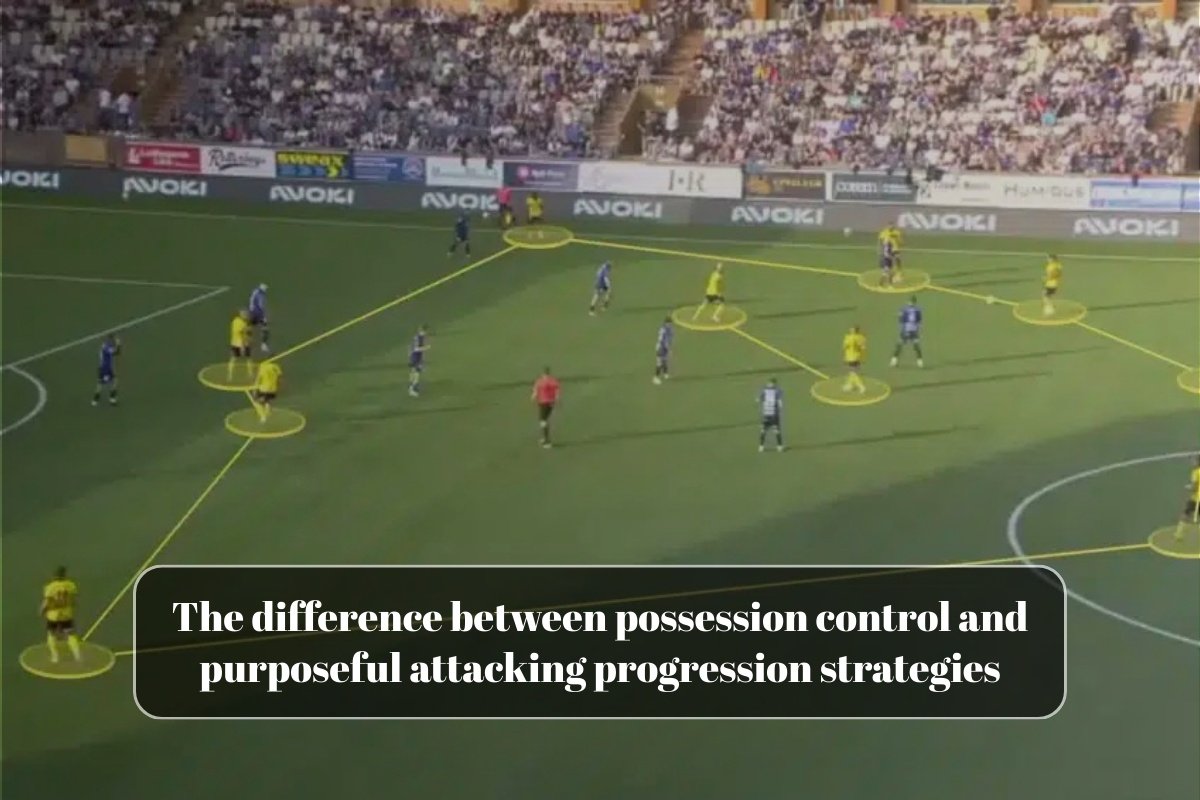
Defensive structures are built around spacing and compactness. Off-ball movement disrupts this balance. When attackers move intelligently, they pull defenders out of shape, creating gaps between lines or channels behind the back line. Even when the moving player does not receive the ball, the act of movement itself can generate space for a teammate. This manipulation is how teams consistently attack organized defenses rather than relying on moments of individual brilliance.
Supporting the Player on the Ball
A player in possession is only as effective as the options around them. Off-ball movement provides passing angles, depth, and width, reducing pressure and increasing tempo. When teammates move at the right moment, the ball carrier can play forward more often, accelerating attacks. Without movement, even technically gifted players are forced sideways or backwards, allowing defenses to reset.
Timing: The Difference Between Chaos and Control
Timing is what separates effective off-ball movement from aimless running. Early runs allow defenders to adjust; late runs arrive after the opportunity has passed. Well-timed movement synchronizes with the ball’s speed and the defender’s body position. This timing creates advantages such as arriving unmarked in the box or receiving between lines on the half-turn—moments that lead directly to chances.
Overloads, Rotations, and Positional Fluidity
Modern attacking play relies heavily on numerical and positional superiority. Off-ball movement enables overloads by pulling extra defenders into one area and freeing space elsewhere. Rotations between fullbacks, midfielders, and wingers confuse marking assignments and test communication within defensive units. Teams coached in positional play, such as those influenced by Pep Guardiola, use structured movement patterns to ensure that space is always occupied optimally, even as players interchange roles.
Off-Ball Movement in the Final Third
In the attacking third, off-ball movement becomes even more critical. Runs across the near post, blindside movements behind center-backs, and late arrivals from midfield increase unpredictability. Defenders tend to ball-watch in tight spaces, and smart attackers exploit this by moving just outside their line of vision. Many tap-ins and close-range finishes are the result of movement, not shooting technique.
Collective Understanding and Repetition
Consistent attacking advantages come from shared understanding. Off-ball movement works best when players recognize cues—body shape, pressure triggers, or positional occupation—and respond instinctively. Training repetition builds this cohesion, allowing teams to attack with fluidity rather than improvisation. Clubs such as FC Barcelona historically demonstrated how collective movement can dominate matches even against physically superior opponents.
Why Off-Ball Movement Separates Good Attacks From Great Ones
Teams that rely only on on-ball skill are easier to defend over time. Off-ball movement adds layers of complexity that defenses struggle to control for 90 minutes. It sustains pressure, creates high-quality chances, and allows teams to attack consistently rather than sporadically. In modern football, where space is scarce and defenses are organized, off-ball movement is no longer optional—it is essential.
FAQs
Why is off-ball movement so important in modern football?
Because defensive structures are compact, movement without the ball is essential to create space and disrupt organization.
Does off-ball movement benefit all positions?
Yes. Forwards, midfielders, and defenders all use off-ball movement to support attacks and maintain structure.
What is a decoy run?
A decoy run is a movement designed to pull a defender away, creating space for a teammate rather than to receive the ball.
Can off-ball movement be coached?
Absolutely. It is developed through tactical training, pattern play, and shared understanding among players.
How does timing affect off-ball movement?
Proper timing ensures runs exploit defensive weaknesses at the exact moment space becomes available, maximizing attacking advantage.