Physical conditioning and injury prevention are critical for developing footballers in the US, reducing injury rates by up to 50% while building athleticism for long-term success. Programs emphasizing strength, agility, and proper technique protect youth from common risks like sprains, fractures, and concussions in high-impact play.
Why Conditioning Matters
Football demands explosive power, endurance, and stability, especially for youth in Pop Warner, high school, and college levels. Weak core or imbalanced muscles lead to ACL tears and ankle sprains, with US data showing 1.5 million youth injuries yearly. Structured training enhances performance, cuts overuse issues, and supports skill growth without burnout.
Core Components of Physical Conditioning
A balanced program targets multiple areas for peak readiness.
- Strength Training: Focus on squats, deadlifts, and planks 2-3x weekly to build legs, core, and upper body; prevents knee valgus collapse during cuts.
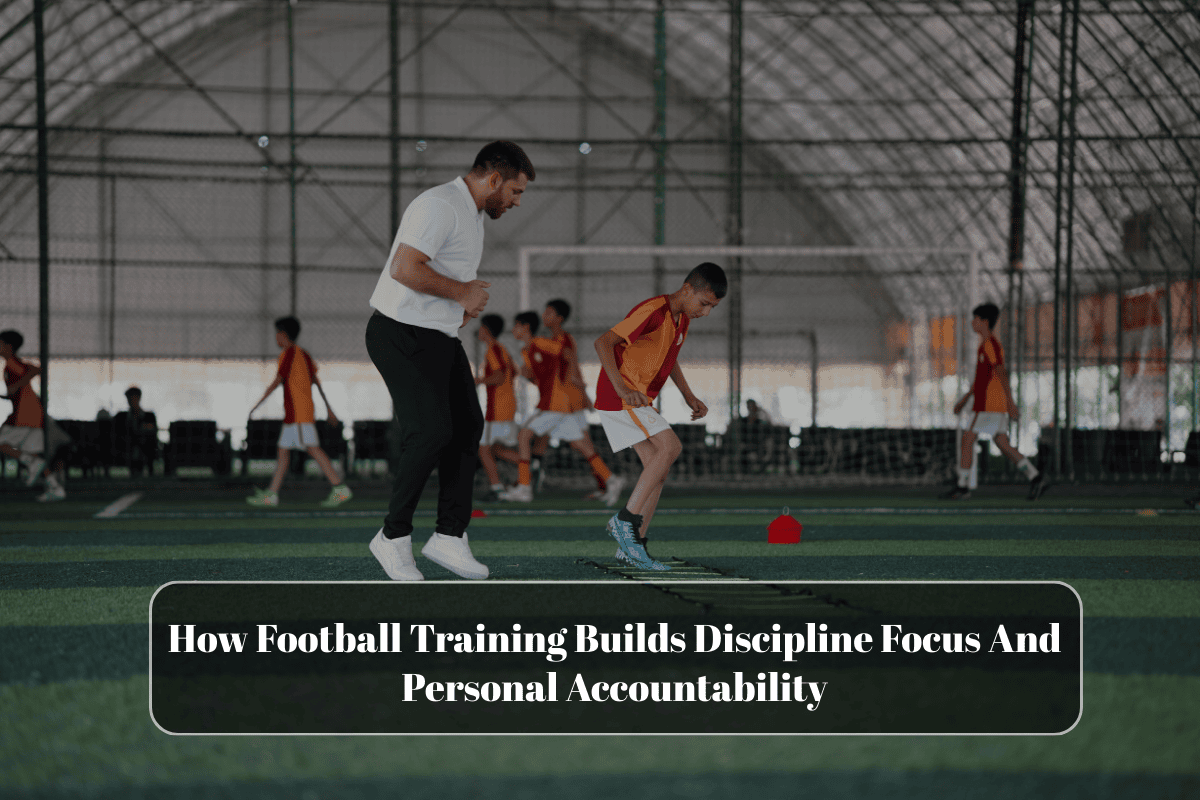
- Agility and Speed Work: Ladder drills, cone shuttles improve change-of-direction, vital for positions like linebacker or wide receiver.
- Flexibility and Mobility: Dynamic warm-ups (leg swings, arm circles) plus yoga reduce strains; static stretches post-practice aid recovery.
- Cardio Conditioning: Interval sprints mimic game bursts, boosting VO2 max for sustained play.
- Balance and Proprioception: Bosu ball single-leg stands prevent ankle rolls, common in 20% of injuries.
Off-season cross-training (basketball, swimming) avoids specialization overuse.
Injury Prevention Techniques
Proactive strategies lower risks across age groups.
Programs like Heads Up Football ban helmet-first hits, cutting concussions 30%. Inspect gear weekly—helmets, pads must fit without gaps.
Warm-Up and Cool-Down Routines
Never skip: 10-15 min dynamic warm-ups increase blood flow, prep neuromuscular firing. Include FIFA 11+ elements—running, balance, jumps—for 50% knee injury drop. Cool-downs flush lactic acid, with 5-10 min static holds per muscle group.
Nutrition and Recovery Essentials
Fuel with lean proteins (chicken, eggs), complex carbs (oats, sweet potatoes), and anti-inflammatory foods (berries, fish). Hydrate: 0.5-1 oz water per body lb daily, more in heat. Sleep 8-10 hours; active recovery days prevent overtraining syndrome.
Role of Coaches and Parents
Coaches enforce technique drills, limit contact to 30% practice time per NFHS rules. Parents ensure pre-season physicals, monitor fatigue signs (irritability, poor sleep). Clubs adopt evidence-based protocols like those from AAOS for safer fields.
Measuring Progress and Adaptation
Track via apps: vertical jump gains, 40-yard dash times, injury logs. Adjust for growth spurts—younger teens prioritize form over loads. Annual screenings catch imbalances early.
Investing here yields durable athletes, with conditioned players showing 40% fewer sidelinings and faster skill gains.
FAQs
Q. How often should youth footballers strength train?
2-3 sessions weekly, 45-60 min, focusing on full-body compounds; rest 48 hours between for recovery.
Q. What’s the best warm-up for injury prevention?
Dynamic routines like high knees, butt kicks, and FIFA 11+ exercises—10-15 min before contact.
Q. Does proper gear really prevent injuries?
Yes, fitted helmets/pads reduce head impacts 60%; inspect weekly for cracks or loose fit.
Q. Can nutrition aid conditioning?
Absolutely—protein rebuilds muscle (1.6g/kg bodyweight), carbs fuel sessions; hydrate to avoid cramps.
Q. How do coaches limit overuse?
Cap practices at 3 hours/day, 5 days/week; include 1 rest day; monitor via RPE scales.