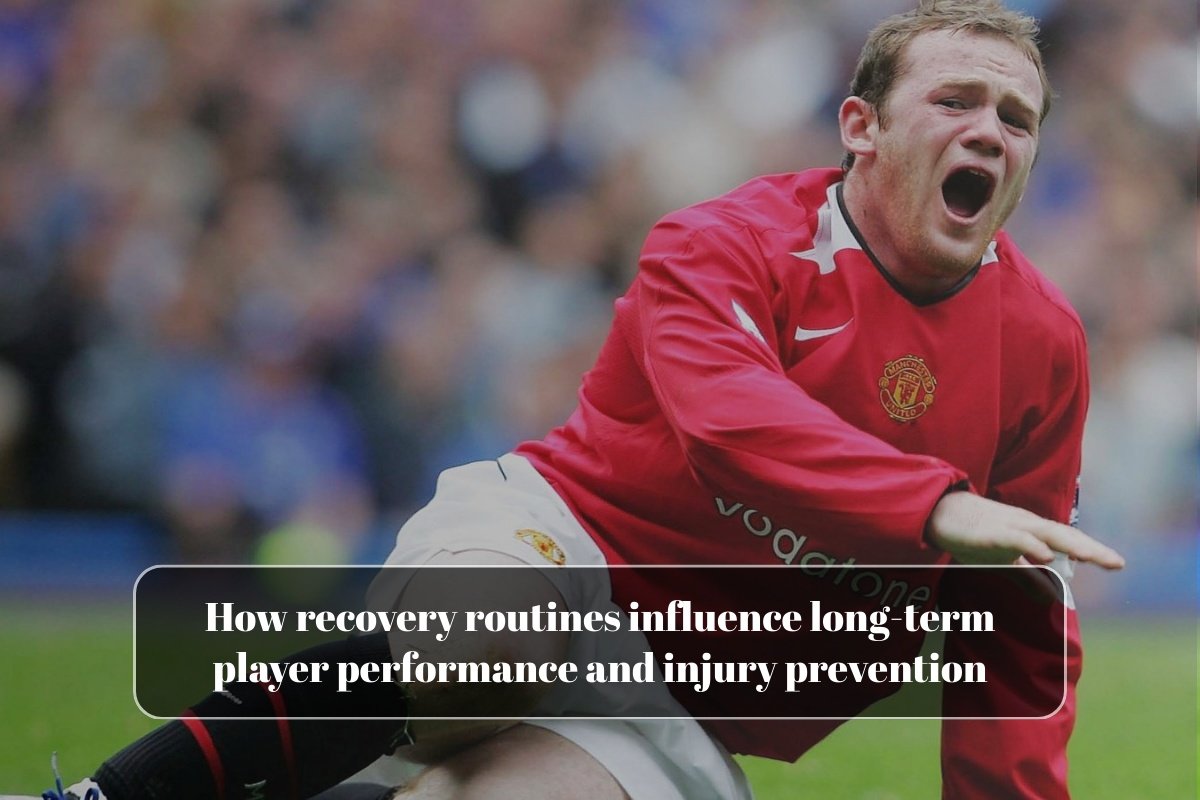
In elite football, training hard is only half the equation. The other half—often less visible but equally decisive—is recovery. Over a long season, recovery routines shape how consistently a player performs, how long they stay injury-free, and ultimately how long their career lasts. Modern football has learned, sometimes the hard way, that neglecting recovery doesn’t just cause fatigue—it erodes performance and invites chronic injuries.
Recovery as a Performance Multiplier, Not a Luxury
Recovery used to be seen as rest alone: a day off, light jogging, maybe a massage. Today, it’s understood as an active performance strategy. Proper recovery restores muscle function, balances the nervous system, and resets mental focus. Players who recover well don’t just avoid injury—they train better the next day.
Over time, this compounds. Consistent recovery allows players to maintain high training intensity across weeks and months. Instead of fluctuating between peaks and burnout, they sustain form. This is why top-level squads now individualize recovery as carefully as tactical roles.
Muscle Repair and Load Management Over the Season
Every sprint, tackle, and change of direction creates micro-damage in muscle fibers. On its own, this damage isn’t harmful—it’s how adaptation occurs. Problems arise when recovery time is insufficient and damage accumulates faster than repair.
Recovery routines such as active cooldowns, soft tissue work, and mobility sessions accelerate muscle repair. More importantly, they help coaches monitor load. When recovery markers decline, it’s often an early warning sign. Adjusting training before pain appears is one of the most effective ways to prevent long-term injuries like tendinopathy or recurring muscle strains.
The Nervous System: The Invisible Factor
Muscles aren’t the only system under stress. The nervous system takes a heavy toll from high-speed decision-making, emotional pressure, and constant competition. Without proper recovery, players may feel “flat” even when physically fit.
Sleep, breathing exercises, and mental decompression routines help restore nervous system balance. Over the long term, players who manage this well show better reaction times, sharper concentration, and more consistent decision-making. Many non-contact injuries occur when mental fatigue delays reactions by fractions of a second—recovery directly reduces that risk.
Injury Prevention Through Tissue Resilience
Recovery routines don’t just heal—they build resilience. Mobility work maintains joint range of motion, while controlled strength-based recovery improves tendon stiffness and elasticity. These qualities allow tissues to absorb force instead of tearing under stress.
Over seasons, this matters more than raw strength. Players who skip recovery often develop compensations—small movement changes that overload other areas. That’s how minor tightness turns into long-term injury cycles. Structured recovery keeps movement patterns clean and efficient, protecting the body year after year.
Mental Recovery and Career Longevity
Mental burnout shortens careers as surely as physical injury. Recovery routines now include psychological reset: time away from football, guided relaxation, and routines that separate personal identity from performance.
Players who recover mentally make better lifestyle choices, handle setbacks more effectively, and maintain motivation across long careers. This is why veteran players often credit recovery habits—not talent—for their longevity at the top level.
From Short-Term Relief to Long-Term Strategy
The biggest shift in modern football is viewing recovery as a continuous process, not an emergency response. When recovery is embedded daily, injuries decrease, performance stabilizes, and careers extend. Teams that treat recovery as optional often pay for it later—with inconsistency, lost players, and shortened peaks.
In the long run, recovery routines don’t just protect players—they unlock their full potential over time.
FAQs
Why is recovery so important for long-term performance?
Because it allows players to train consistently without overload, maintaining form and physical capacity across entire seasons.
Can good recovery routines really prevent injuries?
Yes. They reduce accumulated fatigue, correct movement imbalances, and improve tissue resilience before injuries develop.
Is sleep more important than recovery treatments like ice baths?
Sleep is foundational. Other recovery methods help, but without quality sleep, recovery remains incomplete.
How often should footballers focus on recovery?
Daily. Even light recovery routines performed consistently are more effective than occasional intense sessions.
Do young players need structured recovery routines too?
Absolutely. Early recovery habits protect development, reduce overuse injuries, and support long-term athletic growth.