Midfielders serve as the game’s true controllers in soccer, orchestrating play through superior vision, awareness, and tactical intelligence.
These players dictate tempo, link defense to attack, and anticipate moves, turning chaos into structured dominance on U.S. fields from MLS to youth academies. Mastering these skills elevates teams, as seen in stars like Christian Pulisic or Weston McKennie, who thrive in high-pressure scenarios.
Developing Vision on the Field
Vision allows midfielders to scan 360 degrees, spotting passes before receiving the ball. Elite players like Kevin De Bruyne lift their heads during dribbles, identifying runs or overloads in milliseconds. Train via wall passes or cone grids, forcing peripheral checks; U.S. Soccer’s curriculum emphasizes 10-yard scans pre-touch. This foresight breaks lines, creating 20-30% more chances per game.
Building Situational Awareness
Awareness means reading opponents’ presses, teammates’ positioning, and space dynamics simultaneously. Box-to-box midfielders like Casemiro position between lines, cheating into passing lanes via reference points—ball, foes, allies, gaps.
Drills like rondo possession (4v2) sharpen reactions; MLS academies use GPS trackers to analyze movement efficiency, rewarding players covering 11-12 km per match intelligently.
Cultivating Tactical Intelligence
Tactical IQ separates controllers from runners—understanding when to drop deep, hold half-spaces, or rotate. Deep playmakers like Jorginho cue attacks from between lines, forcing defensive splits. Study film: Analyze Pep Guardiola’s positional play, where midfielders create numeric superiorities. U.S. youth programs integrate small-sided games with tactical briefs, boosting decision accuracy by 25%.
Physical and Mental Integration
Endurance underpins control—midfielders log 25-30% more high-intensity runs than forwards. Pair HIIT sprints with yoga for recovery; mentally, visualization pre-game simulates scenarios, as McKennie does for Juventus. Communication—short calls like “drop” or “wide”—amplifies awareness, vital in transition phases where 40% of goals occur.
Training Drills for U.S. Players
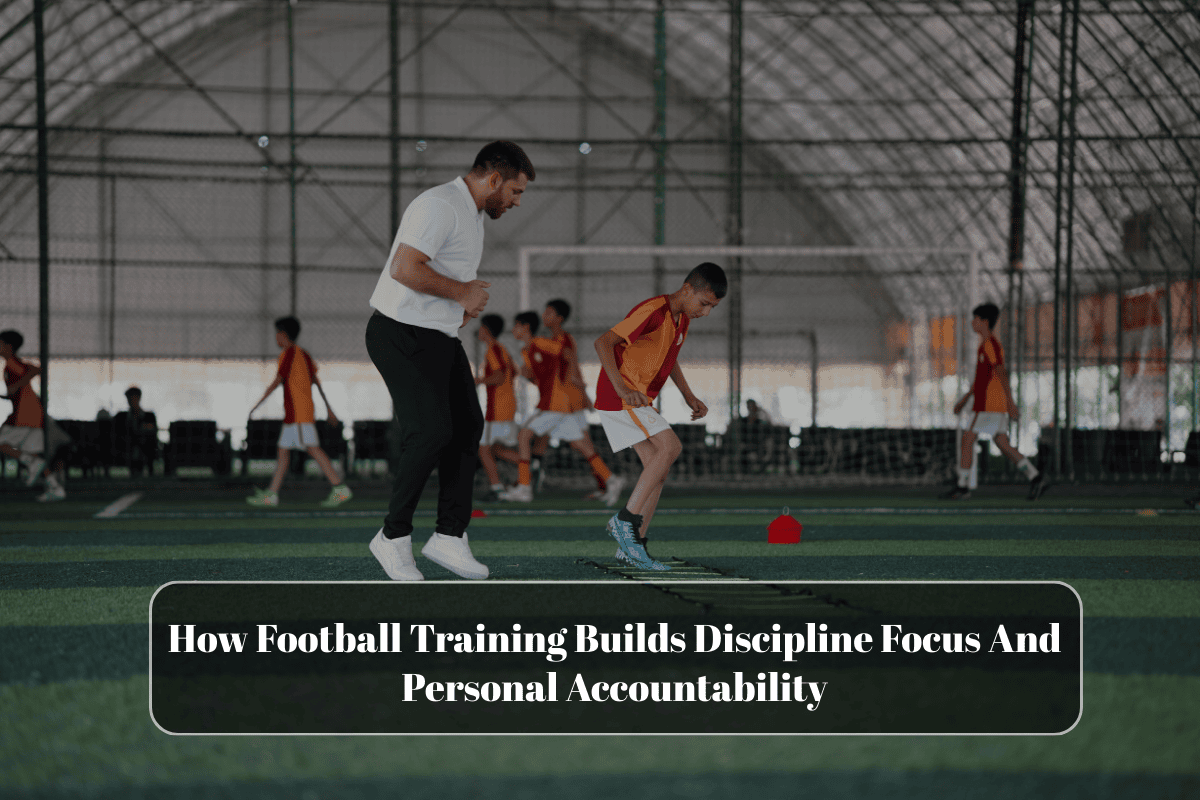
- Vision Ladder: Dribble through cones, head up, pass to targets—progress to blind passes.
- Awareness Circuits: 5v5 possession with colored zones; score for exploiting spaces.
- Tactical Shadows: Shadow opponents in scrimmages, predicting passes 70%+ accurately.
Youth clubs like LA Galaxy use VR simulations for 360-degree reads; pros track via HUDL footage.
Measuring Progress and Impact
Track via heat maps (Opta data): Top controllers occupy half-spaces 15% more, with 85% pass accuracy. Teams like Atlanta United leverage midfield dominance for playoff runs, proving tactical edges win titles.
FAQs
1. Why midfielders as ‘game controllers’?
They dictate tempo, link phases, and exploit spaces via IQ.
2. Key drill for vision?
Wall passes with head checks; aim 10-yard scans.
3. How to build tactical IQ?
Film analysis, small-sided games with briefs.
4. Physical demands?
11-12km/match, high-intensity bursts.
5. U.S. training edge?
VR, GPS in MLS academies boost awareness.