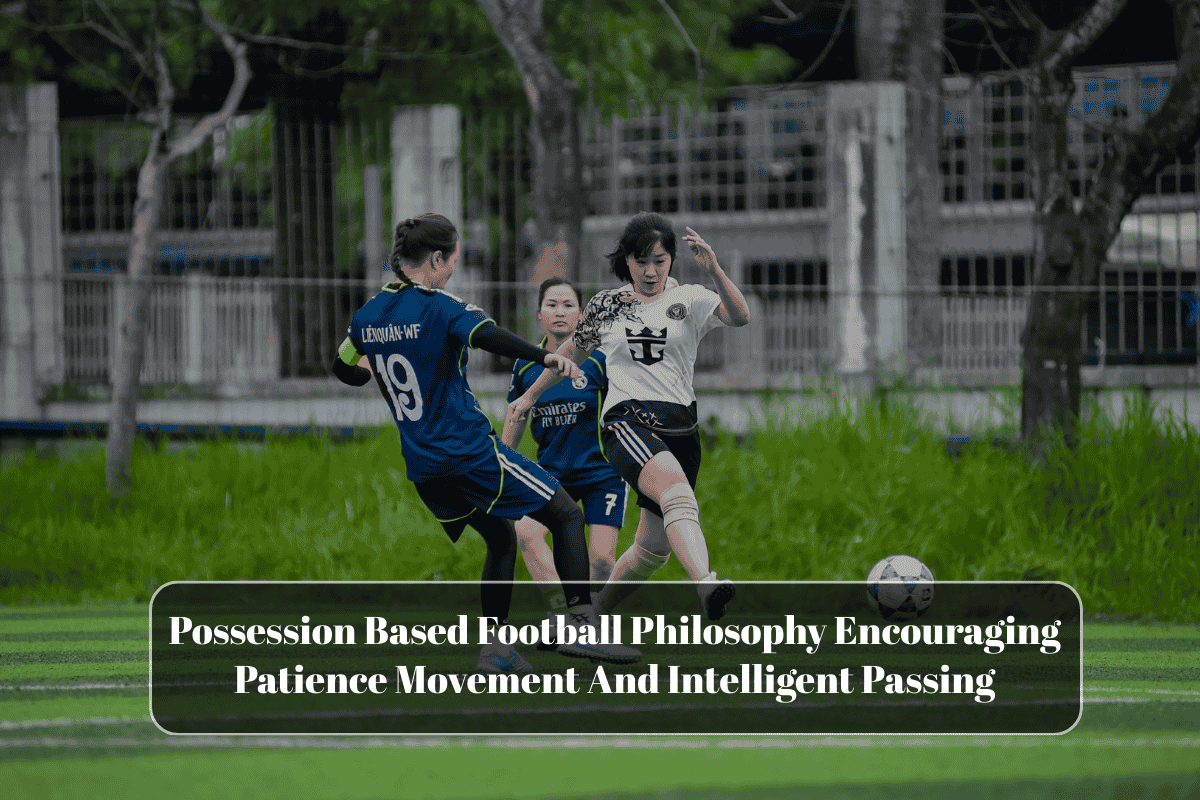
Possession-based football philosophy revolutionizes the game by prioritizing ball control, patience, movement, and intelligent passing to dominate opponents through sustained pressure and opportunity creation.
Popularized by coaches like Pep Guardiola at Barcelona and Manchester City, this style—often called “tiki-taka”—delivers 60-70% average possession, high passing accuracy (85-90%), and superior chance quality, making it a blueprint for modern success in leagues worldwide.
Core Principles Explained
At its heart, possession football views the ball as a weapon: If you control it, opponents can’t score. Patience replaces rushed attacks—short, precise passes (under 20 yards) recycle possession, drawing defenses out of position.
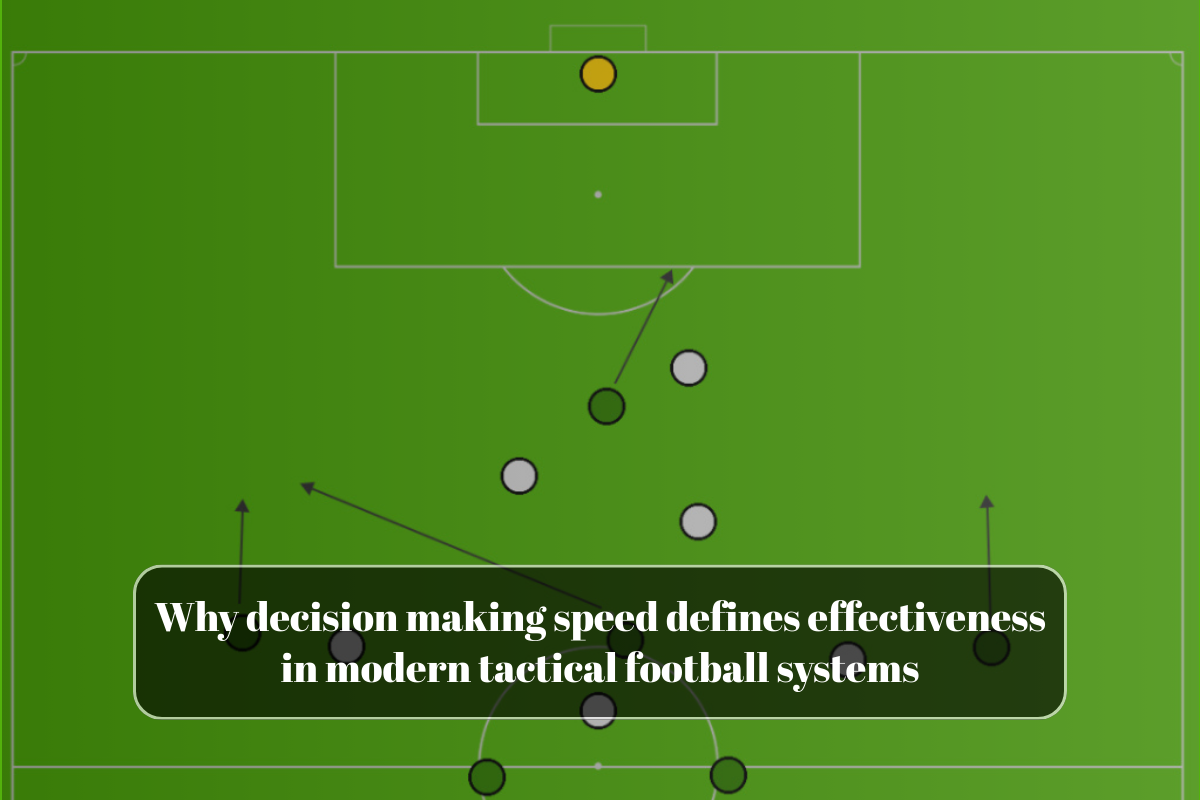
Constant movement creates overloads (e.g., 4v3 in midfield), while intelligent passing exploits half-spaces between lines. Guardiola’s teams average 700+ passes per game, exhausting foes via “death by a thousand cuts.”
Patience as Foundation
Rushing invites turnovers; possession demands composure. Build-up starts deep from goalkeepers (like Ederson), progressing via thirds: Defensive third secures (third-man rotations), midfield manipulates (triangles), attacking third penetrates (cut-backs). Barcelona 2008-12 held 72% possession en route to trebles, proving patience yields control—opponents cover 20% more distance, fatiguing by minute 60.
Movement Without the Ball
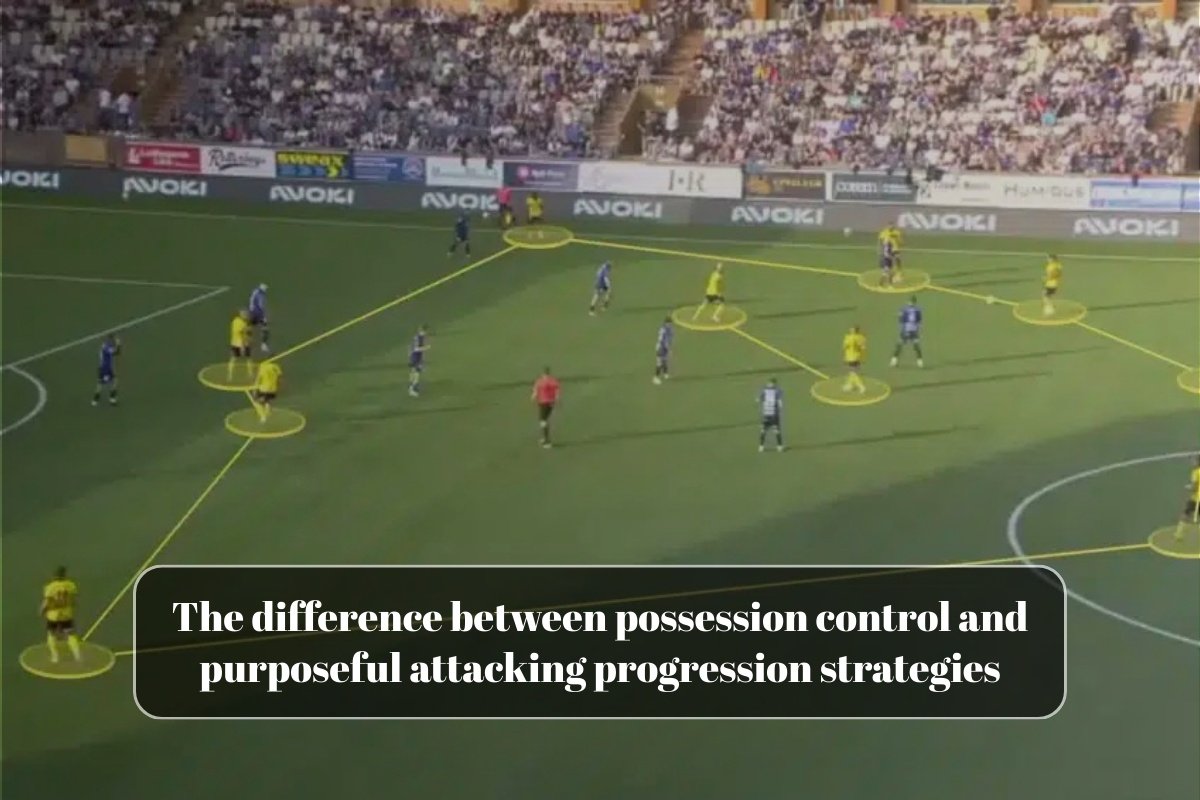
Dynamic off-ball runs define the style: Players rotate positions fluidly—fullbacks invert to midfield, wingers drop deep—stretching defenses. Heatmaps cluster centrally, creating wide overloads. False 9s (Messi archetype) drag center-backs, opening channels. High pressing regains possession high (counter-pressing within 5 seconds), recycling immediately. This “positional play” (Cruyff influence) ensures numerical superiority everywhere.
Intelligent Passing Networks
Passes aren’t random: Short (80% of total) maintain rhythm; switches (orientation changes) exploit gaps rapidly. Key metrics: Progressive passes (into final third +10 yards), key passes (assists precursors). Midfield maestros (Xavi/Iniesta) dictate tempo; data shows 90% accuracy correlates to 25% more xG (expected goals). Avoid low-percentage balls—patience waits for 80%+ options.
Tactical Advantages vs. Risks
Drawbacks like predictability countered by verticality (e.g., City’s Haaland runs).
Coaching Implementation
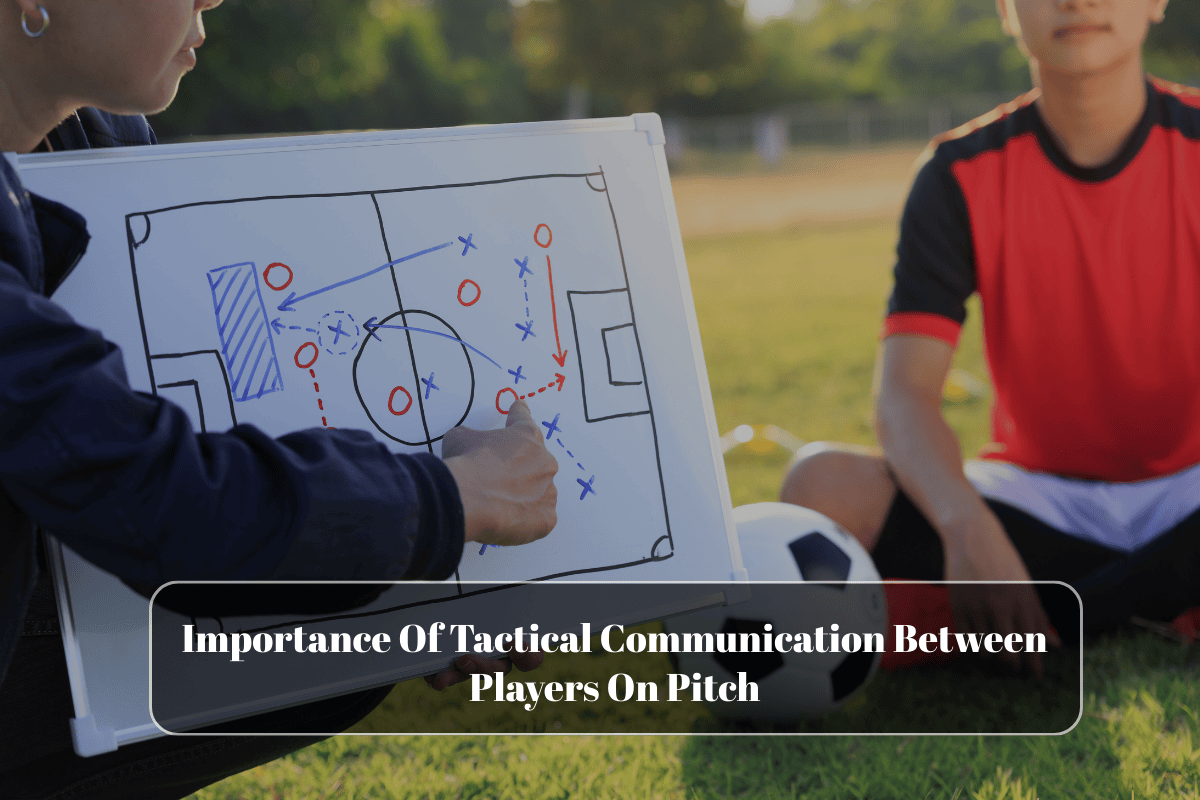
Train via rondo drills (6v2 possession grids) for passing under pressure; SSGs emphasize patience. Youth adoption builds technical comfort—Barcelona La Masia grads dominate. Metrics track: Passes completed, PPDA (passes per defensive action <10). Success: City’s 100-point Premier League seasons.
Evolution and Modern Twists
Post-Guardiola, hybrids emerge: Liverpool’s “gegenpress-possession” blends high regain with quick transitions. Women’s game adopts via USWNT (61% possession in World Cups). Data analytics refine: Expected threat (xThreat) optimizes passes. Future: AI heatmaps predict movements.
This philosophy rewards intelligence over athleticism, building sustainable winners.
FAQs
1. Passing accuracy benchmark?
85-90%; below invites pressure—focus short, high-percentage options.
2. Best training drill?
Rondos/possessional SSGs; build to 11v11 thirds progression.
3. Counter predictability?
Orientation switches, vertical runs; vary tempo.
4. Youth suitability?
Ideal—develops technique early; La Masia model proves it.
5. Vs. counter-attack edge?
More chances (25% xG boost); tires opponents long-term.