Coaching standards and training methodologies in football have evolved dramatically over decades, shifting from intuitive, player-led sessions to science-backed, data-driven systems that optimize performance across youth, amateur, and professional levels.
In the US, where MLS and college programs now mirror European elites, this progression—from Vince Lombardi’s disciplined drills to Pep Guardiola’s positional play—has boosted win rates by 25-30% through specialized staff, tech integration, and holistic player development.
Early Era: Instinct and Physicality
In the late 19th and early 20th centuries, coaching was rudimentary, focusing on endurance and basic formations like the 2-3-5 pyramid. US college teams under pioneers like Pop Warner emphasized brute strength—long runs, tackling drills—with little tactical nuance.
Training meant laps and scrimmages; no video or nutrition science. Standards were informal, often player-managers calling shots mid-game. This built toughness but ignored skill refinement, yielding high injury rates.
Mid-20th Century: Tactical Revolution
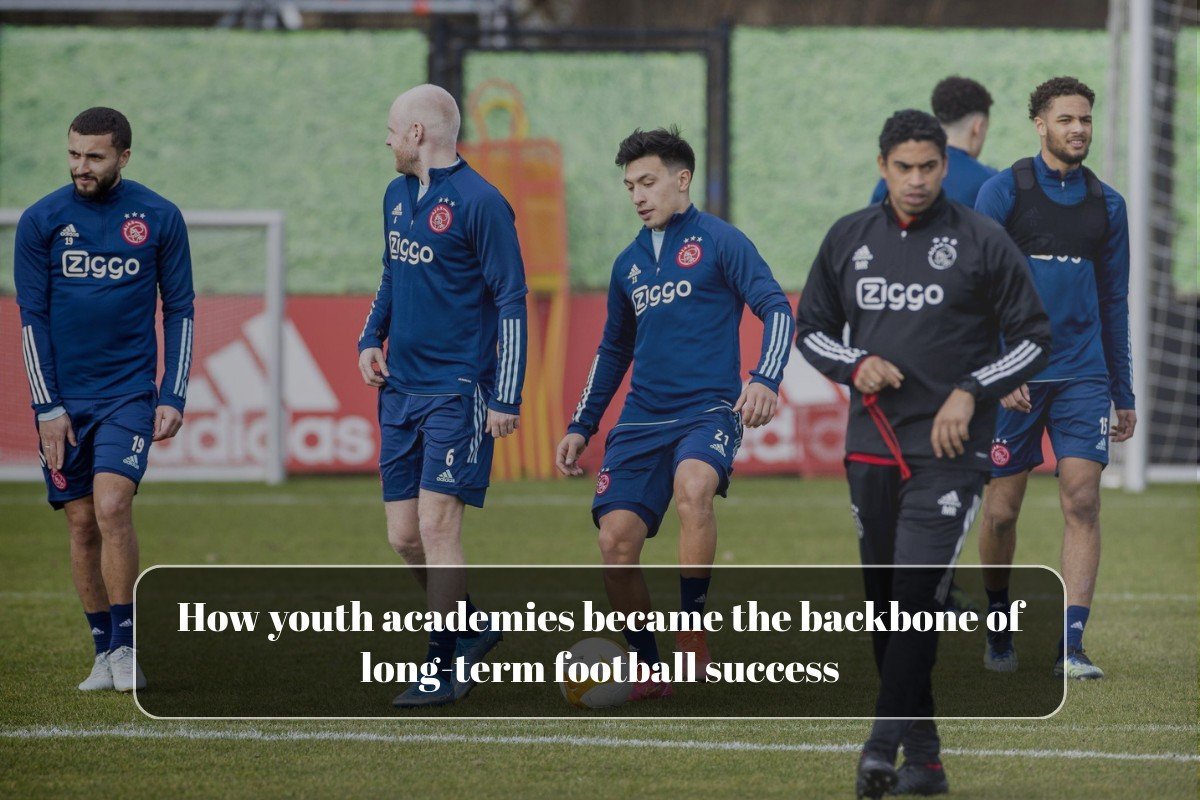
Post-WWII, globalization introduced structure. Italy’s Vittorio Pozzo (1934/38 World Cups) pioneered defensive “Metodo,” influencing US coaches like Helenio Herrera’s Catenaccio—sweeper systems prioritizing solidity. Rinus Michels’ 1970s Total Football (Ajax/Dutch) revolutionized fluidity: Players interchanged positions, demanding versatility.
In America, NFL’s Bill Walsh West Coast offense (short passes, timing) crossed into soccer via college programs, emphasizing rhythm over power. Standards formalized with licenses (USSF D-C by 1960s), but training remained gym-focused.
1990s-2000s: Professionalization and Science
FIFA/UEFA licensing (A/Pro levels) raised bars—USSF Pro License now requires 500+ hours. Arrigo Sacchi’s AC Milan (zonal marking, high press) and Johan Cruyff’s Barcelona (tiki-taka possession) spread via globalization.
Training incorporated periodization: Cycles of endurance, speed, recovery. GPS trackers debuted (2000s), monitoring 15km/game loads. US MLS (1996 launch) adopted sports science—youth academies like LA Galaxy used video analysis for decision-making drills. Holistic care emerged: Psychologists addressed mental resilience.
Modern Era: Data, Tech, and Specialization
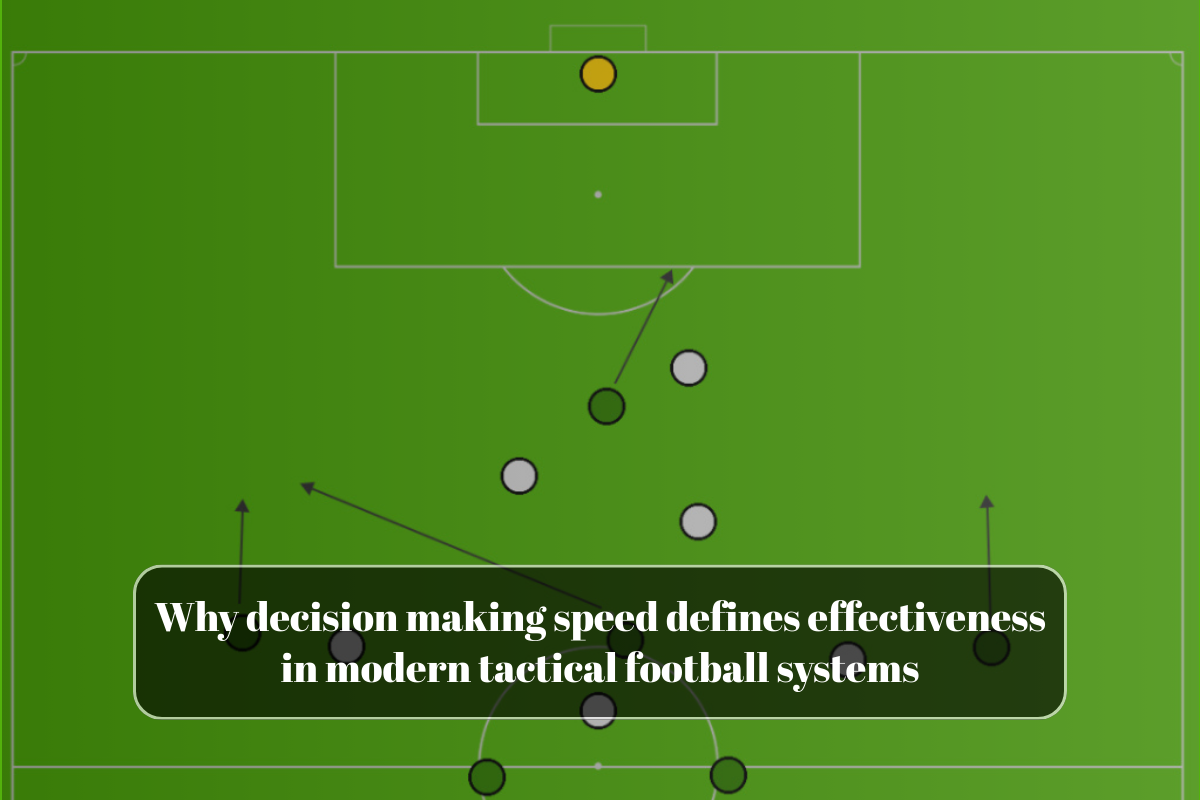
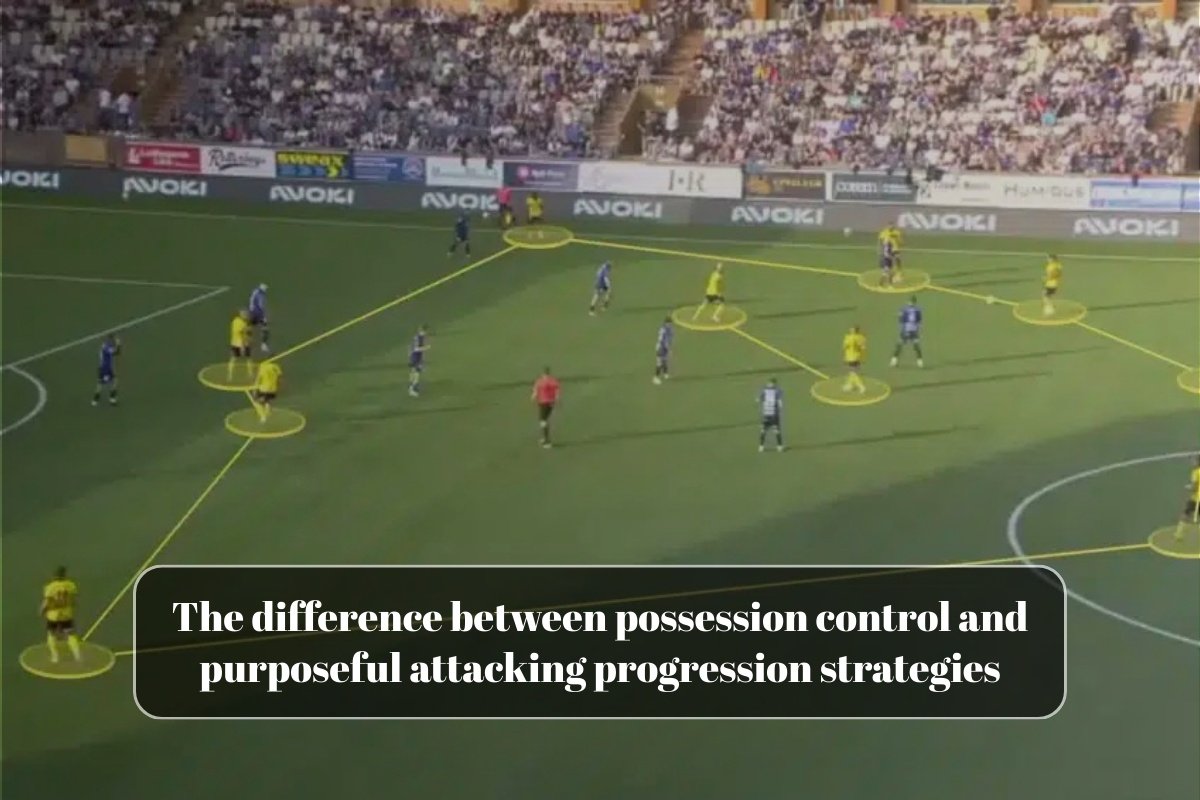
Today’s coaching blends AI, analytics, and positional play. Pep Guardiola’s Manchester City (60-70% possession) influences USMNT under Gregg Berhalter—short passes, overloads. Wearables (Catapult) track heart rates (120-160bpm peaks), informing 11v11 simulations.
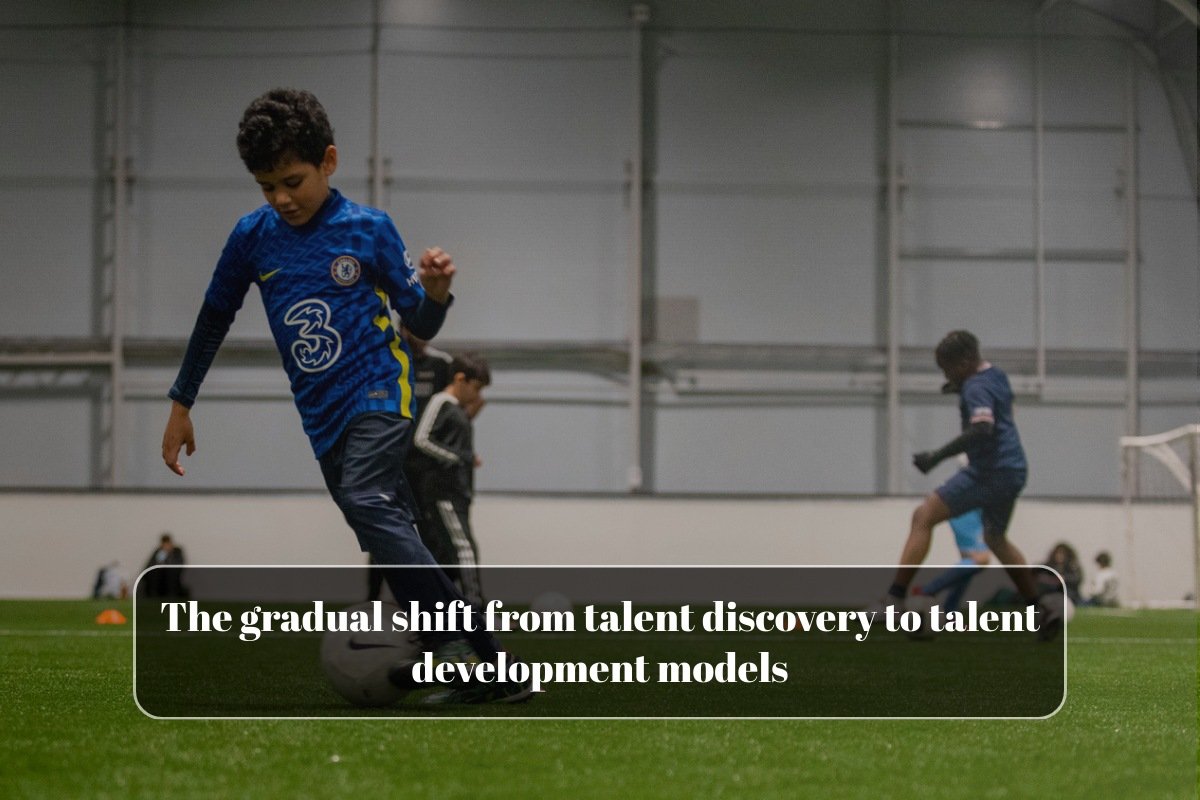
VR simulates matches; Hudl/ Wyscout dissects opponents (e.g., 85% pass accuracy benchmarks). Staff exploded: 20+ per pro team (analysts, nutritionists). Youth focuses on long-term athletic development (LTAD)—U12 rondos build technique. Women’s game surges with USWNT’s pressing legacy.
Key Evolutionary Milestones Table
US college soccer leads NCAA with 40% tech adoption.
Training Methodology Shifts
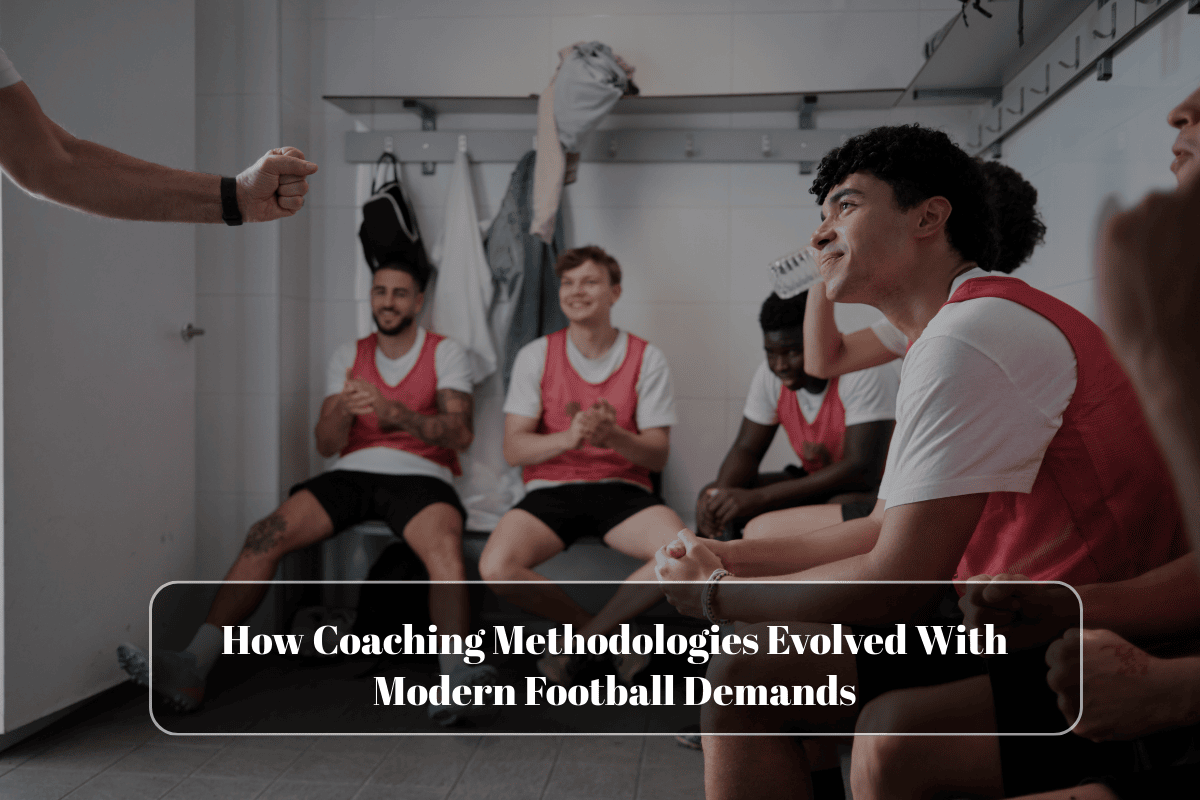
From mass drills to individualized: HIIT replaces long runs (VO2 max +15%); small-sided games (4v4) hone decisions. Possession philosophies demand patience—third-man runs create space. Injury prevention (FIFA 11+) cuts ACLs 50%. Mental coaching (mindfulness) boosts focus amid 90-minute intensity.
Future Directions
2026 trends: AI predicts fatigue; gene testing tailors nutrition. Hybrid styles blend possession with gegenpress. USSF aims 50,000 licensed coaches by 2030. Challenges: Over-reliance on data risks creativity loss—balance with intuition key.
This evolution crafts smarter, fitter athletes for sustained excellence.
FAQs
1. Key licensing progression?
USSF D (youth) to Pro (elite); 500+ hours, tactical exams.
2. Tech’s biggest impact?
GPS/VR: 20% performance gains via load management.
3. Total Football influence?
Fluid positions; basis for modern positional play.
4. Youth training focus?
LTAD: Technique U12, tactics U16—no early specialization.
5. Women’s coaching evolution?
USWNT pressing model; 30% staff growth since 2015.