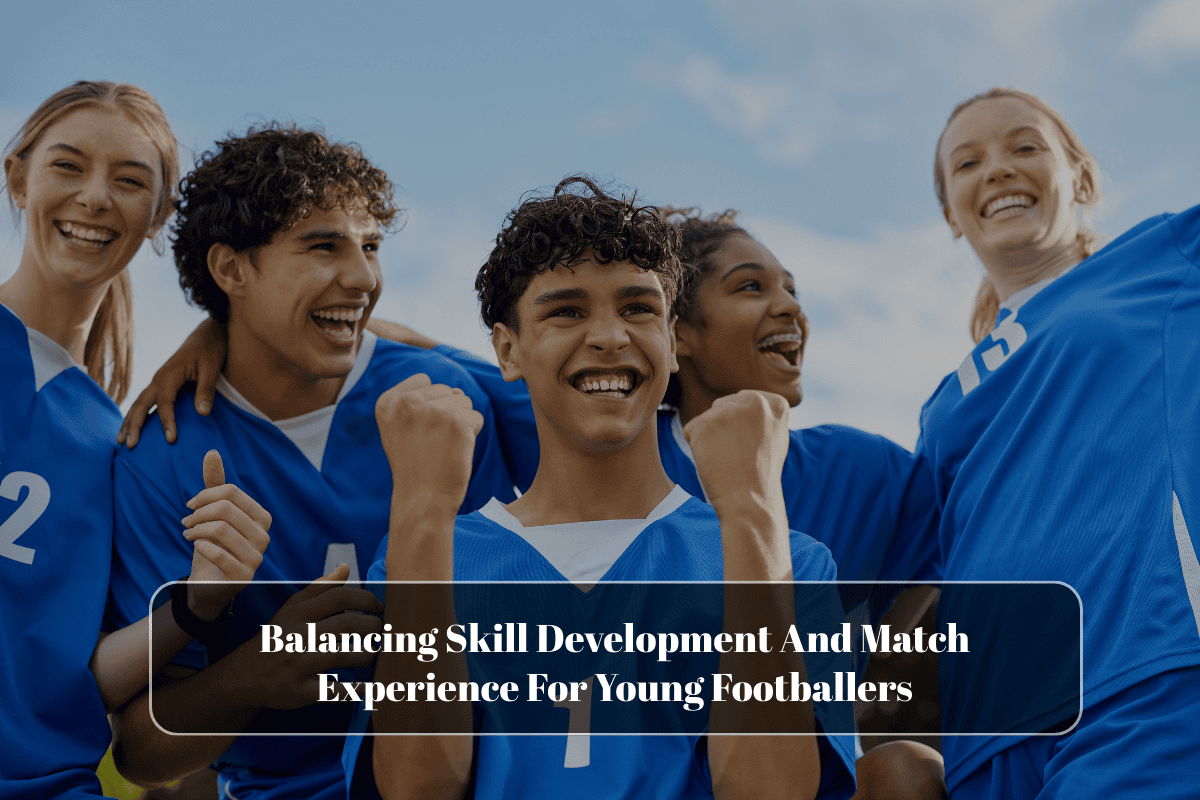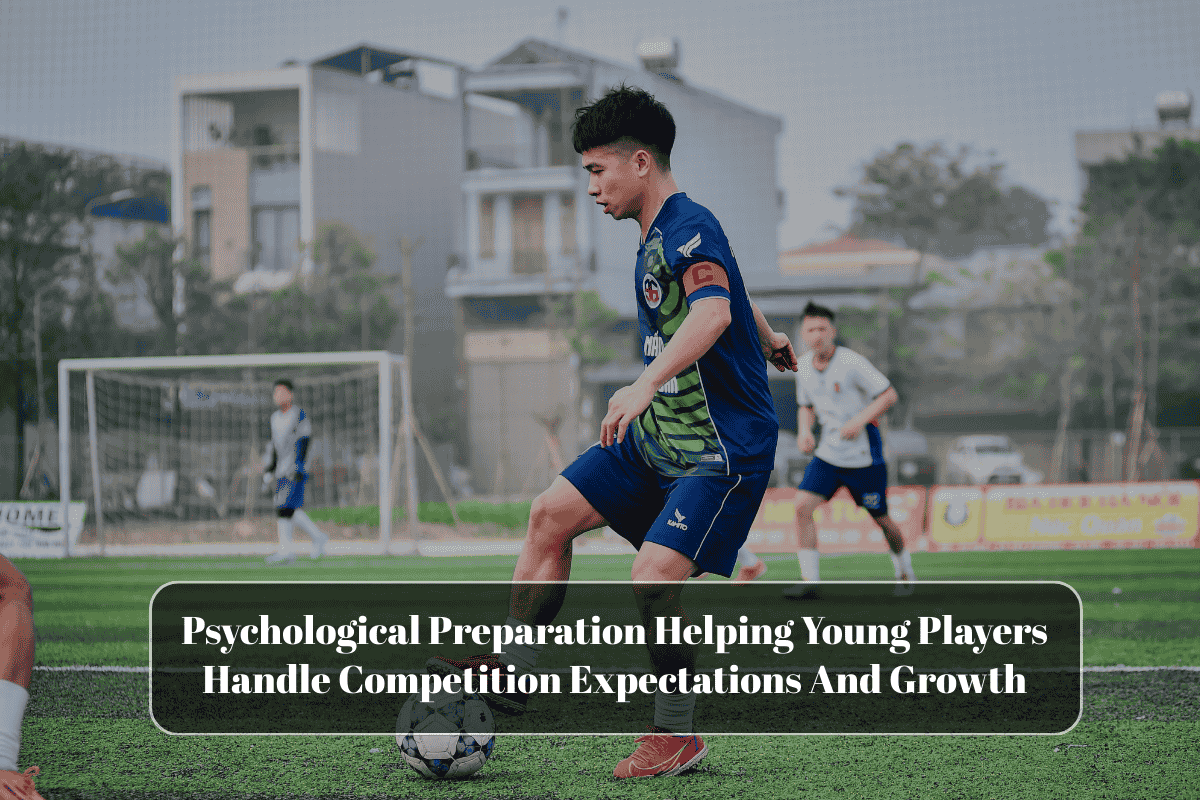
Psychological preparation equips young US athletes to thrive under competition pressures, turning anxiety into focus and setbacks into growth opportunities. These evidence-based techniques, from visualization to self-talk, build resilience vital for sports like soccer, basketball, and track across youth leagues.
Why Mental Prep Matters
Youth face skyrocketing expectations—club tryouts, travel teams, college scouts—where mental lapses cost games and confidence. Structured prep reduces pre-competition anxiety by 30-50%, per sports psychology studies, while fostering a growth mindset that views pressure as energizing.
Parents and coaches in programs like Positive Psychology’s youth training see kids handle losses 40% better, sustaining long-term participation.
Without it, 70% of kids quit by 13 due to stress; with it, they gain lifelong skills for academics and careers.
Core Techniques
Integrate these into daily routines for automatic responses under lights.
- Visualization: Spend 5 minutes daily picturing perfect plays—sights, sounds, feelings. Elite youth athletes using this boost execution by 20%, as brains fire like real action.
- Breathing Routines: Box breathing (4-in, 4-hold, 4-out, 4-hold) calms nerves pre-game, mimicking Navy SEAL tactics for focus.
- Positive Self-Talk: Swap “Don’t miss” for “Smooth release”—rewires doubt into trust, cutting errors 25%.
- Process Goals: Target controllables like “strong first step” over “win,” slashing outcome pressure.
- Routine Building: 15-minute pre-comp sequence—warm-up, imagery, affirmation—for consistency.
Advanced: Journaling tracks triggers; mindfulness apps build emotional control.
Implementation for Coaches and Parents
Embed in practices without overwhelming physical training.
- Team Sessions: 10-minute group visualizations; role-play pressure scenarios.
- Individual Plans: Tailor to personalities—extroverts thrive on talk, introverts on quiet imagery.
- Post-Game Reviews: Focus on effort, not score; reframe mistakes as “next play.”
- Parental Role: Model calm; avoid outcome pressure, praise process.
- Age Adjustments: Under-12s keep fun-first; teens add competition sims.
Youth programs like Aspire Mindset report 80% confidence gains after 4 weeks.
Measurable Growth Impact
Data from youth studies; scales across soccer fields to gym courts.
Real-World Success
In 2025 US youth soccer, teams using NLP mental training cut forfeits from nerves by 60%, per case studies. Collegiate pipelines credit routines for handling scouts—kids who visualize “game speed” outperform peers. Coaches note mentally tough athletes lead vocally, inspiring teams amid rivalries.
Challenges like parental sideline yelling? Counter with family workshops emphasizing support over critique.
Daily Practice Roadmap
- Morning Affirmations: 2 minutes building belief.
- Practice Integration: End sessions with imagery review.
- Pre-Game Ritual: Full 15-minute routine.
- Post-Event Journal: Wins, lessons, adjustments.
- Weekly Check-In: Coach-parent-athlete huddle.
Consistency turns prep into instinct, prepping kids for high-stakes futures.
FAQs
1. Start at what age?
8+ for basics; full routines by 12 when competition ramps.
2. Signs of mental blocks?
Somatic tension, negative loops, avoidance—address via breathing first.
3. Free resources?
Apps like Calm Kids, YouTube guided visuals; coach-led groups.
4. Measure progress?
Track game journals, confidence surveys pre/post.
5. Role of failure?
Essential—use as fuel via “growth mindset” reframes.