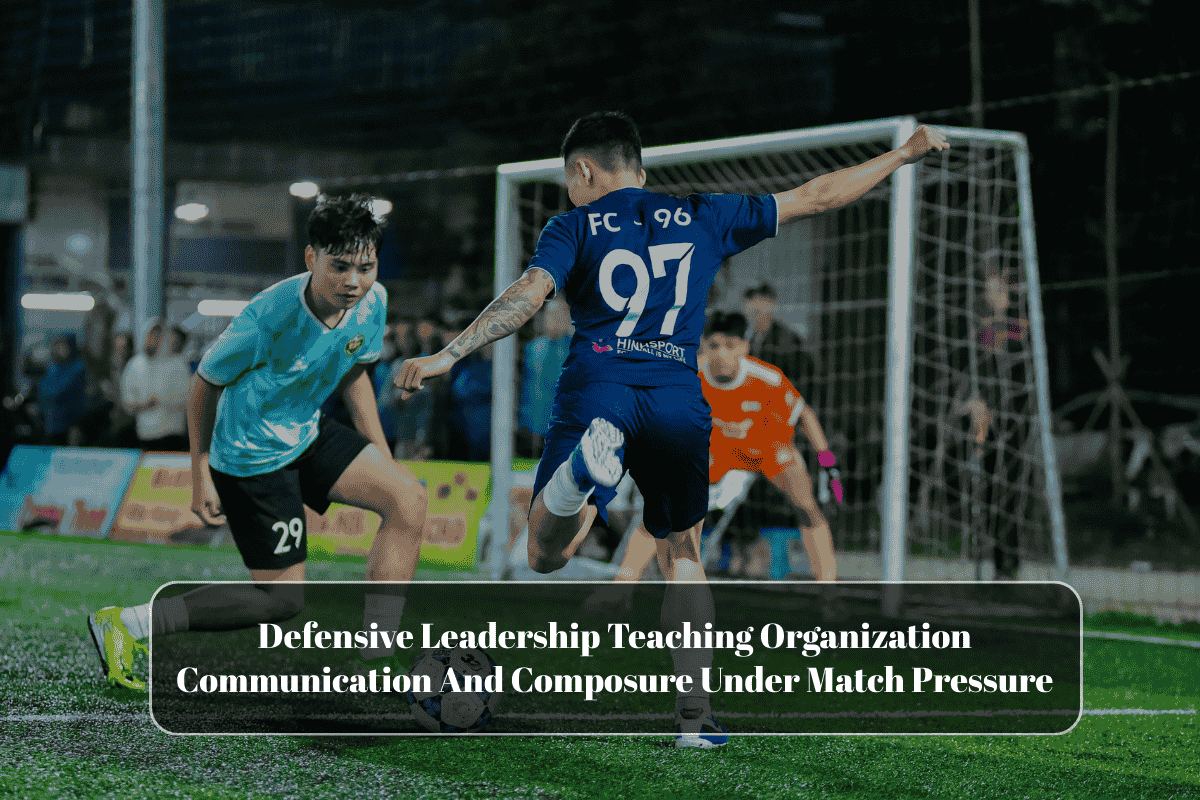
Defensive leadership equips youth with the poise to communicate effectively and maintain composure during high-stakes “match pressure”—intense scenarios like competitions, debates, or crises—turning chaos into coordinated success.
Rooted in youth development programs, this approach builds resilience, clear messaging, and calm decision-making, preparing teens for sports captaincy, team projects, or future careers in dynamic fields like construction and community organizing.
Core Principles of Defensive Leadership
Defensive leadership emphasizes proactive defense: anticipate challenges, shield team morale, and counter disruptions without aggression. Unlike aggressive styles, it prioritizes de-escalation—e.g., a soccer defender reads plays ahead, communicates positions calmly, and recovers from errors—mirroring real-world pressures.
Key tenets include situational awareness (scan for risks), adaptive communication (clear, concise directives), and emotional regulation (breathe through adrenaline). Youth programs frame it as “leading from the back,” fostering humility and team-first mindset.
Communication Under Pressure
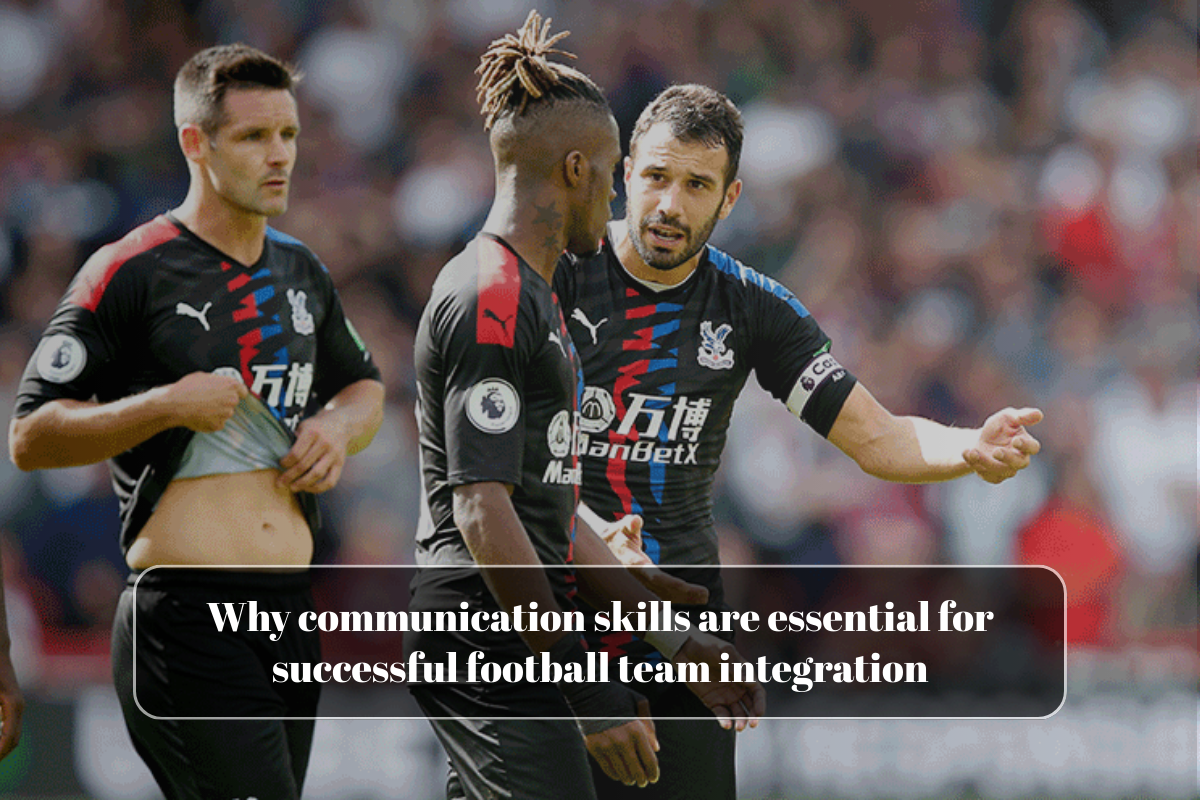
Train concise, assertive messaging: use “I observe… I need…” phrasing to avoid blame—”I observe overlap on left; I need switch now.” Role-play drills simulate match chaos—timed debates or scrimmages—building 20-30% faster team responses per leadership studies.
Non-verbal cues amplify: eye contact signals trust, open posture invites input. Active listening—paraphrase teammate concerns—defuses tension, ensuring all voices contribute. Programs like 4-H or Junior Achievement incorporate this for group projects.
Composure Techniques
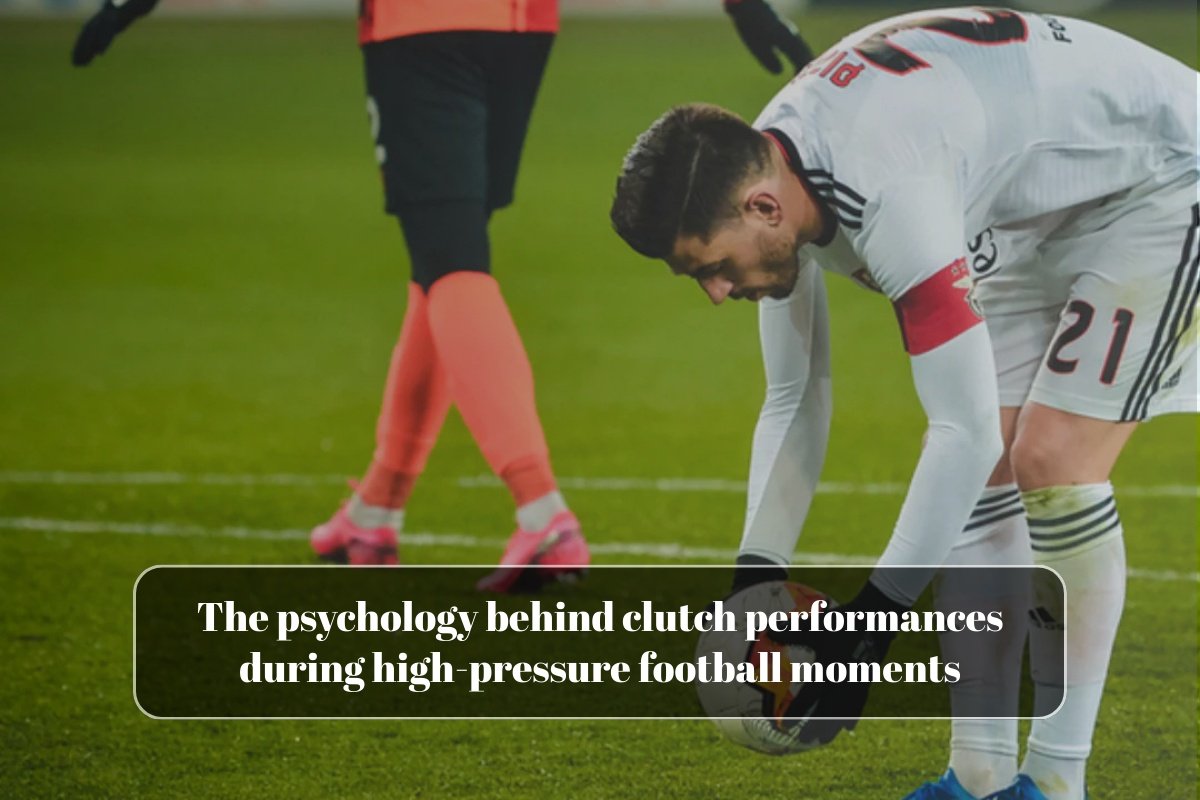
Breathing protocols anchor calm: 4-7-8 method (inhale 4s, hold 7s, exhale 8s) lowers heart rates 15% in seconds, proven in sports psych. Visualization pre-pressure—mentally rehearse scenarios—builds neural pathways for autopilot poise.
Reframe pressure as opportunity: “This tests our prep” shifts mindset. Post-event debriefs analyze without judgment, turning losses into growth—key for youth building grit.
Practical Training Drills
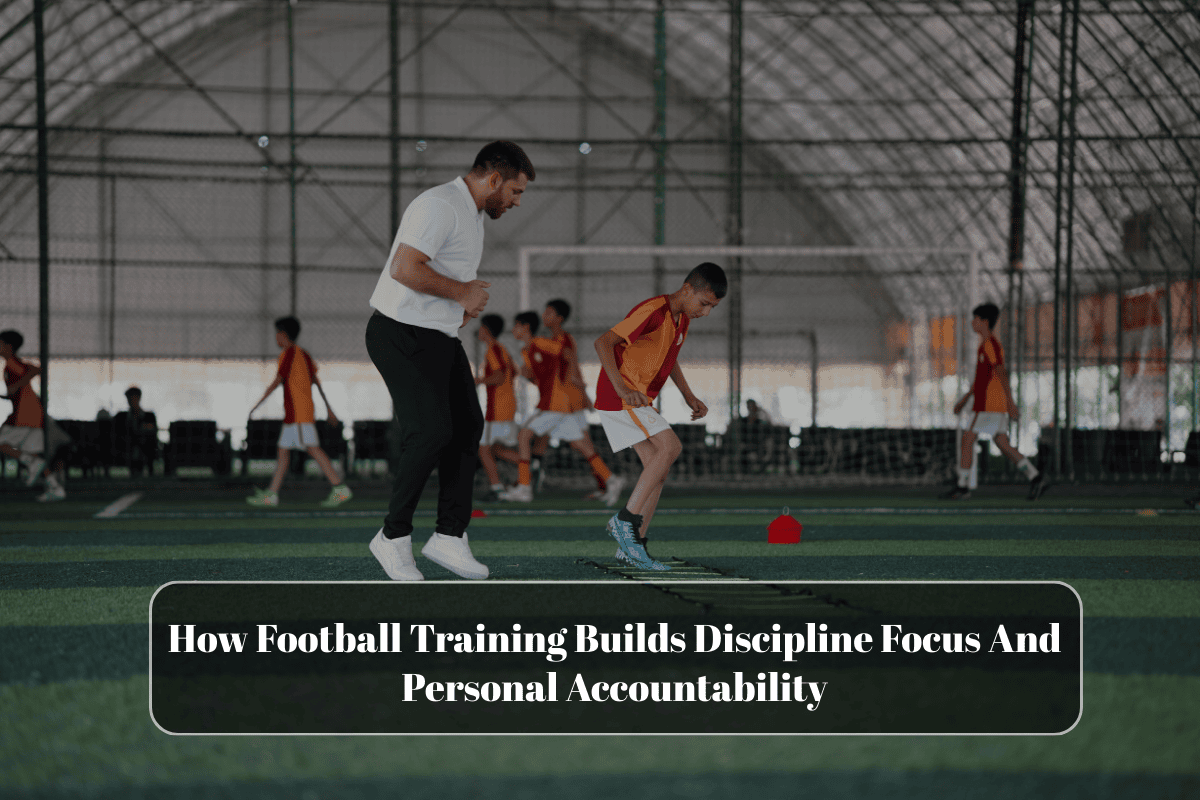
Youth workshops use gamified scenarios: mock crises (budget shortfalls in student council) demand on-the-spot plans. Sports tie-ins—soccer/football captains lead huddles under fatigue—teach real-time adaptation.
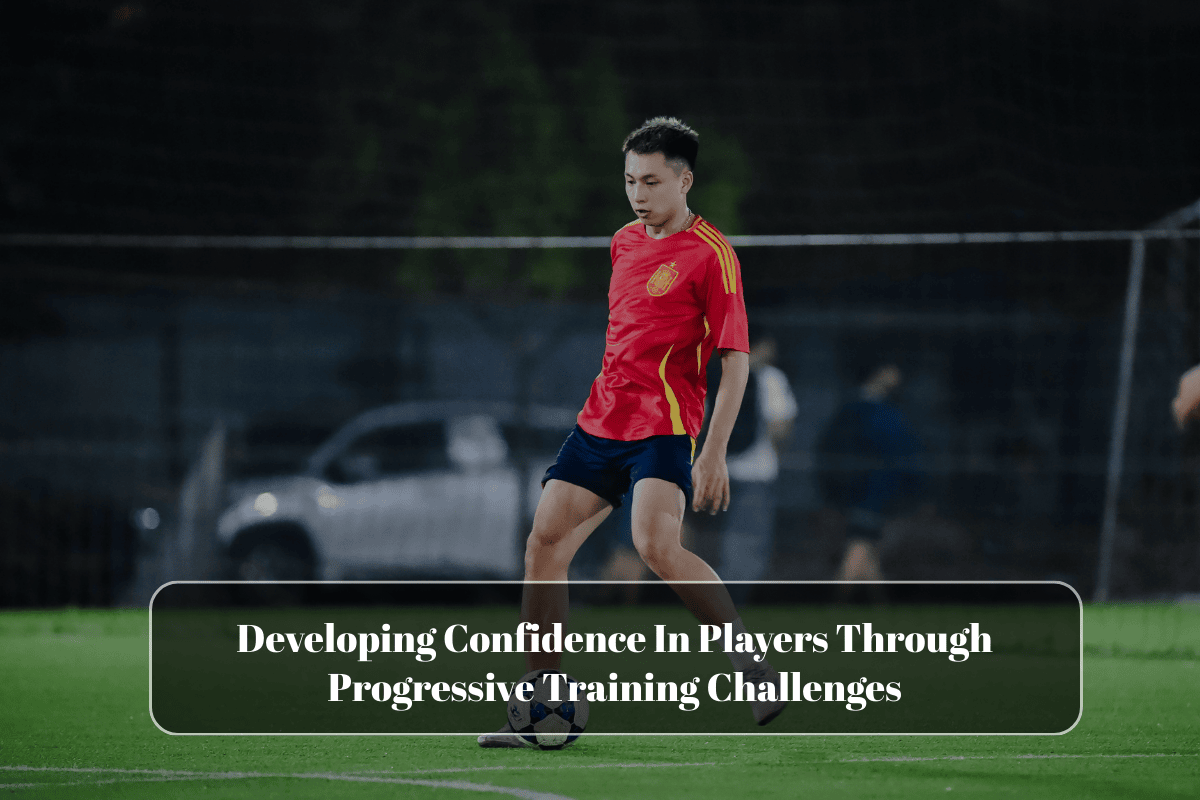
Peer coaching rotates roles: one leads defense, others critique constructively. Tech aids: apps record speeches for self-review, tracking tone improvements. Scale to community service, like organizing events under deadlines.
Building Team Resilience
Defensive leaders model accountability: own errors publicly (“My call; next play better”) to normalize recovery. Foster inclusivity—assign roles by strengths, not status—boosting collective composure.
Mentorship pairs youth with pros (coaches, trades mentors) for feedback. Programs measure via rubrics: 85% gain confidence post-10 sessions, per youth leadership data.
Real-World Applications
In schools: debate clubs hone verbal defense. Sports: captains steady teams in finals. Communities: youth councils navigate conflicts calmly. Long-term: preps for high-pressure jobs—construction foremen directing amid delays, or activists under scrutiny.
These skills yield 40% better outcomes in group tasks, empowering youth as steady influencers.
FAQs
Q. What defines defensive leadership?
Proactive poise: anticipate issues, communicate clearly, stay composed—leading from stability.
Q. How to train communication drills?
Role-play chaos with “I observe… I need” phrasing; boosts team speed 20-30%.
Q. Quick composure hack?
4-7-8 breathing; lowers stress 15% instantly for match pressure.
Q. Why debrief after pressure?
Analyzes without blame, builds grit via growth lessons.
Q. Applications beyond sports?
Debates, projects, community events—preps for career crises.