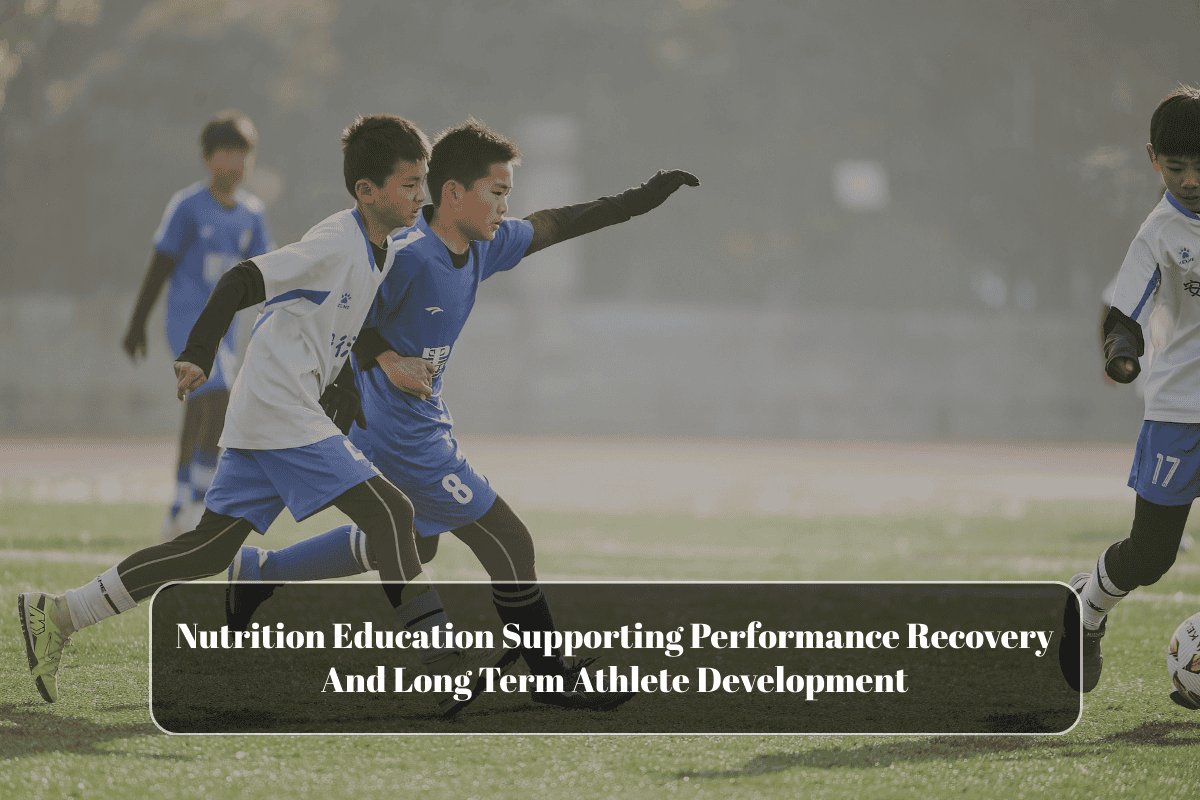
Nutrition education equips athletes with knowledge to optimize performance, speed recovery, and build sustainable careers through informed fueling choices. U.S. programs from the NFL to NCAA integrate dietitians, teaching youth that carbs restore glycogen while protein repairs muscle, cutting injury risks by 20-30%.
Macronutrient Mastery
Carbohydrates fuel high-intensity efforts; post-training intake of 1.2 g/kg bodyweight within 30 minutes restores stores 2-3x faster, enabling back-to-back sessions key for team sports. Proteins at 20-40g per meal, rich in leucine like whey or eggs, trigger synthesis for tissue repair, vital during growth phases for young athletes. Fats modulate inflammation—omega-3s from salmon reduce soreness—balancing diets for long-term joint health.
Timing for Recovery Windows
The “anabolic window” prioritizes 3:1 carb-to-protein shakes immediately after workouts, enhancing uptake via insulin spikes. Pre-sleep casein sustains overnight repair, while pre-event meals 3-4 hours out avoid GI distress. Education via apps like MyFitnessPal or team workshops personalizes this, boosting endurance by 20% in studies of collegiate players.
Hydration and Electrolyte Balance
Dehydration drops performance 10-20%; urine color charts teach monitoring, with 16-24 oz water per sweat pound lost. Sodium, potassium via bananas or sports drinks prevent cramps during multi-hour practices. U.S. Soccer’s nutrition curriculum emphasizes this for youth, reducing heat illness in tournaments.
Micronutrients for Resilience
Iron combats fatigue in female athletes (30% deficient), spinach pairing with vitamin C ups absorption 6x. Antioxidants from berries blunt oxidative stress, aiding recovery; calcium/vitamin D fortify bones against impacts. Programs screen via bloodwork, tailoring supps like creatine (5g daily boosts power 10%) for ethical gains.
Periodized Nutrition Plans
Match intake to cycles: high-carb build phases, moderate deficits for peaking. NFL Combine prep uses 5-7g/kg carbs daily for mass; off-season focuses fat loss without muscle catabolism. Youth academies teach logging via journals, fostering habits for pro transitions.
Injury Prevention and Rehab
Anti-inflammatory diets—turmeric, cherries—slash downtime 25%; collagen peptides (15g) strengthen tendons. Post-ACL, phased protein ramps rebuild mass. Education empowers self-management, cutting re-injury via compliant adherence.
Long-Term Athlete Development
From peewee to pros, nutrition builds metabolic flexibility; calcium now prevents osteoporosis later. Mental ties: stable blood sugar curbs mood swings, enhancing focus. U.S. Olympic Committee’s LTAD model integrates this, yielding sustained elites.
Practical Tools and Education
Team dietitians demo meal prep; apps track macros. School programs boost knowledge 40%, per interventions, aligning with your sports interest for holistic growth.
This foundation turns athletes into self-reliant performers, maximizing careers.
FAQs
1. How soon post-workout for best recovery?
Within 30-60 minutes: 20-40g protein + 1.2g/kg carbs maximizes repair and glycogen.
2. Best protein sources for young athletes?
Whey, eggs, lean meats—leucine-rich for synthesis; 1.6-2.2g/kg daily total.
3. Does hydration affect long-term gains?
Yes—2% loss impairs strength 10%; track via urine/thirst for optimal training.
4. Role of supps like creatine?
Ethical power boost (5g/day); enhances high-intensity output 10-20% safely.
5. How to periodize youth nutrition?
High-carb training, moderate cuts for peaks; educate via journals for lifelong habits.