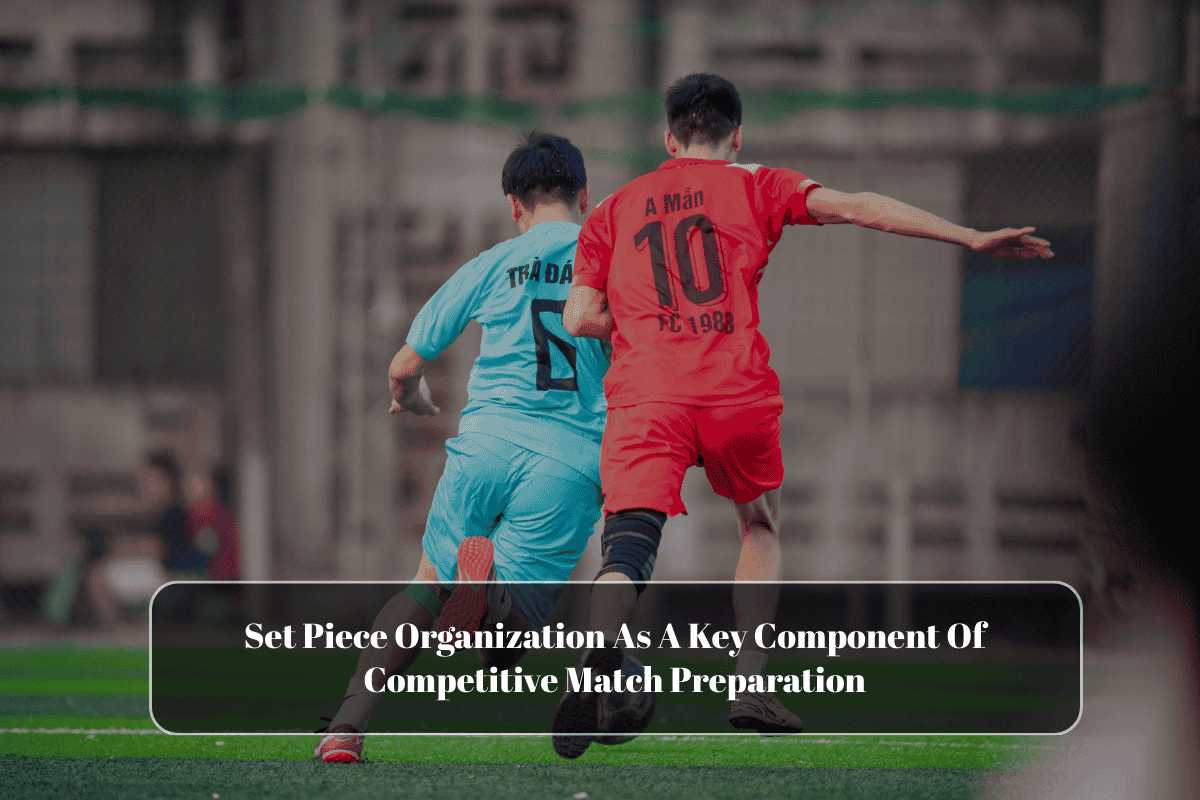
Set piece organization forms the backbone of competitive match preparation in US soccer, turning dead-ball moments into game-changing opportunities. Professional and collegiate programs emphasize routines that account for 30-40% of goals, blending analysis, repetition, and adaptability to outsmart opponents.
Strategic Planning
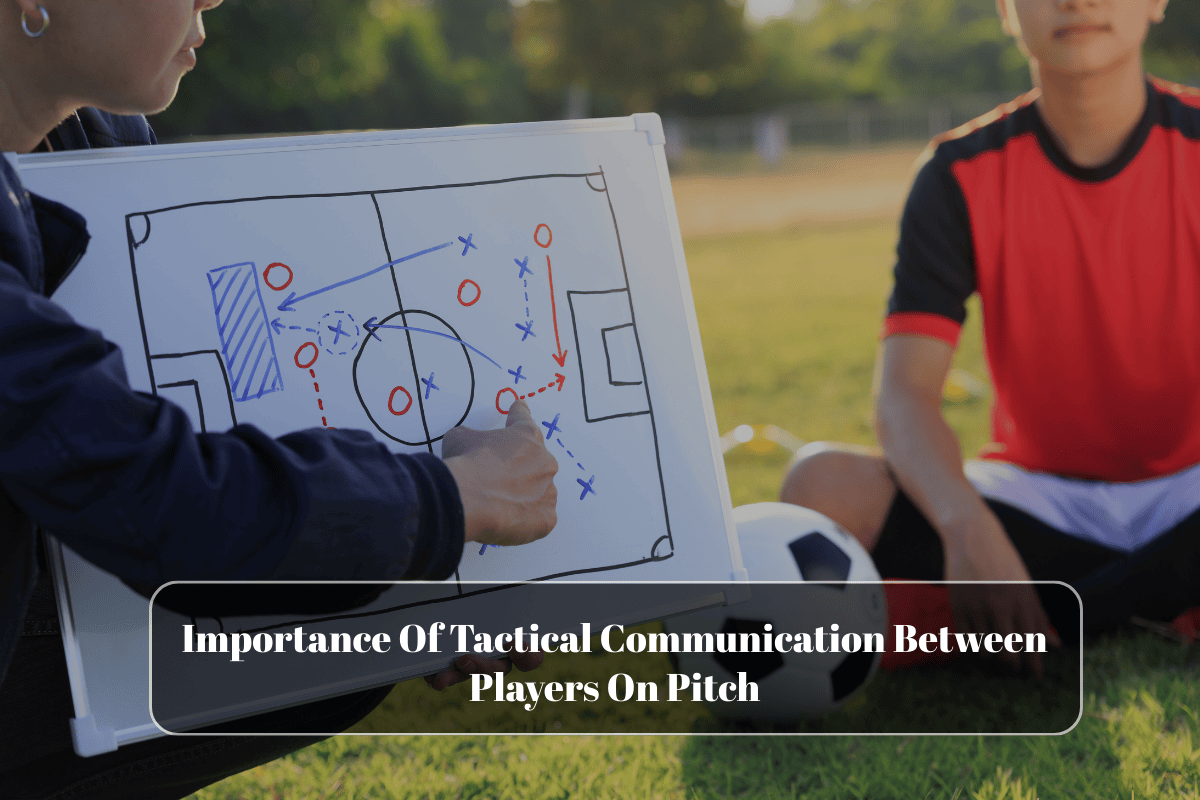
Effective preparation starts with scouting opponent weaknesses—short defenders on back-post runs or keepers weak on inswingers. Coaches develop 5-10 variations per set piece type, signaling plays via arm gestures or player positioning to maintain unpredictability. US college teams like Stanford and UVA allocate 20% of training to set pieces, using video analysis to tailor deliveries: high inswingers for aerial threats, flat drives for near-post flicks.
Corner Kick Routines
Corners demand precise roles: 6-8 attackers in the box, with blockers clearing paths, decoys dragging markers, and two outside for counters. A proven setup places one near-post runner, two central targets, and a back-post lurker, delivered by left-footed takers from the right for curl. Short corners shift angles for cutbacks, exploiting overloaded defenses—MLS sides like LAFC score 25% from these via rehearsed one-twos.
Free Kick Execution
Direct free kicks prioritize power and dip, but indirect routines create chaos: walls disrupted by runners, balls chipped to penalty-spot blockers who release strikers. USMNT drills emphasize 18-yard precision, with 35% conversion in training translating to 15% match goals. Defensive shape zones the box—man-marking headers, zonal coverage edges—to repel threats.
Throw-In Innovations
Long throw-ins, revived by MLS innovators, arc 30+ yards into crowded boxes, mimicking corners. Rutgers and Duke youth academies train “grenade” throws with flat trajectories, paired with late runners for 10-15% goal upticks. Short throws retain possession, baiting presses.
Defensive Organization
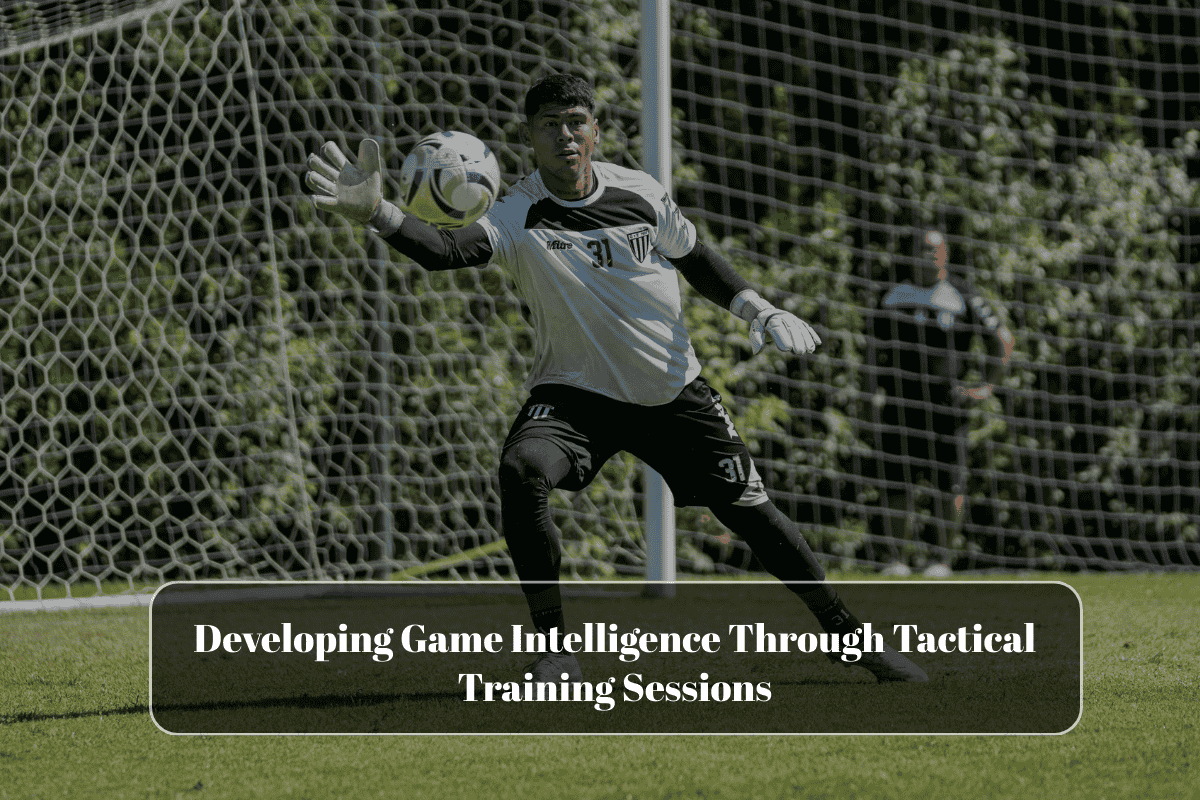
Mirroring attack prep, defenses clarify starting/end positions: zonal near/far post, man-marking dynamic runners. Communication prevents gaps—one voice calls “mine”—while GK commands sweeps second balls. Pro teams rehearse 50 reps weekly, reducing conceded set-piece goals by 40%.
Training Integration
Weekly cycles dedicate Tuesdays to unopposed routines, Thursdays opposed small-sided drills linking to open play. Progressions build from walkthroughs (clarity) to full-speed under fatigue, mimicking match pressure. US Soccer’s curriculum mandates set-piece modules for all youth levels, with apps tracking conversions. Analytics via Hudl or Wyscout refine—e.g., targeting weak-side zones yields 2x efficiency.
Match-Day Application
Pre-game walkthroughs on opponent pitch cement muscle memory; captains relay intel mid-match for tweaks. Adaptability rules: if routines leak, switch to chaos plays like crowded penalty-spot overloads. Legacy MLS coaches like Peter Vermes credit set pieces for playoff runs, proving preparation wins titles.
FAQs
Q. Why prioritize set pieces?
They generate 30-40% of elite goals, exploiting organized defenses.
Q. Key corner roles?
Blockers, decoys, targets, outside counters—6 in box standard.
Q. How to vary free kicks?
Insing/outswingers, shorts, indirect walls for unpredictability.
Q. Defensive essentials?
Clear positions, communication, zonal/man hybrid marking.
Q. Training frequency?
20% weekly: unopposed early, opposed late for realism.