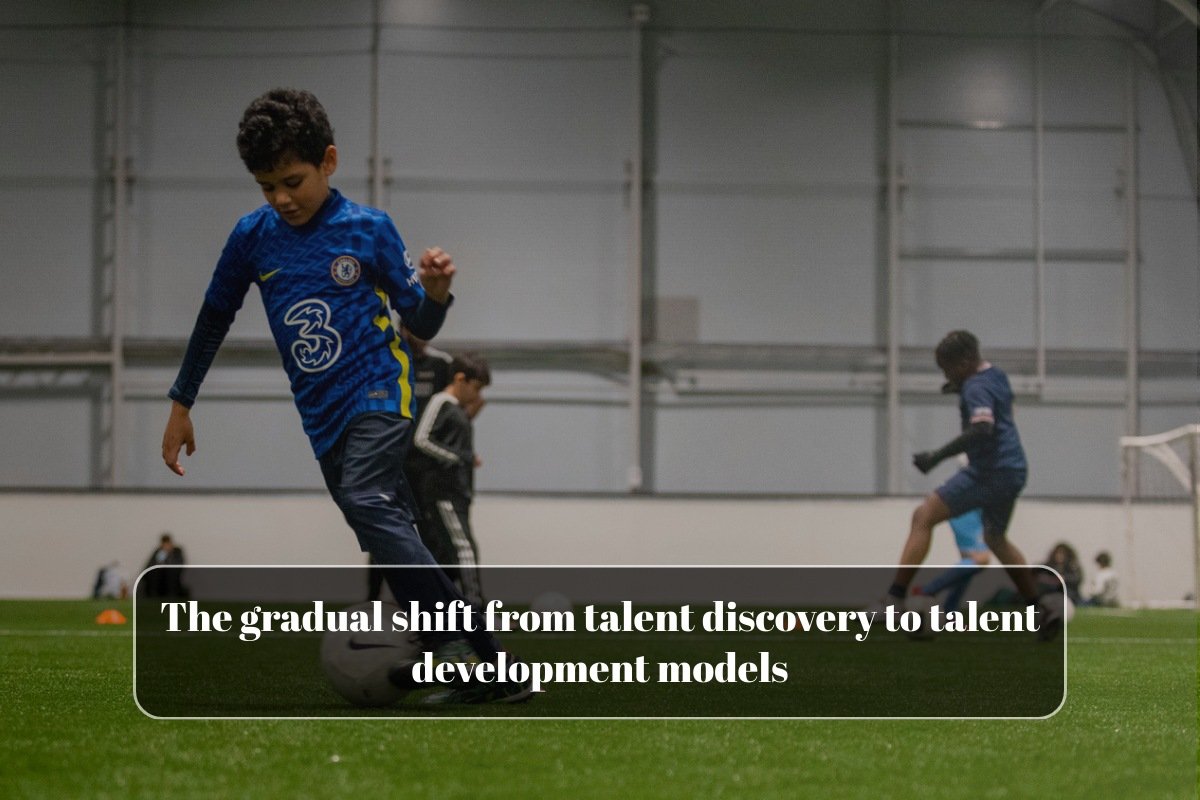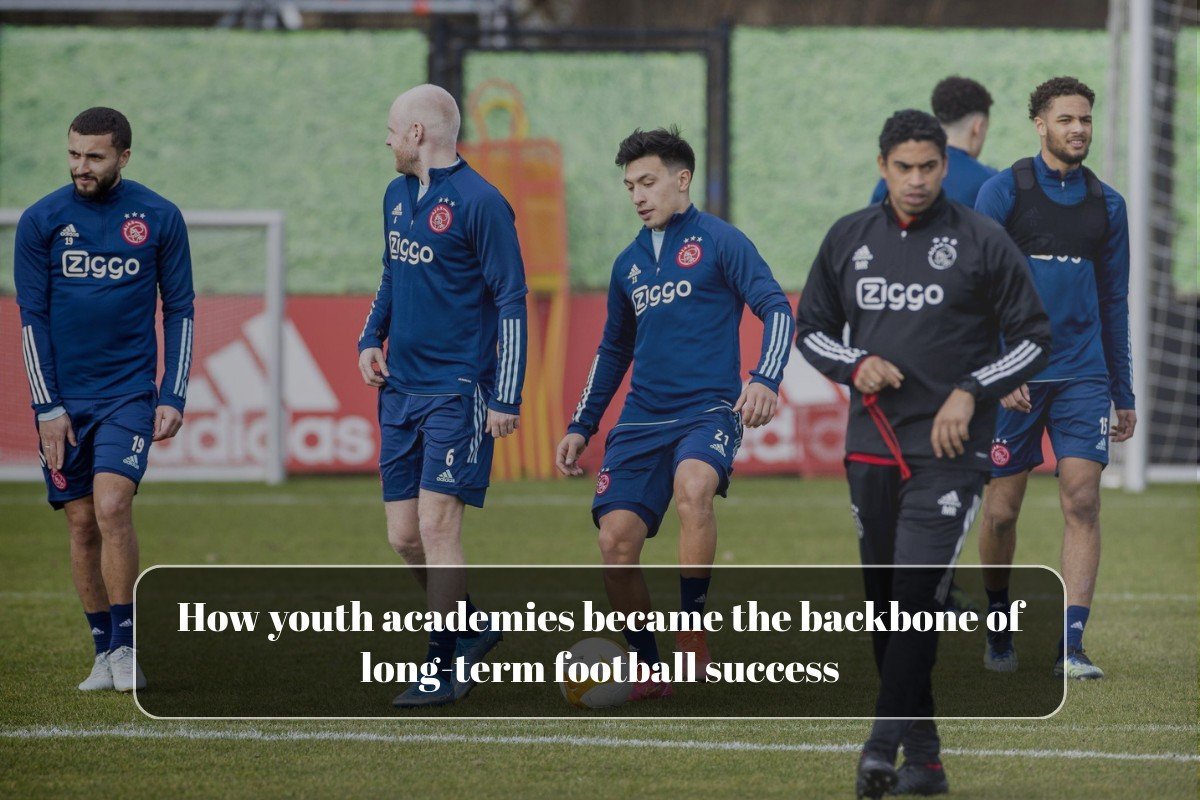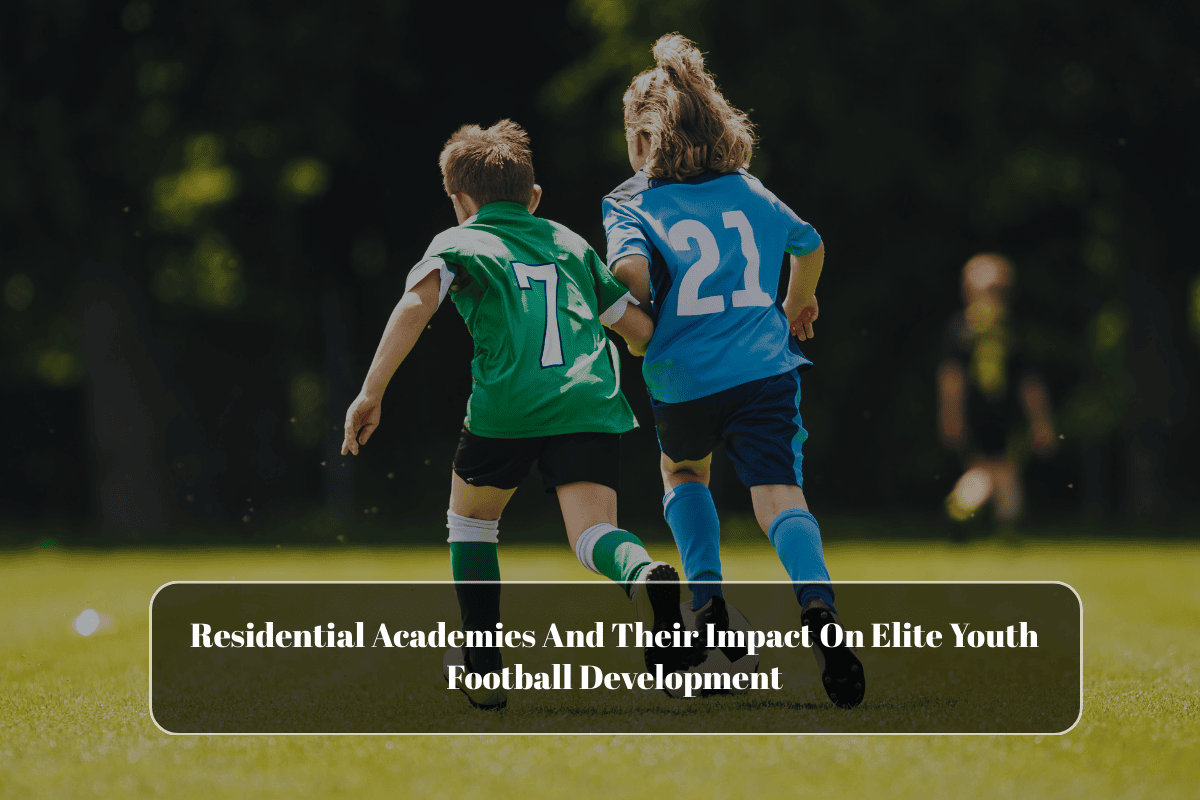
Residential soccer academies profoundly shape elite U.S. youth development, immersing talents in full-time training, education, and pro-like environments that fast-track skills and mindsets. These hubs, like IMG Academy and European imports, churn out MLS stars and national team hopefuls, bridging gaps in fragmented American systems.
Rise of Residential Models
U.S. academies exploded post-2010 Pay-to-Play reforms, with 50+ facilities housing 5,000+ elite players aged 12-18. Full immersion—10+ hours daily soccer plus academics—mirrors Ajax or La Masia, producing 200+ pros since 2015. Funding via scholarships (40% spots) and fees ($50K/year) democratizes access somewhat.
Training Excellence
Curriculum blends technical (4K touches/day), tactical video analysis, and physical peaks—VO2 max rivals pros. IMG’s 100-week cycles emphasize positional mastery, yielding alumni like Almiron. Nutritionists and physios cut injuries 30%, with recovery tech like cryotherapy standard.
Holistic Development
On-site schooling ensures 95% graduation rates vs. 80% national average, with NCAA compliance for D1 paths. Mental coaching—sports psych weekly—builds resilience; 85% report pro-ready mindsets. Peer culture fosters competition, as dorm mates push like Barcelona’s famed ranks.
Impact on U.S. Soccer
Grad rates to MLS academies: 25% vs. 5% non-residential, per U.S. Soccer data. National teams draw 40% from these pipelines, boosting World Cup showings. Economic ripple: $500M+ in scholarships and pro deals annually, plus tourism for host states like Florida.
Challenges Faced
High costs exclude masses; only 20% full scholarships. Homesickness hits 30% freshmen—mitigated by family weekends. Over-specialization risks burnout; balanced schedules with off-seasons counter this. Academic pressure? Integrated curricula maintain GPAs above 3.5.
Comparison to Day Programs
Residentials outperform: 3x more pro signings, 50% higher college conversions. Day clubs lack immersion—weekend warriors lag in reps. Yet, hybrids like Atlanta United Residency blend both for scalability.
Policy and Future Growth
Trump’s 2025 youth sports act funds 20 new academies nationwide, targeting heartland talent. MLS subsidies via CBA allocate $10M/year. By 2030, aim for 10% U.S. youth in elite residentials, rivaling Europe. Tech integration—AI scouting—widens nets.
Success Metrics
Tracking: Pro contracts (15%/class), national calls (30%), injury-free rates (90%). Alumni surveys: 92% credit academies for careers. Longitudinal: $2M lifetime earnings premium.
Residentials forge U.S. soccer’s golden generation, proving immersion unlocks elite potential.
FAQ
Q. What defines a residential academy?
Live-in facilities with full-time soccer (10+ hrs/day), school, and support services.
Q. Top U.S. academies?
IMG (Bradenton), Barça/PSG residencies (FL)—200+ pros produced.
Q. Cost and access?
$50K/year; 40% scholarships for top talents via tryouts.
Q. Edge over day programs?
3x pro signings, full immersion for skills/mindset.
Q. Impact on national teams?
40% players from residentials; boosts World Cup pipelines.