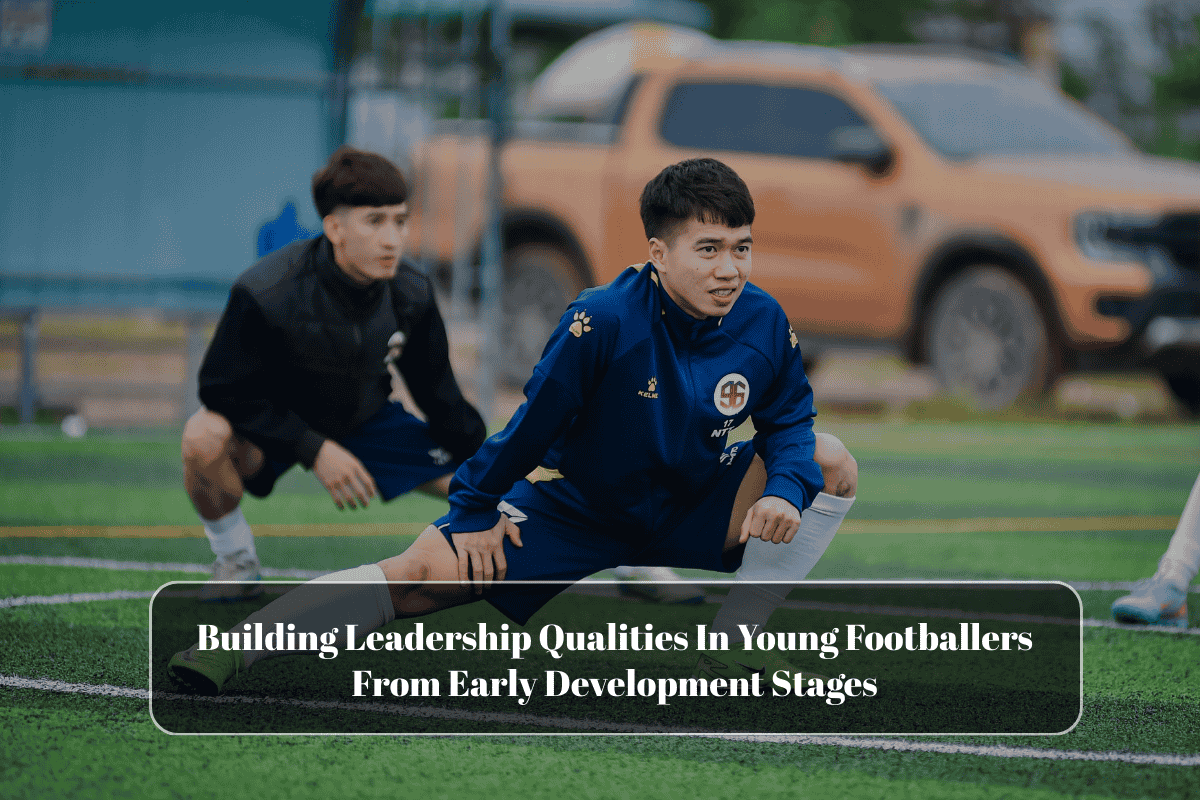
U.S. youth football programs cultivate leadership from U8 flag leagues onward, using age-appropriate training to forge captains who excel on and off the field. Initiatives like USA Football’s Focus 3 equip coaches to instill E+R=O—Event + Response = Outcome—fostering resilient decision-makers.
Foundations in U6-U10 Flag Football
Non-contact flag play emphasizes fun, teamwork, and basic choices like passing lanes, building confidence without pressure. Coaches model empathy, praising effort over scores, aligning with USA Football’s Development Model that prioritizes holistic growth.
Peer huddles teach communication—kids call plays simply—developing vocal leaders early. Parents reinforce via sidelines cheers focused on process, setting inclusive tones.
U12 Tackle Transitions
Introducing light contact, programs rotate captaincies weekly, rotating roles like quarterback or huddle leader to build ownership. Focus 3’s R Factor trains responses to mistakes, turning fumbles into teachable rallies.
Small-sided games (5v5) amplify decision-making, where kids strategize aloud, honing influence skills. Volunteer certifications mandate leadership modules, ensuring consistent messaging.
Middle School Team Captaincies
U14 squads elect captains via peer vote, granting input on warm-ups or goal-setting—NFL Foundation-backed leagues emphasize sportsmanship votes. Continuous improvement reviews post-game dissect “what we controlled,” breeding accountability.
Mentorship pairs vets with rookies, modeling servant leadership like blocking for teammates. Community service ties—park cleanups—extend pitch lessons to life.
High School Varsity Development
Focus 3’s 16-course academy trains coaches in culture-building, with players leading player-only sessions on focus and discipline. Urban Meyer’s Ohio State playbook inspires high school adaptations, creating championship mindsets.
Captains facilitate halftime adjustments, applying empathetic coaching to de-escalate tensions. Analytics tools track leadership metrics like huddle engagement, guiding feedback.
Key Leadership Qualities Cultivated
Communication shines in huddles—clear, concise calls prevent chaos. Resilience via R Factor equation teaches owning responses, turning losses into growth. Teamwork rotates positions, preventing silos.
Accountability peer-reviews hold all responsible, while empathy reads body language for motivation.
Coaching Techniques for Leaders
Empathetic styles praise specifics—”Great block, Jake!”—building esteem. Continuous improvement methodologies use halftime tweaks and post-game what-ifs, easy for kids.
IYSL trains coaches as culture shapers, investing in youth sports leaders for strategy and experience.
Parental and Community Roles
Parents attend workshops on reinforcing coach messages, avoiding sideline overrides. Leagues partner schools for academics-first policies, linking leadership to GPAs.
National Team pathways like USA Flag reward holistic standouts with trials.
Measuring Long-Term Impact
Alumni track records show captained youth 2x more likely in college leadership or jobs requiring teams. Programs like NFL Academy globalize U.S. models, proving transferable skills.
Early investment yields lifelong winners.
Frequently Asked Questions (FAQs)
1. What’s the Football Development Model?
USA Football’s age-appropriate progression minimizing contact for skill-building and fun.
2. How does Focus 3 build leadership?
Via E+R=O training, empowering disciplined responses for coaches and players.
3. Why rotate captain roles early?
It develops broad ownership and prevents cliques in young teams.
4. What role do parents play?
Workshops align them with coaching, focusing cheers on effort over wins.
5. Do these programs improve life skills?
Yes, alumni lead 2x more in college and careers beyond football.