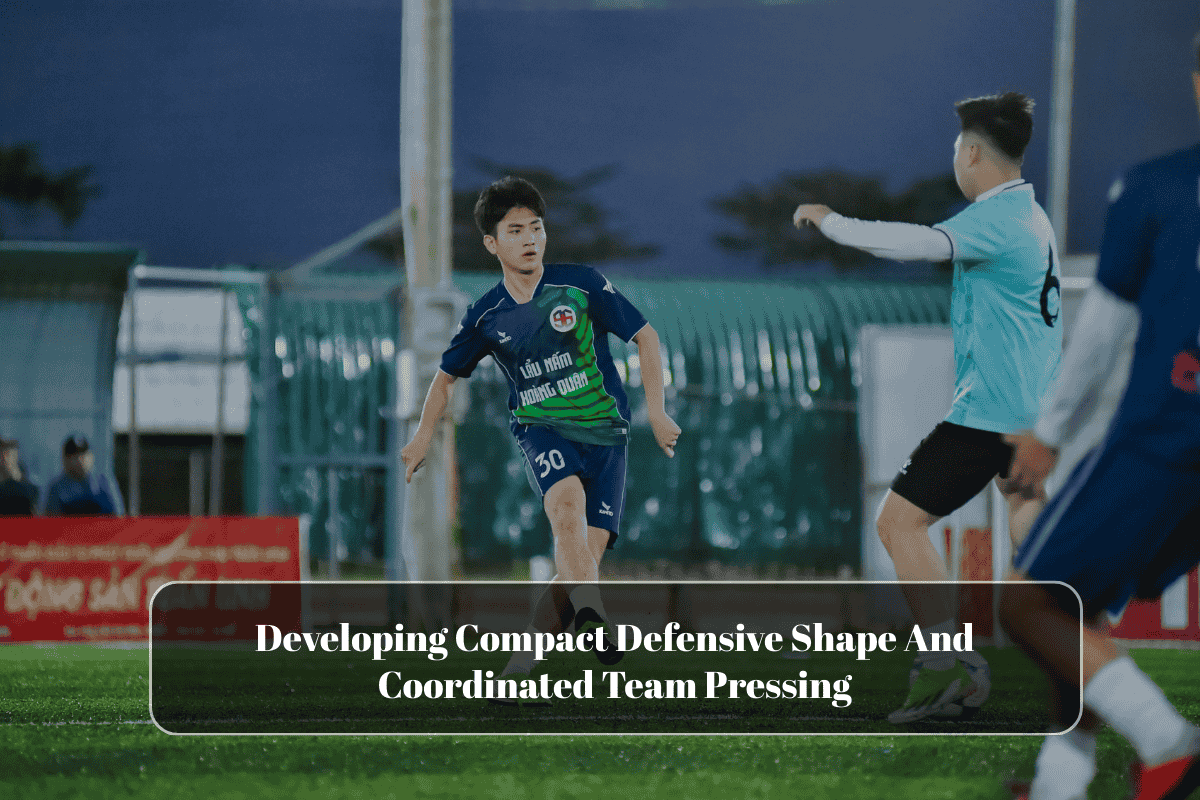
Compact defensive shape and coordinated pressing form the backbone of successful U.S. youth football defenses, stifling offenses while building disciplined teams. These tactics, drawn from proven youth schemes like the 5-3 and 6-2, create narrow units that force plays wide or halt them outright, ideal for peewee to high school levels.
Understanding Compact Shape Basics
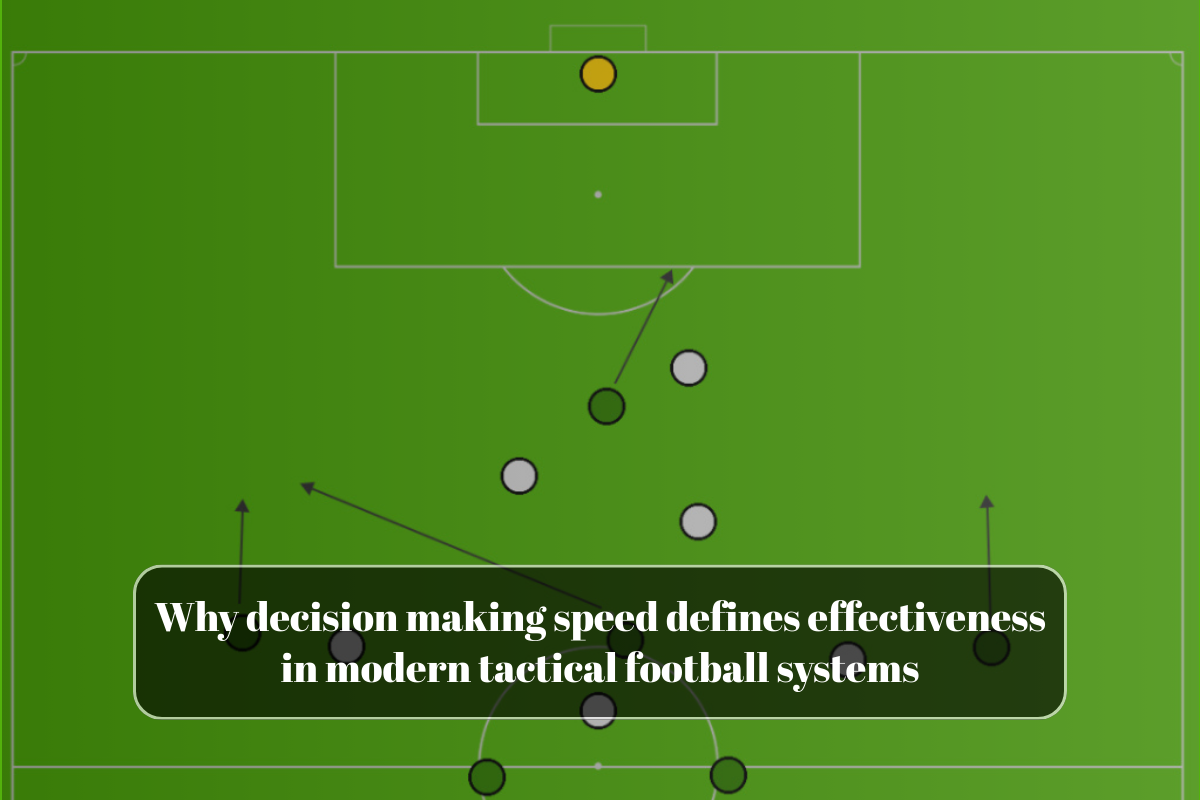
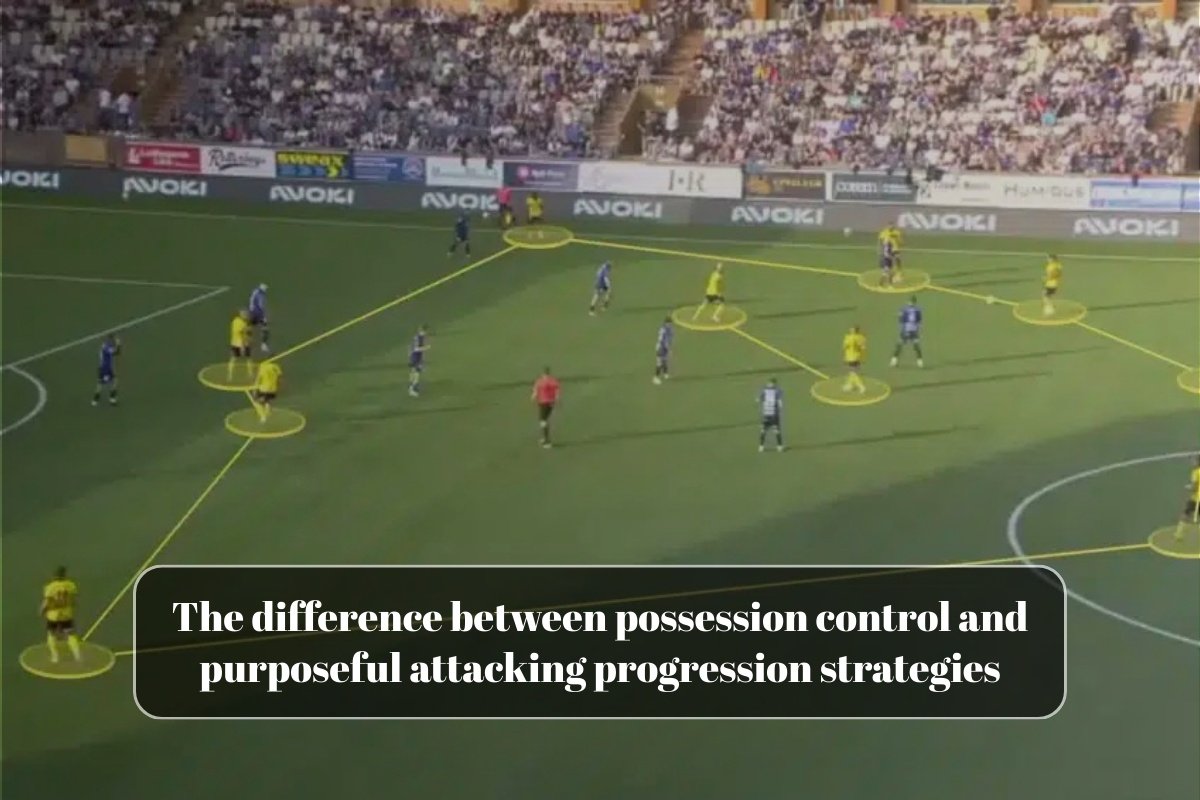
Compactness shrinks the defensive footprint, positioning players 10-15 yards apart vertically and horizontally to clog lanes. Youth favorites like Gap 8 or 5-3 defenses assign one defender per gap, eliminating cutback options—DTs in A-gaps, LBs in B-gaps, DEs on edges.
In 4-4 setups, outside LBs pinch inward, forming a box that funnels runners to pursuit angles. Maintain a flat back line; dropping deep thirds safeties cover kicks while fronts hold firm.
This structure suits run-heavy youth games, where offenses pound inside 85% of snaps.
Building the Defensive Block
Start drills with shadow defending: unit mirrors possession grids without ball, holding shape under coach pressure. Progress to 4v4+ neutrals, emphasizing “squeeze” cues—midfielders slide toward ball, fullbacks tuck in.
U10s use 3-3-2 or 4-3-1 “fortress” for deep blocks, midfield diamond screening passes. High school 5-3 unders slant DL to wrong gaps, baiting traps while LBs scrape over top.
Key: distance between lines stays constant, bending as unit not individuals.
Triggers for Coordinated Pressing
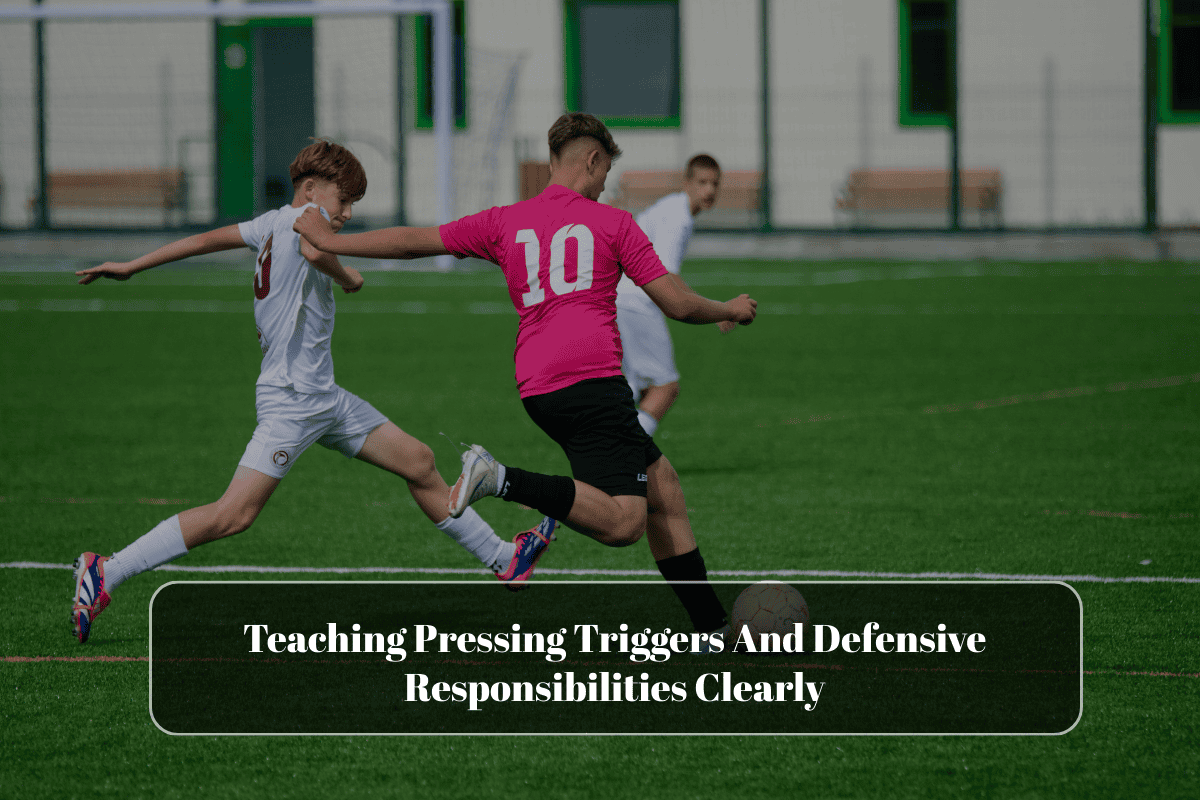
Pressing activates on triggers like bad touches or backward passes—front four swarm within 5 seconds, midfield provides second-wave cover. In 6-2 Wide Tackle 6, DTs bear-crawl A-gaps, LBs blitz B on “fire” calls.
Youth 4-2-5 hybrids drop hybrid LBs into flats, rushing edges selectively. Color-coded calls (red=blitz left) simplify for kids; safeties read QB eyes for delays.
High press risks counters—drill recoveries with jockeying to delay.
Drills for Shape Maintenance
Rondo variations: 6v3 in tight grids teach scanning, positioning before contact. Defensive shape games add triggers—on “go,” front presses while backline steps up 5 yards.
Progression ladders: unopposed shape → possession games → full 11v11. Use cones for gap assignments; reward units holding compactness post-loss.
Sessions end with walkthroughs, verbalizing “pressure-cover-balance.”
Positional Responsibilities
Front three (5-3): Nose anchors center, ends contain forcing bounce. Tackles two-gap on slants, freeing LBs. Middle LB stacks reads run/pass; wings plug alleys.
CBs jam receivers tight in man, funneling inside. Safeties split thirds, dropping 7-10 yards—no freelancing.
Rotate roles weekly to build understanding.
Common Youth Adjustments
Against spread offenses, shift to 4-4 Cover 3: LBs walk to slots, safeties high. Run-heavy? Stack 7-Diamond or 6-5 Goal Line, plugging every gap.
Motion countermeasures: call “set-set-check” to reset shape. Blitz packages from base 5-3 pull NT to LB, morphing to 4-4.
Adapt to age—U8 flags prioritize fun positioning over aggression.
Coaching Cues and Feedback
Yell “narrow!” on wide balls, “step-step-step!” for line speed. Video breakdowns show shape breakdowns; praise collective holds over solo tackles.
Positive reinforcement: “That’s championship shape!” ties effort to wins. Scrimmage offenses slowly to ingrain habits.
Game-Day Execution
Pre-snap huddles confirm fronts; sideline signals adjust leverage. Halftime tweaks fix drift—e.g., “Tucks too deep, squeeze midfield.” Celebrate shutouts with shape shoutouts.
Mastery turns average talent into walls.
Frequently Asked Questions (FAQs)
1. What’s the most popular youth compact defense?
5-3 or 6-2, plugging gaps with simple 1-1 assignments.
2. How do you teach pressing triggers?
Bad touches or back passes cue front-four swarms, with midfield cover.
3. Why maintain flat back lines?
Prevents balls between, forcing play wide to pursuit.
4. Best drill for shape?
Shadow defending and rondos, progressing to full games.
5. How to adjust for spread offenses?