Visionary coaches have redefined football training from rigid drills to holistic systems blending tactics, psychology, and science, influencing U.S. youth academies to Premier League giants. Pioneers like Rinus Michels and Johan Cruyff shifted paradigms, embedding fluidity and pressing that dominate 2026 playbooks.
Rinus Michels: Total Football Blueprint
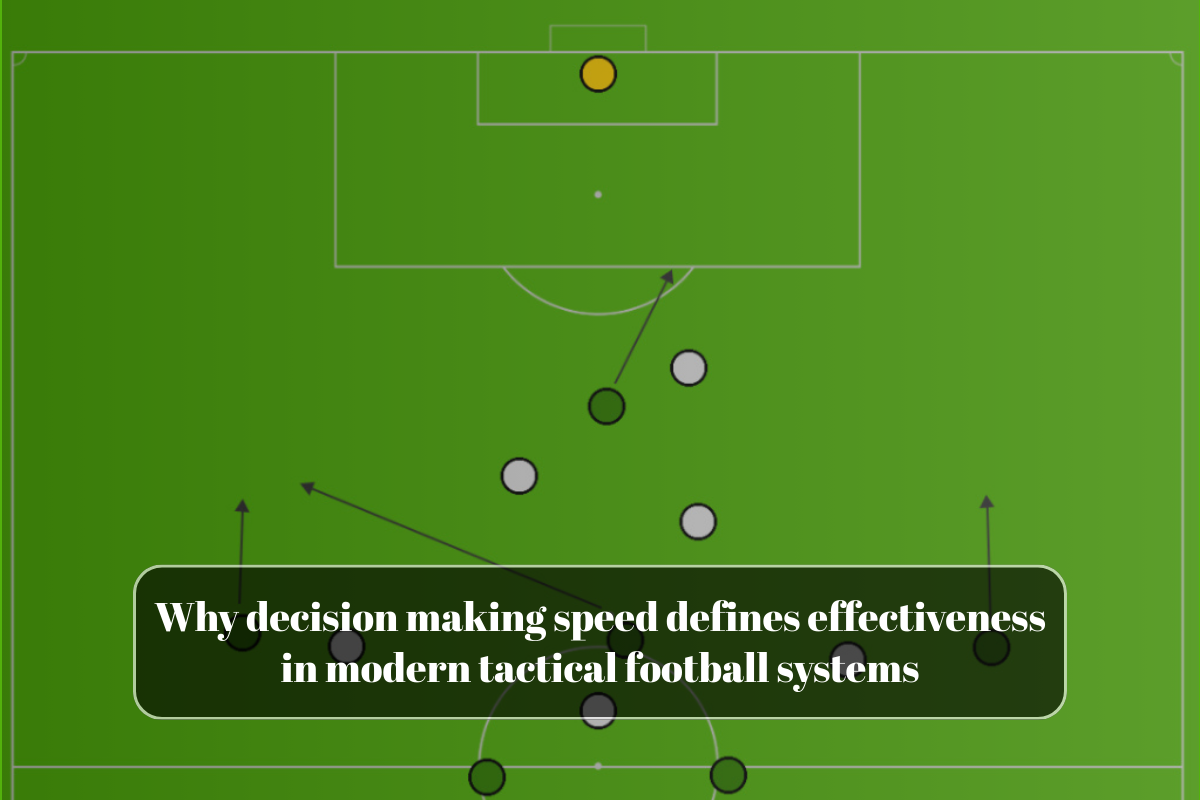
Michels’ 1960s Ajax innovations birthed Total Football, where positional interchange and high pressing created dynamic attacks. Training emphasized space awareness via small-sided games, ditching static lines for fluid movement—players trained as thinkers, not robots.
This system won Ajax three straight European Cups (1971-73), spreading via Dutch national team. U.S. adaptations appear in MLS academies, prioritizing possession over long balls.
Michels proved training evolves with player intelligence.
Johan Cruyff: Possession and Youth Mastery
Cruyff refined Total Football at Barcelona, implementing 3-4-3 with midfield overloads and tiki-taka short passes. La Masia academy revolutionized youth training: technical drills from U8s, positional rotation, and “Cruyff Turn” feints as staples.
His 1992 European Cup triumph embedded philosophy—”control the ball, control the game.” Guardiola inherited this, scaling to global dominance. American clubs like NYCFC mirror La Masia models.
Cruyff fused tactics with culture.
Arrigo Sacchi: Defensive Discipline Revolution
Sacchi’s AC Milan (1987-91) perfected zonal marking and compactness, training units to move as one via video analysis and shadow play. Offside trap drills—high line timing—nullified stars like Maradona, yielding two European Cups.
Psychological prep included meditation for focus; fitness fused HIIT with yoga. Serie A exported this to U.S. coaching licenses, emphasizing “collective over individual.” Sacchi’s rigor shaped Mourinho and Tuchel.
Defense became proactive art.
Pep Guardiola: Positional Play Evolution
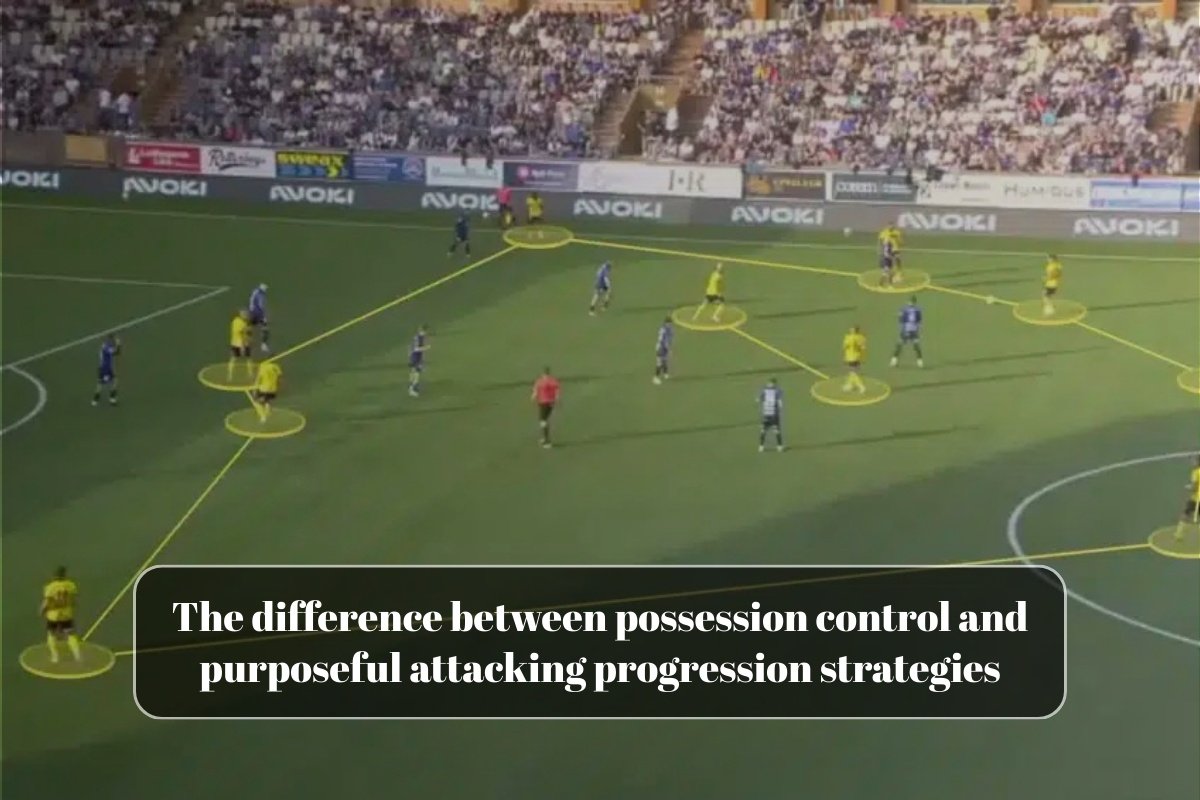
Guardiola’s Barcelona (2008-12) elevated tiki-taka with inverted fullbacks and false nines, training via rondo overloads for possession mastery. Data-driven sessions tracked touches and pressures, birthing gegenpressing.
Manchester City iterations added hybrid roles; Bayern honed transitions. MLS’s LAFC adopts his overload principles, with youth focusing on “half-spaces.” Guardiola’s 15 trophies prove analytics amplify vision.
Tech meets intuition.
Science and Psychology Integration
Visionaries pioneered periodization—Bompa’s cycles influenced Ferguson, balancing load to peak. Sacchi’s Milan used cryotherapy; Cruyff stressed mental reps via visualization.
Modern U.S. college programs blend GPS tracking with mindfulness, per NCAA guidelines. GPS data optimizes recoveries, reducing injuries 30%.
Holistic training sustains eras.
Youth Development Pipelines
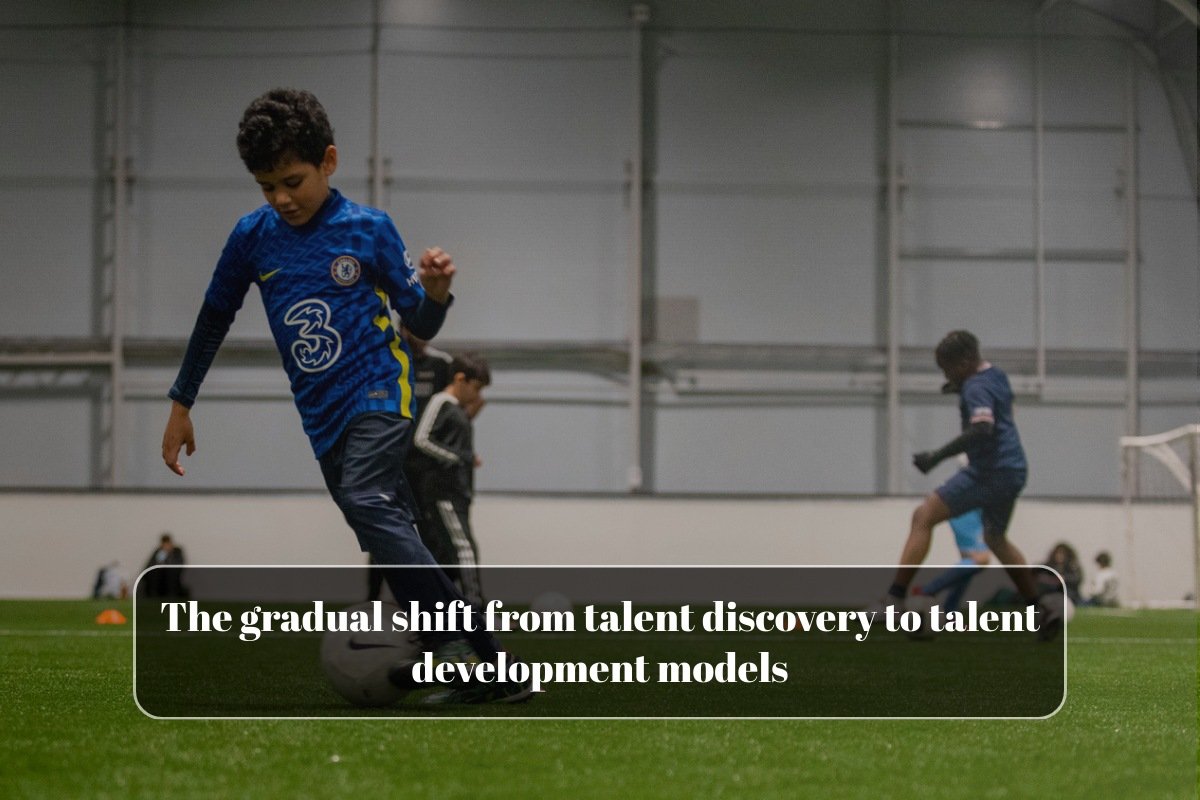
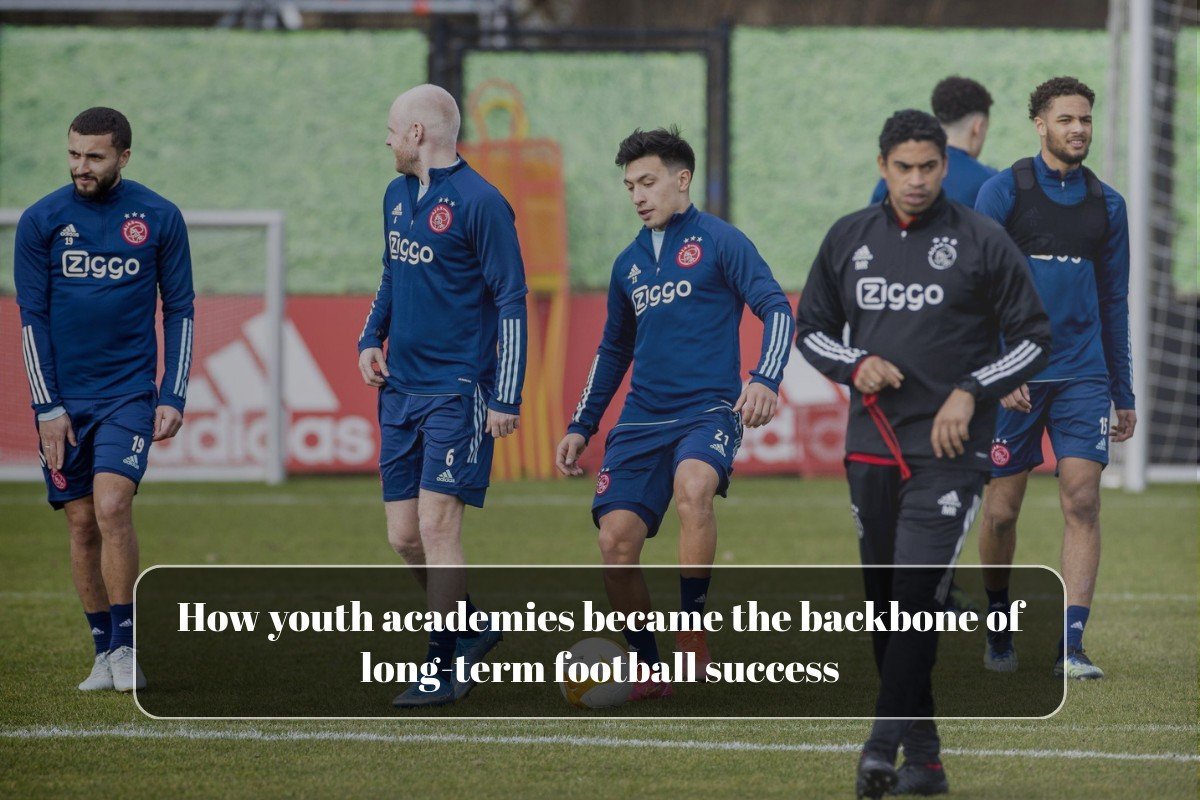
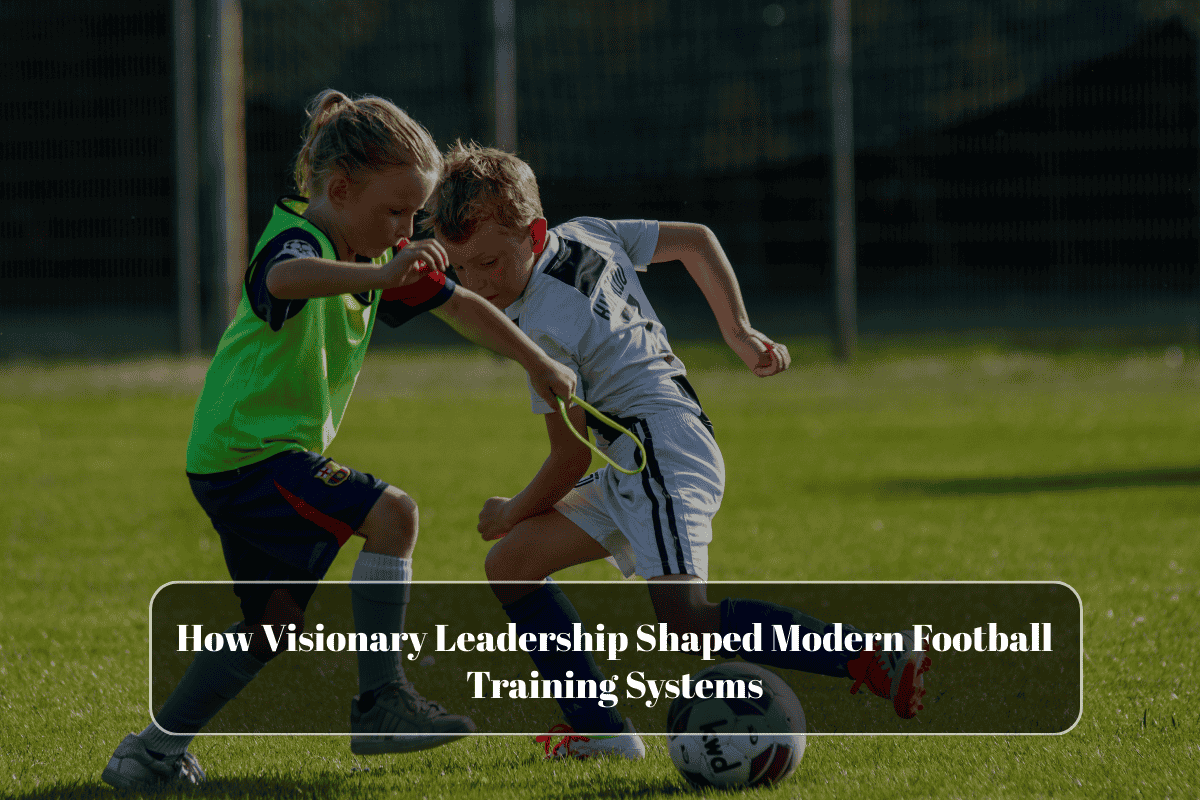
La Masia and Ajax academies train technique first, tactics second—daily rondos build touch under pressure. U.S. pathways like MLS Next prioritize small-sided games for decision-making, echoing Michels.
Residential camps immerse U12s in pro regimens, scouting holistic talents. Visionary blueprints scale grassroots.
Tactical Adaptability Drills
Shadow play simulates scenarios; possession games enforce pressing triggers. Opposition scouting via Hudl informs sessions, prepping counters—Guardiola’s hallmark.
U.S. high schools use VR for reads, accelerating adaptation.
Legacy in Modern Systems
2026 training fuses all: high-intensity rondos, data feedback loops, and psychological resilience. Visionaries proved evolution wins—static systems fade.
Their blueprints empower today’s innovators.
Frequently Asked Questions (FAQs)
1. Who invented Total Football?
Rinus Michels, emphasizing fluid positions and high pressing at Ajax.
2. How did Cruyff change youth training?
Via La Masia, prioritizing technique, rotation, and tiki-taka from U8s.
3. What’s Sacchi’s key innovation?
Zonal marking and team compactness through shadow drills and video.
4. How does Guardiola use data?
Tracking touches/pressures in rondos for positional mastery.
5. Why integrate psychology in training?
For resilience and focus, as in visualization and meditation routines.