Football academies nurture technical excellence in grassroots players through structured, age-appropriate training that builds fundamental skills like dribbling, passing, and ball control from the ground up.
In the U.S., programs aligned with US Youth Soccer and US Soccer Grassroots modules emphasize fun, small-sided games to maximize touches and decision-making, turning raw talent into skilled athletes without burnout.
Grassroots Foundations
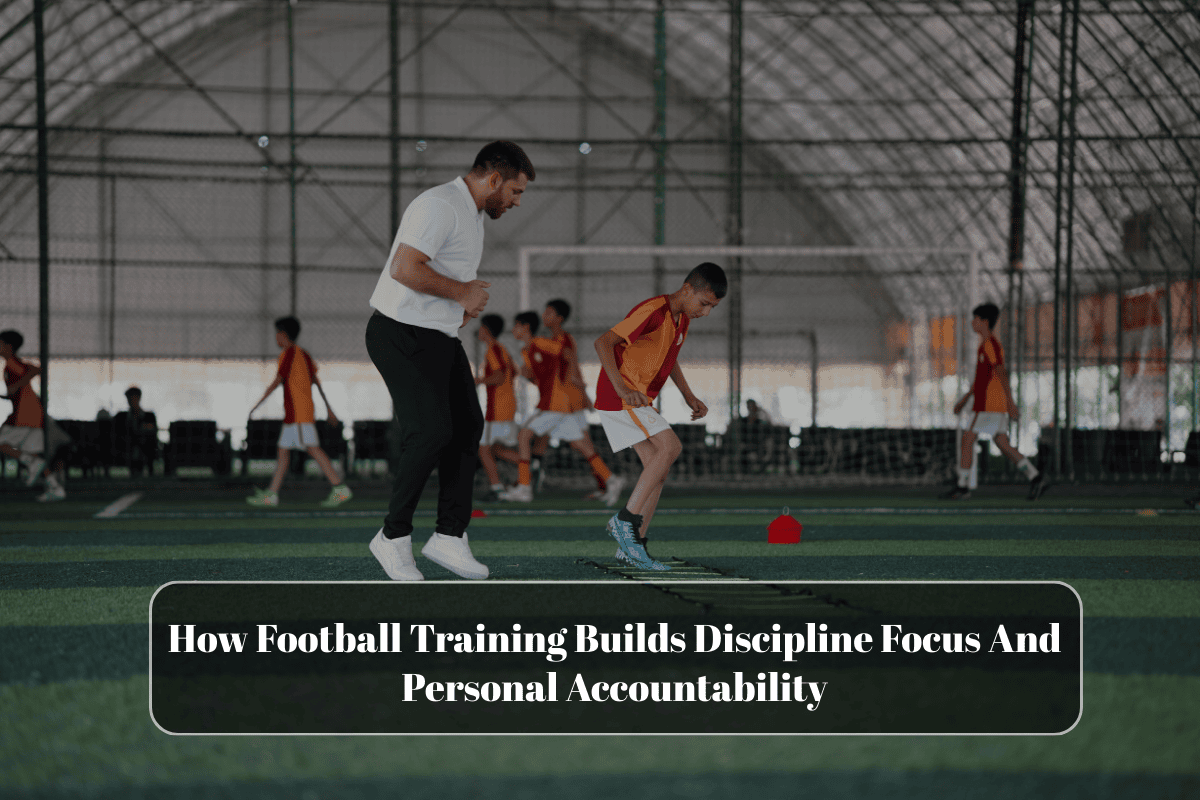
Grassroots (U4-U12) prioritizes joy and basics over wins; USA Stars Academy’s low-competition model introduces 1v1 duels and ABCs (agility, balance, coordination) via games, ensuring every child touches the ball 100+ times per session. Licensed coaches rotate styles, exposing kids to varied techniques while tracking progress via report cards.
Technical Training Pillars
- Ball Mastery. 50% session time on dribbling/shielding; FIFA Grassroots drills use larger goals/small fields for confidence. U6 shooting emphasis per US Soccer manual builds finishing early.
- Passing/Receiving. 1-touch sequences teach under pressure; “new ball” restarts give chances to all, boosting touches 2x.
- 1v1 and Finishing. Situational play develops feints, turns; IMG Academy camps refine position-specific mechanics like route-running for receivers.
- Long-Term Development. Annual curricula follow LTAD: U4 fun ABCs, U9 ball control, U13 tactics. We Make Footballers US offers pro coaching for 4-12s, all abilities.
Academy Methods
- Small-Sided Games. 3v3/4v4 maximize involvement; research shows 300% more actions vs. 11v11.
- Individualized Feedback. Video analysis, report cards; Rage FC follows international syllabi for progression.
- Coach Education. US Soccer Grassroots License trains volunteers; parents encouraged for authenticity.
- Pathways. Grassroots feeds competitive tracks; NFL Academy’s global model scouts grassroots stars.
U.S. Landscape 2026
Post-MLS academies, grassroots boom with USYS Game Format Project—Bazooka goals enable inclusive play. Ties to your coaching: Small groups mirror football drills for skill transfer.
Challenges and Solutions
No-touch frustration? Coach-passed balls. Over-competition? Fun-first metrics. Measure touches, decisions per game.
Impact on Excellence
Graduates dominate: 80% state teams; fun retention 90%. LTAD yields pros by teens.
FAQs
1. Age to start technical?
U4-U6 basics; ramps U9—fundamentals first.
2. Fun vs. drills?
Game-based drills: 70% play, technique embedded.
3. Parent involvement?
Volunteers trained; cheers build community.
4. Girls’ programs?
Equal—universal access, same curriculum.
5. Success metrics?
Touches/session, skill report cards, team advancement.