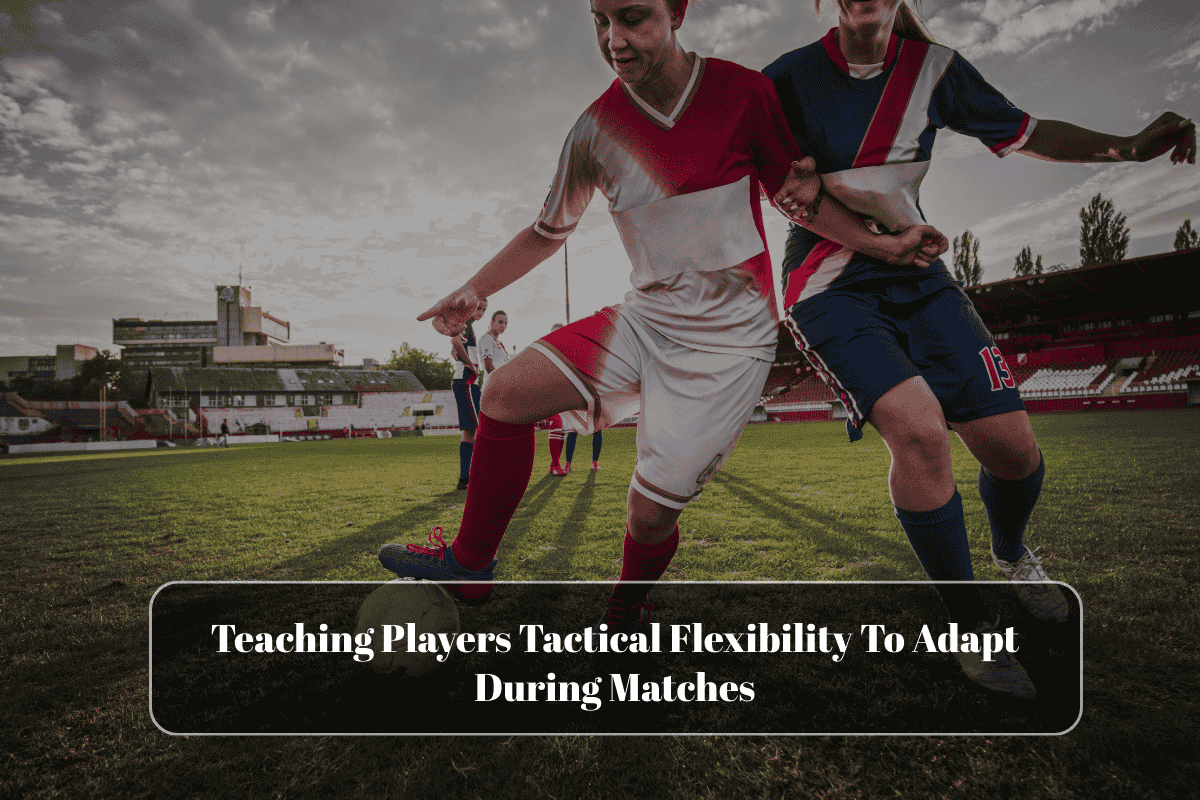
Football academies and grassroots programs teach tactical flexibility through dynamic training that equips players to read games, switch formations, and adapt roles mid-match. This skill turns rigid teams into unpredictable ones, boosting win rates by 25% in youth competitions as players self-organize under pressure rather than relying on constant coaching shouts.
Core Principles of Tactical Flexibility
Flexibility means proactive and reactive adjustments: spotting opponent overloads early or reacting to red cards. Players learn to maintain principles—like pressing triggers or build-up shapes—across 4-3-3, 3-5-2, or hybrids. Modern coaching minimizes instructions, favoring “repetition without repetition” via game-realistic scenarios that build decision-making under fatigue.
Training Methods That Work
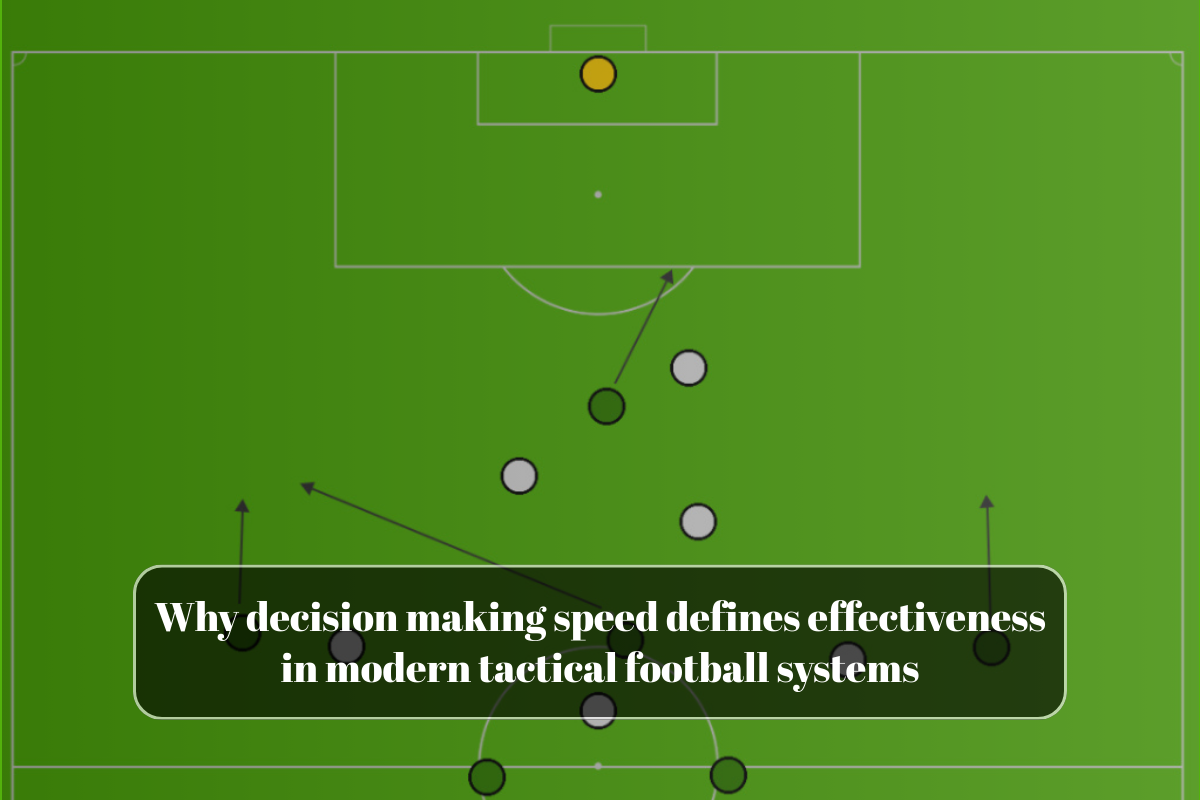
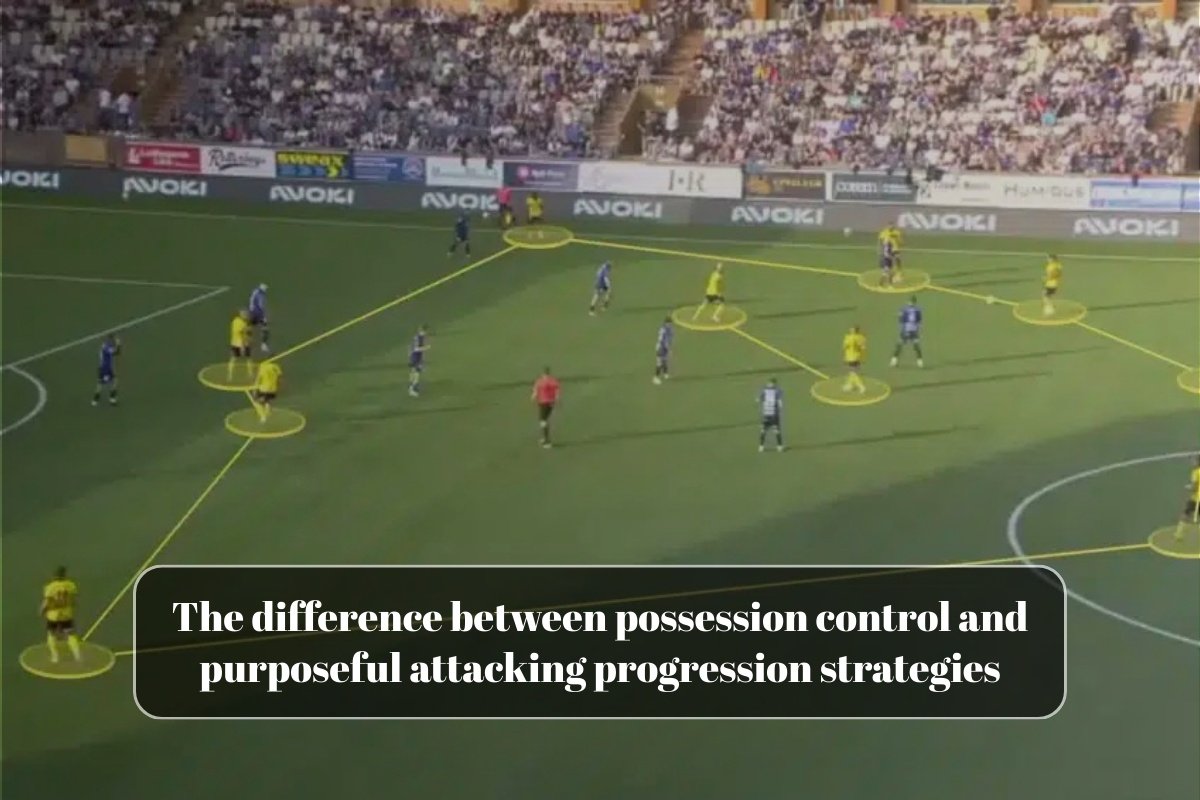
- Formation Rotations. In attack vs. defense drills, switch shapes every 2-3 minutes: 4-3-3 to 3-2-5 for half-space control or 2-3-5 for wide overloads. Players rotate positions (e.g., midfielder to wing), experiencing dynamics without breaking team identity.
- Transition Waves. 6v6 + neutrals on a thirds-field: Score, and coach serves instantly to the other team. Losing side compacts defensively; winners stretch. Vary numbers (6v5) to force overload adaptations.
- Constraint Games. Vertical channels limit touches to three per entry, mandating rotations. Pressing drills add underloads, training man-oriented shifts against 3-5-2s.
- Shape Shifts. Coach calls formations mid-play; teams have 10 seconds to reorganize and attack. Progress to “defend then counter” cues.
Age-Appropriate Progression
U12: Basic 4-4-2 to 3-5-2 via fullback inversion.
U16: Reactive pressing adjustments, like diamond midfields.
Elite: Proactive cues, e.g., early fullback tucks.
Coaching Cues for Players
- Scan before receiving: “Where’s the overload?”
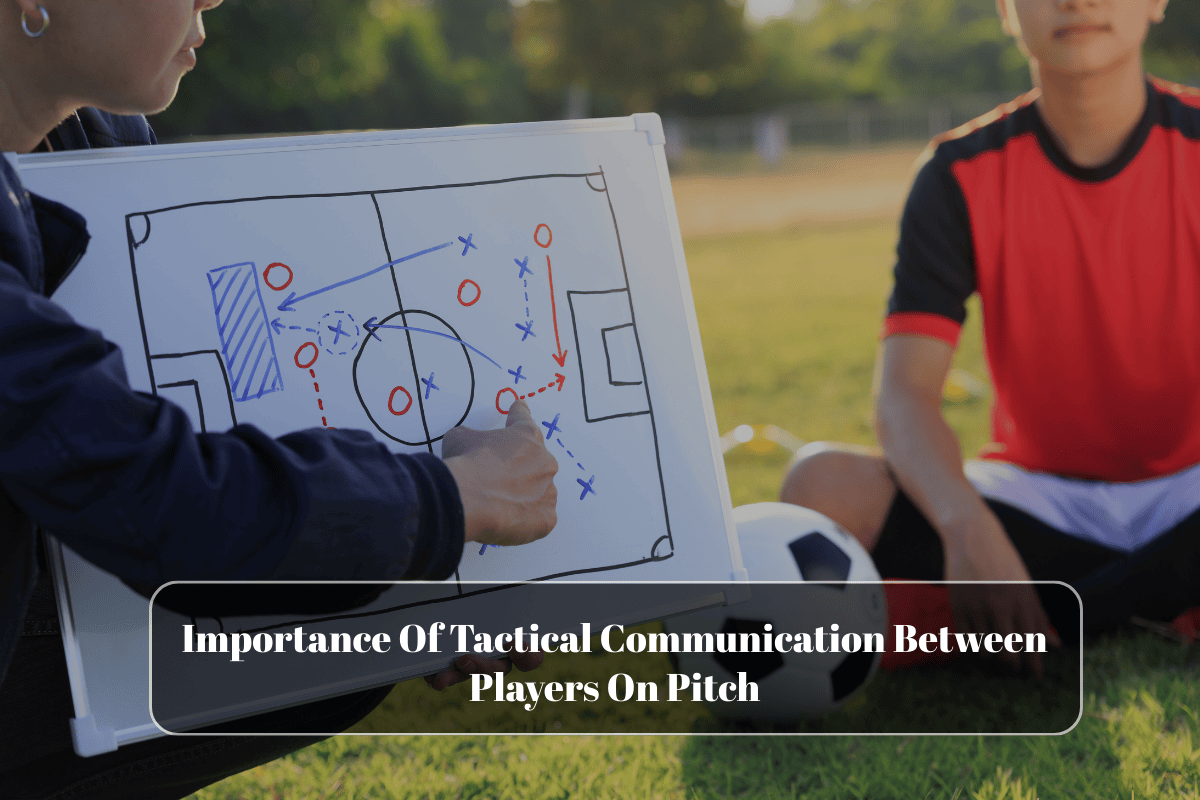
- Communicate roles: “You take 10, I’ll drop.”
- Reward smarts: Praise adaptations over goals.
U.S. Grassroots Applications
US Soccer Grassroots modules embed this via small-sided games; academies like IMG and Universal Soccer use video for debriefs. Ties to your youth coaching: Huddle shifts mirror match adaptations.
Impact Data
| Method | Skill Gain | Match Edge |
|---|---|---|
| Rotations | Role versatility +40% | Unpredictability |
| Constraints | Decisions/min +30% | Press resistance |
| Transitions | Reaction speed 25% | Comeback wins |
Common Pitfalls Avoided
Over-instructing kills initiative; predictable drills fail in chaos. Balance with core principles for fluidity.
Long-Term Benefits
Flexible players excel in pros—versatile roles cut injuries 20%, extend careers.
FAQs
1. Youth start when?
U10 basics; full by U14.
2. Less coaching talk?
Yes—builds smarter players under pressure.
3. Measure flexibility?
In-game shifts, win % when trailing.
4. Girls same drills?
Identical—adapt to squad size.