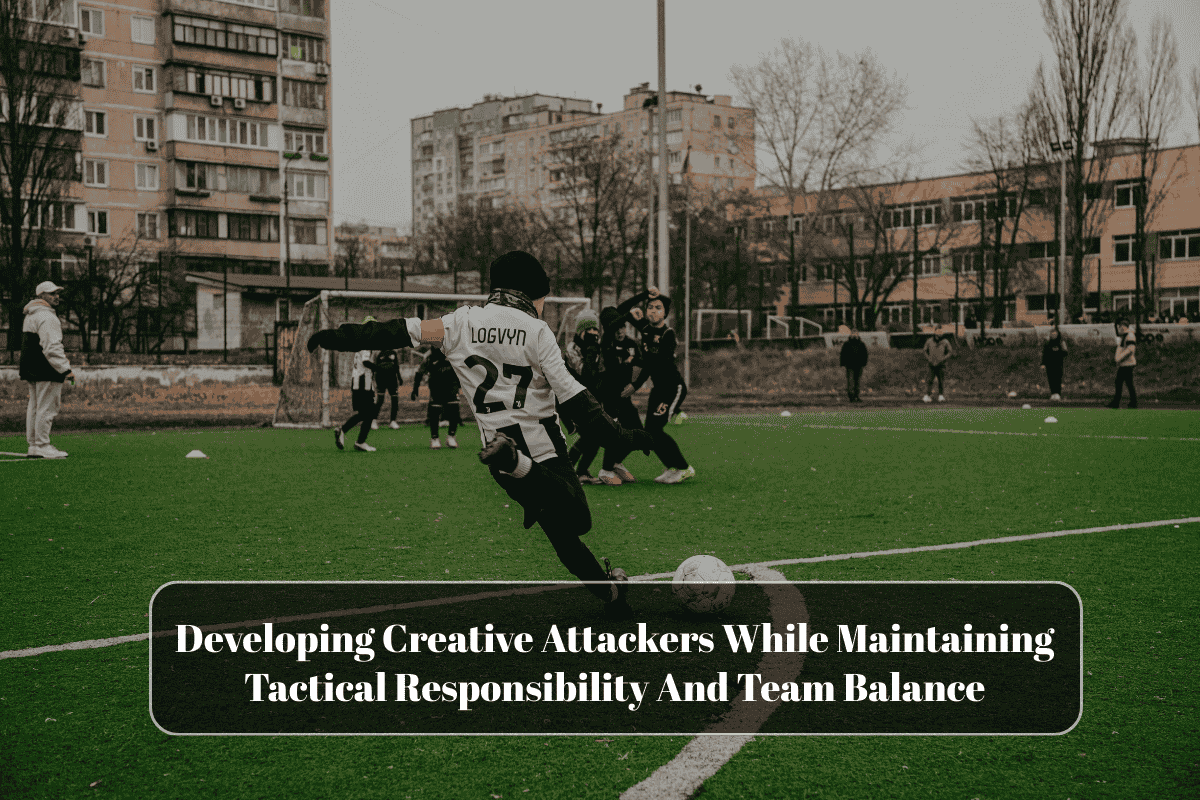
Developing creative attackers in youth soccer demands a deliberate balance between unleashing individual flair and instilling tactical responsibility to maintain team balance.
US coaches, drawing from MLS academies and elite programs, prioritize structured freedom—allowing flair in designated zones while enforcing defensive recovery—to produce well-rounded forwards like Christian Pulisic or Sophia Smith.
Fostering Creativity
Creativity thrives in supportive environments where risk-taking is rewarded during practice. Coaches encourage 1v1 duels, rondos, and small-sided games (SSGs) like 3v2 overloads to hone dribbling, quick decisions, and “behind, beside, between, beyond” passes. Praise bold moves—even failures—builds confidence; sessions end with “highlight reels” of flair moments to reinforce innovation.
Technical drills focus on unpredictability: Feints, Cruyff turns, and no-look passes in unopposed setups transition to pressure scenarios. Positional play unlocks space—wingers cut inside, #10s rotate—for instinctive expression.
Tactical Responsibility
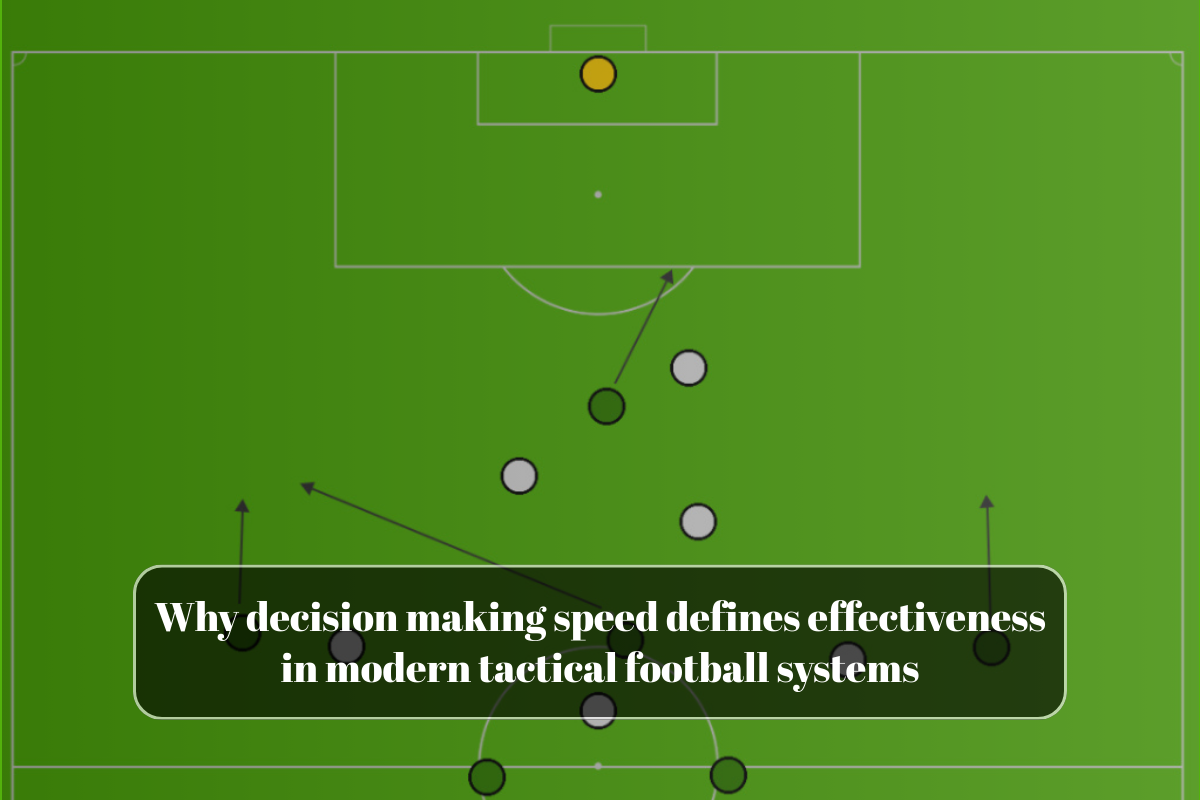
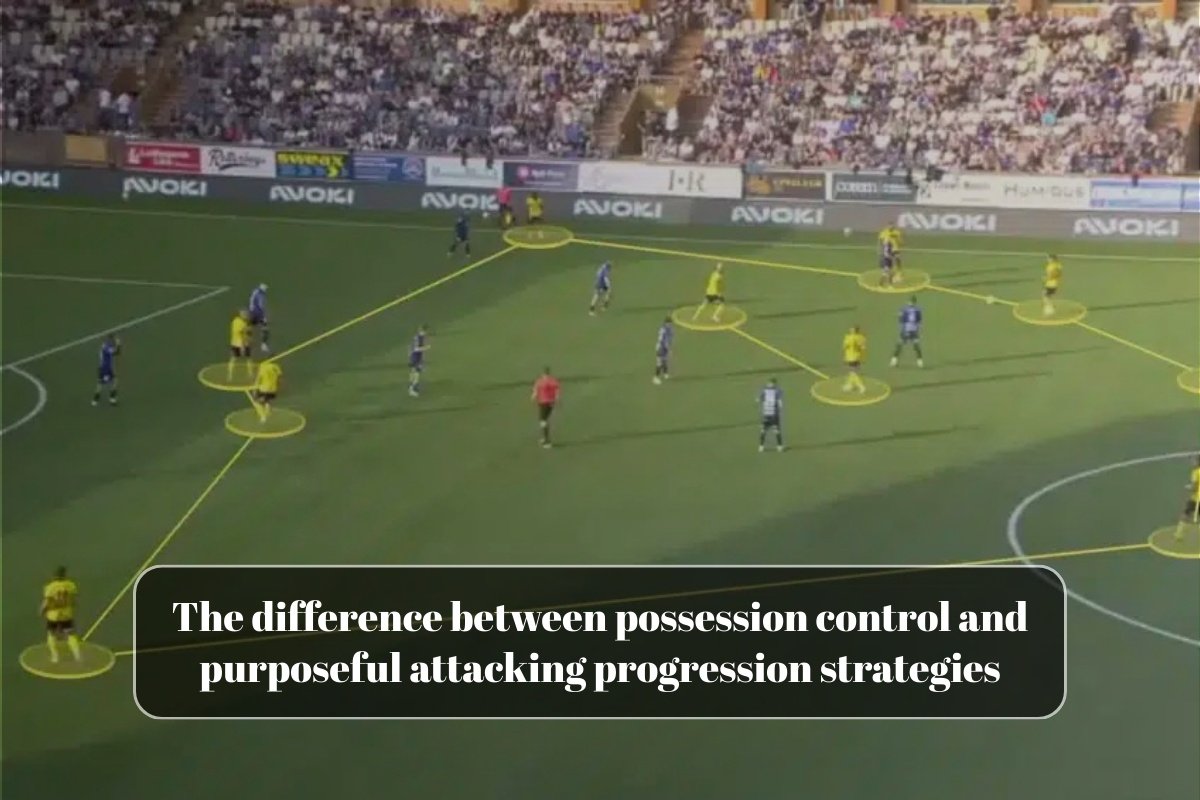
Freedom without structure breeds chaos. Teach “positionalism”: Attackers scan before receiving, track markers post-loss, and fill zones like Zone 14 (penalty area edge). “Four Bs” (Behind, Beside, Between, Beyond) guide progressive passes while defenders prioritize shape—e.g., drop back immediately if beaten.
Defensive triggers enforce balance: Loss of ball cues immediate counter-pressure from forwards, preventing 3v3 breaks. High school coaches note disciplined attackers win tackles too, per Guardiola’s influence.
Team Balance Integration
Rotate roles in SSGs—creatives defend half-sessions—to build awareness. Overloads (5v4) teach support runs without selfishness; consequences for ignoring teammates (benched turns) align flair with unity. Neutral players (coach) reward team creativity over solos.
Formations like 4-3-3 or 3-5-2 position creators centrally (#10) with wing outlets, ensuring width/depth. Data tracks: 60% possession in attackers’ half demands recovery sprints.
| Drill Type | Creativity Focus | Balance Element |
|---|---|---|
| 1v1 Duels/Rondos | Dribbling, feints | Scan/pressure triggers |
| SSG Overloads (3v2) | Quick decisions | Zone coverage |
| Possession Games | Progressive passes | Defensive shape |
| Role Rotations | Empathy for positions | Recovery runs |
Practice Progression
- Warm-Up (10%): Fun games like “world cup” keep joy high.
- Technical (20%): Unopposed skills.
- Tactical (40%): SSGs with constraints (e.g., “score via creativity or recover”).
- Game (30%): Full scrimmages; debrief “What worked? Team impact?”
- Youth (9-12): More free play; U13+: Add structure. Measure via goals from flair vs. turnovers.
Coaching Philosophy
“Problem solvers, not selfish players”—coach environments where creativity serves team. Praise: “Great turn, and you checked back!” Mistakes teach; no yelling. US Soccer’s Grassroots framework blends play with principles.
Challenges: Parental pressure for wins—emphasize development. Long-term: Balanced creators like Pulisic excel in MLS/Europe.
Youth Football Context
US programs like US Youth Soccer’s ODP emphasize this duality, producing tactically astute flair players for national teams.
FAQs
1. Key to creativity?
Supportive practice: Praise risks, use rondos/1v1s.
2. Enforce responsibility?
Triggers for recovery; consequences for ignoring team.
3. Best drills?
SSG overloads, role rotations for balance.
4. Age adaptations?
Younger: Free play; older: Positional structure.
5. Measure success?
Goals from flair + low turnovers in danger zones.