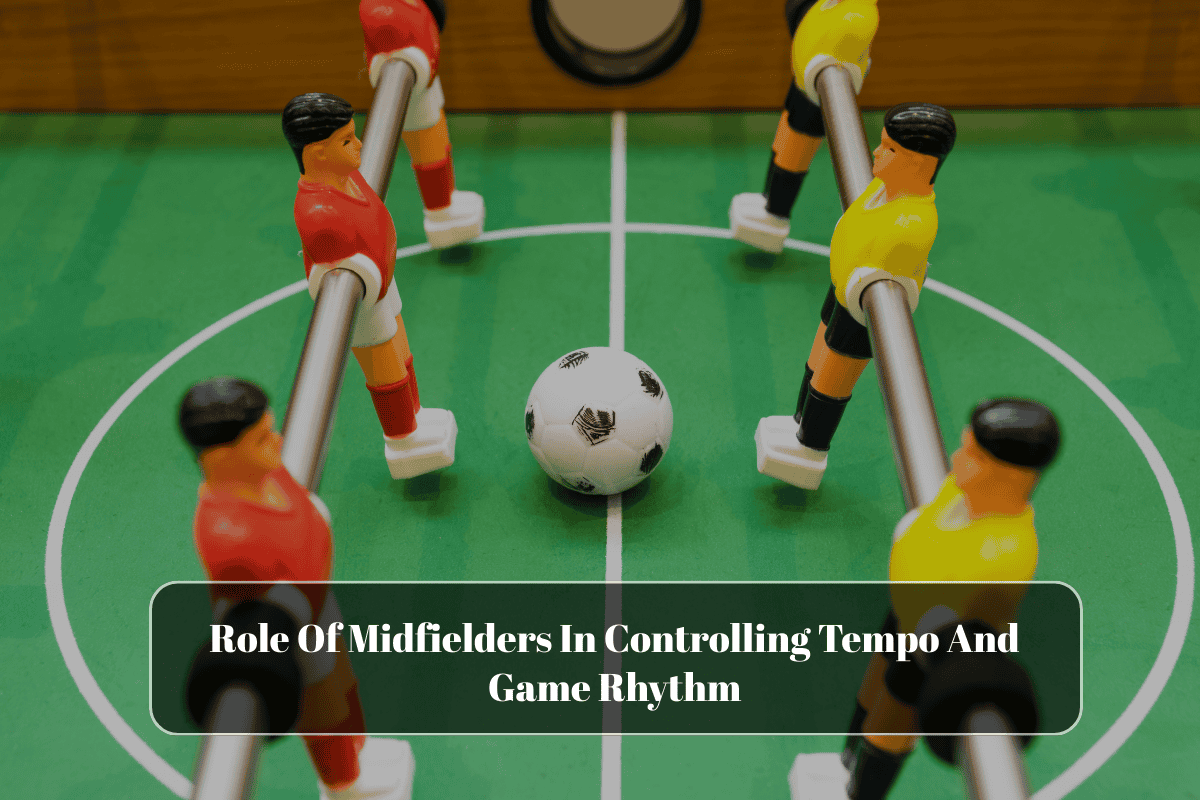
Midfielders serve as the heartbeat of soccer teams, dictating tempo and rhythm to orchestrate fluid transitions between defense and attack. In US professional leagues like MLS and youth academies, these players—holding mids (6), box-to-box (8), and playmakers (10)—control possession flow, balancing patience with urgency to outmaneuver opponents while maintaining structure.
Tempo Control Fundamentals
Midfielders regulate pace like conductors: Slowing play via sideways passes and drop-deeps when protecting leads, accelerating with vertical thrusts during transitions.
Holding mids like Sergio Busquets or MLS’s Alan Sonora anchor this, staying deep to recycle possession and deny central penetration. Their vision spots overloads, deciding “go direct” vs. “build patiently” based on pressure and space.
Box-to-box engines cover 11-12 km per game, linking phases—e.g., winning second balls then surging forward. Data shows teams with dominant mids hold 55-65% possession, creating 20% more chances.
Rhythm Creation
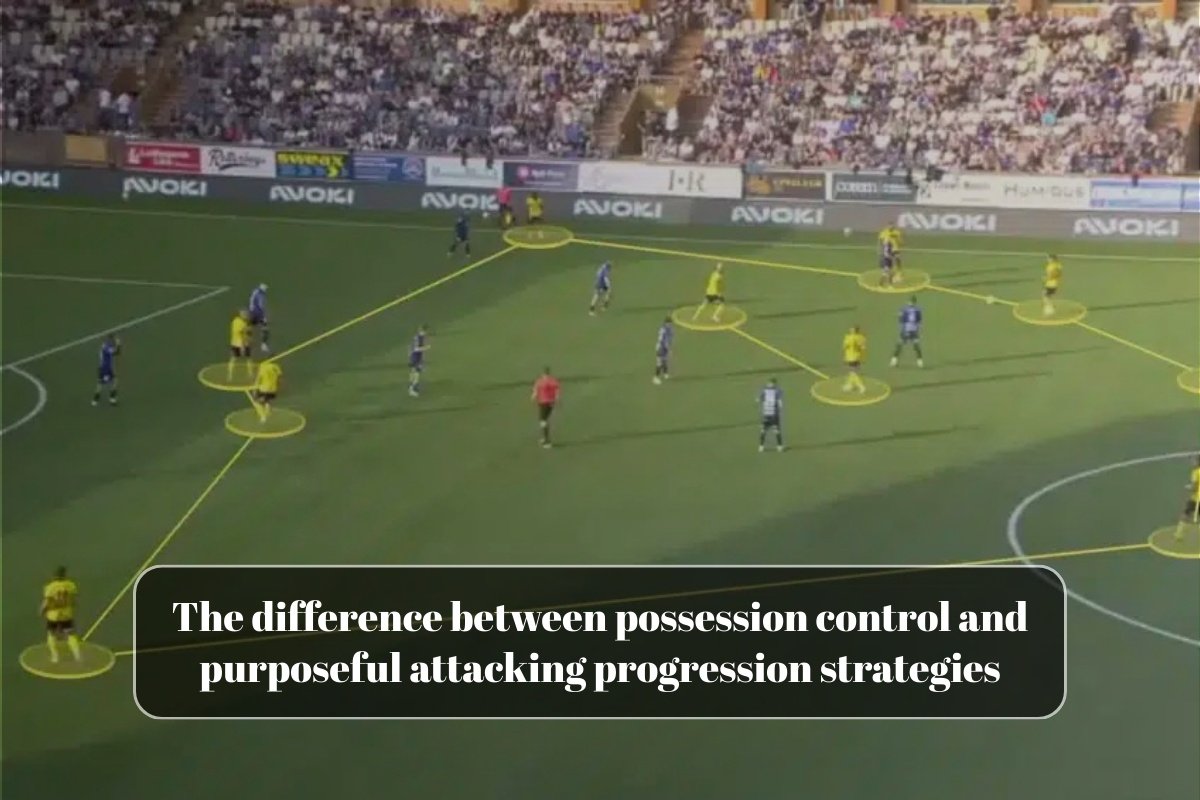
Rhythm emerges from patterns: Quick 1-2s in tight spaces build momentum, while deliberate touches reset when disjointed. Playmakers like Christian Pulisic (in USMNT) manipulate via body feints and no-look passes, drawing markers to unlock channels. Midfield triangles (two short options + long switch) ensure fluidity, forcing opponents to chase shadows.
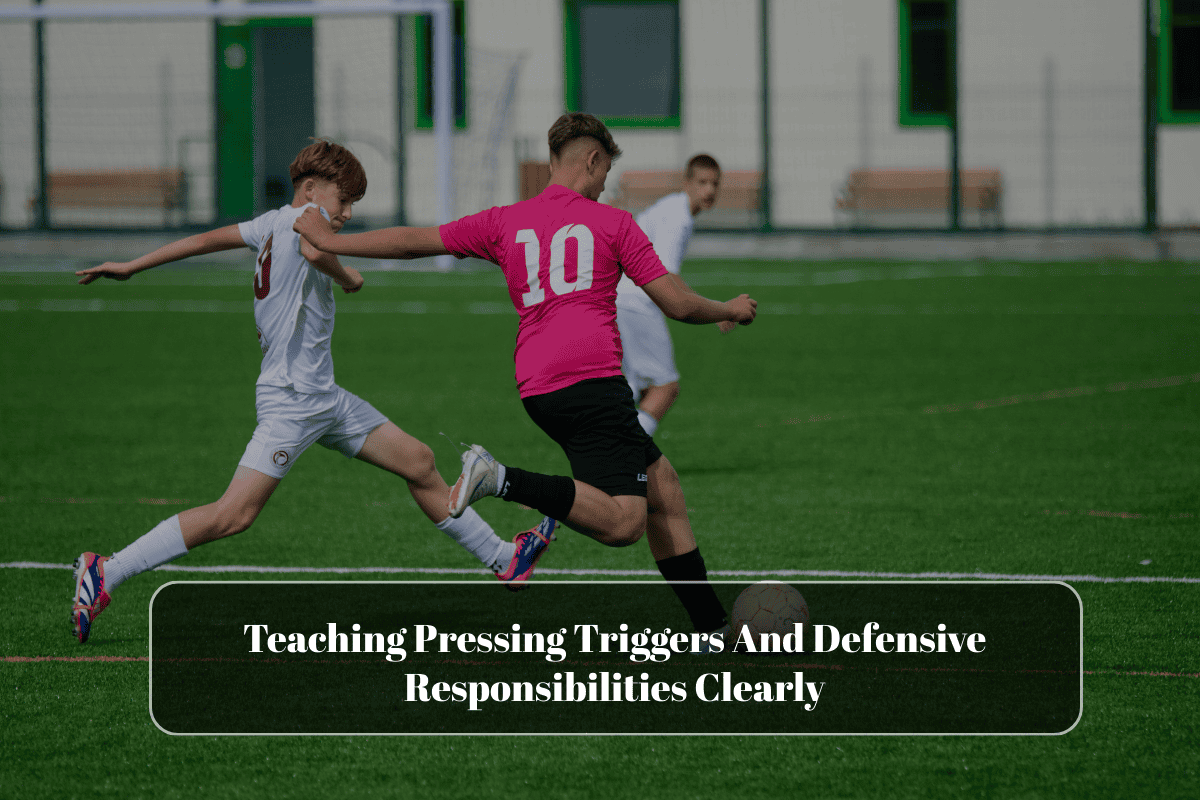
Defensive rhythm ties in: Immediate counter-pressing (gegenpressing) regains ball high, sustaining attacks. Without it, rhythm fractures into isolated efforts.
Tactical Roles Breakdown
- Holding Mid (6): Pivot for stability—intercepts 3-5/game, distributes short (70% passes <15 yards). Slows tempo by dropping between CBs.
- Box-to-Box (8): Covers ground, times runs—e.g., Weston McKennie’s lunges disrupt, then join attacks.
- Advanced Playmaker (10): Dictates final-third rhythm, pausing to draw fouls or threading killers. Risk higher (70% pass accuracy vs. 90% for 6).
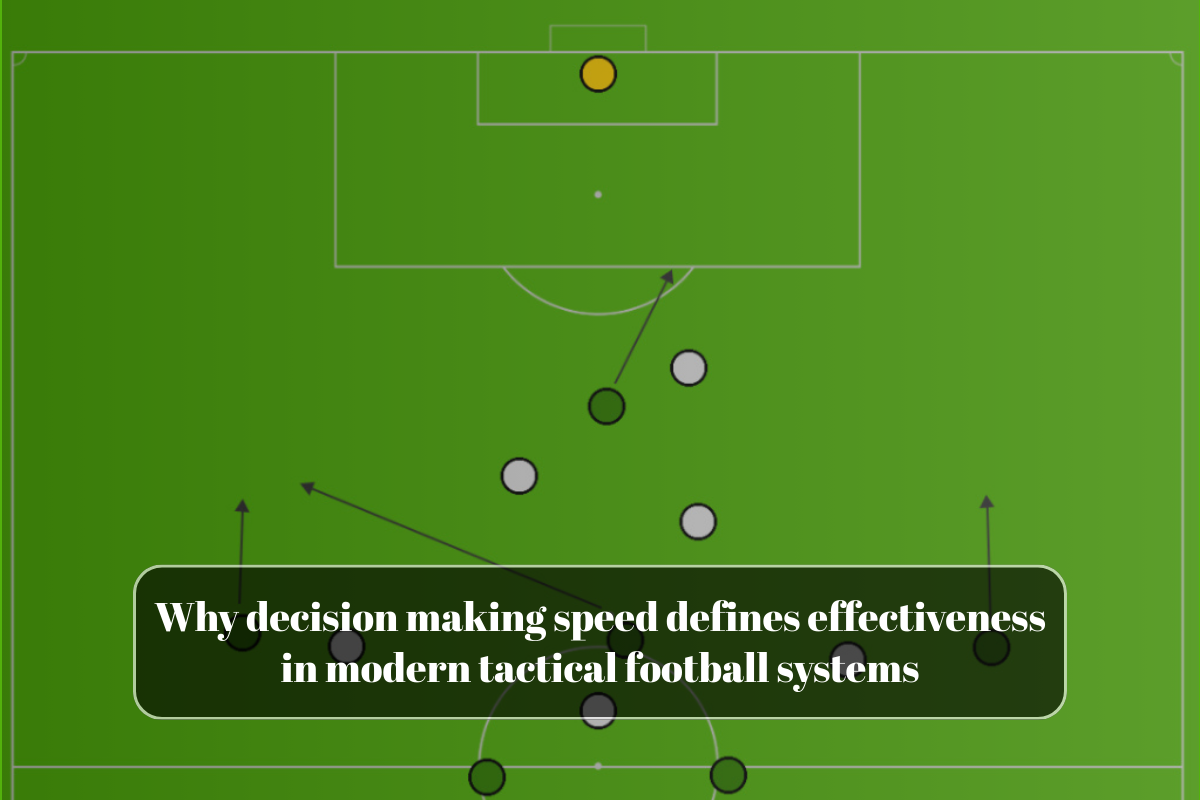
Formations amplify: 4-3-3’s single pivot demands elite vision; 4-2-3-1’s double pivot (two 6s) shares load for sustained control.
| Role | Tempo Skill | Key Stat |
|---|---|---|
| Holding (6) | Slow/reset | 90% pass accuracy |
| Box-Box (8) | Transition surge | 11km distance |
| Playmaker (10) | Creative pause | 2-3 key passes/game |
Training for Mastery
Drills build dual instincts: Rondos (6v2) sharpen retention under duress; SSGs with tempo constraints (“slow first 5 passes, then attack”) teach shifts. Shadow play hones scanning—head up every 3 seconds. Video analysis of Iniesta/De Bruyne reveals cues like opponent fatigue for tempo changes.
Youth focus (US Soccer ODP): U12s emphasize fun rondos; U16+ add pressing triggers. Pros use GPS for workload balance, preventing fatigue-induced lapses.
MLS/USMNT Examples
LAFC’s Ilie Sánchez exemplifies: Dictates via patient probing, spiking tempo for counters. USMNT’s Tyler Adams blends tenacity with distribution, controlling Gold Cup finals. Challenges: Physical mids dominate US style, but academies push technical rhythm via Barcelona-influenced curricula.
Impact: Midfield mastery wins titles—teams controlling 60%+ tempo concede 30% fewer goals.
Coaching Philosophy
“Feel the game”—mids read cues like crowd noise or ref calls. Praise decisions over outcomes; errors teach adaptation. Balance prevents chaos: Creative risks only with cover.
This midfield mastery elevates US soccer toward World Cup contention.
FAQs
1. Primary tempo tool?
Short passes to slow; verticals to accelerate.
2. Holding mid vs. playmaker?
6 anchors rhythm; 10 varies it.
3. Training essentials?
Rondos, tempo-constrained SSGs.
4. MLS standout?
Ilie Sánchez—patient control.[web:context]