Midfield players master game control and tactical intelligence through deliberate training that hones vision, decision-making, and composure under pressure. In U.S. youth soccer academies like Valeo FC and SIA, midfielders learn to dictate tempo, exploit spaces, and lead transitions, elevating teams from recreational to elite levels.
Building Game Awareness
Scanning is foundational: Coaches mandate head-up looks every 3-5 seconds before receiving, using drills like rondo variations where midfielders scan 360° amid pressure. Video analysis of pros like Messi’s dribbles dissects anticipation—spotting runs 10 seconds ahead. Peripheral vision exercises, such as color-coded cone grids, sharpen field reads without ball focus.
US Youth Soccer emphasizes “footballing brain” via possession games, training midfielders to process info faster for split-second passes.
Positional Play and Support
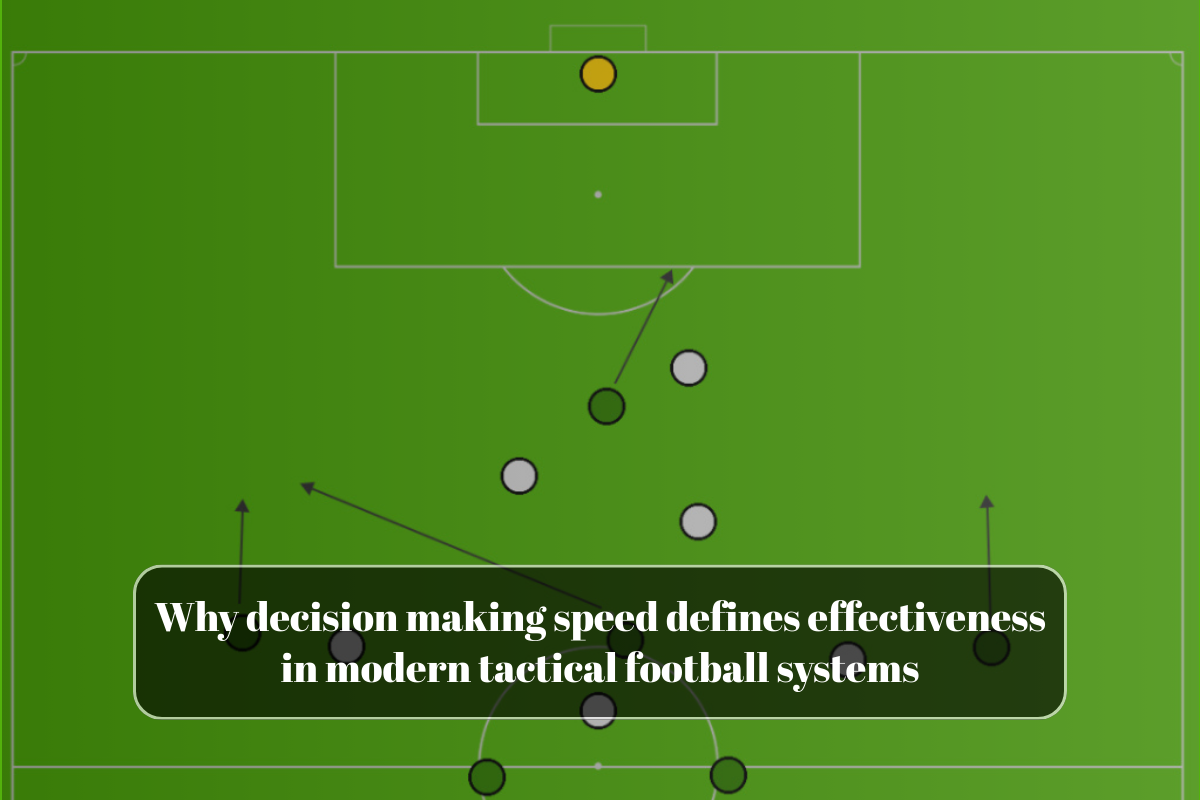
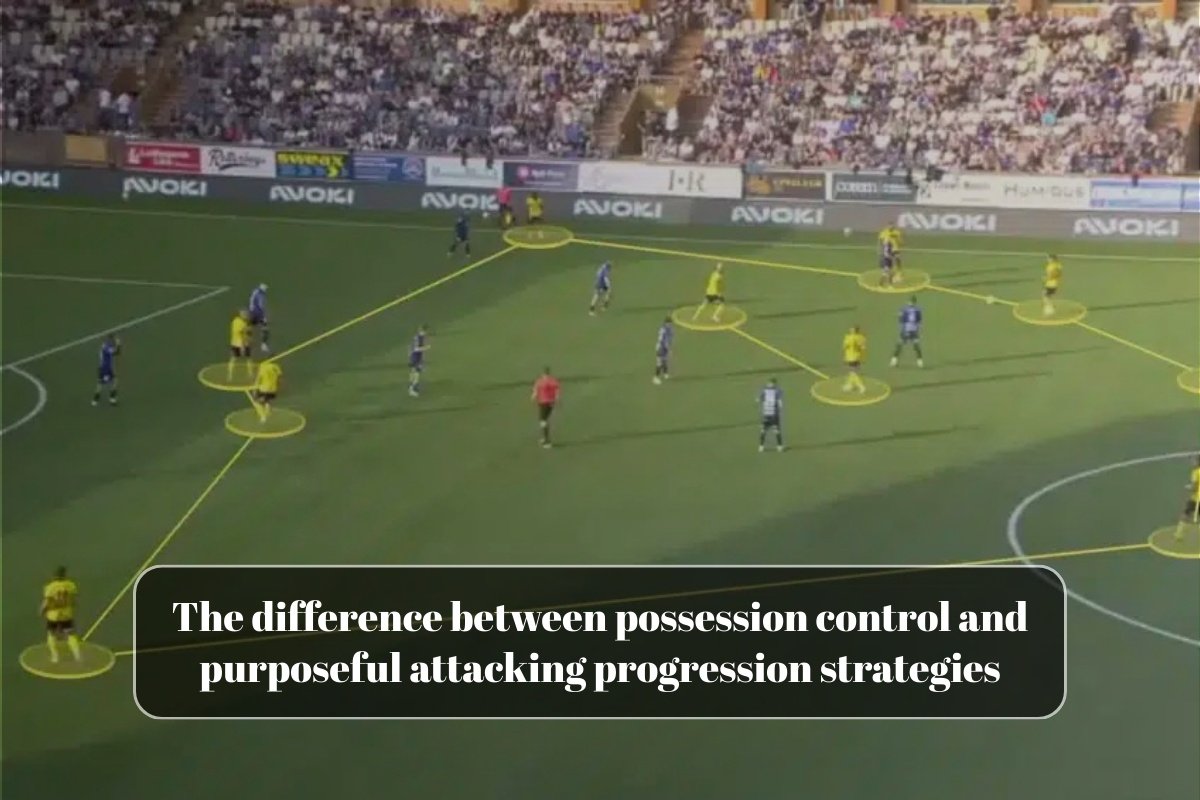
Midfielders train angles and timing: In 1-4-4-2 setups, they maintain 10-15 yard distances from defenders and forwards, creating triangles. Shadow play without balls rehearses movements—rotate to outlets, shift with ball progression. Functional training recreates diamond shapes, coaching leadership to instruct teammates toward the playmaker.
SIA Academy’s positional drills adapt to high-press or build-up, fostering flexibility across 4-3-3 or 3-5-2.
Decision-Making Under Pressure
Small-sided games (SSGs) simulate chaos: 4v4 + neutrals force quick choices—penetrate via combos, switch play, or retain possession. Rondo progressions add goals, rewarding risky but accurate risks. Joner Football’s masterclasses stress first touch quality to control tempo, positioning as perpetual options.
Tactical problem-solving recreates scenarios: Down a goal? Accelerate vertical passes. GPS tracking quantifies decisions per minute, targeting 20+ high-percentage actions.
Technical Mastery for Control
Passing/receiving under fatigue builds reliability: Wall passes evolve to one-touch amid defenders. Dribbling penetrates compact zones, with mental reps via visualization blocking distractions. Reswitch’s tech analyzes positioning and tackling, providing feedback for smarter build-up.
Soccer IntelliGym’s computer sims train pattern recognition, improving on-field IQ without physical wear.
Competition and Feedback Loops
Match footage reviews highlight errors: “Why no scan here?” Coaches praise process over results, building confidence. OSL sessions focus vision/control, with pros like Michael demonstrating under duress.
Training Methods Comparison
Consistent practice yields midfield maestros controlling U.S. MLS Next games.
Frequently Asked Questions
Q. How often should midfielders scan?
Every 3-5 seconds, head-up before receiving for full awareness.
Q. What drills build support angles?
Shadow play and rondos for 10-15 yard triangles in formations.
Q. Why first touch for game control?
Directs play forward or to options, dictating tempo under pressure.
Q. Role of video analysis?
Breaks pro decisions like Messi’s for pattern recognition.
Q. Tech tools for tactical IQ?
GPS tracking, IntelliGym sims, performance metrics for gains.