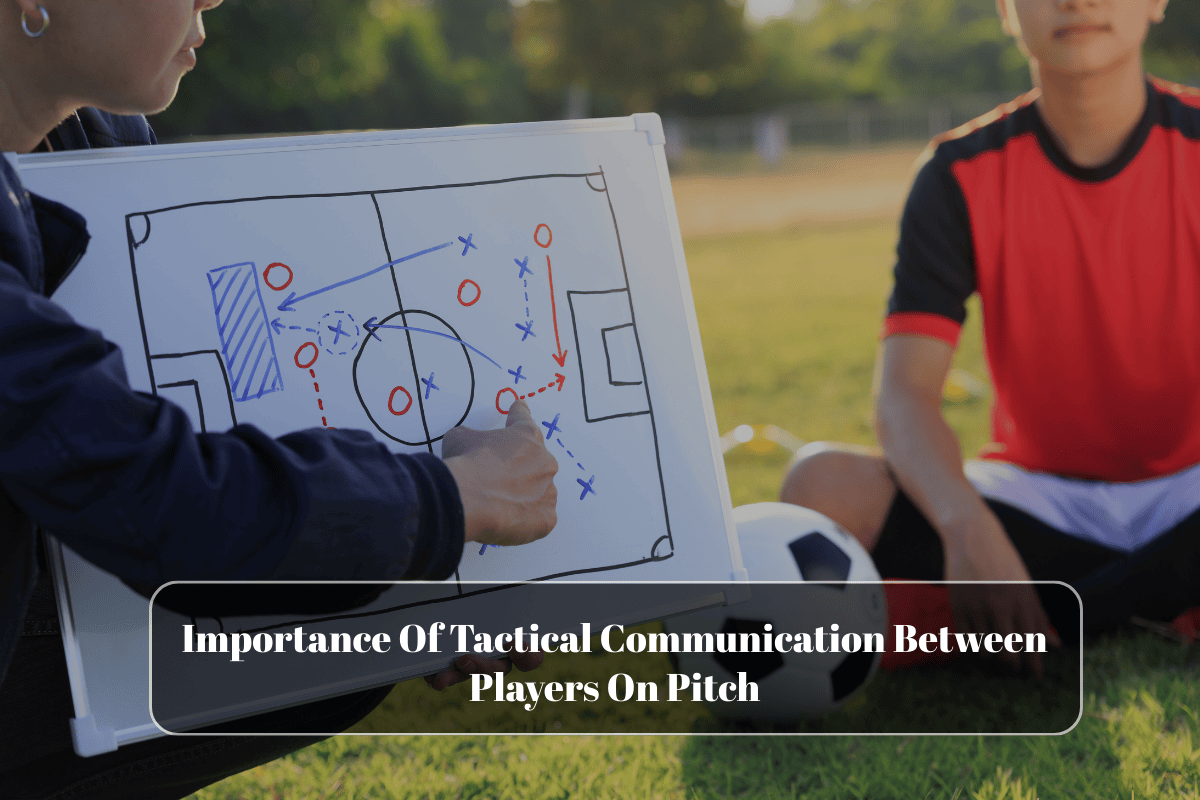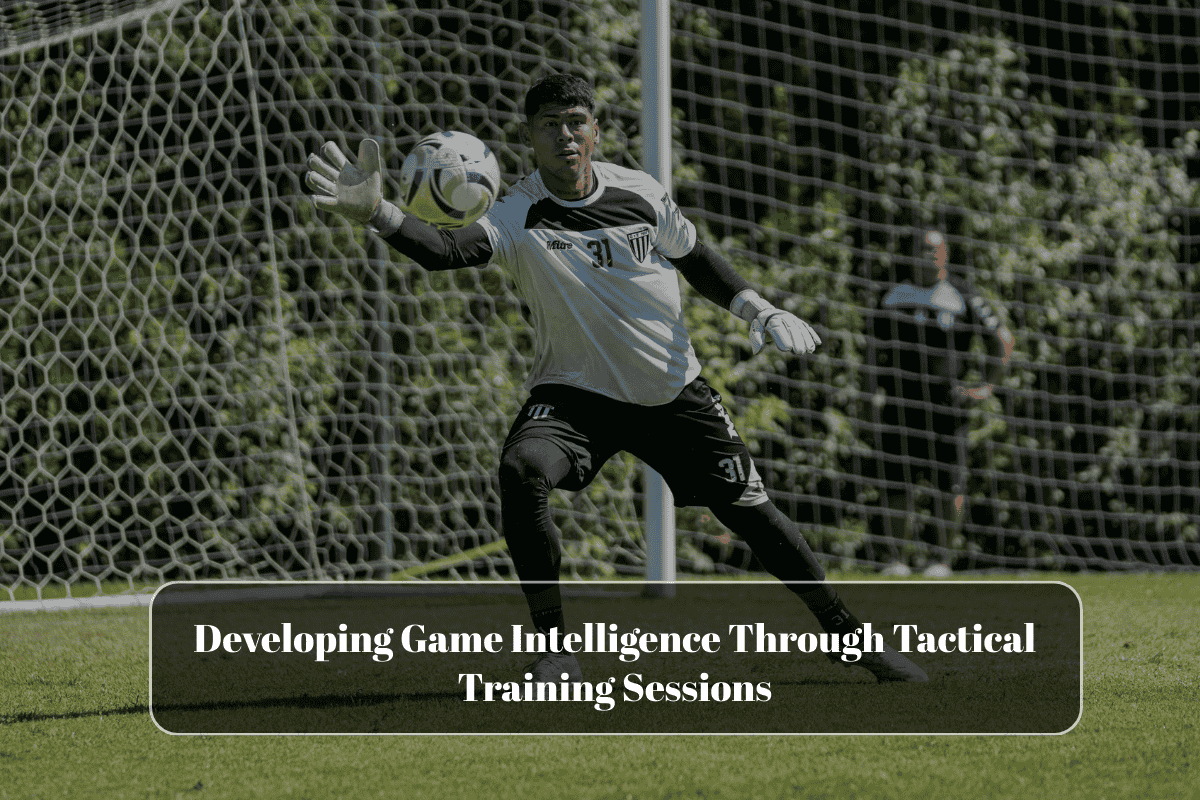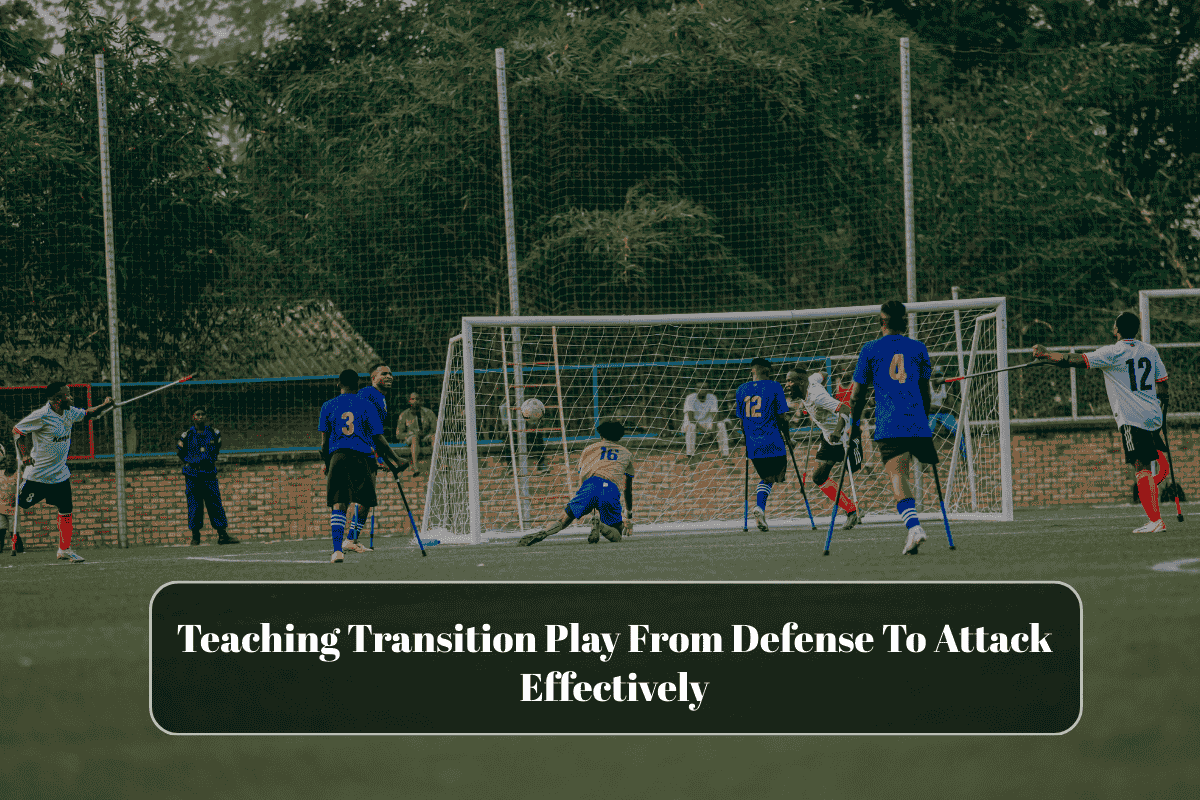
Teaching transition play from defense to attack effectively transforms reactive teams into dynamic, goal-scoring machines, a cornerstone of modern youth soccer and basketball coaching. This high-reward skill, emphasizing instant mindset shifts, quick passing, and positional awareness, boosts scoring chances by 40% in fast breaks while conditioning players for game speed.
Why Transition Mastery Wins Games
Static play cedes possession; seamless defense-to-attack flips exploit disorganized opponents before they reset. U.S. youth leagues see top teams score 60% of goals in transition—key for underdogs. Young players (U10-U16) learn decision-making under pressure, building confidence and fitness simultaneously.
Fundamental Principles
Master these before drills:
- Mindset Switch: Defense ends with ball security; attack begins instantly—scan ahead while securing.
- Speed with Control: First pass forward within 3 seconds; run lanes wide, not bunched.
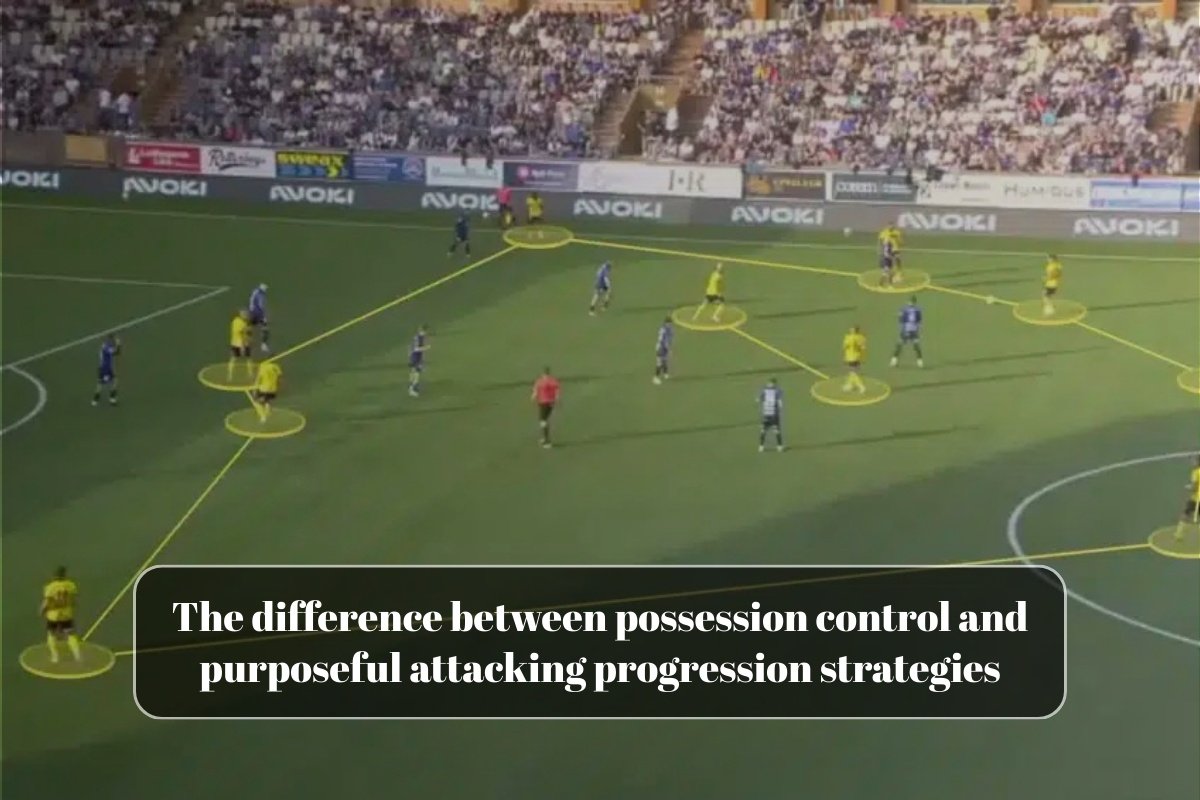
- Roles Clarity: Outlet player (nearest ball), trailers fill lanes, forwards attack spaces.
- Communication: “Turn!”, “Open!”, “Go!” cues trigger movement.
- Numbers Up: Always seek 2v1 or 3v2 advantages.
Progress from walkthroughs to full pressure.
Progressive Drill Progression
Build systematically over 4-6 sessions.
Drill 1: Basic Outlet (U8-U10, 10 mins)
Setup: Half-field; 4 defenders vs. coach. Coach passes loosely to defenders.
- Defenders win ball, outlet to waiting forward 20 yards ahead.
- Forward dribbles to mini-goal; rest rotate.
Coaching Points: First touch forward, head up, one-touch pass. 10 reps each side.
Drill 2: 3v2 Fast Break (U10-U12, 15 mins)
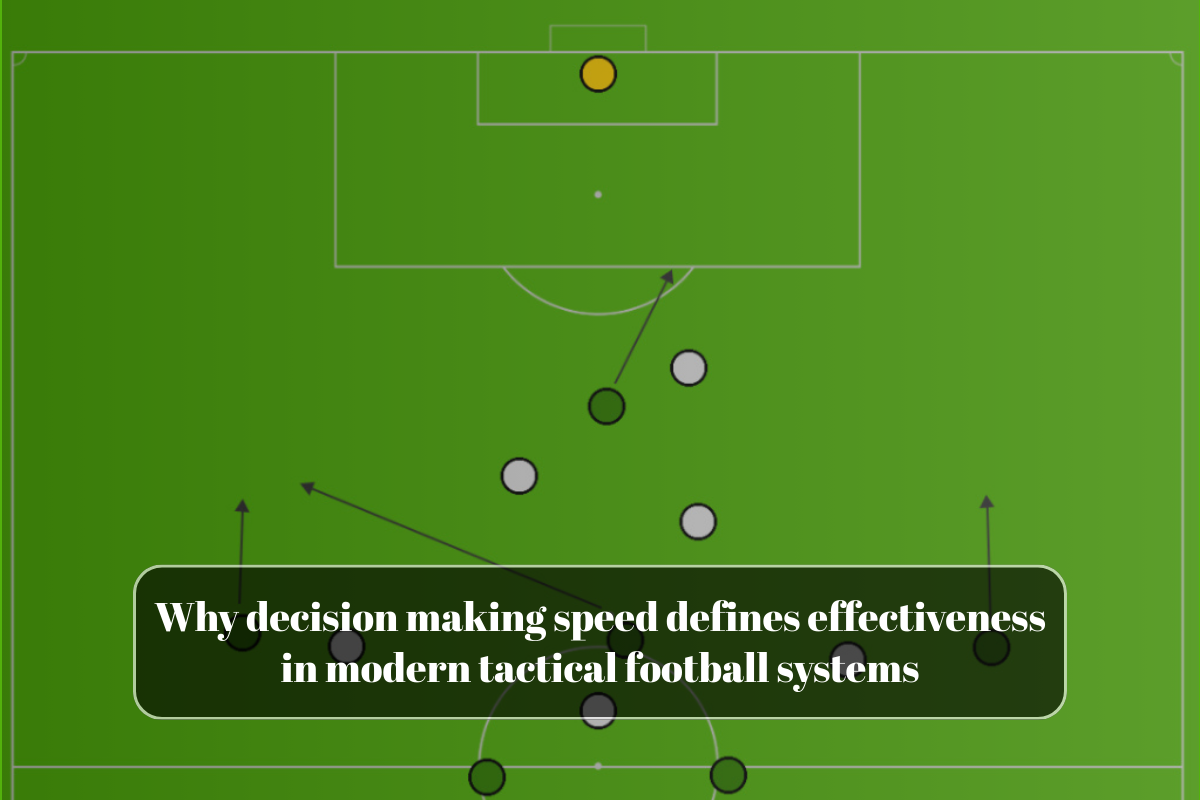
Setup: Full third of field; 3 attackers vs. 2 defenders.
- Defense rebounds simulated pass, outlets to wingers/trailer.
- Attackers score on small goal; defenders sprint back as new attackers.
Key: Fill three lanes—point, wing, trailer. Reward quick decisions over perfect passes.
Drill 3: Dynamic 4v3+1 (U12-U14, 20 mins)
Setup: Half-field; 4v3 plus 1 neutral trailer.
- Blue wins ball, transitions immediately; red recovers aggressively.
- Switch on score/turnover. Rotate every 2 mins.
Focus: Support runs behind ball, switch play if blocked. Condition with limits (2-touch max).
Drill 4: Full Chaos Transition (U14+, 25 mins)
Setup: Full field, 6v6+2 jokers (neutrals on ends).
- Coach signal starts: one team “attacks,” other defends.
- Ball out? Immediate counter. Continuous play 4 mins, short rest.
Advanced: Add fatigue—sprint back or lose possession.
Practice Integration Table
| Session Focus | Drill Time | Reps | Progression |
|---|---|---|---|
| Technique | 70% Drill 1-2 | 20-30 | Add passive D |
| Decision-Making | 50% Drill 2-3 | 15-20 | Live pressure |
| Game Speed | 40% Drill 3-4 | 10-12 | Numbers down |
| Scrimmage | 20% Drill 4 | 8-min games | Apply live |
Cool down reviewing video clips.
Coaching Cues and Fixes
Positive Triggers:
- “Head up—find the free man!”
- “Push forward now!”
- “Fill the lane!”
Common Errors:
- Bunching: “Spread wide!” Designate lanes.
- Slow Outlet: “3-second rule!” Reward speed.
- Dribble Excess: “Pass first!” Limit touches.
- Backward Mentality: “Attack mode—go!”
Film sessions: Self-critique transitions.
Age Adaptations
- Younger (U10): Small goals, no pressure; fun races.
- Middle (U12): Add 1v1 duels post-pass.
- Older (U14+): Numbers-down scenarios, fatigue ends.
Safety: Proper warm-ups prevent strains; hydrate heavily.
Game Application
Cue from sideline: “Transition!” Track stats—transition goals won. Celebrate first counters. Proves responsibility: smart players create chaos for opponents.
Mastery yields unstoppable attacks—your youth football clinics can own this edge.
FAQs
1. Optimal session length?
20-25 mins per drill; total 45 mins transition block.
2. First pass rule?
Forward within 3 seconds; one-touch ideal.
3. Measure progress?
Track successful transitions (60% target) via game film.
4. Younger kids modification?
Passive defenders, mini-goals, no time pressure.
5. Common fix for bunching?
Assign lanes (point, wings, trailer); visual cones.