Balancing skill development and match experience is crucial for young footballers in the U.S., where youth programs from Pop Warner to high school aim to nurture talent without burnout or injury.
This holistic approach, rooted in USA Football’s Development Model, prioritizes age-appropriate training—technical drills for ages 6-9, tactical integration by 10-13—to build confident, complete players ready for college or pro pathways.
Age-Appropriate Foundations (6-9 Years)
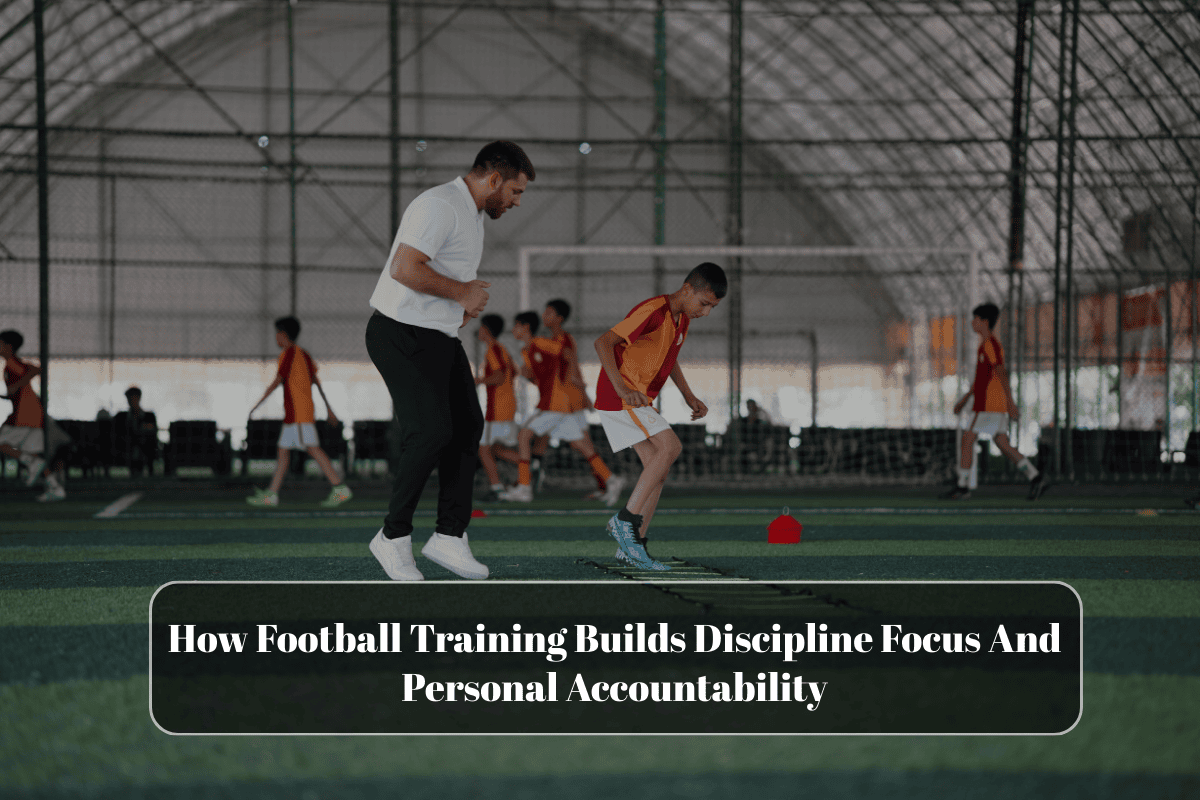
Early years focus 70% on skills via fun, game-based drills to hook kids and wire fundamentals. Ladder agility runs, cone weaves, and shuttle sprints sharpen footwork for all positions, while “diamond” hand drills ingrain catching mechanics—reps build instincts over rote lectures.
Sessions start with dynamic warm-ups (high knees, arm circles), shift to position-specific work like QB grip/release or safe tackling form (head-up, shoulder drive), and end with small-sided scrimmages (4v4) for decision-making without full-contact overwhelm.
Coaches limit conditioning to short bursts—20-yard sprints—to match short attention spans, fostering joy and resilience. Success metrics: Smiles, ball touches (200+ per session), not wins, preventing dropout rates that hit 70% by age 13.
Skill Mastery Phase (10-13 Years)
Shift to 60/40 skill-to-match ratio: Drills like one-touch passing circuits or target shooting with keepers hone precision under fatigue. Defensive 1v1 challenges teach positioning—stay low, jockey, poke tackle—reducing injury while boosting awareness. Holistic conditioning blends HIIT (6x30s sprints, 24s rest) with off-feet intervals for anaerobic power, mirroring game demands without overtraining growing bodies.
Incorporate cognitive loads: Route-running with color calls or backpedal mirrors simulate pressure. Cool-down reviews—”What worked? Adjust next?”—instill growth mindset, per Carol Dweck, linking effort to progress.
Integrating Match Experience (14+ Years)
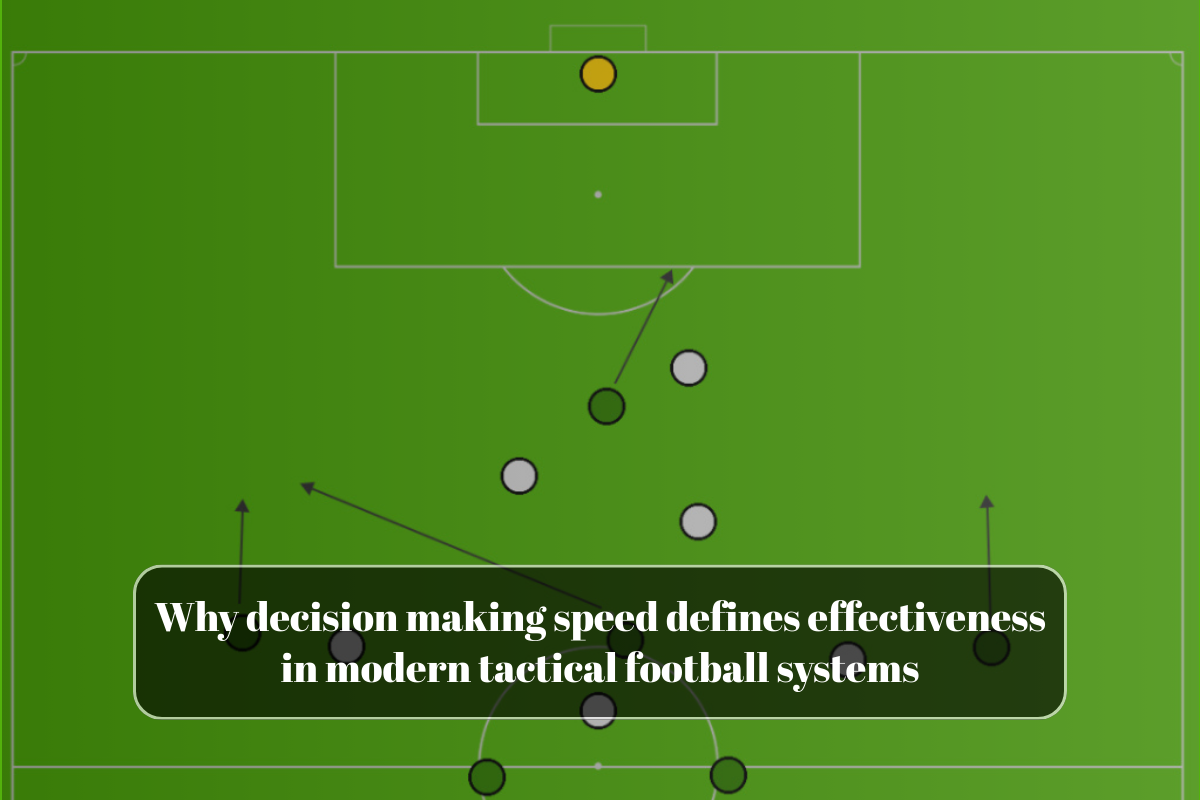
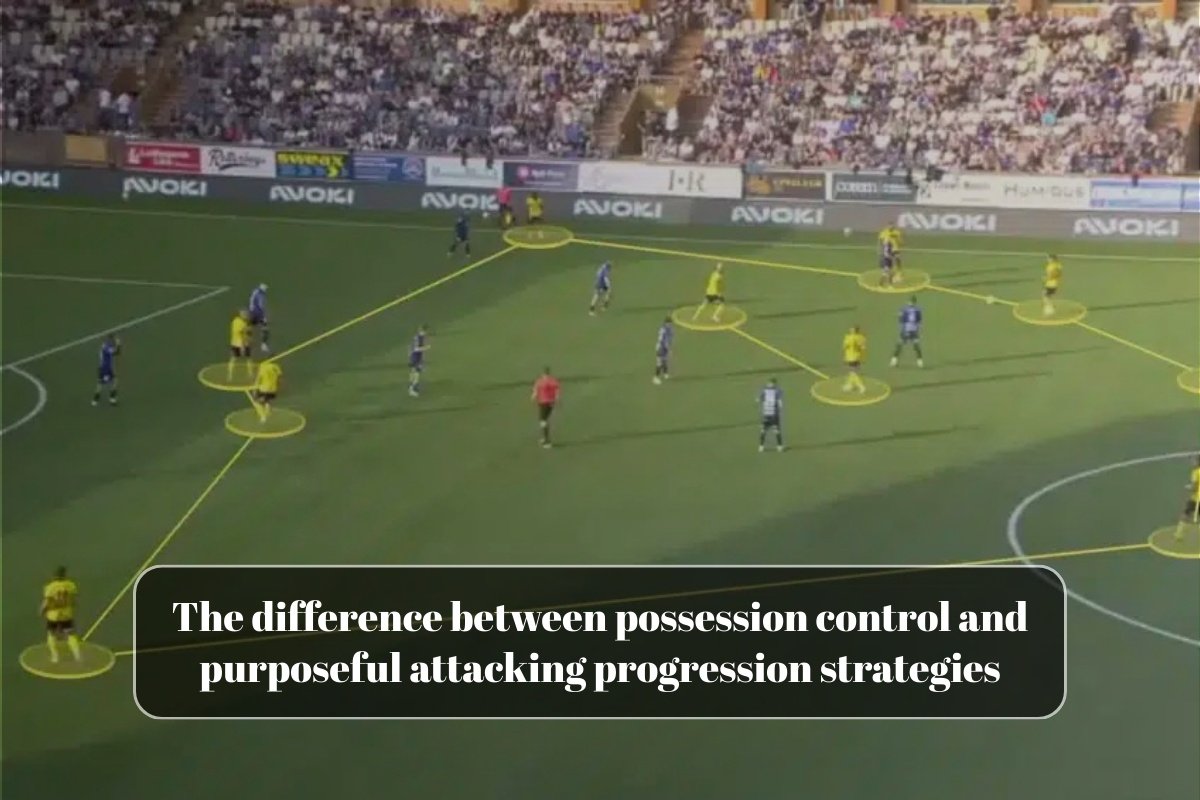
Teens need 40% game time for application: 8v8+ scrimmages with rules (e.g., 5 passes before shots) develop tactics like spacing and transitions. Full 11v11 rotates positions, teaching versatility—linemen learn routes, QBs grasp blocking angles. Track loads via RPE (rate of perceived exertion) to cap sessions at 60-90 minutes, avoiding overuse injuries plaguing 50% of high schoolers.
Club vs. school balance: Limit 2-3 matches weekly, prioritizing recovery. Video analysis post-game dissects plays, turning losses into skill upgrades.
Balancing Act Challenges
Over-emphasizing matches risks burnout—”win-at-all-costs” cultures spike injuries 30%; skill drills alone stall game IQ. Solution: Periodized blocks—4 weeks heavy drills, 2 weeks scrimmages—aligned with seasons. Nutrition (carbs pre-game) and sleep (9+ hours) underpin both, with mental coaching for pressure (visualization, breathing).
Parental buy-in: Educate on long-term development over trophies. USA Football’s model phases contact gradually—flag to tackle by age 12—safeguarding fun.
Holistic Player Development
Technical (dribbling cones, passing grids), physical (plyos for explosiveness), tactical (small-sided games), and psychological (team huddles) pillars interweave. Track via apps logging touches, sprints, assists for data-driven tweaks. Diverse programs like Girls Flag Academy expand access, building leadership.
Outcomes: Balanced youth score 25% higher in college tryouts, per NCAA data, with lower attrition.
Coach and Parent Roles
Coaches design varied sessions: Warm-up (10%), skills (50%), conditioning (20%), matches (20%). Parents reinforce home drills (backyard agility), cheer process over results. Clubs invest in certified staff via NFHS courses.
Measuring Balanced Progress
Metrics: Skill benchmarks (90% pass accuracy), match stats (tackles/game), confidence surveys. Annual camps assess holistically, adjusting ratios per player.
Future-Proofing Talent
In AI-era scouting, versatile athletes shine—drones track metrics, but grit wins. Balanced paths yield pros like Patrick Mahomes, who drilled fundamentals religiously.
FAQs
1. What’s the ideal skill-to-match ratio by age?
70:30 under 10; 60:40 ages 10-13; 50:50+ teens for full integration.
2. How to prevent injuries in matches?
Gradual contact, RPE monitoring, head-up tackling; cap games at 2/week.
3. Best drills for all positions?
Agility ladders, catching circuits, small-sided games for universal gains.
4. How much conditioning for youth?
Short HIIT bursts (20-60s), not marathons; focus football-specific.
5. Role of parents in balance?
Support home skills, prioritize fun/recovery over constant competition.