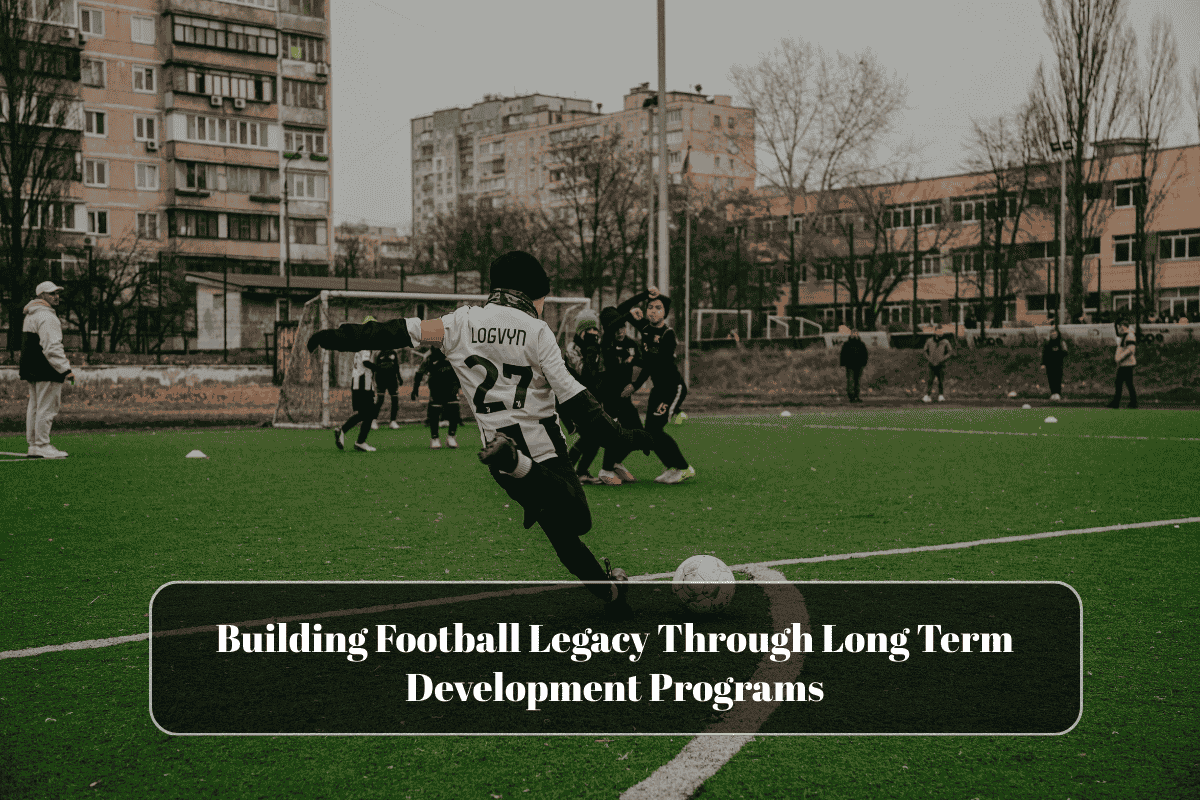
Building a consistent training philosophy is essential for forging a unified football identity in U.S. youth programs, where diverse talent pools—from urban academies to rural high schools—benefit from clear principles that outlast coaches and seasons.
This approach, inspired by models like USA Football’s Development Model, instills shared values like resilience, teamwork, and adaptability, creating teams that play with purpose and evolve cohesively over years.
Defining Football Identity
A team’s identity emerges from repeatable habits: possession-dominant creators, gritty counter-attackers, or versatile hybrids. For youth, it’s less about formations (4-3-3 vs. 3-5-2) and more about ethos—e.g., “We press high with intelligence” or “We build from the back fearlessly.” Consistency breeds buy-in: Players internalize “This is who we are,” reducing chaos from coach turnover, common in Pop Warner or club systems where staffs change 40% yearly.
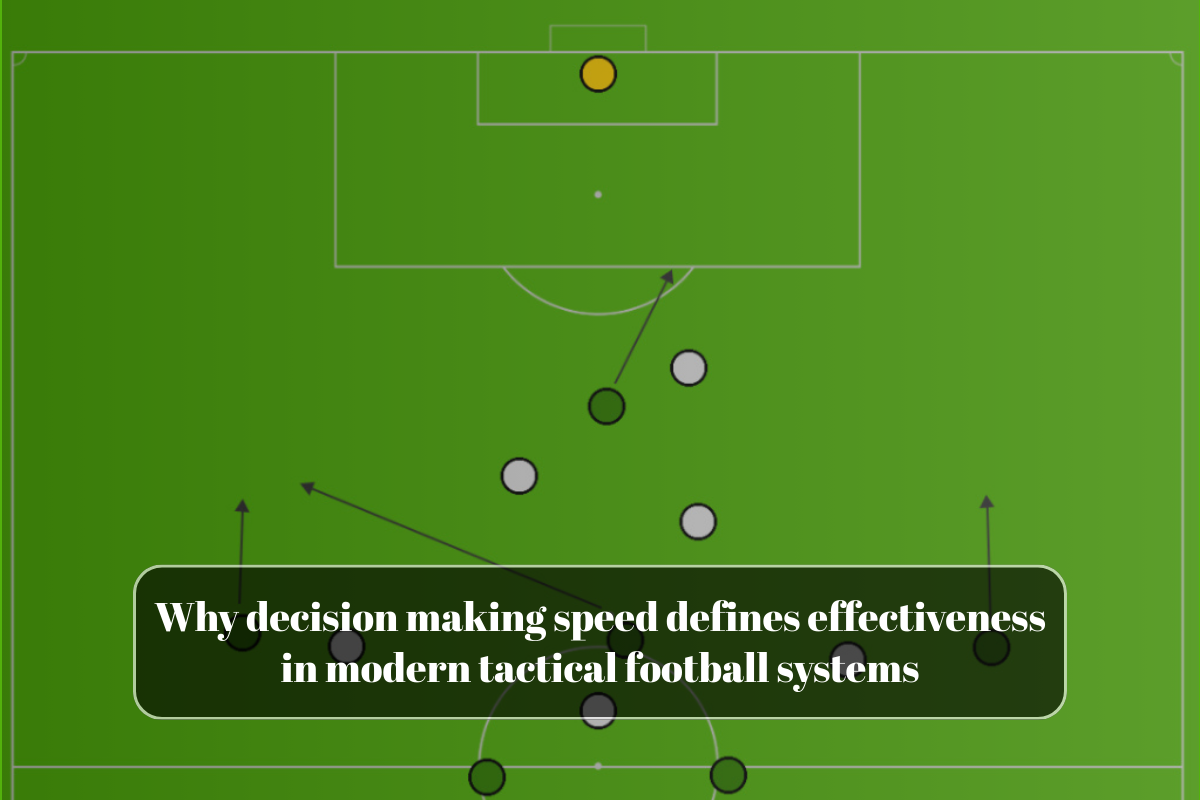
Philosophy anchors on age/stage: U6-U9 emphasize joy and basics (dribbling, passing grids); U10-U13 add tactics (small-sided overloads); U14+ integrate systems (pressing triggers, set-piece precision). Core tenets—technical mastery, tactical awareness, physical robustness, mental edge—thread through, ensuring identity scales from flag to varsity.
Crafting a Cohesive Philosophy
Start with a “Team Manifesto”: 3-5 pillars co-created with staff/parents, like “Play brave, support always.” Document drills aligning to pillars—e.g., “Brave” via 1v1 duels; “Support” through rondo possession. Weekly themes rotate focus: Monday technical, Wednesday tactical chaos, Friday scrimmages applying identity. USA Football’s ADM validates this progression, showing consistent philosophies lift retention 25% and skill transfer 35%.
Avoid “system shopping”—chasing trends like tiki-taka without foundation erodes trust. Instead, adapt globally proven models locally: Pep Guardiola’s positional play simplified for U12s (half-zones), or Klopp’s gegenpress via recovery sprints. Identity shines in adversity: Teams with philosophy rebound faster from deficits, per Hudl analytics.
Training Sessions as Identity Forges
Structure sessions religiously: 10% activation (dynamic warm-ups, tag games), 30% isolated skills (cone weaves, finishing circuits), 30% tactical integration (6v6+ positional games), 20% match simulation (11v11 with constraints like “5 passes to score”), 10% reflection (huddle debriefs: “How did we embody our pillars?”). Repetition wires neural pathways—200+ ball touches/session build muscle memory for “our style.”
Incorporate identity cues: Color-coded vests for roles (attackers blue=creative, defenders red=aggressive), verbal triggers (“Switch! Press!”), and video reviews celebrating “identity moments” like a perfect pressing trap. Guest sessions from alumni reinforce legacy: “This is how we won states in ’22.”
Overcoming Implementation Challenges
Coach alignment is key—mandatory philosophy workshops via NFHS ensure buy-in, preventing “my way” silos. Parental education clinics decode jargon: “We’re not winning now for identity later.” Resource-strapped clubs use free USA Football toolkits, scaling via parent volunteers for drills.
Injury prevention embeds identity: Head-up tackling progressions for “smart aggressors,” RPE monitoring caps loads at 70% max. Inclusivity weaves in—girls’ flag programs adapt pillars for speed/strategy, fostering diverse leaders.
Long-Term Identity Evolution
Track via metrics: Possession %, pass completion (85%+ target), recoveries high line. Annual camps reassess pillars—U16s might add “leadership” via captain rotations. Graduates embody identity off-field: 60% pursue coaching/analyst roles, per club surveys.
High school success stories abound: Programs like IMG Academy build “elite technicians” via daily rondos; De La Salle’s dynasty credits “no-quit culture” from consistent conditioning. Club-to-college pipelines thrive—players scouted for “cohesive fit” over raw stats.
Parental and Community Buy-In
Parents sign philosophy pacts, attending “Identity Nights” with demos. Communities sponsor murals of team crests symbolizing pillars, tying identity to local pride. Social media amplifies: #OurWay highlights embodying moments, inspiring recruits.
Measuring Identity Impact
Rubrics score sessions (1-5 on pillar adherence); player surveys gauge “Do you feel our identity?” Benchmarks: U12s retain shape 80% under pressure; alumni retention in program 70%. Outcomes: Lower attrition, higher win shares in tournaments.
Future-Proofing Through Philosophy
AI scouting values “style fit”—drones track decision speed in your system. As rules evolve (e.g., concussion protocols), philosophies adapt without fracturing core. Consistent training turns good teams into dynasties.
FAQs
1. How to create a team philosophy?
Co-draft 3-5 pillars (e.g., brave, united); align every drill/reflection to them.
2. Does consistency limit player creativity?
No—frameworks channel it; constraints like “play through press” spark innovation.
3. How much time on identity vs. winning?
Prioritize process 80%; wins follow as habits solidify (2-3 seasons).
4. Adapt for different ages/levels?
Yes—simplify for youth (games), complexify for teens (video/systems).
5. Handle coach turnover?
Document manifesto, train successors; pillars > personalities endure.