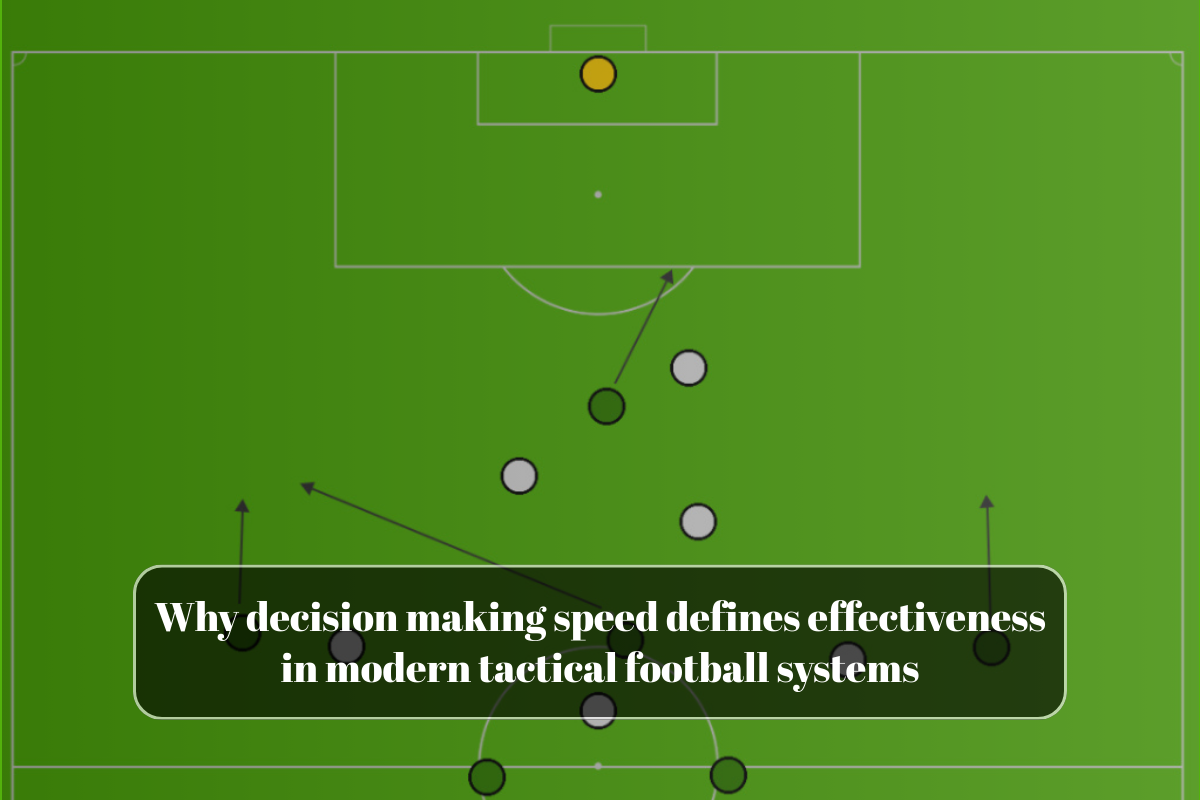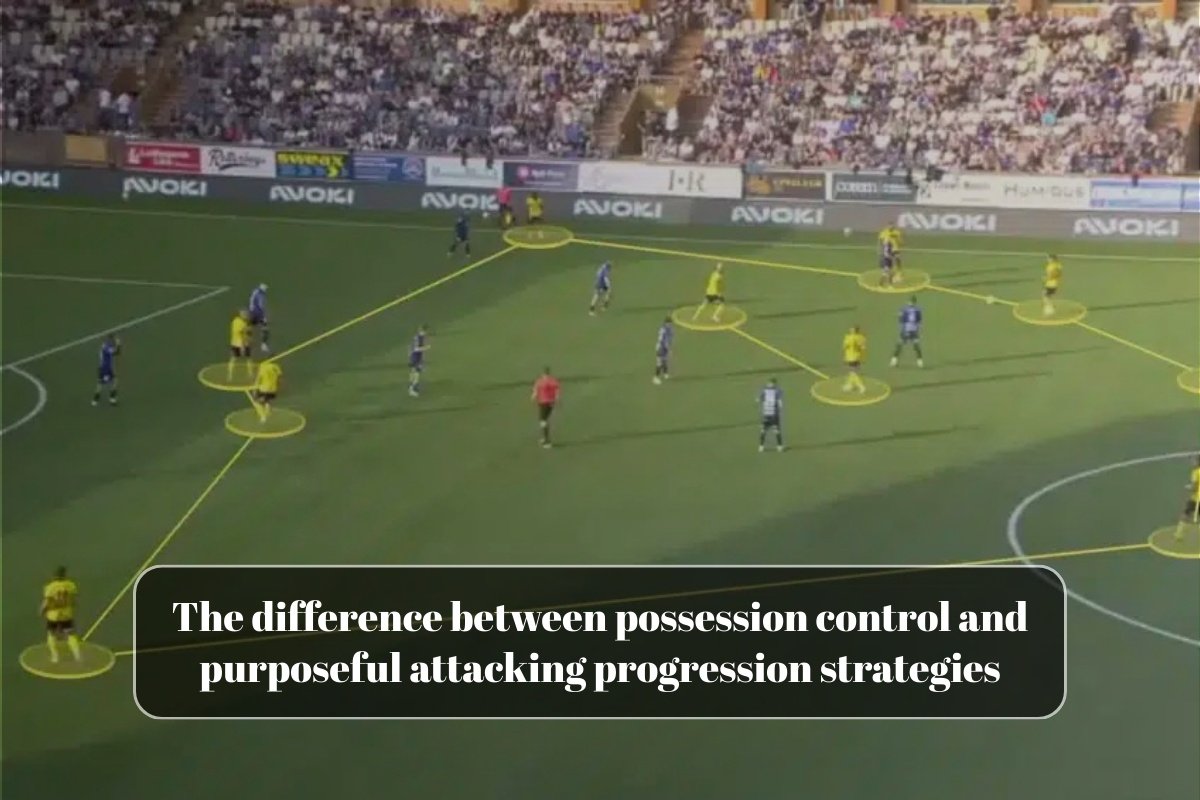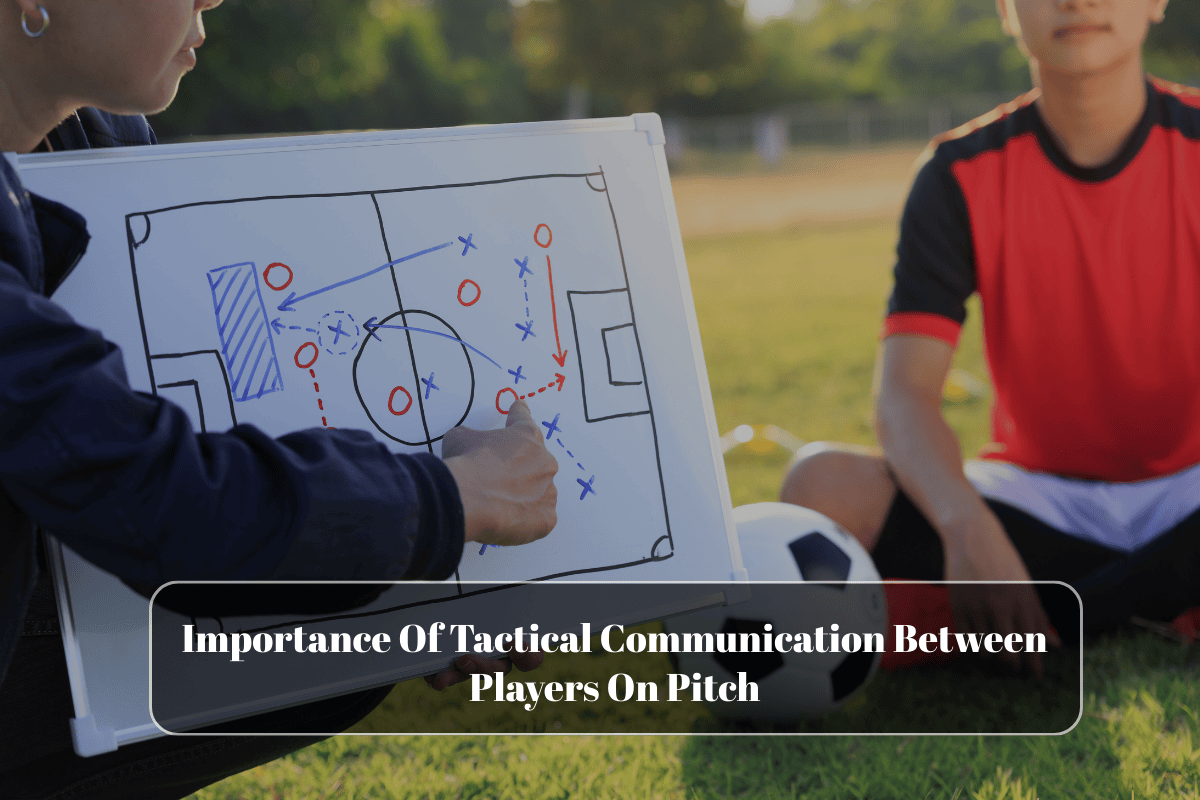
Tactical communication on the pitch synchronizes 11 players into a unified machine, preventing breakdowns that cost 40-60% of goals conceded in disorganized youth teams.
In US soccer, where vocal leadership separates state cup contenders from recreational sides, mastering concise calls and cues elevates tactical execution, builds confidence, and accelerates development to elite pathways like MLS Next Pro.
Why Communication Trumps Talent Alone
Silent teams react chaotically; vocal ones anticipate. Studies show teams with 20+ calls per half retain possession 25% longer and concede 30% fewer goals. US Youth Soccer manuals mandate it from U8: communication fills the 15-20 yard “blind spots” vision misses, enabling compact shapes and quick switches. Silence breeds isolation—vocal teams gel faster, with 50% higher win rates per Rise FC data.
Verbal Cues by Position
- Defenders: “Man on!” jockey warnings; “Hold/step!” shape adjustments; “Win first!” aerial duels. Center backs organize: “Drop/step up!” lines; fullbacks “Push high/inside!” overlaps.
- Midfielders: “Turn/switch!” options; “Time!” pressure alerts; “Half/gap!” runs. Pivots call “Drop deep!” screens.
- Attackers: “Wall/man away!” runs; “Hold up!” link play; “Overlap!” width.
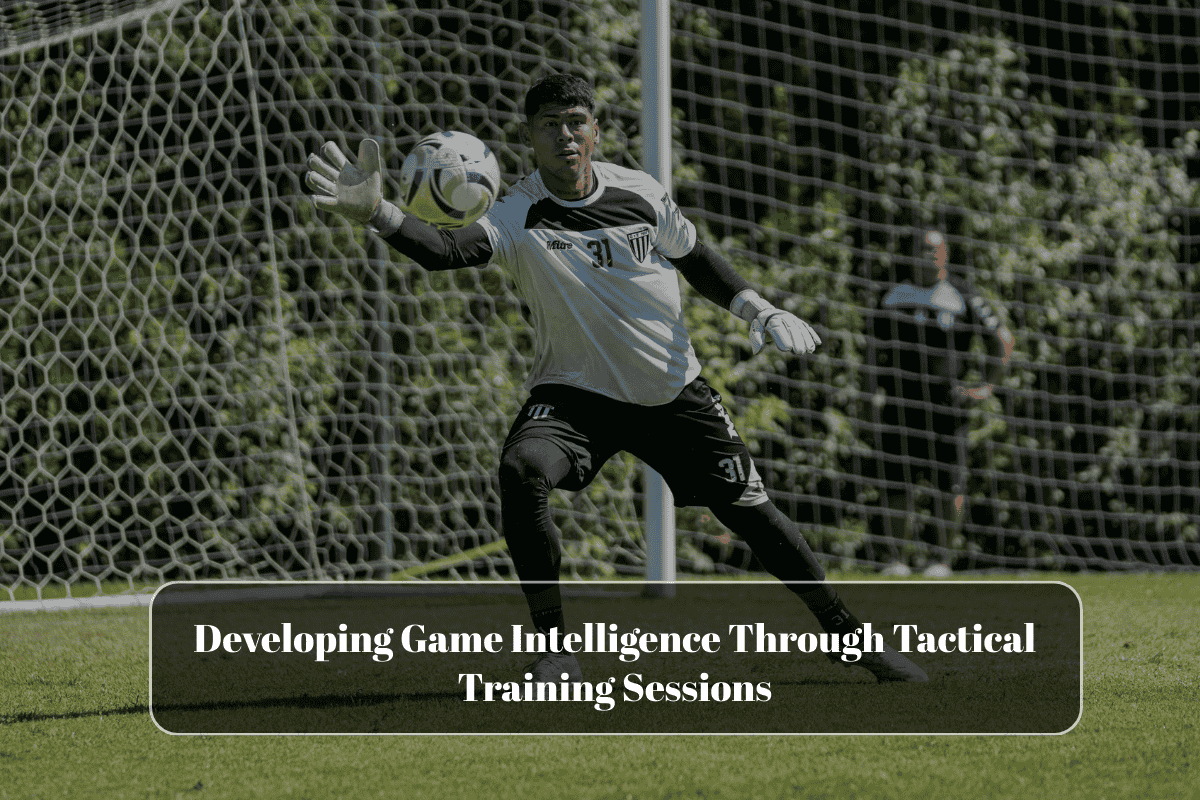
- Goalkeepers: “Turn/keeper!” distribution; “Up/back!” launches; “Away!” clearances. Their pitch-wide view dictates tempo.
Non-verbal: Pointed fingers mark men, thumbs up confirm switches. Age 9+ drills enforce both.
Phases of Play Communication
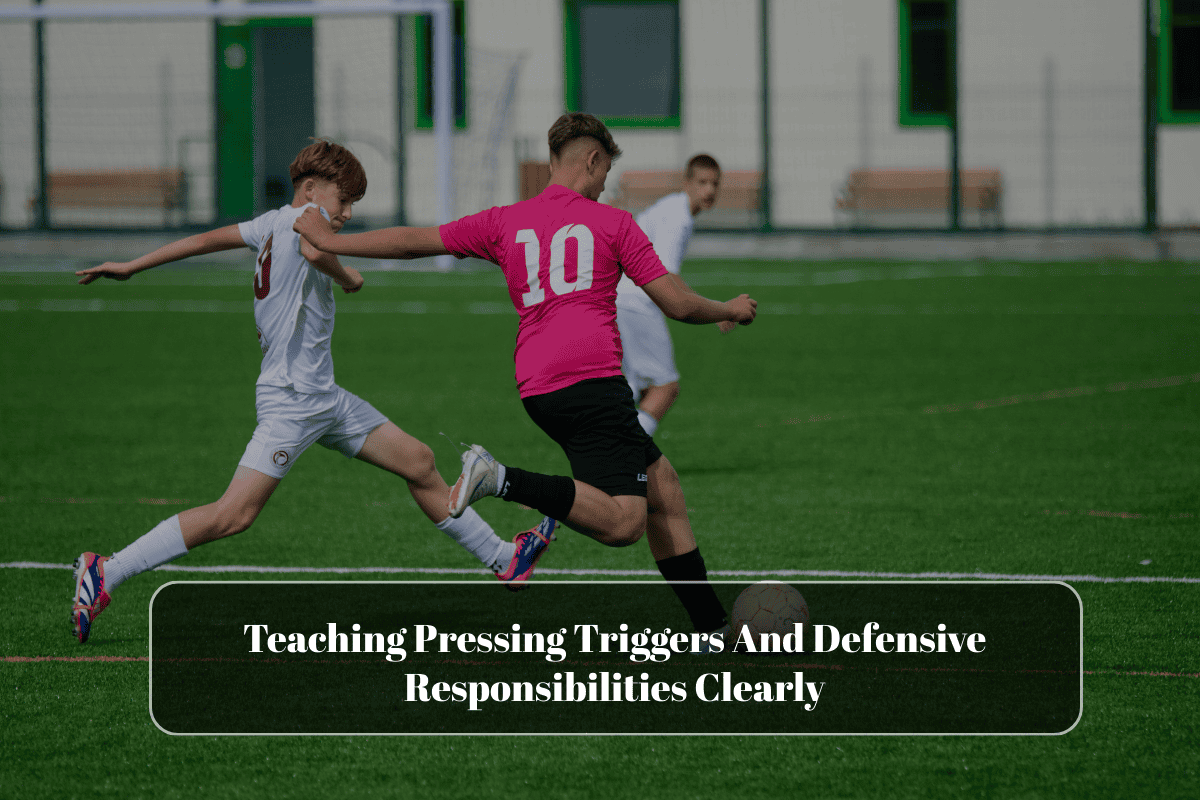
- Defending: “Press/step!” triggers; “Turn!” force errors. Compact calls—”Close gaps!”—shrink spaces 10 yards.
- Transition Defense: “Turn/track!” immediate shifts; “Recover!” goal-side sprints.
- Possession: “Man on/time!” receive cues; “Switch!” exploit width; “Bounce!” one-twos.
- Transition Attack: “Win it forward!” regains; “Numbers!” overloads.
- Attacking: “Wall/space!” combinations; “Far post!” crosses.
Set pieces: Numbered runs—”Blue 1 near, 2 far!”—precision scoring up 35%.
Youth Training Progressions
U8-U10: Fun rondos—must call names 10x. Simon Says: “Freeze—call position!”
U11-U13: 4 Goal Game—quarter field, verbal zone switches. Shadow defending: mirror + cue partner cover.
U14+: 11v11 patterns—opposition presses demand live calls. Scrimmage mics record/analyze volume/timing.
Drills:
- Rondo Relay: 5v2, winners call next attackers.
- Possession Boxes: Shift grids yelling “Move left/right!”
- Chaos Press: Coach balls randomly; organize verbally in 5 seconds.
- Crossing Game: Wingers/forwards sync calls for 70% conversion.
Coaches model 5x louder than players; rotate “communication captains.”
Building Habits
Positive reinforcement: Praise first calls—”Loud and clear!” Peer feedback: “Heard you—great cover.” Video sessions replay silences vs. successes. Accountability: Silent players sit out 2 minutes.
Physical cues amplify: eye contact confirms. Fatigue drills ensure calls persist at 85th minute.
US Context and Benefits
US Soccer Grassroots curricula embed from U6; ECNL mandates vocal benchmarks for roster spots. Benefits: 25% possession gains, 30% fewer errors, leadership emergence (vocal kids 3x captain likelihood). College scouts prioritize “organizers.”
Girls’ programs counter timidity—Rise FC drills boost volume 40%. Inclusivity: multilingual calls for diverse teams.
Pitfalls: Over-talking clutters—teach listen-first. Shy players? Pair with vocal mentors.
Tactical communication turns individuals into symphonies—pitch IQ soars, teams unbreakable.
FAQs
1. Why is tactical communication vital?
Synchronizes 11 players, cuts concessions 30%, retains possession 25% longer.
2. Top defender calls?
“Man on!”, “Hold/step!”, “Win first!” for shape and duels.
3. Best youth drill?
Rondo 5v2 with name calls—builds habits under pressure.
4. Goalkeeper’s role?
Dictates tempo: “Turn/keeper/away!” launches; organizes lines.
5. How to develop shy communicators?
Rotate captains, positive praise, pair with vocal partners.