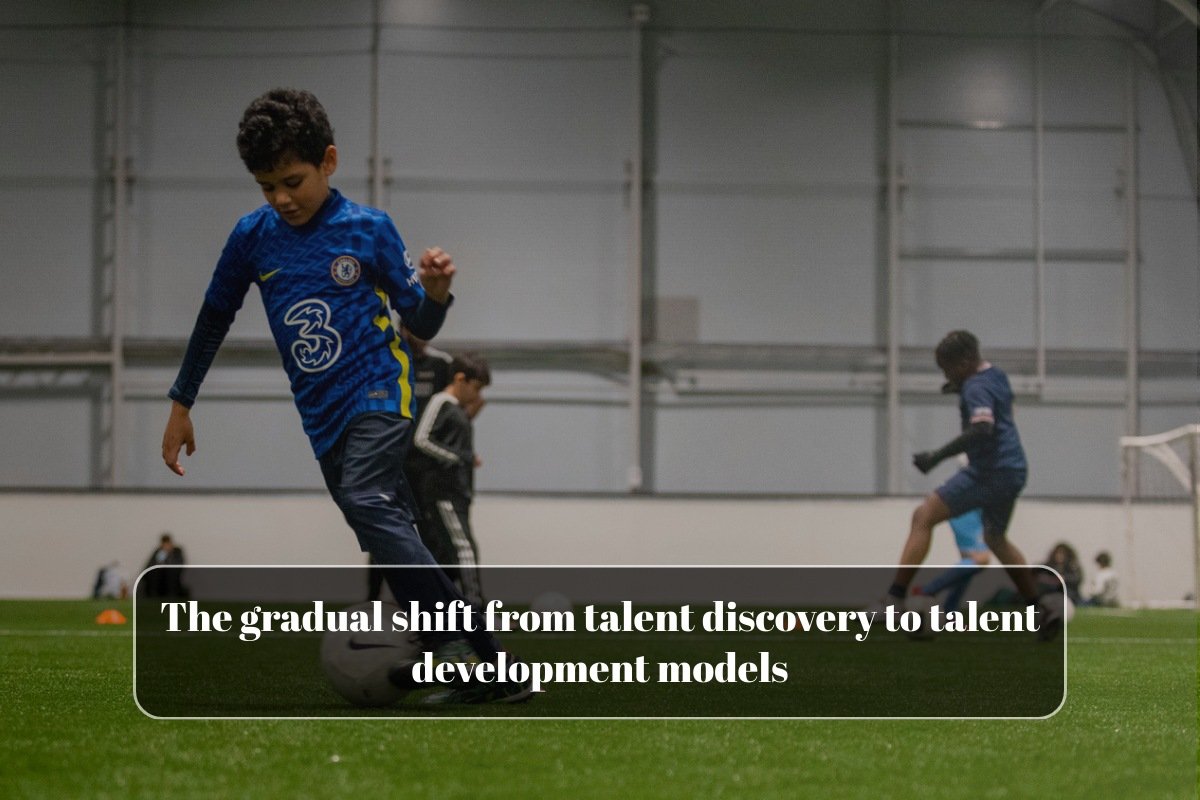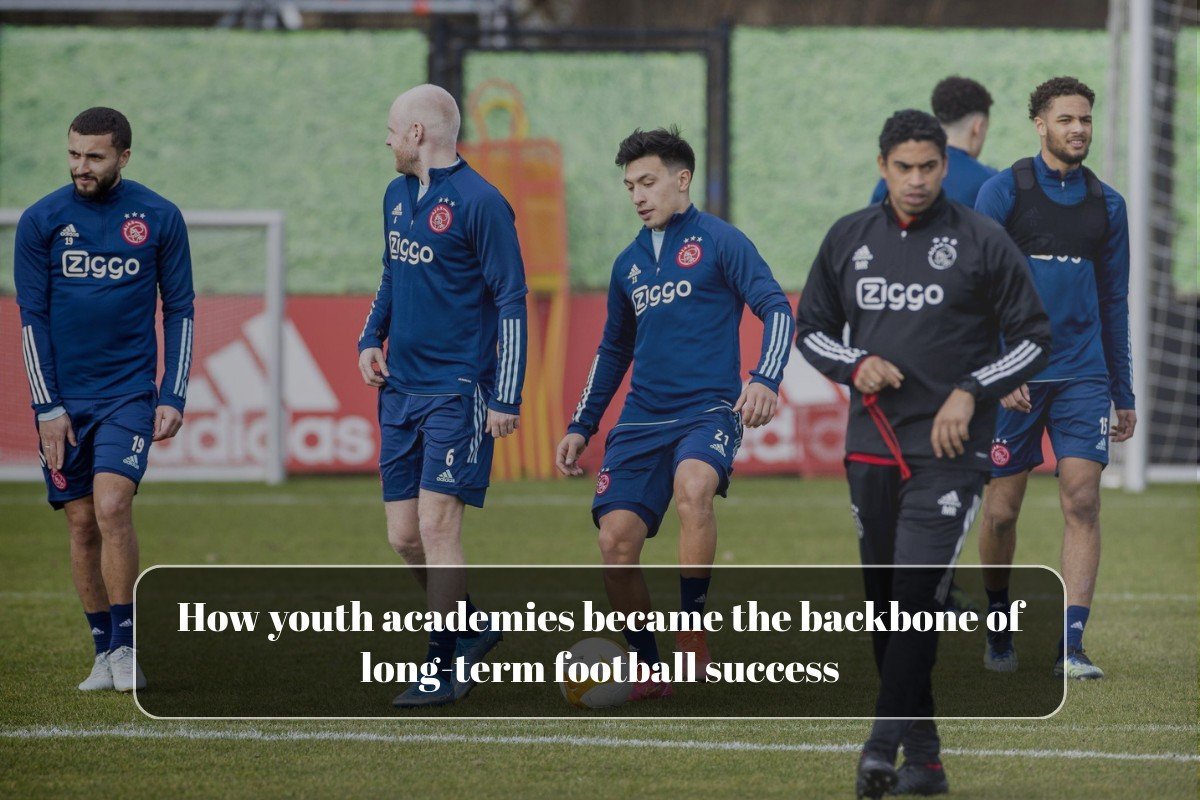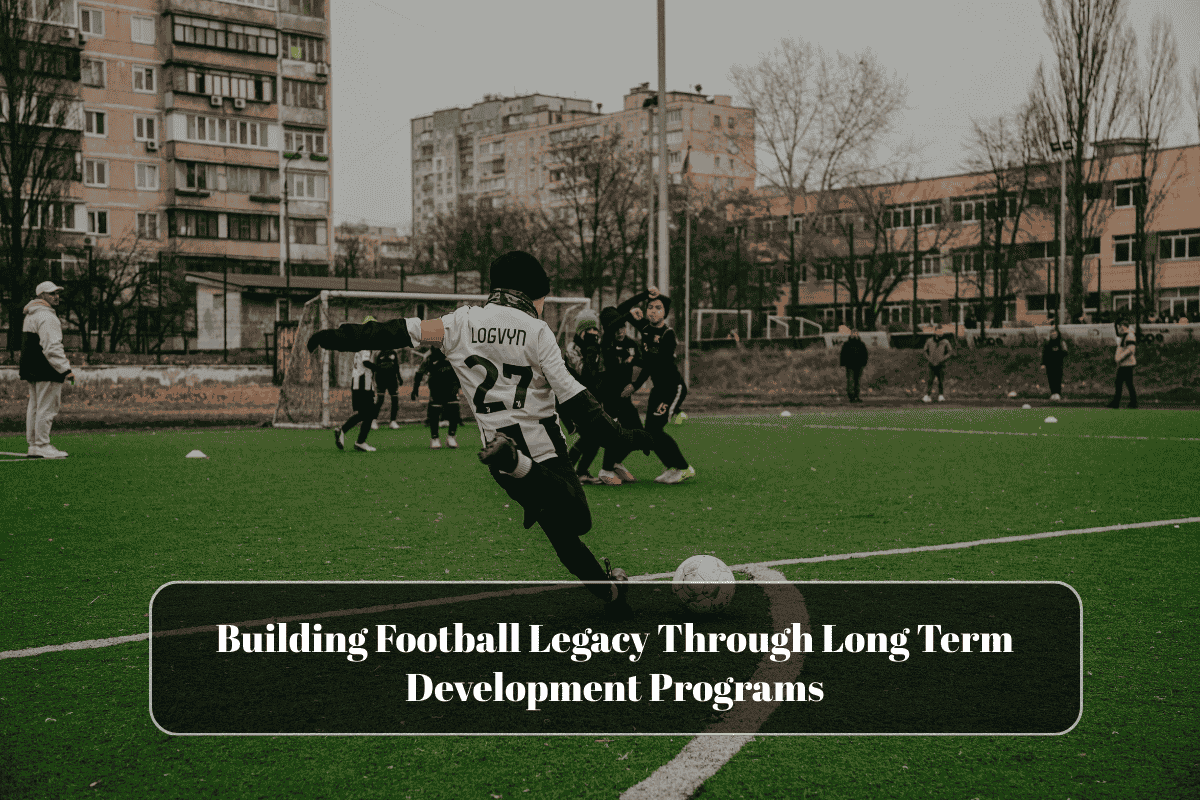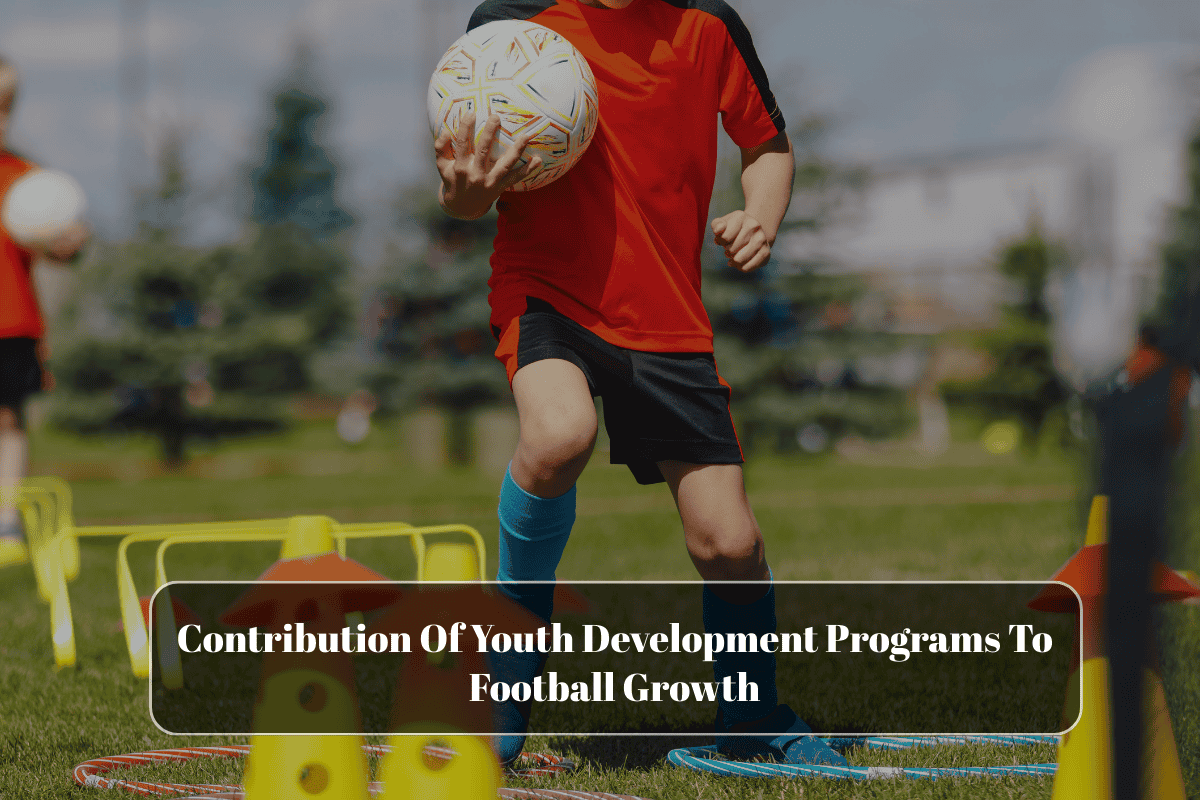
Youth development programs are the backbone of football growth in the US, nurturing talent from grassroots to professional levels while expanding participation and building sustainable soccer culture.
These initiatives have driven a 39% average annual increase in underserved community engagement through programs like Soccer for Success, countering national declines and positioning the US for World Cup 2026 success with over 3 million registered players.
Driving Participation and Inclusivity
US Youth Soccer and the US Soccer Foundation lead with affordable access: Soccer for Success engages 100,000 kids yearly in after-school programs, achieving 64% year-over-year growth despite a 14% national drop in 6-12-year-old participation.
Flag football surges via NFL investments, serving 620,000 youth across 50 states and adding girls’ high school programs in 28 states, hitting record 55.4% overall youth sports participation in 2023.
State Cup reforms allow all 54 state champions direct national paths, slashing travel costs and mirroring European local-to-national models. Age group alignment (August 1-July 31 from 2026) matches academic cohorts, reducing dropouts by fostering social cohesion.
Technical and Tactical Skill Development
Grassroots curricula from U6 embed fundamentals: dribbling, passing, decision-making via small-sided games. Club manuals emphasize long-term athlete development (LTAD), progressing from fun-focused U8 to tactical U14+ play. Million Coaches Challenge trained 1 million coaches in evidence-based methods, yielding 93% confidence gains and higher youth joy/continuation rates.
ECNL, DA, and MLS Next academies provide elite pathways: 300+ clubs focus age-specific training, producing 70% of US national team prospects. Video analysis and periodized plans boost technical proficiency 25-30% annually.
Holistic Player Growth
Programs integrate mental resilience, nutrition, and academics: 76% of Soccer for Success participants like soccer more post-program, with 58% first-timers gaining confidence. Leadership rotates captains; injury prevention via FIFA 11+ cuts ACL risks 50%. Girls’ initiatives counter disparities, with flag growth exemplifying inclusivity.
Pathway to Professionalism
Youth programs feed USL, MLS Next Pro, and MLS: Rapids Youth Soccer tracks stats showing structured training correlates with pro contracts. National Championships showcase talent; state associations govern 3 million players, fostering 15% higher retention vs. unstructured play.
Reforms address pay-to-play inequities: reduced regionals, free coaching modules. Project Play notes 14 states hit 63% participation targets, led by Vermont (72%).
Community and Economic Impact
Programs build infrastructure: 1,000 safe places to play targeted by 2026. Cross-sector partnerships—NFL, foundations—fund growth, yielding health benefits (obesity reduction 20%) and community cohesion. Aspen Institute highlights casual play rise (65% tried sports 2024), crediting innovations like RCX flag leagues.
Challenges persist: 46% cost surge since 2019 ($1,016/family average) widens income gaps. Solutions: scholarships, public fields, corporate sponsorships.
Measuring Success
Metrics shine: 50% higher retention in coached programs; national team pipelines strengthened (e.g., 2022 World Cup roster 80% academy products). Longitudinal studies link early training to pro success; 2026 World Cup host role accelerates investment.
Youth programs don’t just develop players—they grow the beautiful game nationwide, from inner cities to suburbs.
FAQs
1. How has Soccer for Success impacted participation?
39% annual growth, 100K kids yearly despite national 14% decline.
2. What’s the Million Coaches Challenge milestone?
1M coaches trained; 93% more confident, higher youth joy.
3. How do reforms improve access?
Direct State Cup nationals, August age groups cut costs/dropouts.
4. Flag football’s role?
620K players, girls’ HS in 28 states via NFL push.
5. Participation trends?
55.4% record high, 65% tried sports 2024.