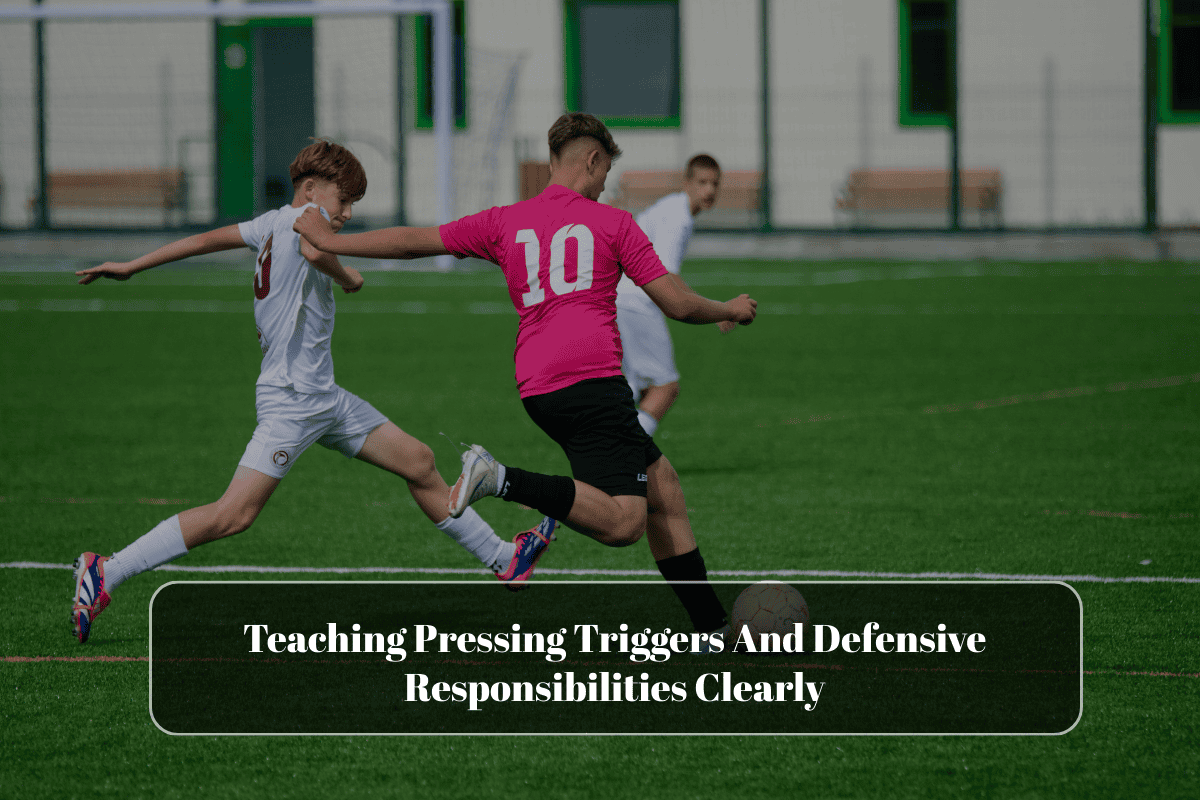
Clear instruction on pressing triggers and defensive responsibilities equips young footballers with tactical awareness, turning chaotic defense into organized resistance. U.S. youth coaches use age-specific drills like pressure-cover-balance and the 4 Ds (Delay, Deny, Deflect, Dispossess) to simplify concepts, building compact units that win possession high.
Defining Pressing Triggers
Triggers signal when to press: bad touches, backward passes, or isolated attackers. Teach “red lights” (press now) vs. “green lights” (drop off)—e.g., heavy touch = swarm; clean first touch sideways = hold line. Use colored cones: red for immediate pressure, yellow for jockeying. Sessions start with walkthroughs: coach demonstrates, players echo verbally before acting.
First Defender: Pressure Role
The nearest player (1st defender) closes space at 45-degree angles, arms out, eyes on ball/hips—not feet. Drill: 1v1 gates where attackers dribble through; defenders “delay” 3 seconds before tackling, practicing patience. Add “shout pressure!” rule—verbal cue commits them, training instincts. U8-U10 focus block tackles; U12+ add jockeying to force wide.
Second Defender: Cover Duty
Cover shadows 1st defender 5-10 yards behind, cutting passing lanes to support or intercept if beaten. 2v2 drills: pressure calls “pressure!”, cover yells “cover!” and tucks in. Rotate roles so all learn positioning—ball-side, goal-side. Progress to 3v3 with “balance” (3rd defender fills cover gap), teaching compactness.
Unit Shape and Communication
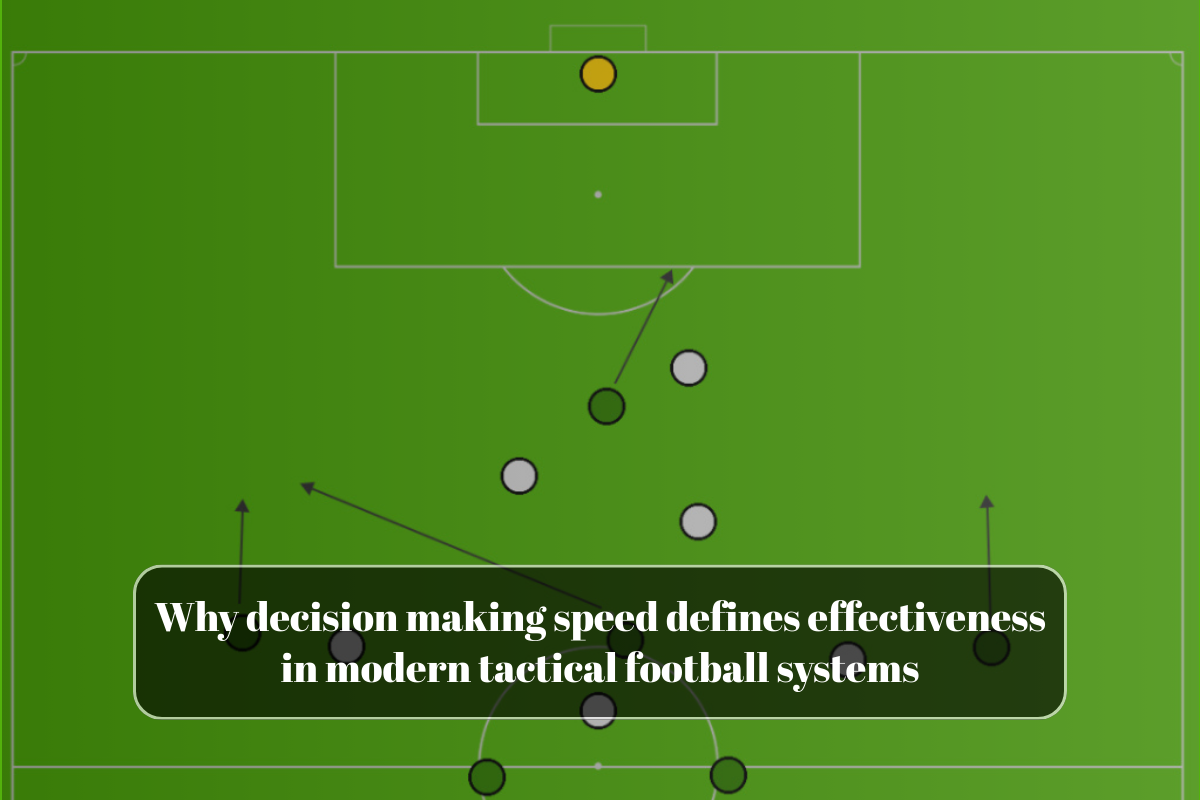
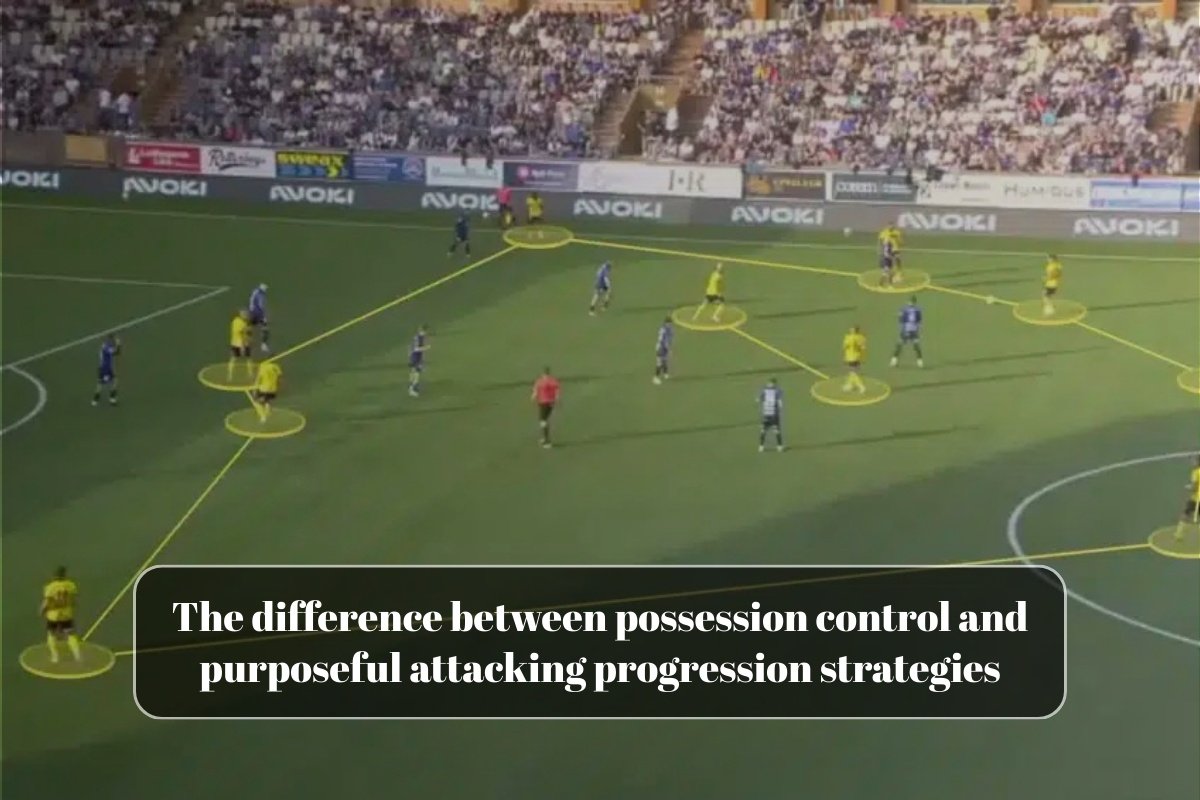
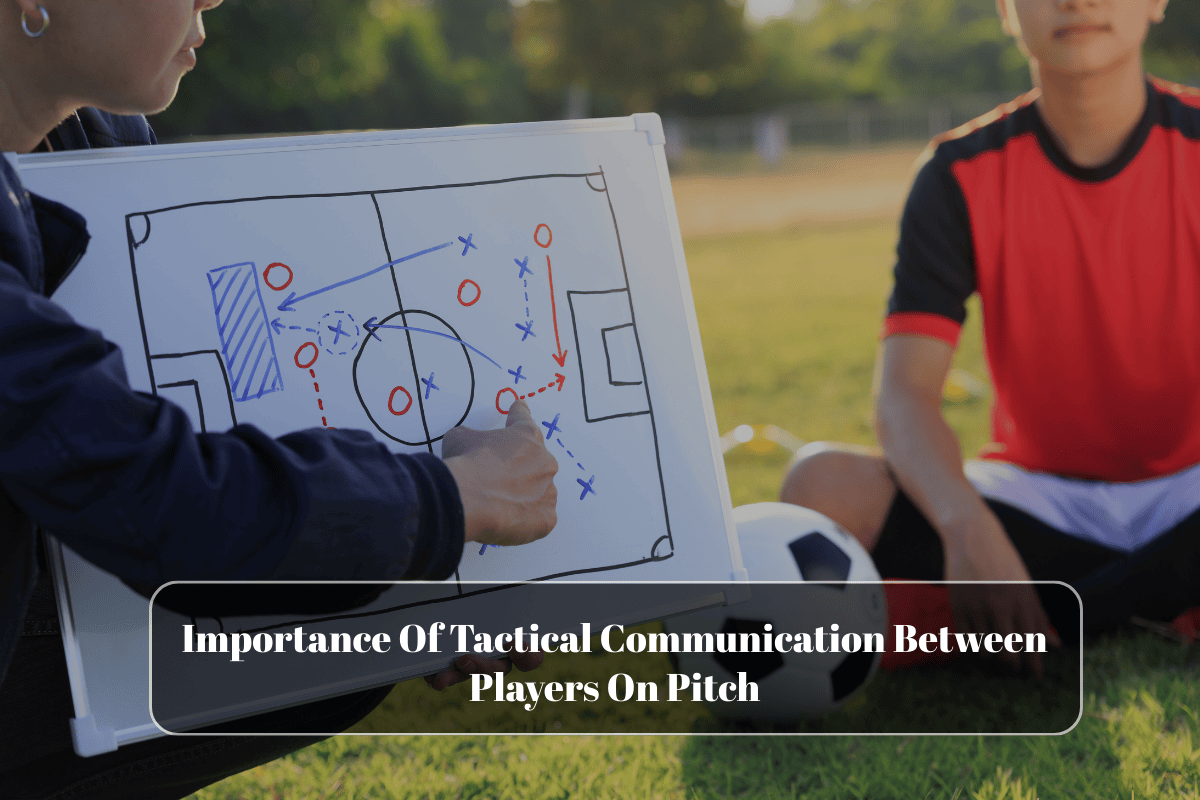
Teams shift as one: “step up” on regains, “squeeze” to compress space. Four Goal Game drills group pressing—defenders advance together, practicing offside traps. First Shout Drill: GK calls “first!” to nearest defender, who presses; others adjust. U11-U12 introduce forcing wide; U13+ add low block vs. high press switches.
Age-Appropriate Progressions
U8: 1v1 marking, basic pressure. U10: 7v7 pressure-cover, deny space. U12: Switching lines, pressing traps. U14: Set-piece zoning. U16+: Anticipation, psychological feints. Videos of pros (e.g., Liverpool’s gegenpress) analyze triggers post-drill for visual learning.
Game-Speed Application
Small-sided chaos games (4v4+) with rules: no press without trigger call, reward turnovers with shots. 8v6 overloads teach moving as unit—defenders track runners, GK organizes. Debrief: “What triggered? Who covered?” Journals log personal responsibilities.
Common Fixes and Feedback
Fix ball-watching with mannequins simulating runners. Combat diving in via “delay first” mantra. Praise communication over tackles—e.g., “Great cover shift!” Positive reinforcement builds habits; video review shows blind spots.
Integration with Attack
Defensive triggers feed counters: win high = immediate forward balls (3Gs: Get ball, Get forward, Get shot). Full sessions end 11v11 waves, blending press into transitions for holistic understanding.
These methods create switched-on defenders who read games, communicate relentlessly, and press smartly—core to modern youth soccer success.
Frequently Asked Questions
1. What are basic pressing triggers for U10?
Bad touches, backward passes, isolated attackers—call “pressure!”
2. How to teach pressure-cover in drills?
2v2: nearest shouts “pressure,” second “cover” and backs them up.
3. What’s the 4 Ds of defending?
Delay, Deny space, Deflect passes, Dispossess.
4. How does GK fit defensive responsibilities?
Calls “first!” to organize, sweeps behind for compactness.
5. Progress pressing by age?
U8:1v1; U10:unit shape; U12+:forcing wide/low block.