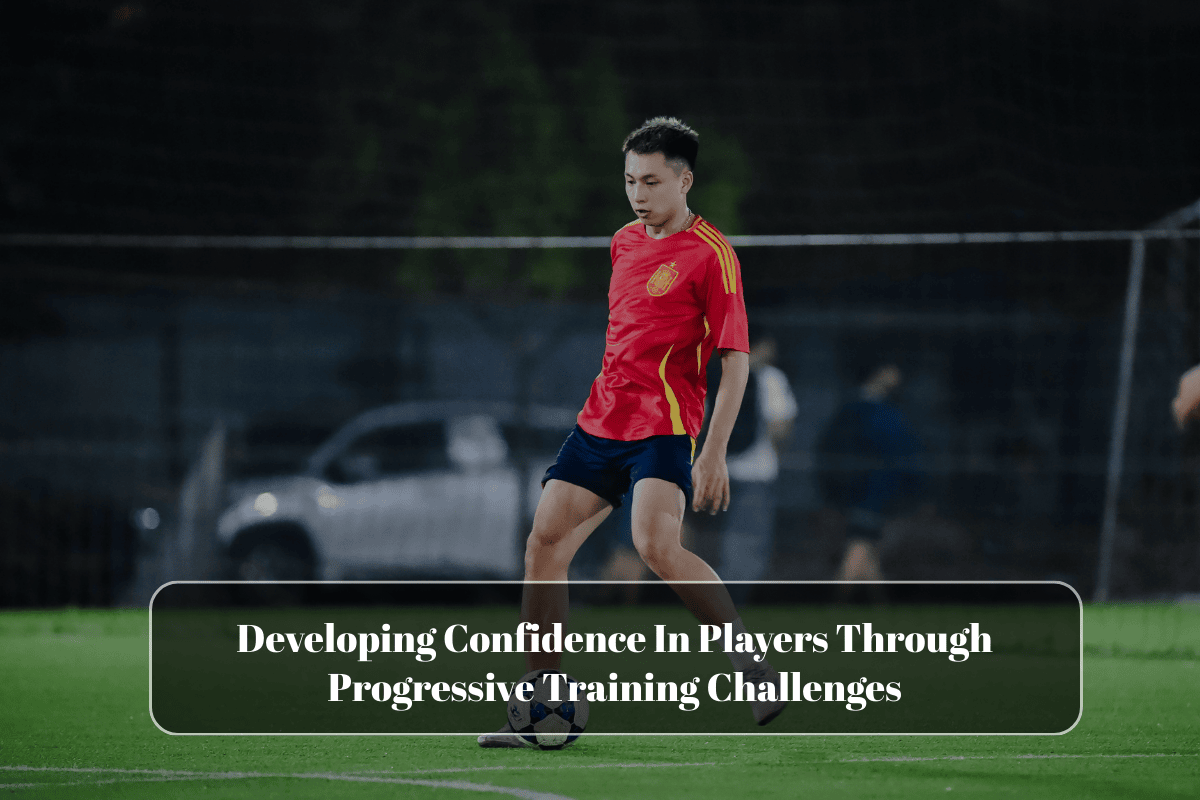
Progressive training challenges build player confidence by gradually increasing difficulty, allowing athletes to master skills, celebrate small wins, and tackle fears in a supportive environment. U.S. youth sports coaches—from soccer to basketball—use structured progressions to transform hesitant beginners into self-assured performers, reducing anxiety and boosting performance under pressure.
Foundation: Basic Skill Mastery
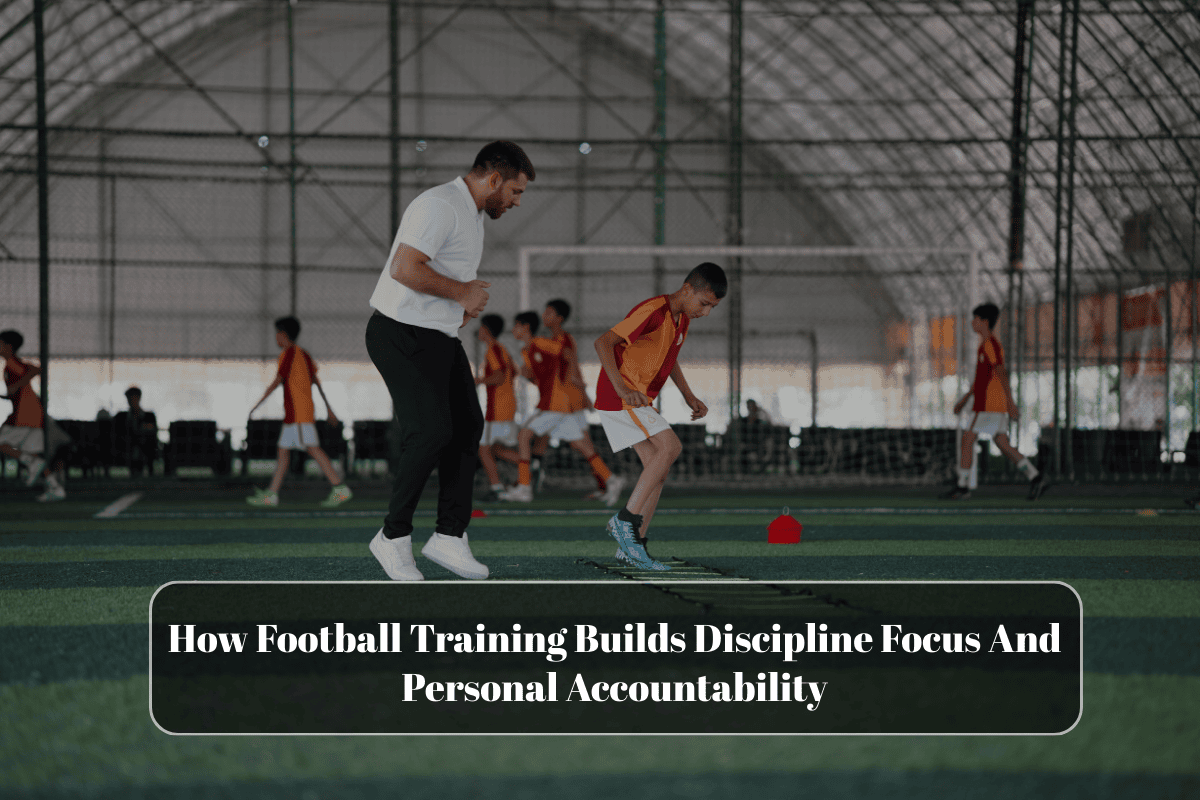
Start with simple, high-success drills to instill early confidence. In soccer, beginners juggle 1-2 touches before advancing to 5-10; basketball players shoot uncontested layups (90% success) prior to defenders. Repetition breeds competence—coaches track “personal bests” like consecutive passes, posting charts for visual progress. Positive feedback like “Great foot placement!” reinforces neural pathways for self-belief.
Introducing Controlled Pressure
Layer mild stress once basics solidify: 1v1 duels with safe boundaries, or shooting with one defender at half-speed. Soccer’s “rondo” (keep-away in tight grids) teaches quick decisions; players who complete 5 passes earn “confidence badges.” Gradual exposure desensitizes fear of failure—basketball free throws start solo, add crowd noise, then full games.
Small-Sided Games for Decision-Making
3v3 or 4v4 formats force choices without overwhelming chaos, building trust in instincts. Limits like “two-touch max” simplify options, letting players succeed 70-80% initially. Rotate roles—defender to attacker—showing versatility. Debriefs focus on efforts: “You scanned before receiving—smart!” shifts mindset from outcomes to process.
Physical and Mental Escalation
Incorporate fitness ladders: shuttle runs from 20 yards to 100m, or hold planks 10 seconds longer weekly. Pair with visualization—pre-drill breathing (4-7-8 technique) calms nerves. Soccer penalty shootouts progress from no keeper to timed pressure, celebrating “brave attempts” over makes.
Team Challenges and Peer Support
Group tasks foster collective confidence: relay races where slowest links hands for bonus points, emphasizing unity. Peer coaching—stronger players teach beginners—builds leadership and empathy. Captain-led huddles share “one win” per session, creating upward spirals of positivity.
Competition Simulations
Replicate games: scrimmages with scores, referees, and subs, starting low-stakes (intra-team). Advance to invitational tournaments with progress metrics like “shots attempted” over goals. Post-game reviews highlight growth: “You pressured like we practiced—team felt it!”
Coach Role in Progression
Trained coaches assess readiness via rubrics (e.g., 80% mastery before next level), avoiding plateaus or frustration. Individualized plans track baselines—timid players get extra encouragement; overconfident ones face tougher mirrors. Long-term: seasonal arcs culminate in championships, proving growth.
Progressive challenges create athletes who trust their preparation, embrace risks, and lead by example—confidence as muscle memory.
Frequently Asked Questions
1. How to start building confidence?
Simple drills with 90% success rates, tracking personal bests visually.
2. What if a player fails early?
Praise effort/process; regress drill temporarily, rebuild via small wins.
3. Role of small-sided games?
Simplify decisions, boost touches, ensure frequent successes.
4. How to add pressure safely?
Gradual: half-speed defenders, noise, then full simulations.
5. Measure confidence gains?
Self-ratings pre/post-session, willingness to volunteer, risk-taking stats.