Structured team movements cultivate attacking patterns that create space, overload defenses, and finish clinically, elevating youth and amateur teams to competitive levels. U.S. soccer coaches employ phased progressions—from positional rotations to full-game applications—to ingrain habits like third-man runs and switches of play, boosting goal output by 30-50%.
Positional Foundations: Shape and Roles
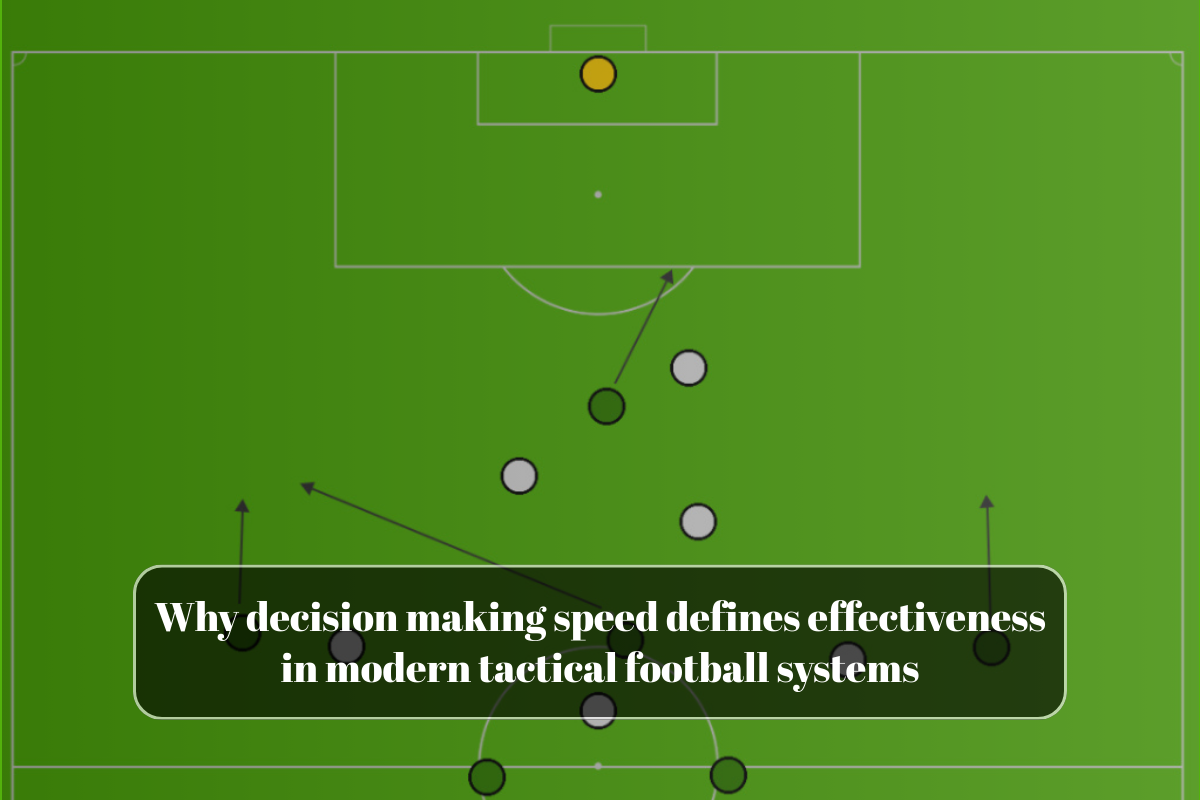
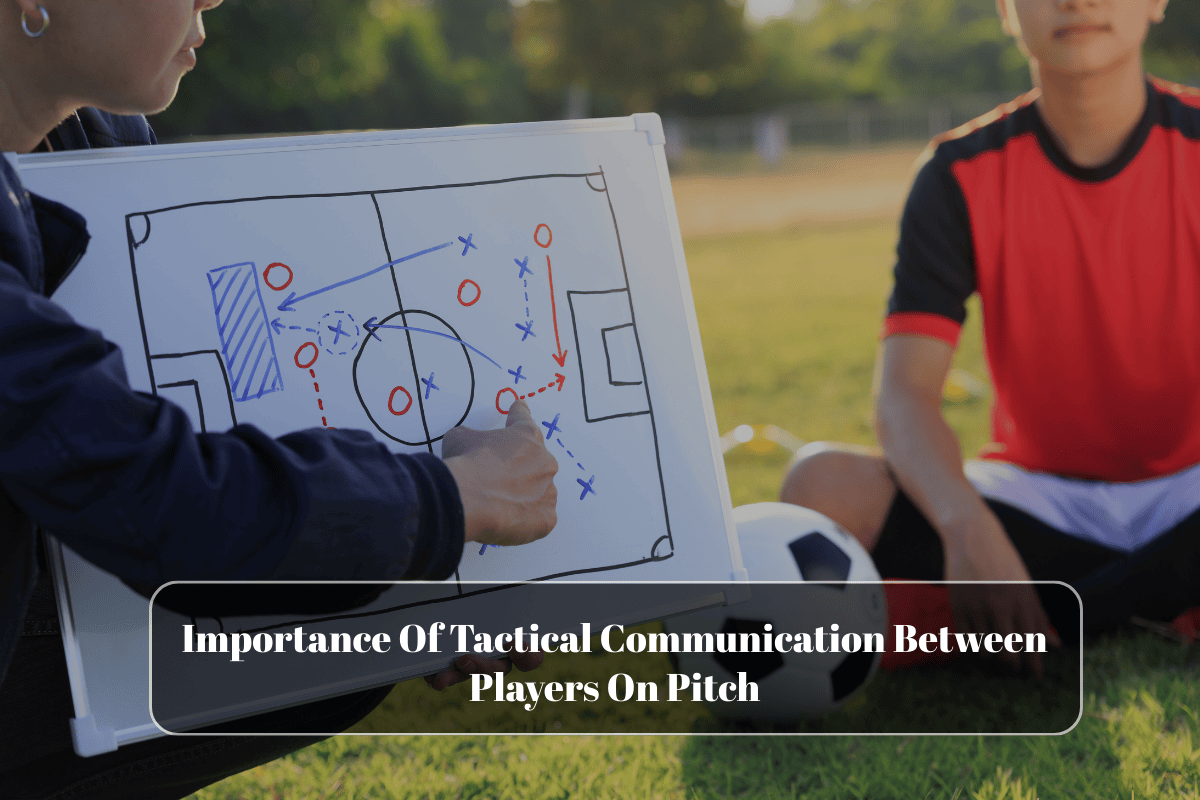
Begin with static rondo grids (4v2 in 10×10 yards) to master angles—possession players position triangle-shaped for passing triangles. Assign roles: #8 rotates wide on cue, #10 drops deep, winger overlaps. Verbal triggers (“drop!”, “wide!”) synchronize movements. Progress to shadow play without opposition, repeating 20 reps per pattern.
Building Through the Third Man
Third-man combinations unlock compact defenses: passer (1) finds runner (2) who lays off to late support (3). Drill: 6v4+2 in 30×20 grid—defenders pressure, attackers cycle possession until third-man shot. Rotate runners weekly so midfielders grasp wing-back roles, fostering fluidity.
Overloads and Switching Play
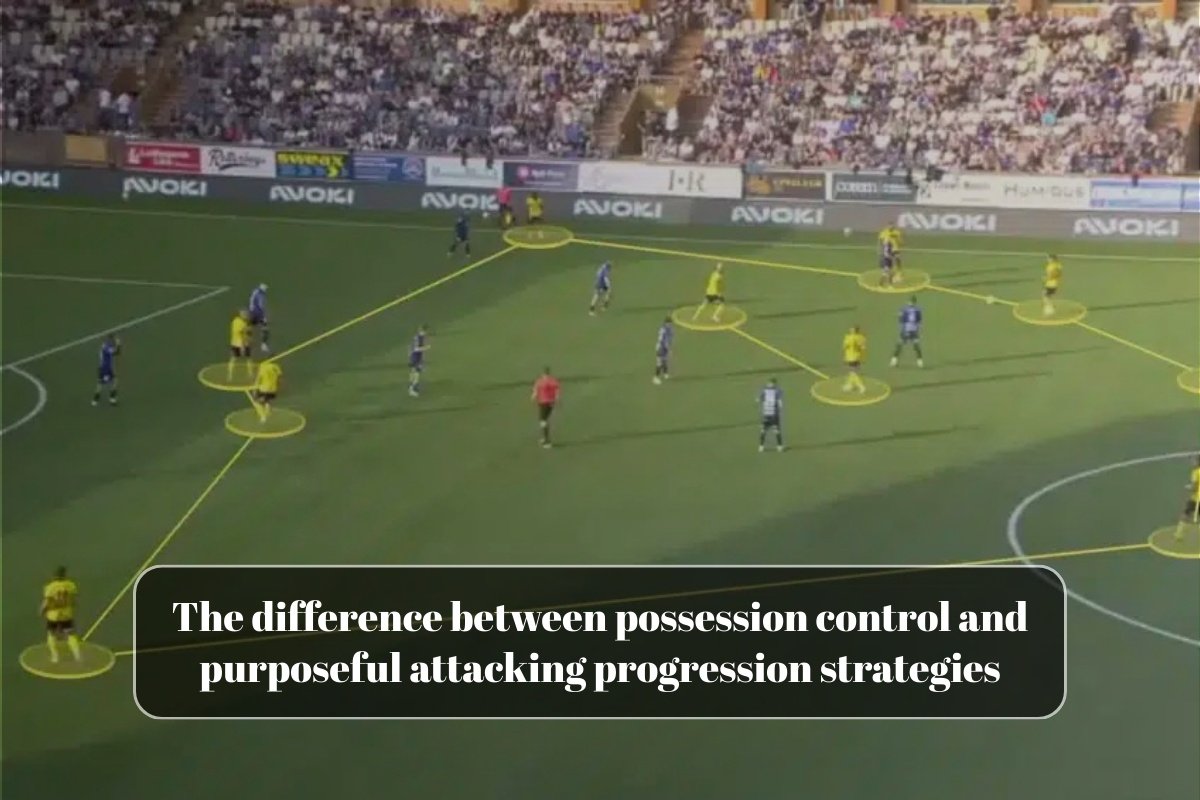
Create numerical superiority: 3v2 edge play feeds crosses, or 5v3 central rotations pull markers. Switch-of-play drills span half-field—left overload breaks down, quick ball to opposite flank exploits gaps. Limit touches (two max) force one-touch passes, mimicking high-tempo pros like Man City’s inverted fullbacks.
Combination Play in Tight Spaces
8v6 possession games in 40×30 yards demand wall-passes, overlaps, and underlaps. Patterns like “give-and-go + overlap” sequence: winger receives wide, lays to fullback who overlaps for cutback. Reward completed sequences with shots; track success rates (aim 70%) before advancing pressure.
Final Third Penetration
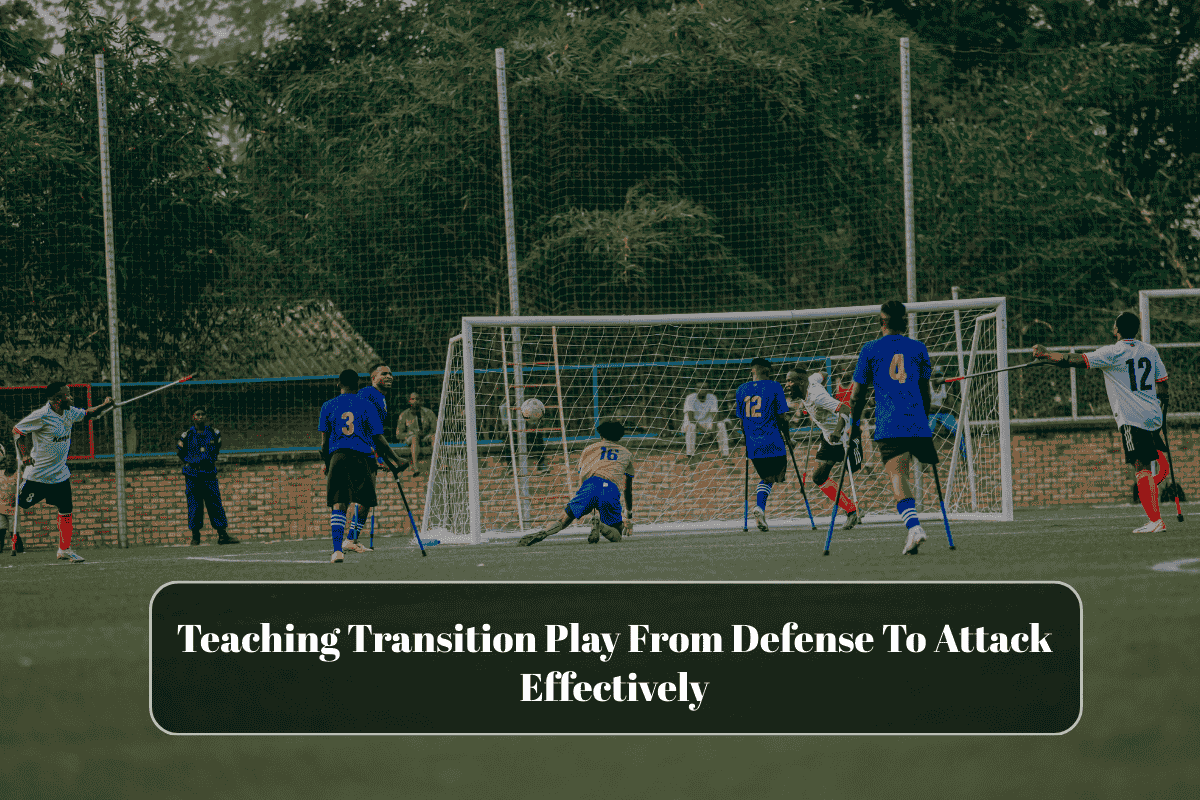
Transition drills from midfield to box: regains feed patterned attacks—e.g., double movement where striker pins, #10 runs channel, winger cuts inside. 7v7 half-field games enforce “two passes to shoot,” teaching quick arrivals. Vary starting positions to adapt to game states (leading vs. chasing).
Functional Small-Sided Games
5v5+2 neutrals in 50×35 grid integrates patterns under fatigue—coach freezes play to reposition into shapes. Gate goals reward switches; central goals demand overloads. Debrief: “What movement created space?” Players self-assess via journals, owning patterns.
Opposition Awareness and Adaptation
Scout-based sessions mimic rivals: face “low block” with patient rotations, “high line” via vertical balls. 11v11 waves alternate scripted starts (e.g., GK throw to pattern) with free play, blending structure with creativity. Video analysis post-session highlights successful triggers.
Coaching Progressions and Metrics
Phase 1 (weeks 1-2): unopposed 80% success. Phase 2: opposed 60%. Phase 3: game chaos. Track KPIs: passes to final third (20+/game), key passes (5+), big chances (3+). Captains lead warm-ups, embedding ownership.
These movements turn individuals into cohesive units, dissecting defenses with precision and flair.
Frequently Asked Questions
1. What’s the best drill for third-man runs?
6v4+2 rondo with late support runner feeding shots.
2. How to teach switching play?
Half-field 5v3 overloads to opposite flank on breakdown.
3. Age for structured patterns?
U12+; U8-U10 focus basic rotations, simpler shapes.
4. Handle low-block defenses?
Patient possession, third-man combos, wide rotations.
5. Measure pattern success?
Key passes/game, final-third entries, chance creation rate.