Football coaching methodologies have transformed from rigid, directive styles to holistic, data-driven approaches, adapting to increased athleticism, tactical complexity, and psychological demands. In the U.S., organizations like USSF and NSCAA led this evolution, shifting youth focus from “win at all costs” to player-centered development amid the game’s professionalization.
Early Directive Era (Pre-1980s)
Coaches emphasized positional drilling and teacher-led tactics, with players as executors—”stand here, kick there.” AYSO’s simple fun-first model contrasted USSF’s rigorous certifications, but sessions lacked game context, prompting complaints like “When do we play?” Bunker-Bell model (1982) introduced game-related phases, pioneering constraints-led approaches.
Tactical Revolution (1990s-2000s)
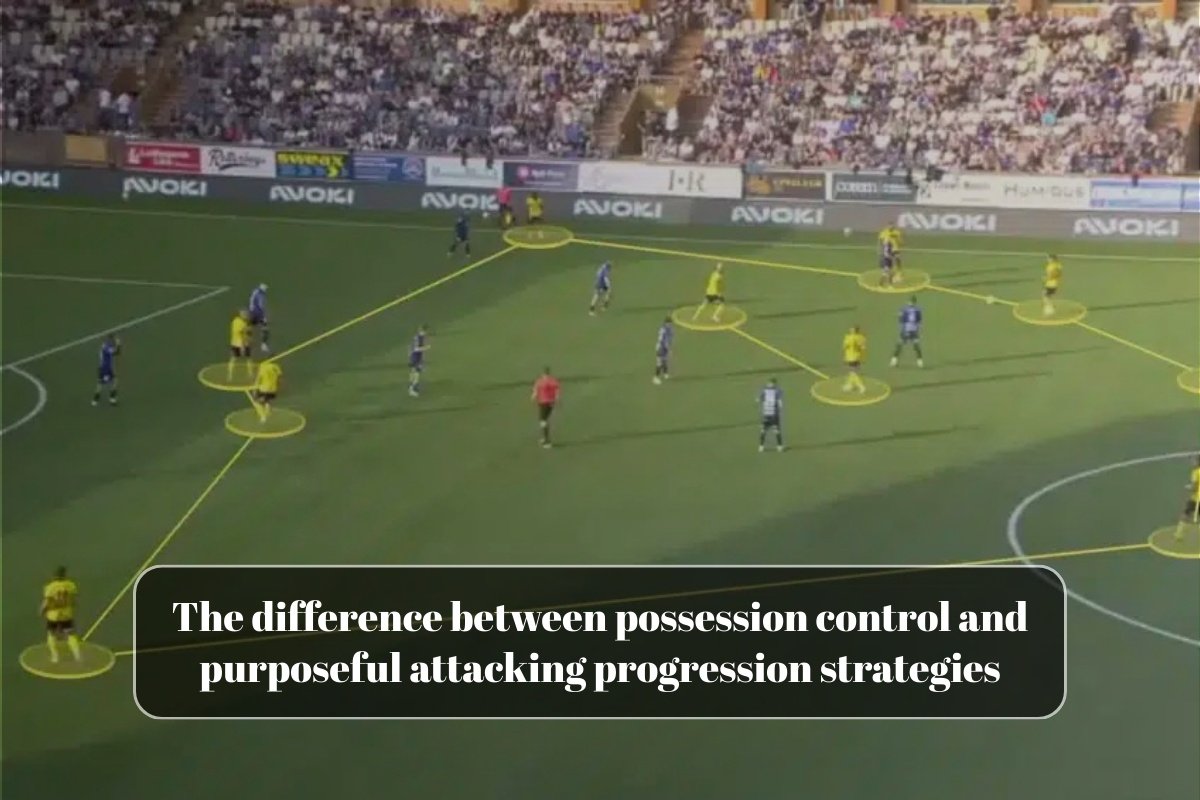
NASL’s collapse spurred NSCAA’s academy, blending European methods with American physicality. Pressing emerged via Klinsmann’s USMNT (2011), demanding high fitness; 4-3-3 formations prioritized possession over long balls. Coaches adopted periodization—warm-up, technical, tactical, small-sided, cool-down—mirroring UEFA Pro licenses.
Data and Science Integration (2010s)
GPS tracking and video analysis quantified loads (10-12km/game), birthing individualized programs. Pep Guardiola’s tiki-taka influenced MLS academies, emphasizing overloads and zonal pressing. Sports psychology—visualization, goal-setting—addressed mental resilience; injury prevention via FIFA 11+ reduced ACL tears 50%.
Modern Holistic Coaching (2020s)
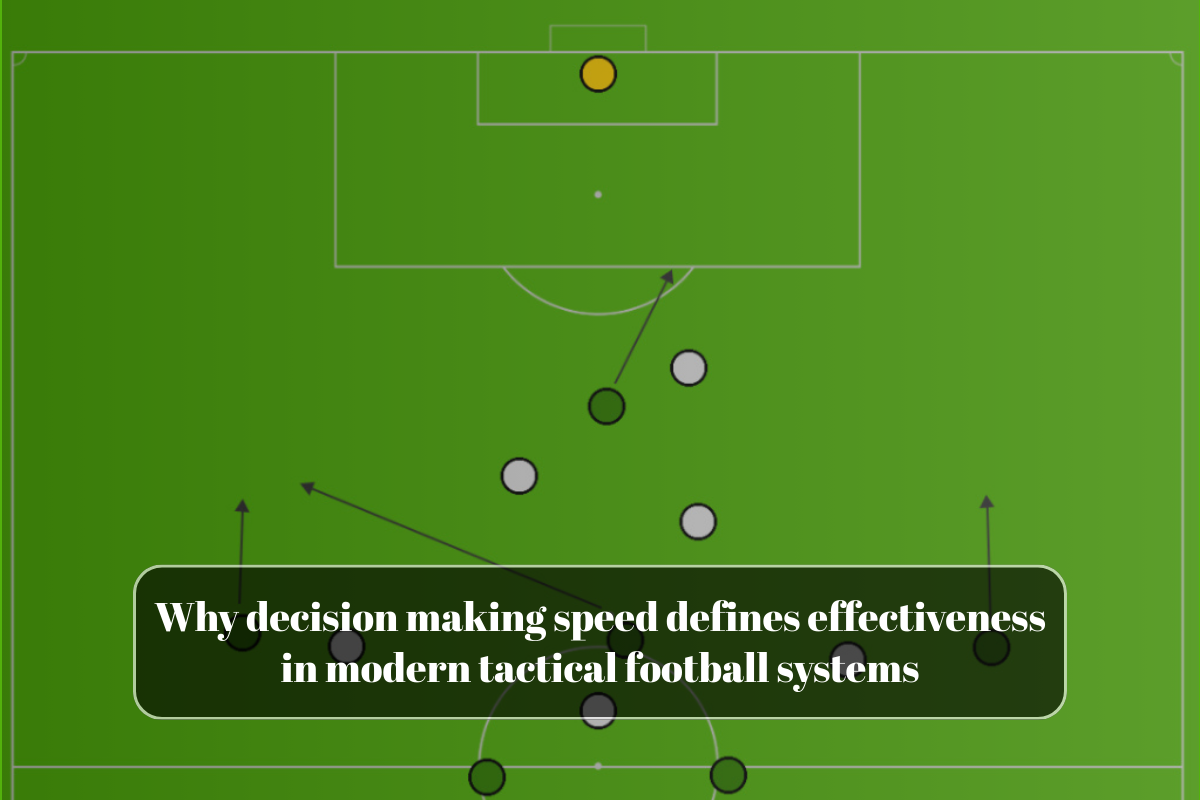
Player empowerment reigns: guided discovery questions (“Why that pass?”) foster decision-making over commands. Positional fluidity (inverted fullbacks) requires tactical flexibility; AI analytics predict opponent patterns, informing in-game tweaks. U.S. Youth Soccer manuals stress small-sided games for cognitive growth, aligning with long-term athlete development (LTAD).
Youth-Specific Evolutions
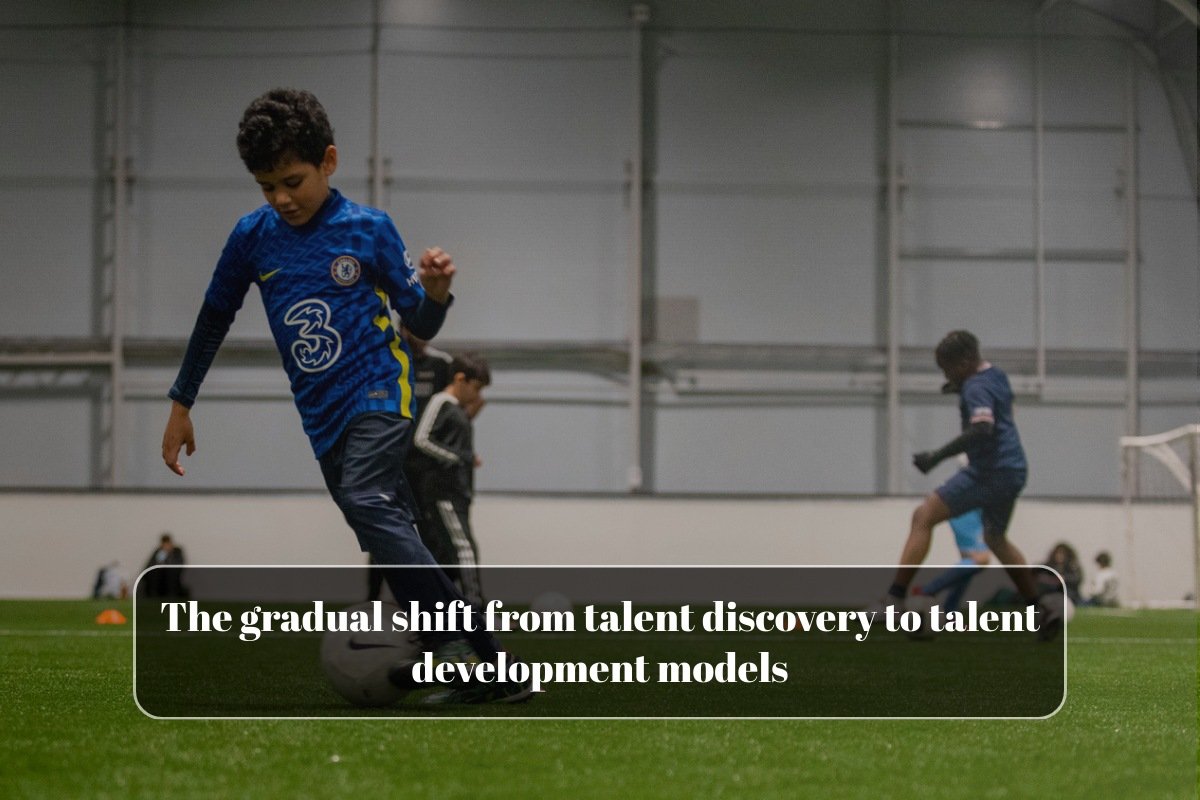
AYSO/NSCAA diverged: AYSO’s simplicity for rec leagues, USSF’s progression for elite. Modern U.S. academies (MLS Next) integrate science—HRV monitoring, nutrition—while emphasizing fun to retention. Holistic views treat players as learners, not mini-pros, countering burnout.
Psychological and Cultural Shifts
Coaches now prioritize mental health, using mindfulness for pressure (e.g., penalties). Inclusivity training addresses diversity; women’s game influences tactics with technical flair. Leadership scales evolve—autocratic to transformational—validated in UEFA studies.
Technology’s Transformative Role
Wearables track biometrics; Hudl dissects set-pieces (20% goals). VR simulates matches; apps gamify tactics. Coaches adapt per opponent, ditching rigid plans for fluidity.
Future Directions
AI coaching aids and VR training loom, but human intuition endures. U.S. lags Europe but gains via MLS investment; emphasis on joy sustains growth.
This evolution meets modern demands—fitter, smarter players—producing adaptable leaders on and off the pitch.
Frequently Asked Questions
1. What sparked coaching change in 1980s?
Bunker-Bell model added game-related phases beyond drills.
2. How did data change tactics?
GPS/video quantified loads, enabled pressing and periodization.
3. Key modern methodology?
Player-centered, constraints-led discovery for decisions.
4. Youth vs. pro differences?
Fun/small-sided focus; LTAD over early specialization.
5. Role of psychology now?
Mental resilience via visualization, mindfulness for pressure.