For decades, football clubs focused primarily on discovering raw talent — identifying naturally gifted players and fast-tracking them into competitive environments. However, modern football has undergone a strategic transformation. The focus has shifted from simply finding talent to systematically developing it. This evolution has reshaped recruitment policies, academy structures, and long-term performance planning across the sport.
The Traditional Talent Discovery Model
Historically, clubs invested heavily in scouting networks. Talent identification centered on physical dominance, technical flair, or early competitive impact. Scouts searched local tournaments, school competitions, and regional leagues looking for standout performers.
Key Characteristics of the Discovery Model
- Heavy reliance on individual scouts
- Emphasis on physical maturity and immediate performance
- Short-term evaluation windows
- Limited structured long-term planning
While this approach produced exceptional players, it carried risks. Early bloomers were often favored, while late developers were overlooked. Many promising athletes failed to reach their potential due to insufficient developmental support.
Why the Shift Became Necessary
The financial and competitive demands of modern football exposed the limitations of the discovery-only model. Clubs recognized that raw talent alone does not guarantee elite performance.
Several factors accelerated the shift:
- Rising transfer fees and financial risk
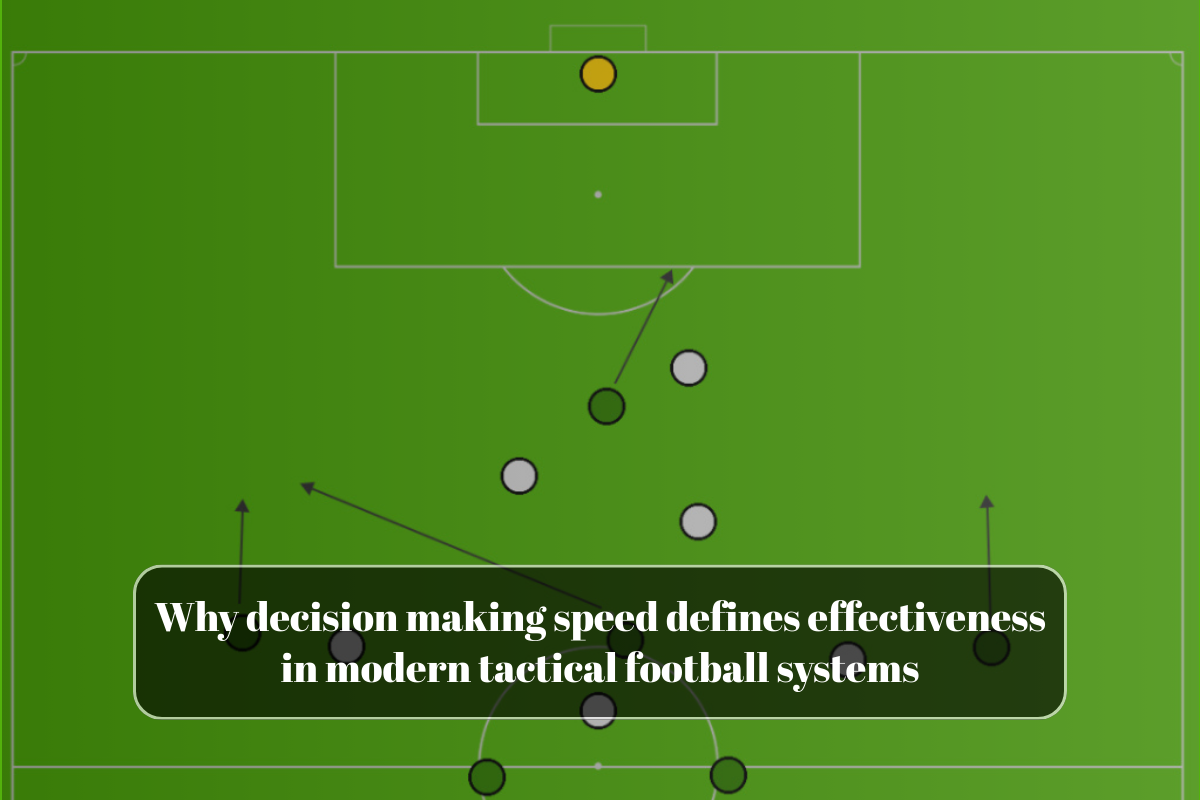
- Increased tactical complexity
- Greater physical demands of the modern game
- Data-driven performance analysis
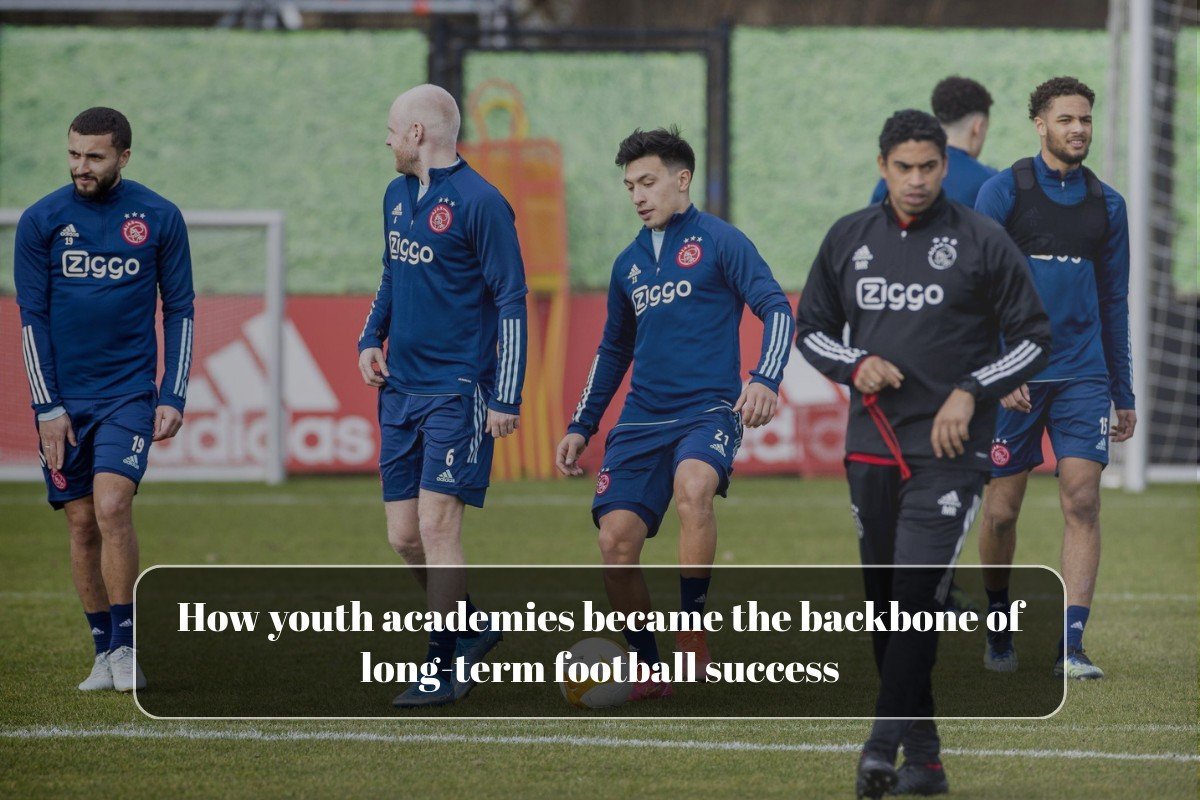
Clubs like FC Barcelona and AFC Ajax demonstrated that structured development pathways could produce technically and tactically superior players over time.
The Talent Development Model Explained
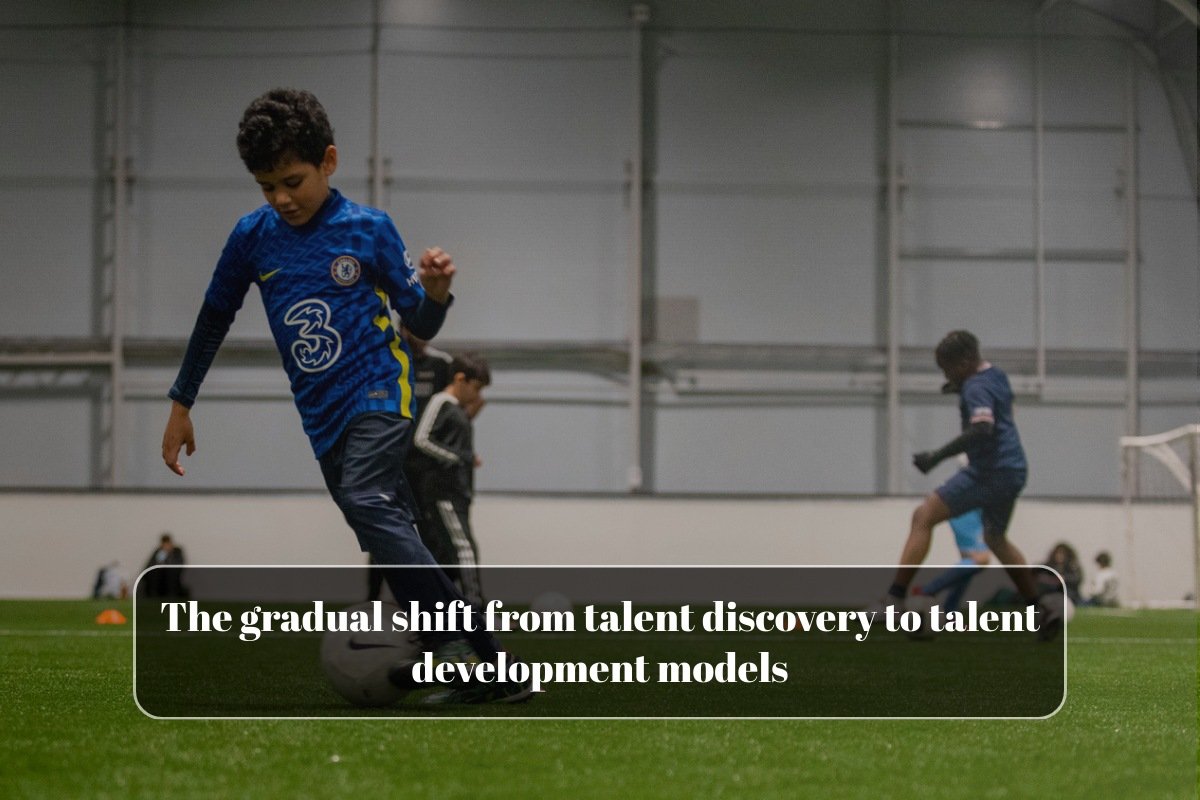
The development model prioritizes long-term growth over immediate performance. Instead of asking, “How good is this player now?” clubs ask, “How good can this player become?”
Core Components of the Development Model
- Individualized training plans
- Psychological and educational support
- Sports science integration
- Gradual exposure to competitive levels
- Clear progression pathways
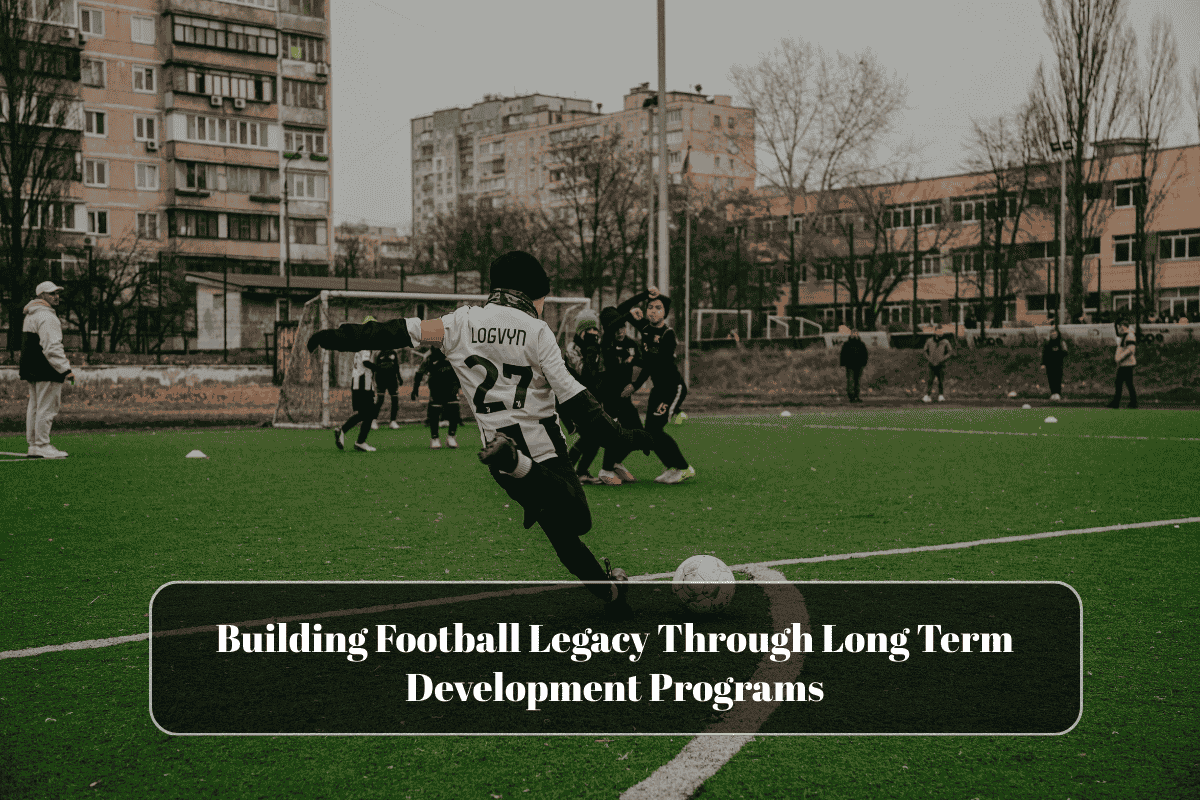
Academies such as La Masia exemplify this philosophy, focusing on technical intelligence, positional understanding, and decision-making from early childhood.
Discovery vs Development: A Strategic Comparison
| Dimension | Talent Discovery Model | Talent Development Model |
|---|---|---|
| Time Horizon | Short-term | Long-term |
| Evaluation Focus | Current performance | Growth potential |
| Risk Level | High (inconsistent outcomes) | Lower (structured progression) |
| Support Systems | Limited | Comprehensive (mental, physical, tactical) |
| Sustainability | Moderate | High |
The development model reduces randomness by providing structured support systems that maximize each player’s potential.
The Role of Data and Sports Science
Modern academies now rely on data analytics, biometric monitoring, and AI-based performance tracking. Clubs such as Manchester City F.C. and FC Bayern Munich integrate GPS tracking, injury prevention programs, and cognitive training into youth development frameworks.
This scientific approach allows:
- Early detection of physical imbalances
- Personalized workload management
- Evidence-based progression decisions
- Reduced injury rates
Data has shifted talent evaluation from subjective scouting opinions to measurable developmental benchmarks.
Psychological and Educational Integration
A defining feature of the development model is its holistic nature. Elite academies now emphasize:
- Mental resilience training
- Leadership development
- Academic education
- Media and lifestyle management
The objective is not only to produce skilled footballers but well-rounded professionals capable of handling elite-level pressure.
Long-Term Impact on Club Success
Clubs embracing development models experience:
- Greater squad stability
- Reduced transfer dependency
- Stronger tactical cohesion
- Higher resale value of players
The model aligns with financial sustainability regulations and long-term strategic planning. Instead of relying on unpredictable market acquisitions, clubs cultivate internal pipelines of talent.
Challenges of the Development Approach
Despite its advantages, the development model requires:
- Significant infrastructure investment
- Patience from management and supporters
- Protection against talent poaching
- Consistent coaching philosophy
Short-term performance pressure can undermine long-term developmental projects if leadership lacks commitment.
FAQs
What is the main difference between talent discovery and talent development?
Talent discovery focuses on identifying ready-made ability, while talent development emphasizes structured long-term growth.
Why are clubs moving toward development models?
Financial sustainability, tactical demands, and sports science advancements have made long-term player cultivation more effective.
Do scouts still play a role in development models?
Yes. Scouting remains important, but it now identifies potential rather than finished ability.
Is the development model more expensive?
Initially, yes. However, it reduces long-term transfer costs and increases player value over time.
The modern game has proven that structured development—not just discovery—is the true foundation of sustained football excellence.