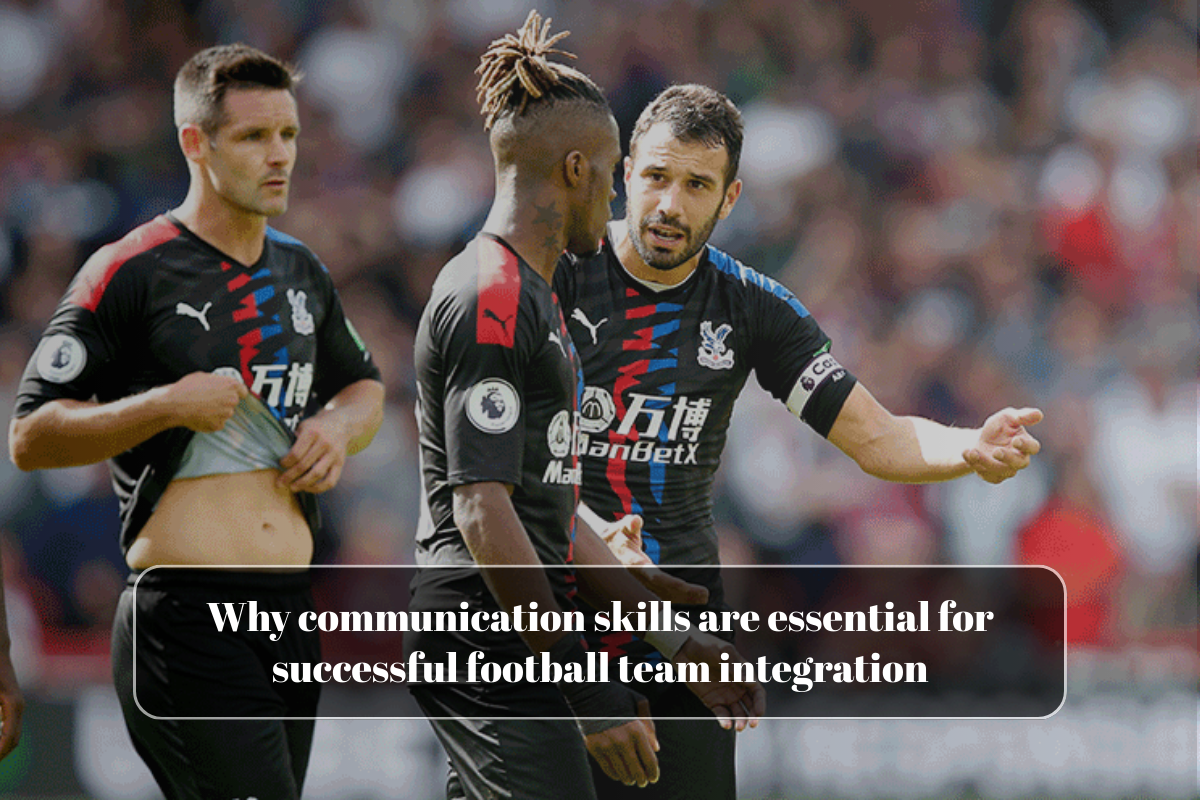
In modern football, talent alone does not guarantee success. With squads composed of multinational players, varied tactical systems, and constant managerial adjustments, communication has become the invisible force that binds performance together. Effective communication accelerates team integration, strengthens cohesion, and enhances on-field execution.
Clubs like Manchester City F.C., Liverpool F.C., and FC Barcelona demonstrate how clear communication structures contribute to tactical clarity and collective unity.
The Role of Communication in Team Integration
Team integration involves more than signing a new player. It requires alignment in:
- Tactical understanding
- Cultural adaptation
- Interpersonal relationships
- Role clarity
Without effective communication, even highly skilled players struggle to adapt quickly.
Why Integration Matters
| Factor | Poor Communication | Strong Communication |
|---|---|---|
| Tactical Understanding | Confusion in positioning | Clear execution |
| Team Chemistry | Isolation of new players | Faster bonding |
| Decision-Making | Hesitation | Confidence |
| Conflict Resolution | Lingering tension | Quick resolution |
The table highlights how communication directly influences performance outcomes.
On-Field Communication: Real-Time Coordination
Football is dynamic. Players constantly process information — opponent movement, spatial awareness, and tactical instructions.
Verbal and non-verbal cues include:
- Calling for the ball
- Directing defensive lines
- Hand signals for pressing triggers
- Eye contact in tight spaces
At elite clubs such as Real Madrid CF, experienced leaders often guide teammates vocally, ensuring shape and discipline during high-pressure moments.
Off-Field Communication: Building Trust and Unity
Successful integration begins off the pitch. Locker room conversations, tactical briefings, and informal interactions help build:
- Mutual respect
- Cultural understanding
- Emotional support
- Shared objectives
In multicultural squads, language barriers can hinder early adaptation. Many clubs now provide language lessons and cultural transition support to accelerate comfort and belonging.
Leadership and Communication
Captains and senior players act as communication bridges between coaching staff and squad members. Effective leaders:
- Translate tactical demands into actionable guidance
- Mediate conflicts
- Encourage accountability
- Reinforce team standards
A vocal and emotionally intelligent leader strengthens both discipline and morale.
Tactical Systems and Communication Clarity
Modern football systems — high pressing, positional play, transitional defense — require synchronized movement. One mistimed press or missed signal can disrupt structure.
Strong communication ensures:
- Coordinated pressing triggers
- Compact defensive lines
- Smooth attacking rotations
- Clear role transitions
When players fully understand their roles and feel comfortable expressing concerns, tactical adaptation becomes smoother.
Psychological Safety and Open Dialogue
Teams that encourage open dialogue foster psychological safety. Players feel comfortable:
- Asking tactical questions
- Admitting mistakes
- Sharing feedback
- Supporting teammates
Psychological safety reduces fear of criticism, increasing creativity and collective resilience.
Communication During Crisis Moments
Matches inevitably include setbacks — conceding goals, injuries, refereeing controversies. Teams with strong communication structures maintain composure by:
- Reinforcing tactical focus
- Encouraging emotional stability
- Reaffirming collective belief
Without communication, panic spreads quickly. With it, confidence stabilizes performance.
Key Communication Skills for Footballers
- Active listening
- Clear verbal expression
- Non-verbal awareness
- Emotional intelligence
- Constructive feedback delivery
These skills are trainable and increasingly incorporated into professional development programs.
The Long-Term Competitive Advantage
Clubs that prioritize communication build adaptable, cohesive squads capable of handling transitions — new signings, managerial changes, or tactical shifts. Integration becomes smoother, reducing performance dips and accelerating chemistry.
In elite football, marginal gains determine championships. Communication is often the difference between individual brilliance and collective excellence.
FAQs
Q. Why is communication important in football teams?
Communication ensures tactical clarity, strengthens team chemistry, and improves decision-making during matches.
Q. How does communication help new players integrate?
It builds trust, clarifies roles, and reduces cultural or language barriers.
Q. Can communication be trained in football?
Yes. Clubs increasingly incorporate leadership training, language support, and psychological coaching.
Q. What happens when communication breaks down?
Confusion, poor positioning, slower decision-making, and reduced morale often follow.