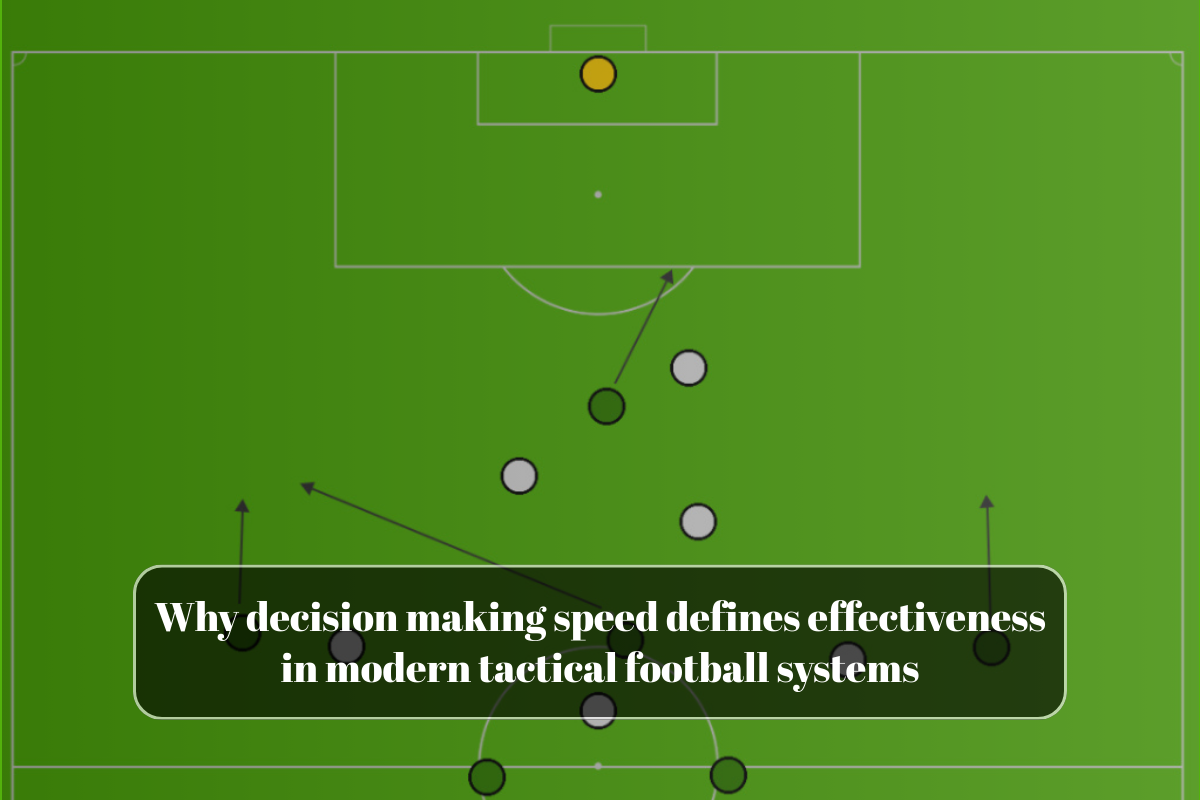
Modern football is played at unprecedented speed. High pressing systems, compact defensive blocks, and rapid transitional attacks mean players often have less than two seconds to act. In this environment, technical skill is essential—but decision-making speed determines whether that skill becomes effective.
Clubs such as Manchester City F.C., Liverpool F.C., and FC Bayern Munich operate within tactical frameworks where rapid perception and execution are non-negotiable.
The Modern Game: Less Time, Less Space
Contemporary tactical systems emphasize:
- Aggressive counter-pressing
- Compact defensive spacing
- High defensive lines
- Structured positional play
As a result, players face intense spatial and temporal pressure. The window to choose between passing, dribbling, or switching play closes almost instantly.
The Core Reality
Speed of thought now equals competitive advantage.
What Is Decision-Making Speed?
Decision-making speed is the ability to:
- Scan the environment
- Process information
- Select the best option
- Execute without hesitation
It is not about rushing. It is about recognizing patterns quickly and acting decisively.
Why Slow Decisions Disrupt Tactical Systems
| Scenario | Fast Decision | Slow Decision |
|---|---|---|
| Midfield under press | Quick one-touch pass breaks line | Possession lost |
| Counterattack opportunity | Immediate forward pass | Defense recovers shape |
| Defensive transition | Instant pressing trigger | Opponent exploits space |
| Overload situation | Switch play rapidly | Advantage disappears |
In structured systems, one delayed action can collapse collective organization.
The Role of Scanning and Awareness
Elite players constantly scan their surroundings before receiving the ball. This pre-orientation allows them to:
- Anticipate pressure
- Identify passing lanes
- Recognize overloads
- Avoid blind spots
The decision is often made before the ball arrives. That preparation reduces hesitation and accelerates execution.
Tactical Systems Depend on Speed of Thought
1. High Pressing Systems
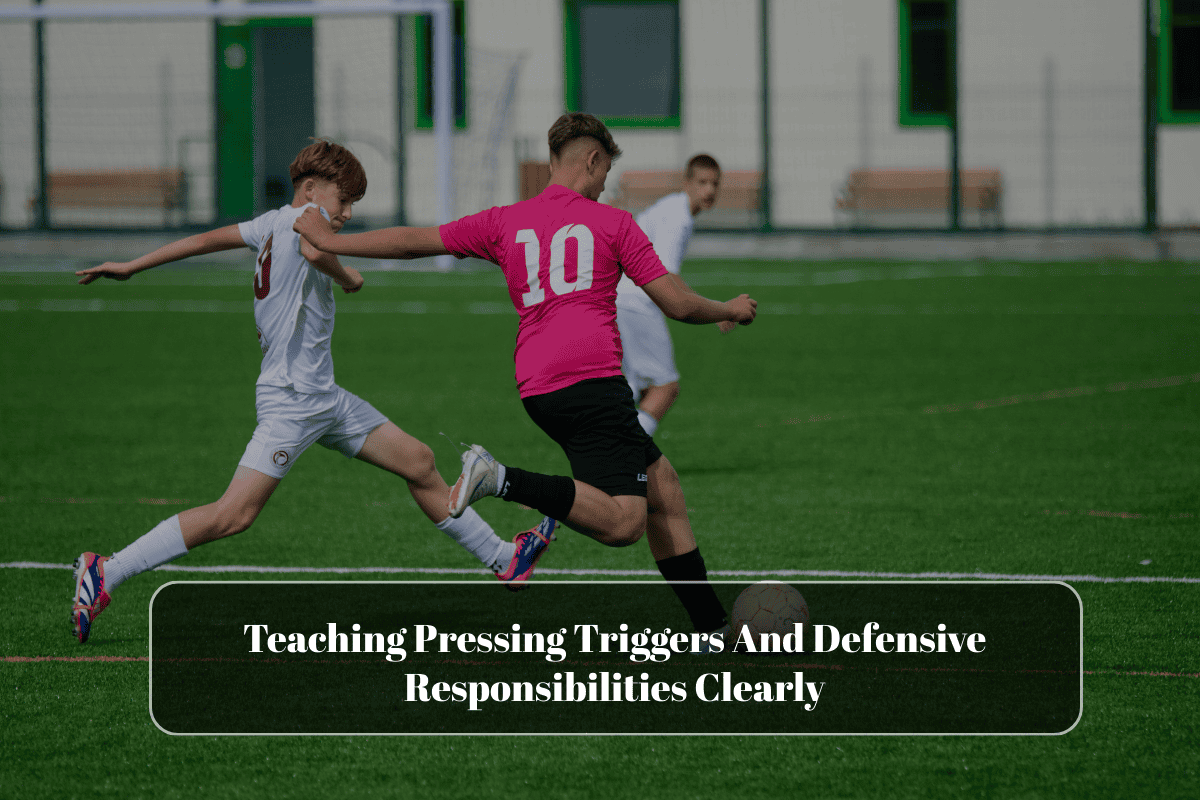
Pressing requires synchronized triggers. If one player reacts slowly:
- Pressing lanes open
- Defensive structure collapses
- Opponents bypass pressure
2. Positional Play Models
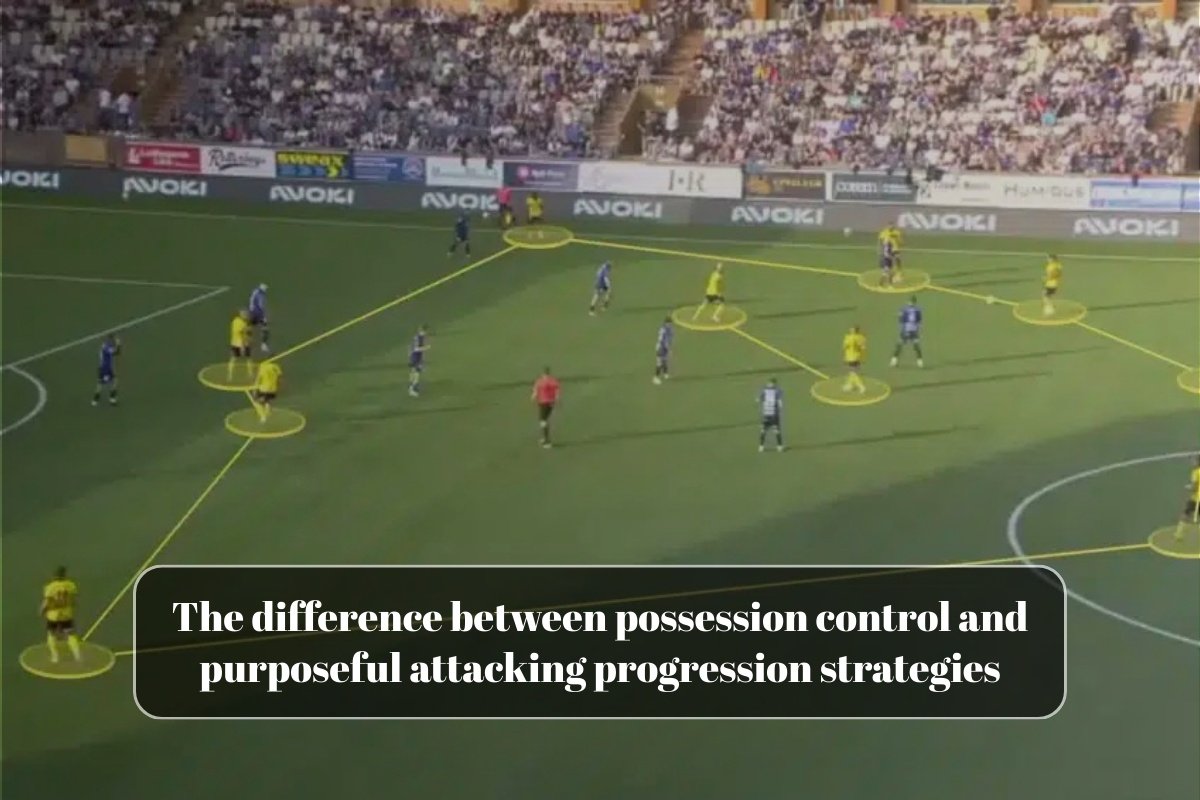
Teams like FC Barcelona historically emphasized positional play, where rapid ball circulation forces defensive disorganization. Slow passing disrupts rhythm and reduces positional superiority.
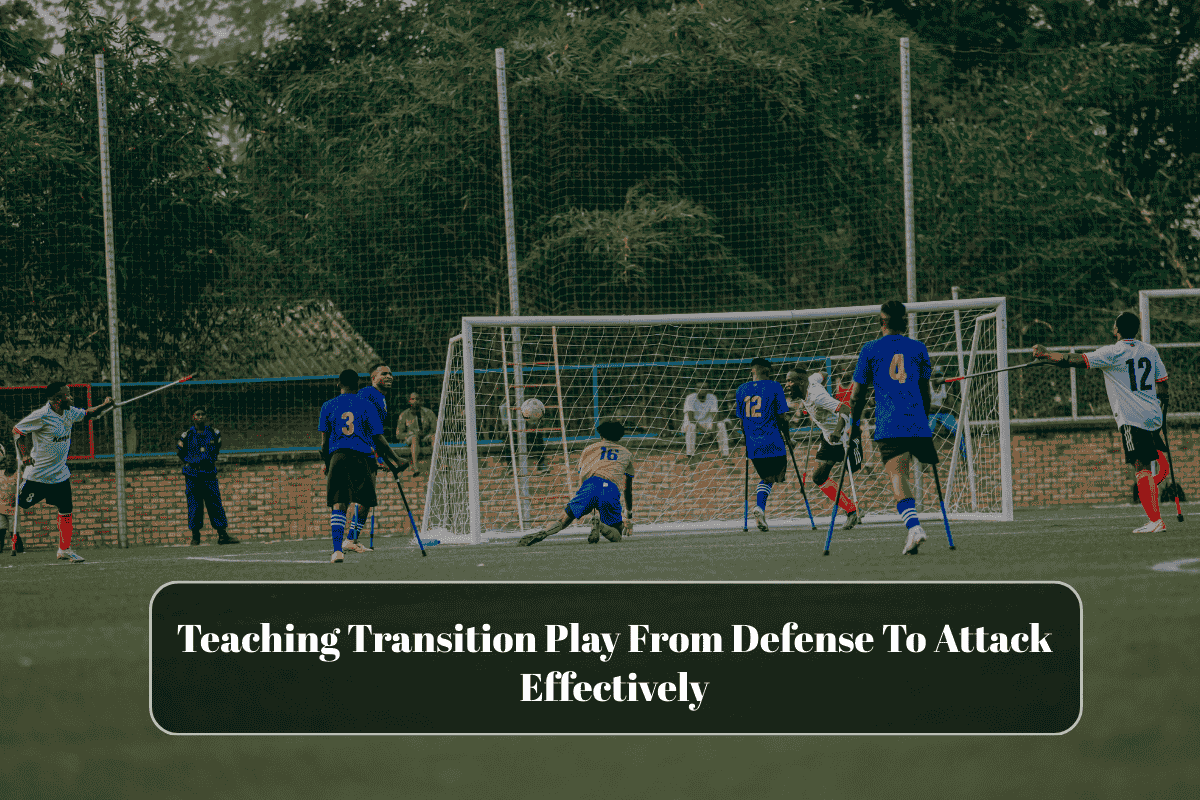
3. Transitional Football
Clubs such as Real Madrid CF have mastered transitional efficiency. Fast decision-making turns defensive recoveries into immediate scoring opportunities.
Cognitive Processing Under Pressure
Modern players train not only physically but cognitively. Training drills simulate:
- Time constraints
- Numerical disadvantages
- Chaotic pressing scenarios
- Multi-option decision trees
Sports science integrates reaction-time testing and small-sided games to sharpen perception-action coupling.
Psychological Confidence and Clarity
Fast decisions require confidence. Doubt creates hesitation. Players who:
- Trust their tactical understanding
- Feel secure within team structure
- Maintain emotional composure
are more likely to act decisively.
Overthinking often leads to mistakes—not because of poor technique, but delayed execution.
The Link Between Speed and Collective Rhythm
Football is rhythm-based. Quick decisions sustain tempo. Sustained tempo:
- Disorganizes opponents
- Creates defensive imbalances
- Increases unpredictability
When tempo drops due to hesitation, defenses reset and attacking advantages disappear.
Developing Faster Decision-Makers
Elite academies now prioritize:
- Cognitive training exercises
- Reduced-touch drills
- Scenario-based simulations
- Pattern recognition development
Decision-making becomes automatic through repetition and structured learning.
FAQs
Q. Why is decision-making speed more important today?
Because pressing intensity and tactical compactness reduce time and space, requiring faster processing and execution.
Q. Can decision-making speed be trained?
Yes. Cognitive drills, small-sided games, and scenario training improve reaction time and pattern recognition.
Q. Is fast decision-making the same as rushing?
No. Effective speed combines quick perception with accurate execution, not reckless action.
Q. Which systems rely most on rapid decisions?
High pressing, positional play, and transition-based systems all depend heavily on fast tactical choices.