Modern teams win the ball high up the pitch by using pressing as a proactive attacking weapon, not just a defensive reaction. Instead of waiting in a low block, they hunt the ball in the opponent’s half using clear “triggers” that tell the whole team when to jump, compress space, and force errors near goal. This coordinated approach has turned the high press into one of the defining tactics of elite football in 2025.
What Is a High Press?
A high press means defending close to the opponent’s goal, with the defensive line and midfield pushed up so the team applies pressure as soon as the opposition start to build from the back. The aim is to disrupt their buildup, win the ball in advanced zones, and turn transitions into immediate goal chances. Teams like Liverpool, Manchester City, Bayern, and PSG now spend large portions of time out of possession in structured high-press shapes.
Analytics back its value: sides with intense high pressing (low PPDA) generate significantly more turnovers in the final third and score more from these situations than low-press teams.
Key Pressing Triggers
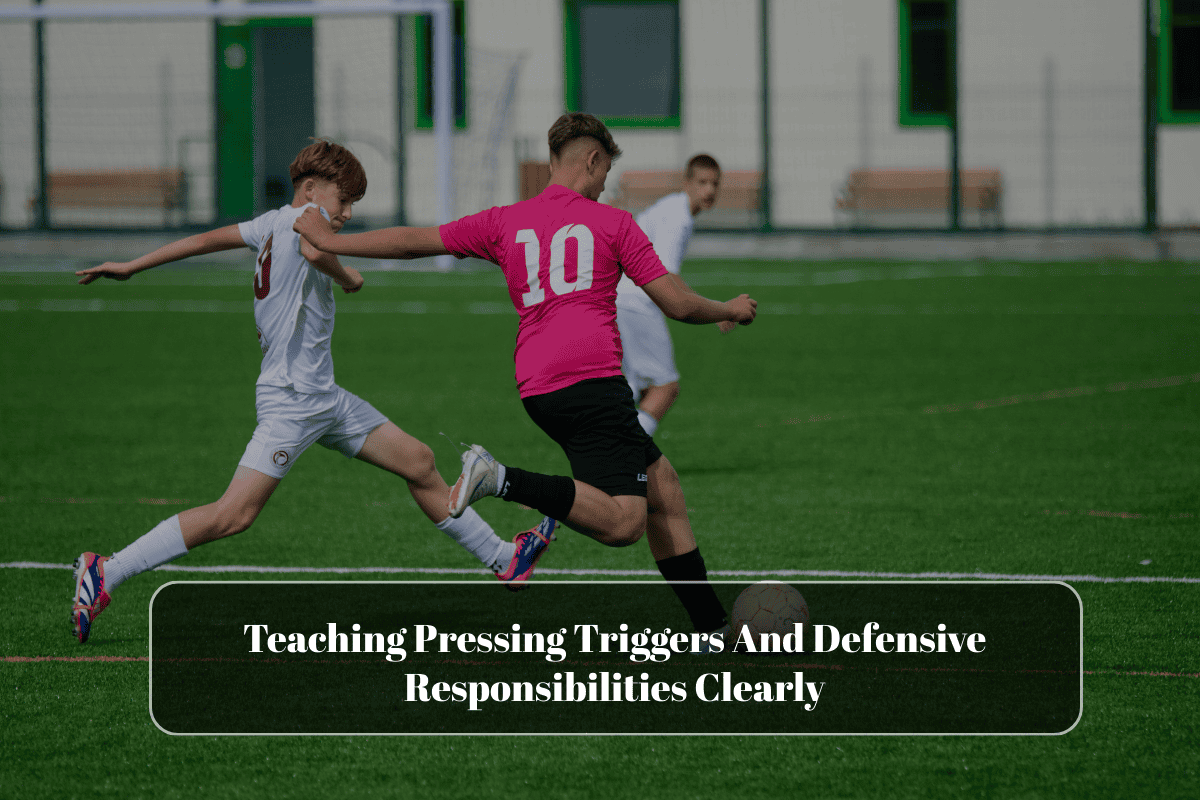
Top teams don’t press all the time; they press at the right moment when the opponent is most vulnerable, using specific cues called pressing triggers.
- Poor first touch or slow reaction by the opponent
- Slow, floated or under-hit pass between defenders
- Back pass to the goalkeeper or centre-back under pressure
- Receiver facing their own goal with limited support
- Ball played into a full-back or wide defender near the touchline
- Long aerial ball where the receiver has no clear control
When a trigger appears, the team collapses forward together, cutting off passing lanes, jumping onto the ball-carrier, and forcing rushed decisions or turnovers. Some coaches add micro-triggers: “press when the ball leaves the opponent’s foot” so the press arrives as the receiver controls, not after.
Pressing Traps and Structures
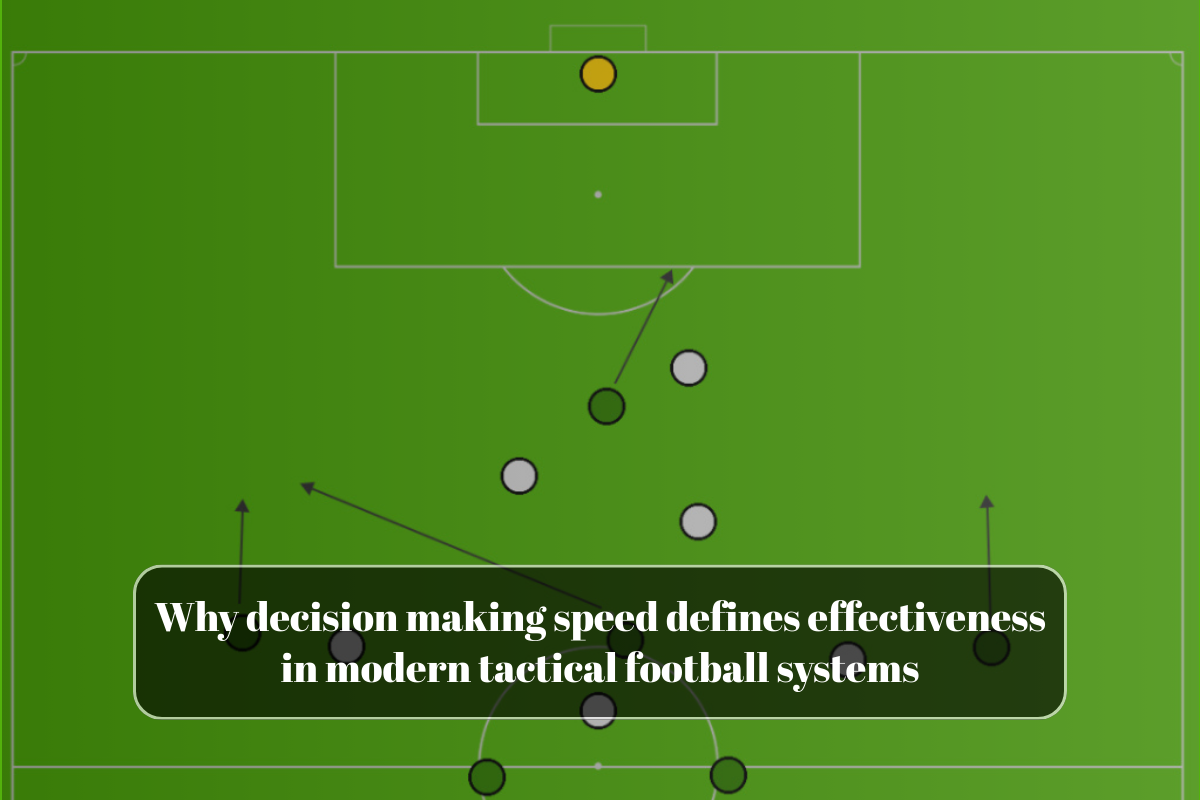
Triggers work inside larger pressing traps—pre-planned patterns that guide opponents into specific zones before swarming.
Typical traps include:
- Wide trap: Block central passes, allow the ball wide, then use the touchline as an extra defender and attack with full-back, winger, and near-side 8.
- Blocking the pivot: Striker and 10 screen the holding midfielder so the centre-back is “forced” to play into predictable wide or risky central lanes.
- Cutting the field in half: The front line curves their runs to show play to one side, then the whole block shifts aggressively to compress that wing.
- Second-ball hunt: Force a long ball, then have midfielders and centre-backs step in front or swarm the drop zone.
Pep Guardiola’s sides often set positional traps—leaving what looks like a free pass, then jumping to intercept once the opponent takes the bait. Jürgen Klopp’s gegenpressing emphasizes immediate pressure after losing the ball, turning the counter-press itself into the primary playmaker.
Physical, Mental, and Tactical Demands
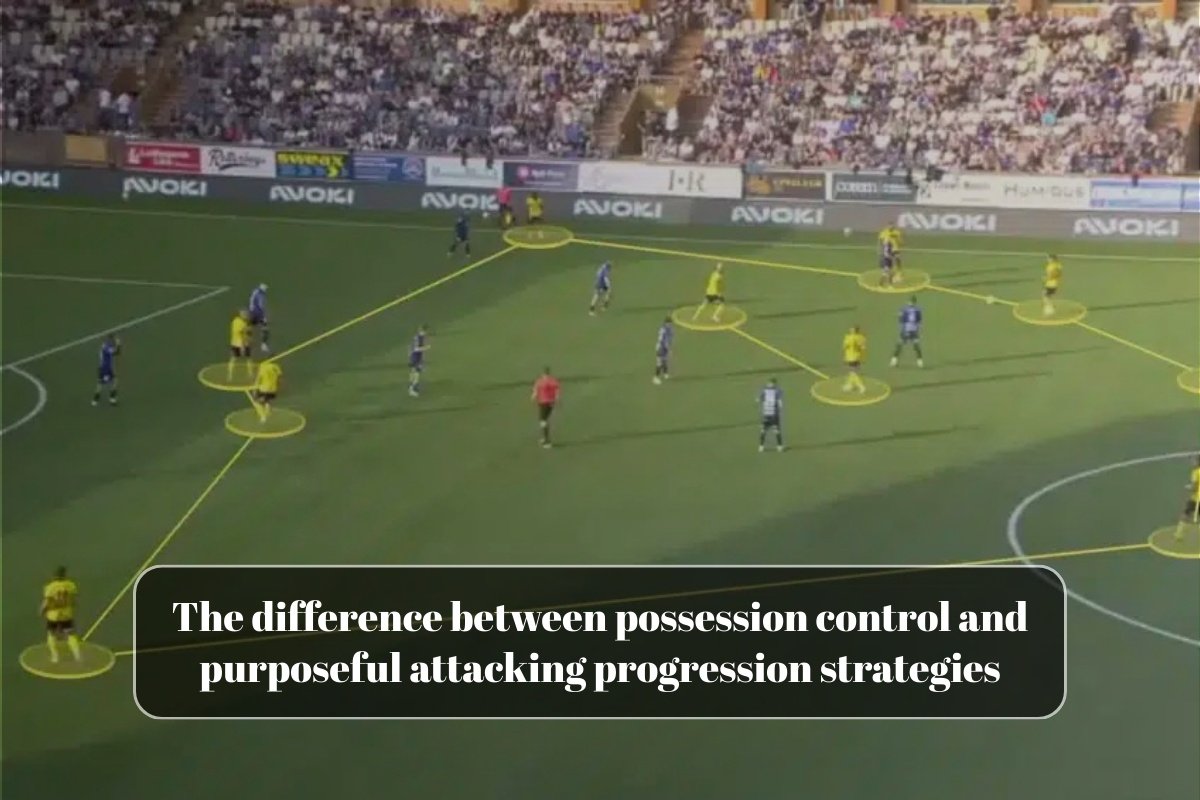
High pressing is brutally demanding. Full-backs and forwards can make 10+ high-intensity pressing actions per match, requiring elite fitness and careful rotation. The defensive line must push high to compress space; if distances between lines stretch, pressing becomes chaotic and easy to bypass.
- Compactness: Short distances between players so they can move as a unit.
- Communication: Constant cues—who presses, who covers, who blocks the pivot.
- Mental focus: Recognizing triggers instantly and reacting in sync.
- Training: Drills like 5v5 pressing grids, pressing + recovery transitions, and match scenarios with live trigger calls.
Video and data analysis now track PPDA, defensive line height, and pressing events to refine structures and identify the best pressing moments.
Rewards and Risks of High Pressing
When executed well, high pressing:
- Wins the ball closer to goal, needing fewer passes to create chances
- Disrupts the opponent’s rhythm and buildup patterns
- Shifts momentum and crowd energy in your favour
- Creates “hectic situations” where technically weaker sides can hurt stronger ones
FIFA’s 2025 Club World Cup analysis showed teams that spent more time in high pressing phases also ranked among the highest for defensive line height and ball recoveries in advanced areas.
But the risks are real:
- If the press is beaten, the opponent can break into large spaces behind a high line, often with numerical advantage.
- Poor timing—one player jumping alone—opens gaps that good teams exploit.
- Fatigue late in games can drop pressing intensity and expose the back line.
Coaches manage these risks with selective pressing periods, squad rotation, and in-game adjustments between high, mid, and low blocks.
FAQs
Q. What exactly is a pressing trigger?
A pressing trigger is a specific cue—like a poor touch, slow pass, or back pass under pressure—that signals the whole team to step up and press aggressively together.
Q. Why do modern teams prefer winning the ball high up the pitch?
Because regaining possession near the opponent’s box reduces the distance to goal, creates immediate chances, and disrupts their buildup before it becomes dangerous.
Q. How do teams avoid getting exposed behind a high press?
By keeping a high but compact defensive line, coordinating shifts as a unit, and ensuring cover players are ready if the first press is broken.
Q. What statistics are used to measure pressing effectiveness?
Metrics like PPDA (passes per defensive action), defensive line height, and final-third recoveries show how intensely and successfully a team presses.
Q. Can smaller or less talented teams use high pressing effectively?
Yes—if they are extremely well-drilled, fit, and tactically disciplined, high pressing can level the playing field by forcing mistakes and limiting the opponent’s time on the ball.