The journey from youth academy to world-class footballer demands technical mastery, tactical intelligence, physical conditioning, mental resilience, and relentless perseverance, transforming raw talent into elite performers like Lionel Messi, Erling Haaland, and Lamine Yamal.
Elite academies like La Masia, Ajax, and Manchester City’s provide structured pathways, but success hinges on individual drive amid fierce competition where only 1-2% secure pro contracts. This process builds not just players, but adaptable stars who dominate at club and international levels.
Early Foundations: Grassroots to Academy Entry
Aspiring players begin in local clubs or grassroots setups, honing basics like dribbling, passing, and first touch through age-appropriate drills. Scouts target U9-U12 talents via tournaments and trials, seeking natural ability, coachability, and athleticism; open trials at Category 1 academies like Barcelona’s La Masia offer direct entry.
Facilities matter: well-maintained pitches, qualified UEFA-licensed coaches, and video analysis accelerate progress. Parents play key roles in relocation and support, as seen with Yamal joining La Masia at 7, mirroring Messi’s path. Rejection is common—persistence via multiple trials separates prospects.
Academy Phases: Structured Development
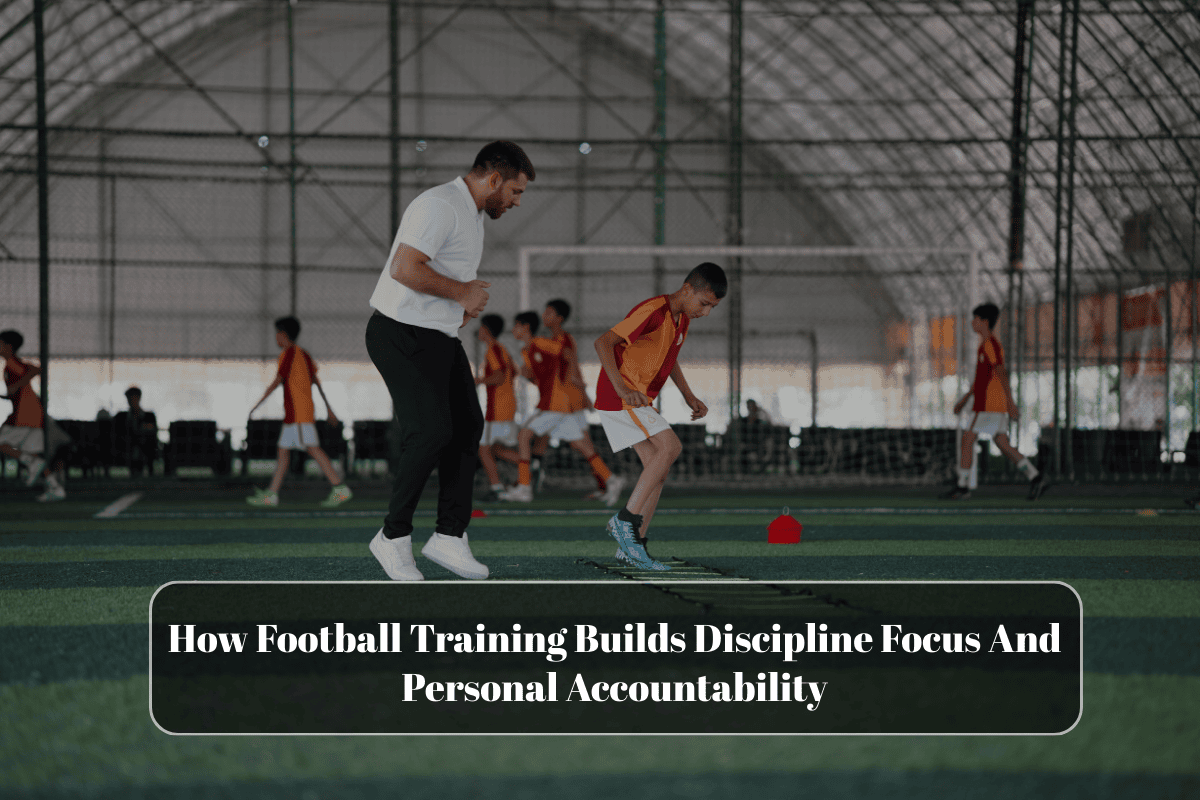
Elite academies divide training into phases: Foundation (U9-U11) emphasizes fun, technical skills via small-sided games (SSGs) like 1v1-4v4; Youth Development (U12-U16) adds tactics, fitness, and decision-making; Professional Development (U17-U23) simulates senior demands with full matches and analytics.
Core pillars include: technical drills (dribbling under pressure), tactical awareness (positional play), physical conditioning (agility, speed via HIIT), and mental toughness (visualization, pressure simulations). Academies track via apps for sprints, passes, and duels won; holistic education covers nutrition, injury prevention, and academics to buffer career risks.
Ajax’s model stresses “Total Football” fluidity; La Masia prioritizes possession and 1v1 mastery, producing Yamal’s 22 goals/27 assists by 18.
Breakthrough Moments: First-Team Exposure
U18-U23 players earn loans or bench spots via standout academy games; consistent metrics like goals, assists, and defensive recoveries prompt promotions. Yamal debuted at 15 years 290 days for Barcelona, shattering records with 9 goal contributions in his first 6 LaLiga games under Hansi Flick.
Haaland progressed from Molde’s academy to Salzburg, exploding with 39 goals in 29 games via loans honing finishing. Messi’s senior breakthrough at 16 came via persistence despite growth hormone issues, reaching 100 games with 41 goals by 21. Agents negotiate scholarships turning to pro deals post-17.
Physical and Mental Conditioning
World-class status requires peak athleticism: VO2 max >60ml/kg/min, sprint speeds 35km/h+, and recovery protocols like cryotherapy. Academies integrate plyometrics, gym work, and yoga; nutrition emphasizes carbs/protein ratios for match demands.
Mentally, resilience counters setbacks—90% fail academy graduation; visualization and sports psychologists build focus, as Ronaldo did at Sporting Lisbon. Yamal’s composure in El Clásico echoes Messi’s, thriving under scrutiny.
Case Studies of Success
Lamine Yamal (La Masia): Debuted youngest in a century, 100 games by 18 with 22G/27A; coaches liken to Messi for dribbling/vision.
Erling Haaland (Molde/BVB): Academy polish + loans yielded records; 45 UCL goals fastest ever, Treble winner.
Lionel Messi (La Masia): Overcame medical hurdles; 672 Barca goals, 8 Ballons d’Or via technical supremacy.
These paths highlight academies’ role in nurturing adaptable stars.
Challenges and Long-Term Sustainability
Injuries sideline 20-30% yearly; academies mandate physio and load management. Pressure leads to burnout; dual education aids transitions—e.g., EPPP’s U23 phase. Off-field demands (media, finances) require advisors; only sustained performance secures stardom.
Global pathways vary: Premier League’s EPPP invests £250M+ annually; developing nations focus grassroots.
Future Trends in Player Development
2025 sees AI analytics for biomechanics, VR for tactics, and personalized genomics for training. Emphasis shifts to psychological/social pillars, with diverse academies promoting inclusion. Success rates rise via data-driven selection, but passion remains key—Pelé’s words: “Success is hard work, perseverance, sacrifice.”
FAQs
Q. What age do elite academies scout players?
Typically U9-U12 via trials/tournaments, prioritizing technical flair, athleticism, and attitude over size.
Q. How do academies structure training phases?
Foundation (U9-11: skills/SSGs), Youth (U12-16: tactics/fitness), Professional (U17-23: senior simulation).
Q. What separates academy graduates like Yamal from others?
Consistent metrics, mental resilience, and coachability; Yamal’s 9 contributions in 6 games earned rapid promotion.
Q. How common are injuries in academies, and how are they managed?
20-30% yearly; via physio, load monitoring, and rehab to prevent long-term issues.
Q. What role does mental training play?
Builds resilience against rejection (90% failure rate), pressure, and setbacks through visualization and psychologists.