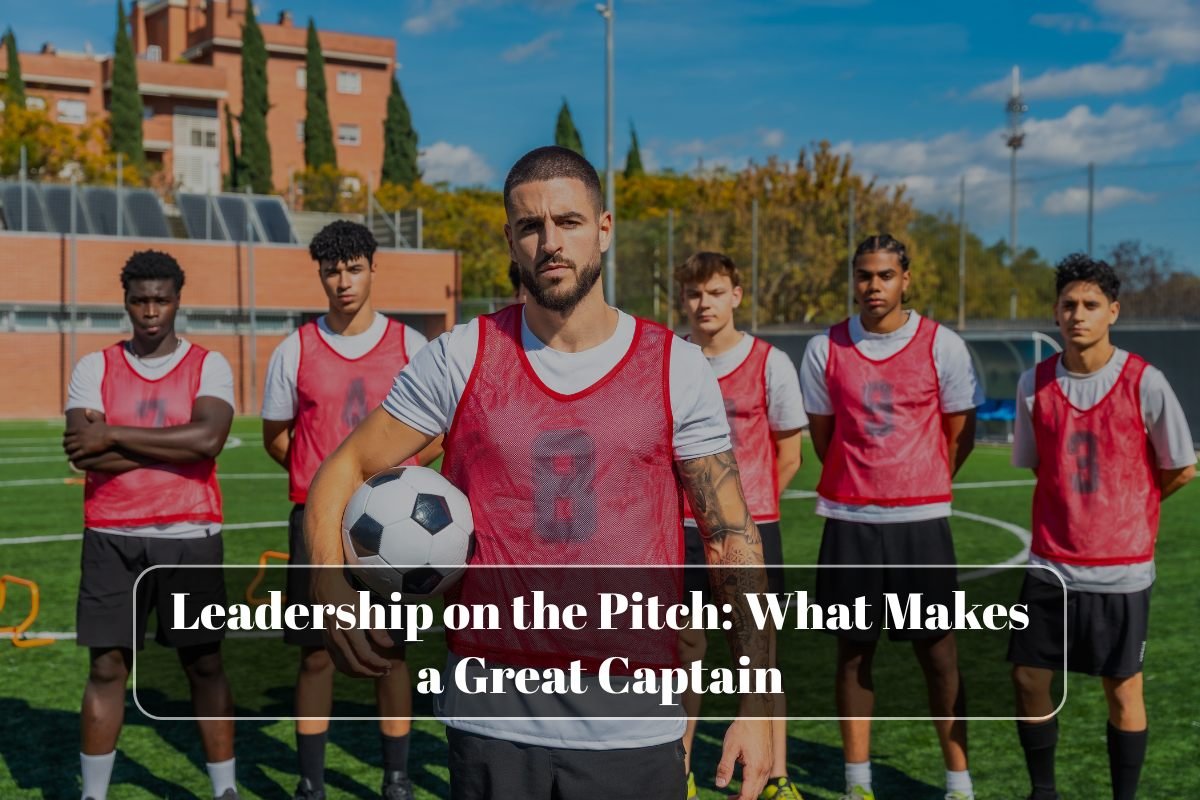
Great football captains blend relentless competitiveness, clear communication, and selfless commitment to elevate teams beyond individual talent, as seen in icons like Lionel Messi, Virgil van Dijk, and Carles Puyol. They lead by example, fostering unity amid pressure while bridging players and coaches, turning squads into cohesive units that outperform expectations. In elite football, where mental edges decide titles, captains embody the 6 critical qualities distinguishing world-class leaders from mere players.
Relentless Competitiveness
The top trait of elite captains is an unyielding drive to win, investing maximum effort in every drill, match, and recovery session. They make hustle plays—diving for loose balls, winning 50/50s—and demand high standards, raising team intensity as Puyol did with Barcelona’s never-say-die headers. Messi’s 2022 World Cup leadership exemplified this: his passion inspired Argentina’s comeback, proving competitiveness compels collective excellence.

Coaches prioritize such players; without it, leadership lacks credibility.
Hard Work and Leading by Example
Captains arrive first and leave last, modeling the work ethic they expect—punctual, fully committed, and consistent. Van Dijk’s Liverpool organization stems from tireless defensive reps, setting benchmarks that permeate the squad. This visibility motivates: teammates mirror the captain’s energy, creating cultures where mediocrity fades.
Off-pitch, they organize clean benches and team events, reinforcing accountability.
Exceptional Communication Skills

Clear, positive communication organizes defenses, relays tactics, and calms chaos—”Man on!” or halftime adjustments shift momentum. Captains like John Terry bridged coaches and players, ensuring strategies translate from whiteboard to pitch via pre-match clarity and real-time cues.
They foster openness, voicing concerns while amplifying coach visions, building trust essential for high-stakes execution.
Building Trust and Respect
Honest, trustworthy captains earn confidences, keeping matters private and advocating fairly. High character shines: respecting opponents, officials, and juniors without ego, as Dani Carvajal does at Real Madrid. This humility—sharing credit, owning failures—creates alliances where players follow willingly.

Without respect, commands ring hollow; great captains serve, uplifting all.
Passionate Care for Team Success
Captains care deeply about collective glory, sacrificing personal stats for wins—like pressing relentlessly or subbing strategically. Álvaro Morata’s Atlético tenacity embodies this: tracking back, inspiring fight in Spain’s squad. They sense morale dips, offering private support to refocus distracted teammates.
This “ALL IN” passion—first in workouts, last out—ignites unity, prioritizing “we” over “me.”
Decision-Making Under Pressure
Quick thinkers stay composed amid frenzy, reading games to adjust tactics or seize counters. Rafael Tolói’s Atalanta calm marshals defenses aerially; captains balance morale with calls, like halftime pivots turning deficits to triumphs. Post-match feedback refines futures, closing loops from analysis to action.
Decisiveness—pre-match planning, in-game shifts—wins tight contests.
Iconic Examples in Modern Football
Messi’s quiet authority led Argentina to glory via brilliance and maturity. Van Dijk’s commanding presence stabilizes Liverpool, reading plays to inspire confidence. Historic: Kaufu’s three World Cups, Gerrard’s Istanbul miracle—proving captains deliver when stakes peak.
2025 rankings highlight Carvajal, Morata for consistency and fire.
Developing Captaincy Qualities
Coaches cultivate via 360-evaluations, leadership academies, and trials rewarding these traits. Youth focus: communication drills, accountability sessions build foundations; psychological safety encourages growth. True leaders emerge naturally, armband or not—prioritizing team-first actions.
FAQs
Q. What is the top quality of great captains?
Relentless competitiveness: they bring urgency, win hustles, and demand excellence to maximize wins.
Q. How does communication define leadership on the pitch?
Clear cues organize play, relay tactics, and calm pressure; captains bridge coaches-players for execution.
Q. Why lead by example over vocal commands?
Actions build credibility—hard work, punctuality inspire mimicry, raising team standards organically.
Q. What role does trust play in captaincy?
Honest, respectful captains earn confidences, advocate fairly, creating unity without ego.
Q. How do captains handle high-pressure decisions?
Stay calm, read games quickly, balance tactics-morale for shifts turning matches.