High defensive lines push center-backs 15-20 meters higher than traditional setups, compressing space for aggressive pressing and quick recoveries while enabling possession dominance in modern football. Teams like Manchester City and Liverpool exemplify this tactic’s evolution under Pep Guardiola and Jürgen Klopp, achieving 68% ball recovery in opponents’ halves despite risks like counters.
Defining the High Defensive Line
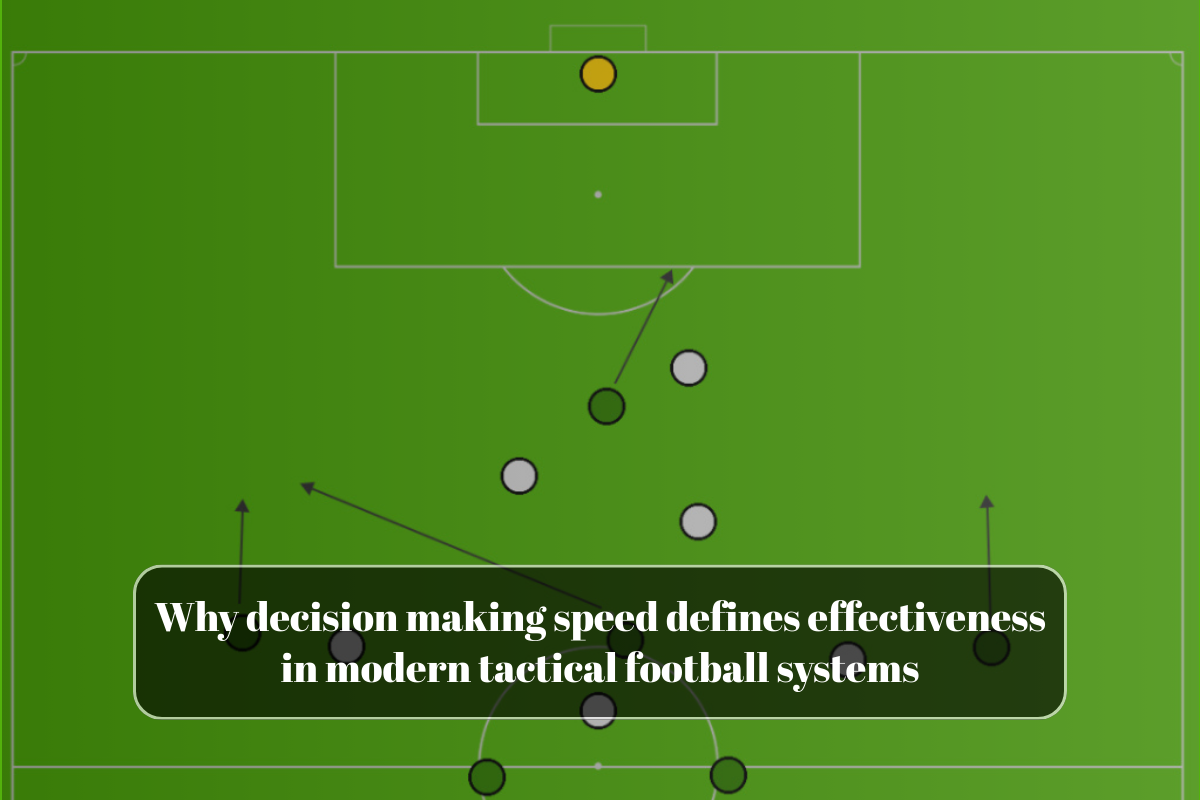
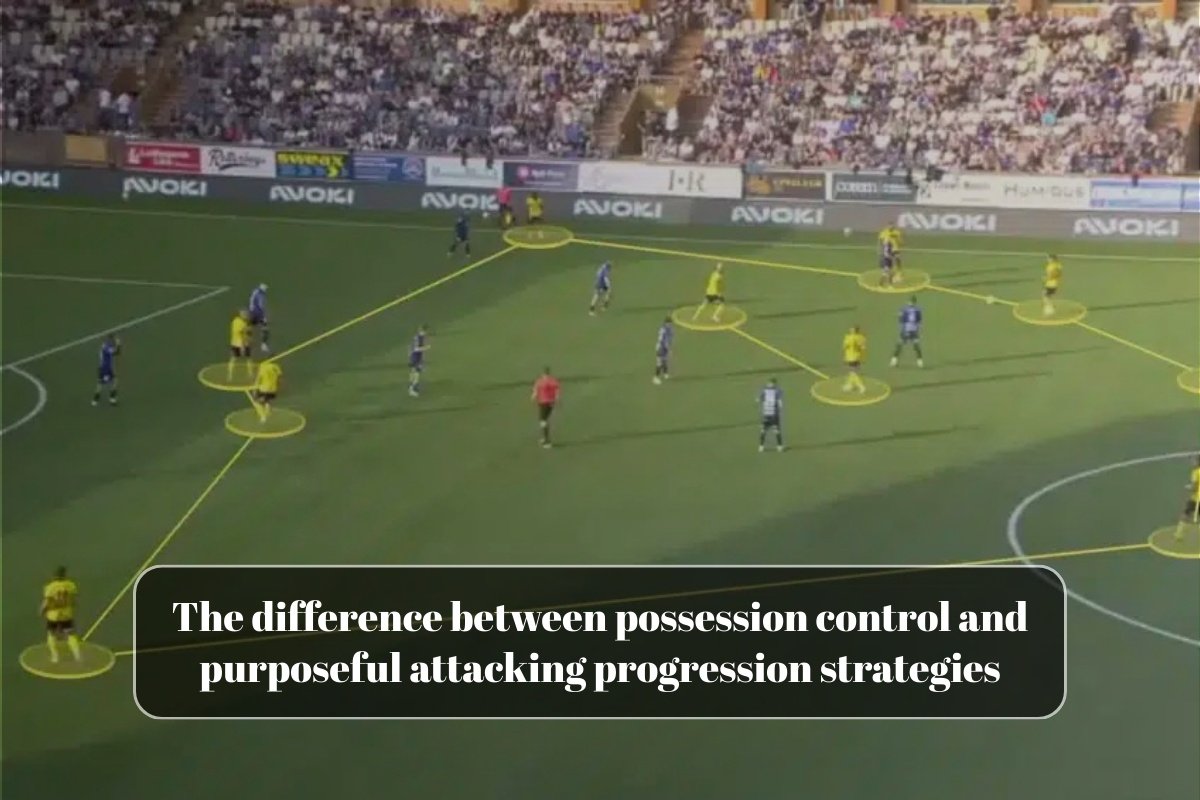
A high line positions defenders near the halfway mark—averaging 45-51 meters from goal in the Premier League—synchronizing with midfield and forwards to form a compact unit. This squeezes the pitch vertically, denying space between lines and forcing opponents into tight areas for easier engagements. Goalkeepers act as “sweepers,” rushing out to intercept lobs, while full-backs tuck in to maintain width control.
Usage has surged: from 5% of Premier League matches in 2012 to 18% in 2022, with City at 65% adoption. It demands elite fitness, timing, and communication, turning defense proactive rather than reactive.
Tactical Advantages in Possession and Pressing
The high line fuels gegenpressing by enabling immediate triggers: forward pressure leads to turnovers high up, with compact distances (under 30 meters end-to-end) accelerating transitions. Liverpool’s 140 offsides caught in a season exemplify this, frustrating build-ups and yielding 58% defensive success.
It supports possession: midfielders drop into pockets without deep gaps, as Arsenal and City average above league height (51m), correlating with higher PPDA and BDP (buildup disruption up to 10%). This dominance—68.4% recoveries in attacking thirds—translates to territorial control and quick counters.
Key Risks and Vulnerabilities
Space behind the line invites long balls: one precise pass exposes 1v1s with the keeper, as Liverpool suffered dramatically when offsides failed. Teams concede 1.8 goals per match on average with high pressing, vulnerable to pacey forwards exploiting recovery runs.
Full-back exposure and midfield splits amplify counters; without speed (e.g., Van Dijk’s positioning), it backfires. Atlético Madrid under Simeone struggled, highlighting bravery needs—natural instinct pulls defenders deeper.
Player and Coaching Requirements
Success hinges on athletic center-backs with 90-minute pace (e.g., Stones, Konaté), precise timing for traps, and sweeper-keepers like Ederson. Training emphasizes drills for synchronization, body shape, and recovery sprints.
Coaches like Guardiola demand psychological safety for risks; data shows high lines correlate with elite squads, where quality mitigates vulnerabilities via off-ball positioning and communication.
Impact on Match Dynamics and Statistics
High lines dictate tempo: opponents face more offsides (Liverpool 140, City 85), lower pass completion, and rushed plays, boosting pressing teams’ possession (City/Liverpool top PPDA). Yet, they concede more big chances—1.8 goals/match vs. deep blocks’ safety.
In clashes like City-Liverpool, mutual high lines create chaos: direct balls exploit spaces, but recoveries fuel attacks. Stats show 40% more goal-kick presses league-wide in 2025, evolving the game toward verticality.
Real-World Examples from Elite Teams
Liverpool under Klopp used it for titles: Van Dijk’s “art” caught Havertz offside repeatedly, condensing space for Salah/Mané transitions. City’s 45m average line, paired with Álvarez counters, dismantled foes, though direct play occasionally punished them.
Arsenal’s 51m height under Arteta blends with mid-block shifts; failures like Brighton’s Chelsea exposure show tweaks needed against adaptable attacks.
FAQs
1. What defines a high defensive line in football?
Defenders positioned 45-51 meters from goal, compact with midfield to press high and catch offsides, averaging 15% above league norms.
2. How does it enhance pressing effectiveness?
Compresses space for 68% recoveries in opponents’ half, tight lines deny passes between, boosting PPDA and BDP up to 10%.
3. What are the main risks of playing high?
Exposes space behind for long balls/1v1s, conceding 1.8 goals/match; needs pacey CBs and perfect timing to avoid counters.
4. Which teams exemplify successful high lines?
Man City (65% usage, 85 offsides), Liverpool (140 offsides, Van Dijk traps), Arsenal—all correlating with titles via recoveries.
5. Can underdogs use high lines effectively?
Rarely without elite speed/fitness; deep blocks safer, as Forest/Leicester prove—high lines suit possession-dominant squads.