Mental strength determines who rises to elite status in football, where physical talent alone leaves 90% of pros behind—elite players excel via superior cognitive flexibility, resilience, and personality traits like low neuroticism, driving 2.5x better performance under pressure.
Cognitive Superiority in Elite Minds
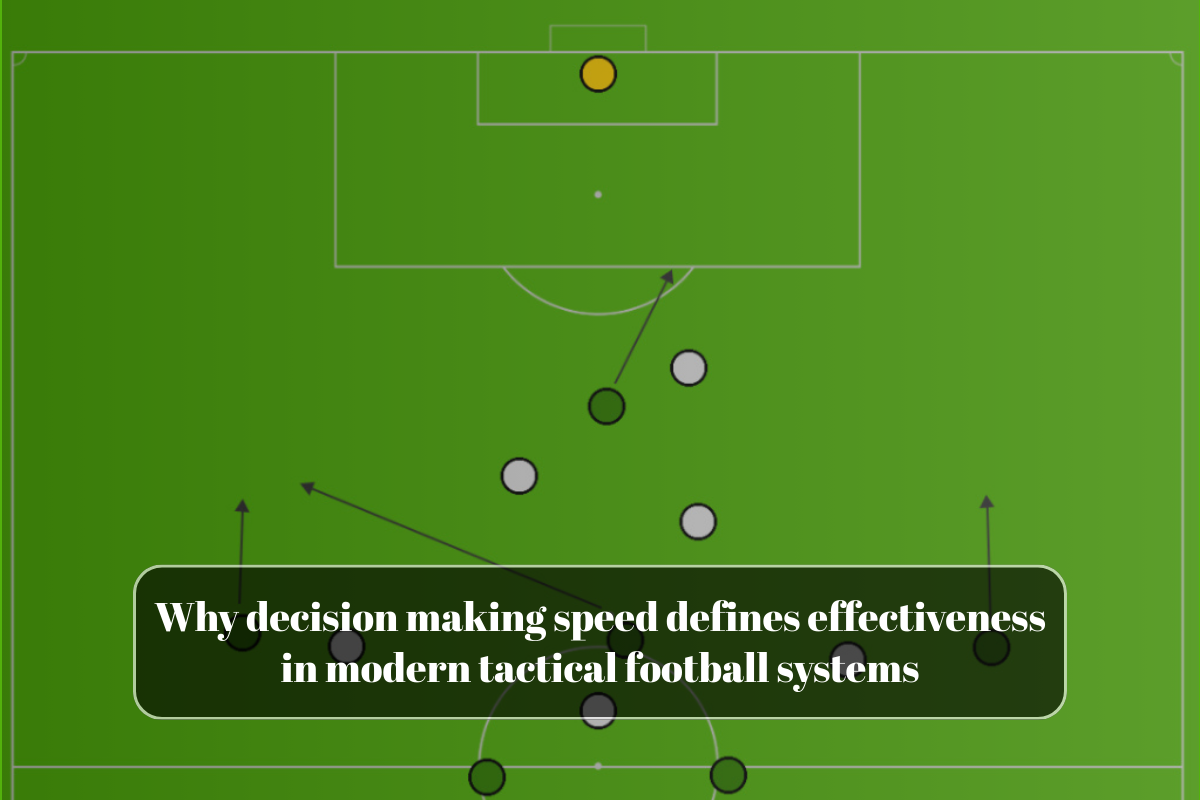
Elite footballers outperform averages in executive functions: advanced planning, working memory, and cognitive flexibility enable split-second decisions amid chaos, as a 2025 PNAS study of 204 top Brazilian/Swedish pros found higher scores predicting goals, assists, and dribbles. They process 30% faster in high-stakes scenarios, adapting tactics like shifting from possession to counter in milliseconds—unlike average pros who freeze.
This edge stems from neural efficiency: elites show heightened prefrontal cortex activity for problem-solving, turning defensive traps into attacks seamlessly.
Personality Traits of Champions
Elites score higher on conscientiousness (self-discipline), extraversion (energy/leadership), and openness (innovation), with lower neuroticism (stress resilience) and agreeableness (ruthless competitiveness)—a profile AI models now use for talent ID. Ronaldo embodies this: reframing homesickness as agility fuel, his meditation and visualization yield knockout-stage records despite pressure.
Averages lack this balance, crumbling under scrutiny; elites channel criticism into fuel, maintaining focus via “eyes forward” self-talk.
Building Unbreakable Resilience
Mental toughness—coping with adversity—separates levels: 88% of studies link it to success, with elites viewing setbacks as growth (Messi’s hormone issue birthed low-gravity dribbling). They rebound faster post-miss (e.g., penalties), using routines like Ronaldo’s pre-penalty visualization for 97th-minute composure.
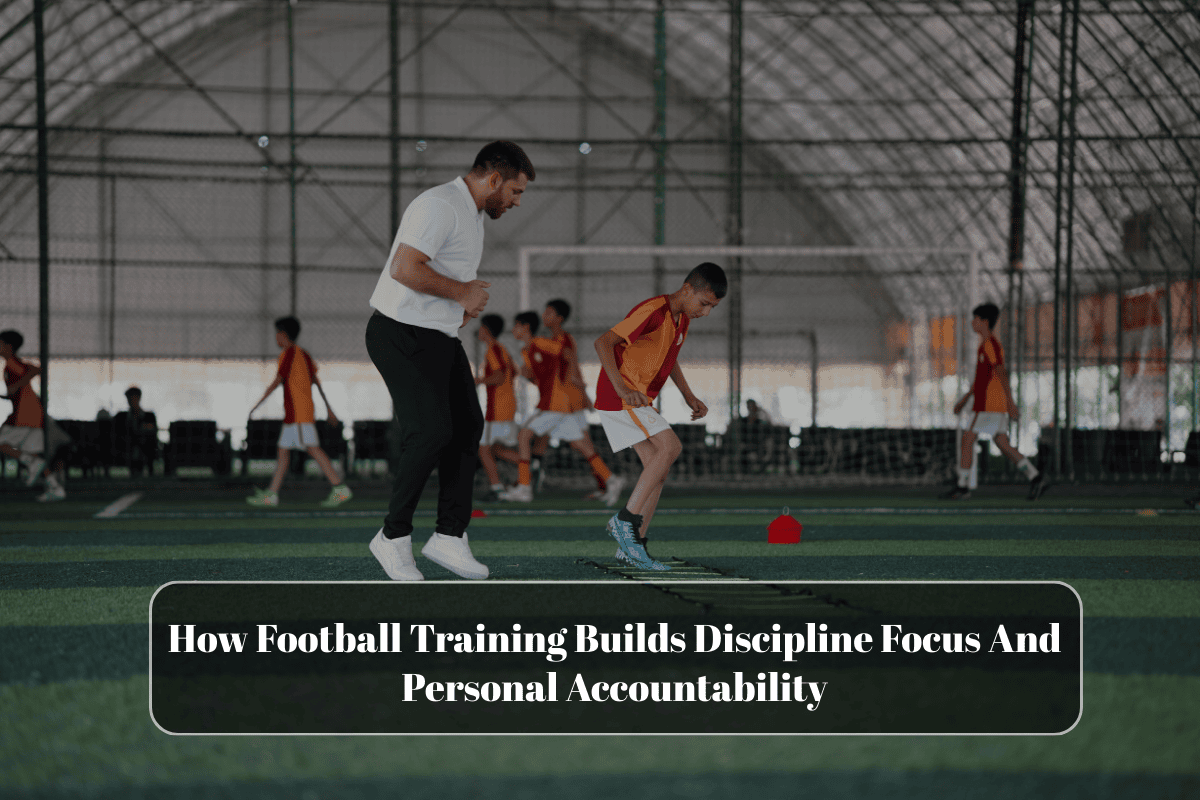
Training simulates pressure: bad ref calls, outnumbered drills build this, boosting consistency where averages falter.
Pressure Performance and Clutch Moments
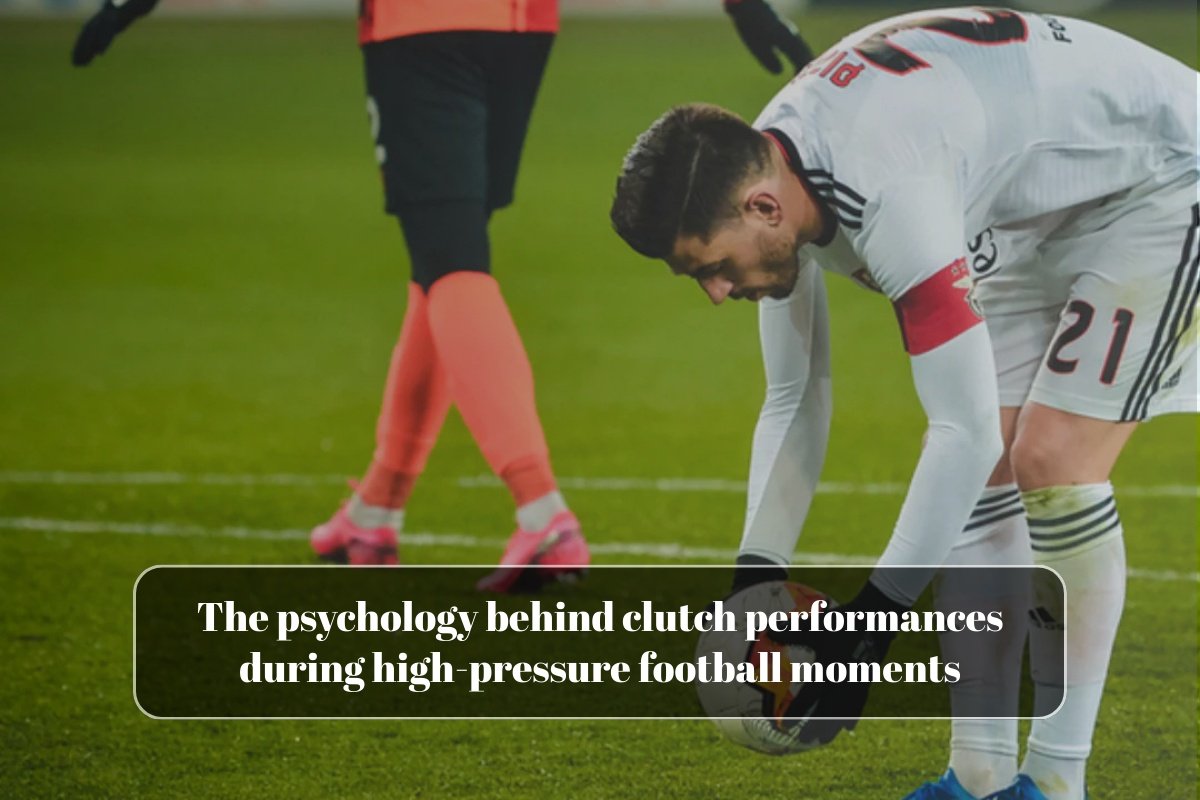
Elites thrive in finals: cognitive flexibility yields 40% better decisions under fatigue, per pro studies—Haaland’s cool finishes vs. averages’ overthinking. Low neuroticism mutes anxiety; they stay present via mindfulness, blocking crowd noise for laser focus.
This creates “flow states”: 80% mental performance edge, turning 1v1s into assists while pros panic.
Training Mental Strength Effectively
Pros integrate psychology: goal-setting, imagery (visualizing penalties), positive self-talk (“I control this”), and mindfulness reduce pre-match anxiety 25%. Clubs hire specialists for resilience workshops; elites log 10% training time mentally, simulating failures to normalize them.
Youth academies embed this early—90% dropout rate drops with mental prep, fast-tracking stars like Yamal.
Real-World Case Studies
Messi’s resilience: growth hormone adversity forged agility, yielding 8 Ballons d’Or via reframing limits. Ronaldo’s habits—meditation, self-talk—netted CL knockout records. Forwards show highest toughness per position studies, thriving in isolation.
Averages plateau; elites’ profiles predict sustained excellence.
FAQs
1. What cognitive edges do elite footballers have?
Superior planning, memory, cognitive flexibility—30% faster decisions, predicting goals/assists per 2025 PNAS study.
2. How do personality traits differ between elites and averages?
Higher conscientiousness/extraversion/openness, lower neuroticism/agreeableness—AI now IDs talent via this profile.
3. Why is mental toughness crucial for separation?
88% studies link it to success; elites reframe setbacks as growth, rebounding faster post-errors.
4. How do elites handle high-pressure moments?
Visualization, self-talk, mindfulness create flow—Ronaldo’s knockout records exemplify 80% mental edge.
5. What training builds this mental strength?
Simulated adversity drills, imagery, positive routines—10% training time yields resilience vs. averages’ plateaus.