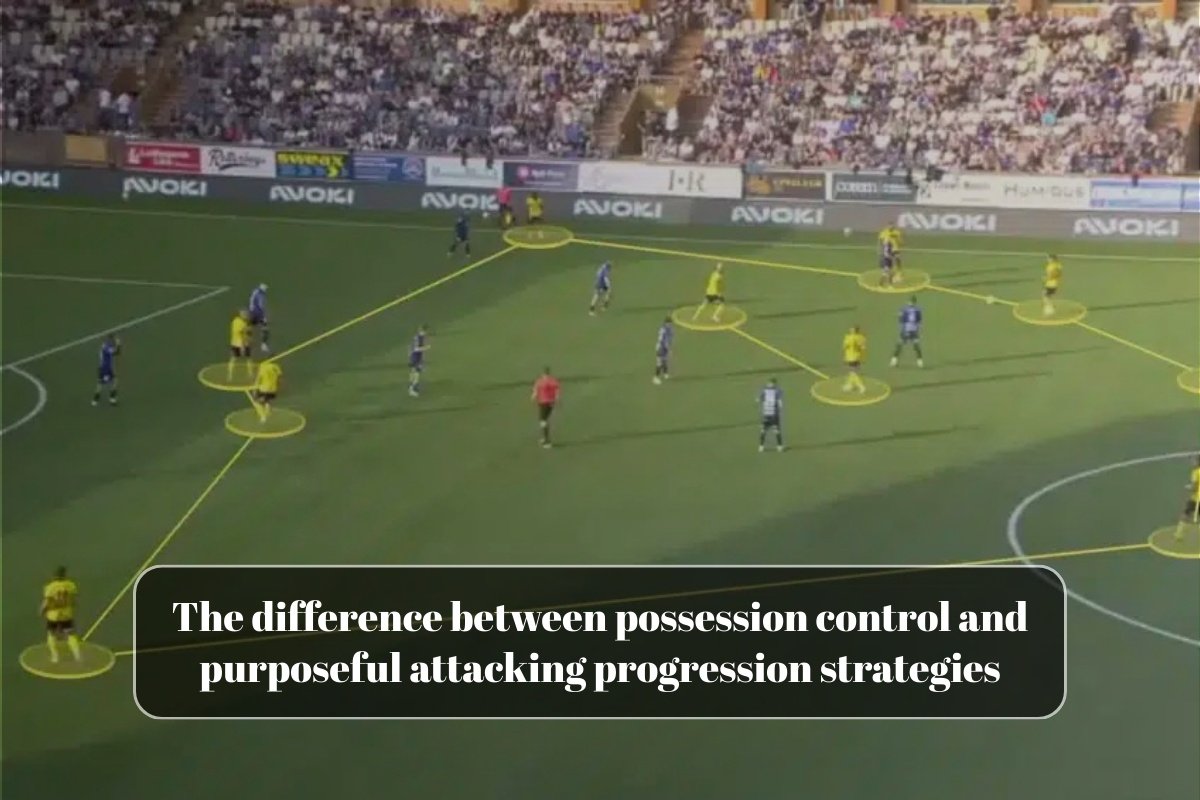
Tactical revolutions have transformed football from chaotic goal-fests to data-driven chess matches, with innovations like the WM formation, Total Football, and gegenpressing redefining space, roles, and tempo across eras. These shifts—driven by visionaries from Chapman to Guardiola—boosted efficiency, goals from structured play, and adaptability, turning the sport into a global obsession.
Early Chaos to Structured Defense (1920s-1950s)
Football began as 2-3-5 pyramid attacks with minimal defense, yielding high scores but vulnerability. Herbert Chapman’s WM (3-2-2-3) in 1930s Arsenal dropped the center-half deep for balance, winning titles and spreading globally—Uruguay adapted it for 1950 World Cup glory.
Post-WWII, catenaccio (Italy’s lock-and-key) under Nereo Rocco emphasized man-marking and libero sweepers, prioritizing clean sheets—Milan’s 1963 European Cup proved defense wins. This era compressed pitches, cutting goals 20% while birthing counter-attacks.
Total Fluidity and Balance (1960s-1980s)
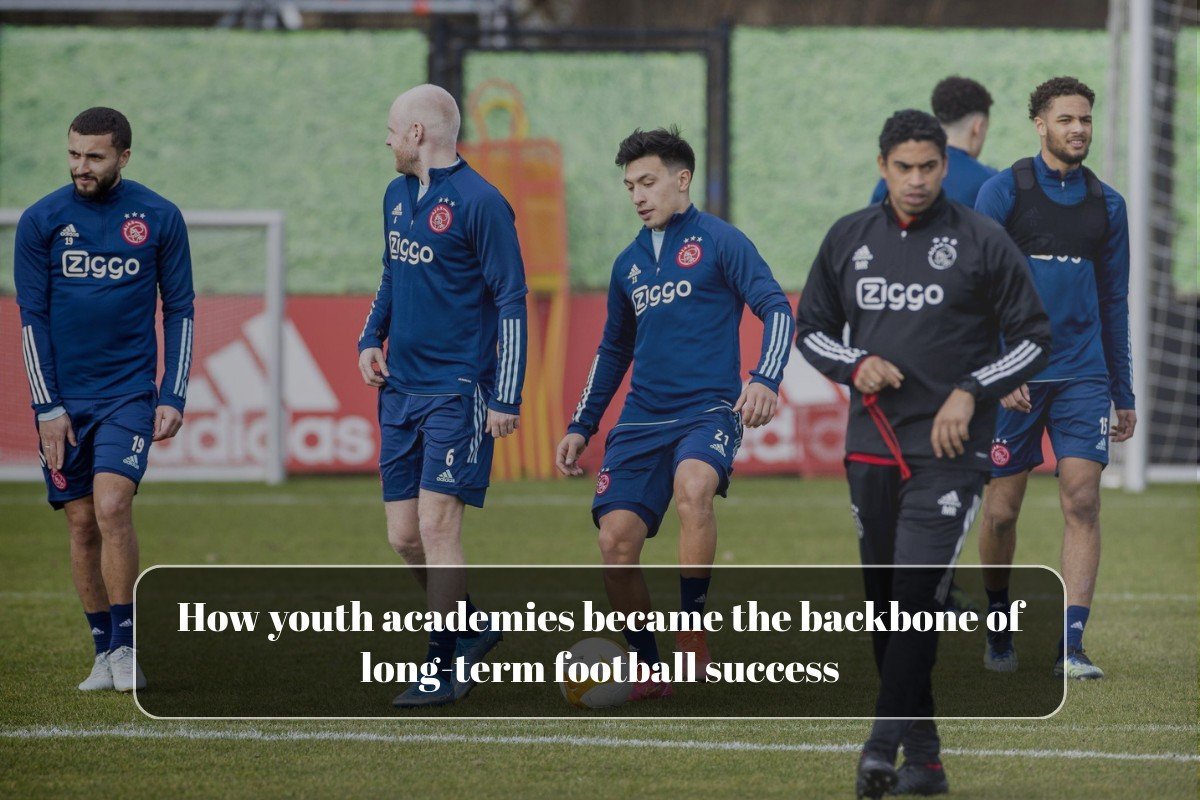
Rinus Michels’ Total Football (Ajax/Netherlands 1970s) revolutionized versatility: players interchanged positions, exploiting space via Cruyff’s vision—Ajax’s three straight European Cups showcased fluid 4-3-3.
England’s 4-4-2 (1966 World Cup) balanced width and midfield battles, dominating clubs like Liverpool. José Mourinho’s “park the bus” (2004 Porto/Chelsea) refined low blocks for counters, winning Champions League via pragmatism amid high-pressing seeds.
Possession Mastery and Pressing Frenzy (1990s-2010s)
Pep Guardiola’s tiki-taka (Barcelona 2008-12) perfected short passes and overloads in 4-3-3, holding 70% possession for sextuple—false nines like Messi dragged markers, creating space.
Jürgen Klopp’s gegenpressing (Dortmund/Liverpool) countered with immediate high regains—Liverpool’s 2019 title featured 68% attacking-third recoveries, blending intensity with transitions.
Modern Hybrids and Data-Driven Era (2020s)
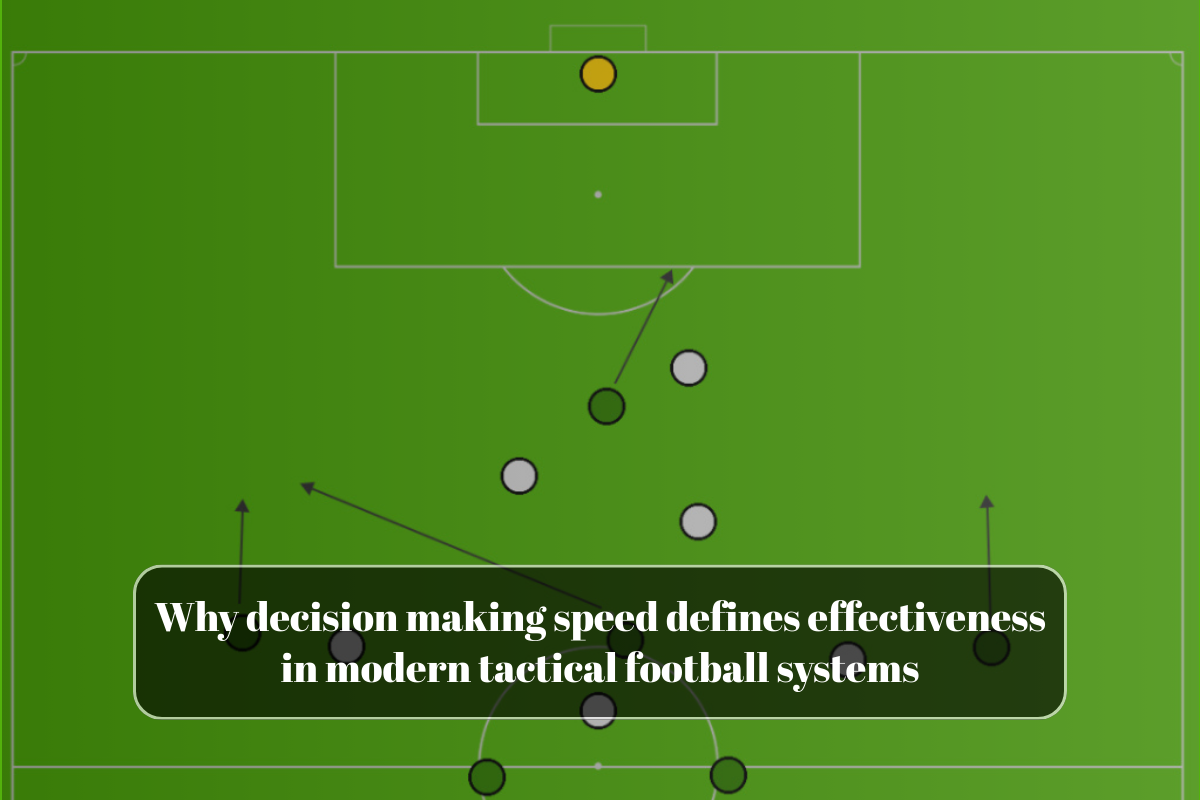
Guardiola’s City evolved to inverted full-backs and positional play, crowding midfields for control—sweeper-keepers like Ederson enable high lines. Arteta/Arne Slot blend pressing with three-at-back fluidity, using AI for real-time tweaks.
VAR and data analytics amplify revolutions: expected goals (xG) guide set-pieces, boosting efficiency 15%.
Lasting Impacts on the Game
Tactics shifted from attack-heavy (5+ goals common pre-1930s) to tactical parity (2.8 goals/PL match 2025), emphasizing fitness and psychology. Revolutions democratized success—underdogs like Greece (2004 Euros) parked buses effectively.
Global spread via TV/data homogenized styles, yet hybrids persist for adaptability.
FAQs
1. What was the WM formation’s key innovation?
Herbert Chapman’s 3-2-2-3 balanced attack/defense by dropping center-half deep, winning Arsenal titles and influencing global play.
2. How did Total Football change player roles?
Michels/Cruyff’s Ajax made positions fluid—interchanges exploited space, basing modern possession styles.
3. Why is tiki-taka considered revolutionary?
Guardiola’s Barca held 70% ball via short passes/false nines, creating overloads for sextuple dominance.
4. What defines gegenpressing’s impact?
Klopp’s high regains (68% attacking third) turned defense to attack instantly, powering Liverpool’s titles.
5. How has data shaped recent tactics?
xG analytics refine set-pieces/positions, boosting efficiency 15% in hybrids like Guardiola’s inverted full-backs.